 By
By 10 Best Lakes in Croatia to Visit in 2026
Croatia may be best known for its spectacular Adriatic coastline, but some of the country’s most beautiful landscapes are found around its lakes, wetlands, forests, and mountain regions.
Many of these landscapes are also protected within some of Croatia’s spectacular national parks.
The best lakes in Croatia range from the world-famous turquoise waters of Plitvice Lakes to peaceful forest lakes, enormous reservoirs, wildlife-rich wetlands, and the saltwater lakes of Mljet Island. Some are perfect for hiking and photography, while others offer opportunities for swimming, kayaking, fishing, birdwatching, or simply relaxing beside the water.
Whether you’re planning a Croatia road trip, looking for a break from the beaches, or hoping to discover quieter natural attractions away from the busiest coastal destinations, Croatia’s lakes offer plenty of variety.
In this guide, we’ll explore 10 of the best lakes in Croatia, including what makes each one special, the best things to do, and which lakes are worth adding to your itinerary.
Why Croatia’s Lakes Are Worth Visiting
Croatia’s coastline gets most of the attention, but traveling inland reveals an entirely different side of the country. The best lakes in Croatia are surrounded by everything from dense forests and dramatic waterfalls to wetlands, mountains, islands, and quiet rural landscapes.
One reason Croatia’s lakes are so interesting is their variety. At Plitvice Lakes, wooden boardwalks wind past turquoise water and cascading waterfalls. On Mljet, saltwater lakes sit within a lush Mediterranean island landscape. Elsewhere, lakes such as Vrana, Peruća, Lokve, and Bajer offer opportunities for wildlife watching, recreation, photography, and peaceful escapes from Croatia’s busier tourist centers.
Croatia’s lakes can also fit easily into a larger itinerary. Some are close to popular coastal destinations, while others make excellent stops on road trips through the country’s mountainous and inland regions.
Whether you want to hike, swim, kayak, watch birds, take photographs, or simply enjoy the scenery, visiting a lake can add a completely different experience to a Croatia vacation.
1. Plitvice Lakes National Park – Best Overall
No list of the best lakes in Croatia would be complete without Plitvice Lakes National Park, the country’s most famous lake landscape and one of its greatest natural attractions.
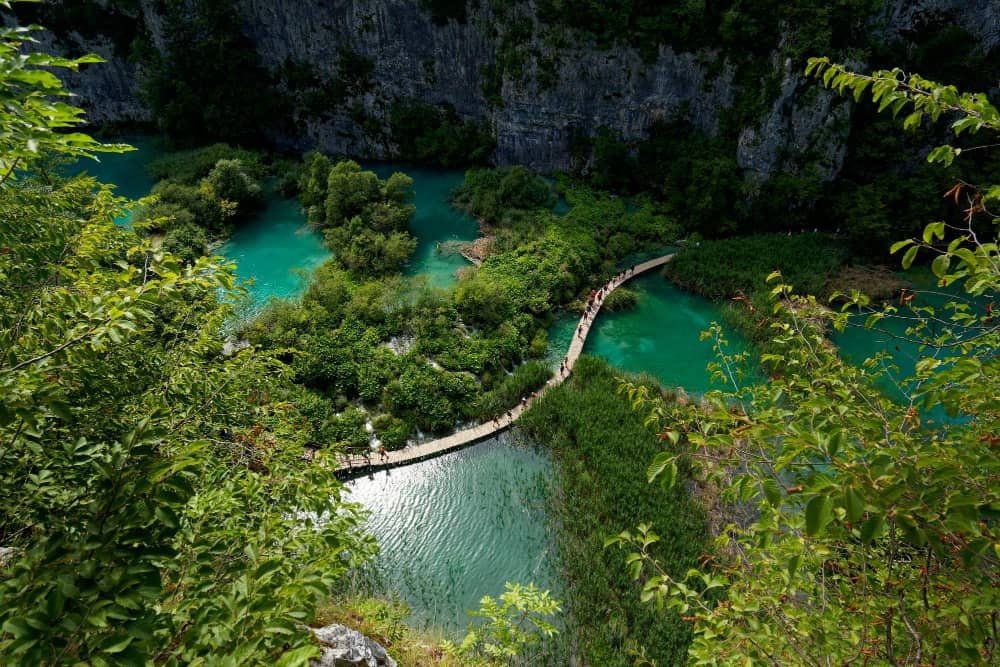
The UNESCO-listed park is known for 16 named lakes connected by waterfalls and cascades, surrounded by dense forests and dramatic limestone formations. The lakes are divided into the Upper and Lower Lakes, each offering a different landscape to explore.
Explore the Lakes and Waterfalls
Wooden boardwalks and walking trails take visitors alongside brilliant blue-green water, through forests, and past numerous waterfalls.
Among the highlights is Kozjak Lake, the largest lake in the park, where electric boats form part of several sightseeing routes.
The Lower Lakes also lead toward Veliki Slap, the Great Waterfall, which drops approximately 78 meters and is the tallest waterfall within the park.
Depending on the route you choose, a visit can range from a few hours to most of the day.
Can You Swim at Plitvice Lakes?
No. Swimming is not permitted in Plitvice Lakes National Park.
The lakes are protected, and visitors should remain on designated trails and boardwalks and follow current park regulations.
If swimming is one of your priorities, several other lakes later in this guide are better choices.
Why Plitvice Lakes Are Worth Visiting
Plitvice is the best choice for travelers who want spectacular lake scenery, waterfalls, hiking, photography, and wildlife-rich forests all in one destination.
It’s also one of Croatia’s UNESCO World Heritage Sites, making it easy to combine with the country’s historic cities and other protected landmarks during a longer Croatia road trip.
Plitvice also ranks among the best national parks in the Balkans, thanks to its extraordinary combination of lakes, waterfalls, and forests.
For first-time visitors searching for the best lakes in Croatia, Plitvice deserves the number-one spot.
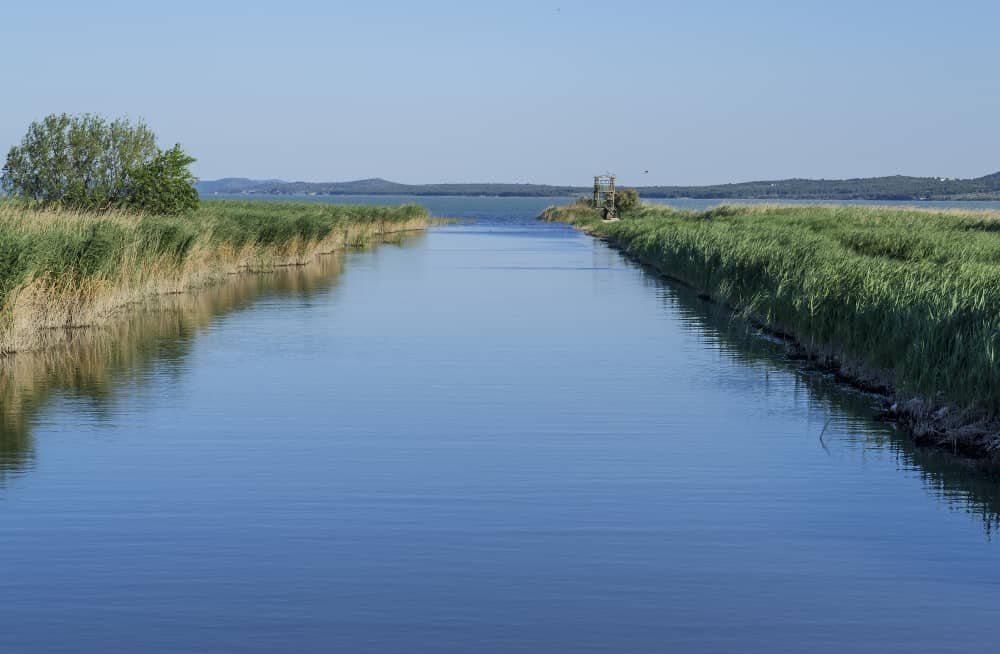
2. Lake Vrana (Vransko Jezero) – Best for Birdwatching
Lake Vrana (Vransko Jezero) is the largest natural lake in Croatia and one of the country’s most important wetland habitats.
Located along the Dalmatian coast between Zadar and Šibenik, near the town of Biograd na Moru, the lake offers a peaceful contrast to the busy beaches and resort towns of the Adriatic.
Its location also makes it easy to combine with some of the best beaches in Croatia during a summer road trip.
Explore Vrana Lake Nature Park
Much of the lake and its surroundings are protected within Vrana Lake Nature Park, where wetlands, reed beds, and open water provide valuable habitat for numerous bird species.
The lake is particularly popular with birdwatchers, cyclists, photographers, and nature lovers. Observation points around the wetland areas provide opportunities to see both resident and migratory birds.
Cycling and walking routes also make it possible to explore different parts of the lake and surrounding countryside.
Visit Kamenjak Viewpoint
One of the best places to appreciate the scale of Lake Vrana is Kamenjak Viewpoint, located above the lake.
From here, you can enjoy panoramic views across Vransko Jezero toward the Adriatic Sea and nearby islands, making it one of the area’s most memorable scenic stops.
Why Lake Vrana Is Worth Visiting
Lake Vrana is an excellent choice if you want to combine wildlife, cycling, photography, peaceful scenery, and Croatia’s Adriatic coast.
Its location also makes it easy to include on a road trip between Zadar and Šibenik.
For travelers interested in nature and birdlife rather than crowded tourist attractions, Lake Vrana is one of the best lakes in Croatia to explore.
3. Veliko Jezero, Mljet – Best Island Lake Experience
Located within Mljet National Park, Veliko Jezero (Great Lake) offers one of the most unusual lake experiences in Croatia.
Unlike the freshwater lakes found elsewhere in the country, Veliko Jezero is a saltwater lake connected to the Adriatic Sea. Surrounded by dense Mediterranean forest, its calm blue-green water creates a striking contrast with Mljet’s rugged island coastline.
Visit St. Mary’s Island
The lake’s most recognizable attraction is tiny St. Mary’s Island, home to a historic Benedictine monastery and church.
Visitors can reach the island by boat and spend time exploring the monastery before continuing around the lake.
Walking and cycling paths also follow sections of the shoreline, making it easy to combine sightseeing with an active day outdoors.
Swim, Kayak, or Explore by Bike
Unlike Plitvice Lakes, swimming is permitted in designated areas of Mljet National Park, making Veliko Jezero particularly appealing during the warmer months.
Kayaking is another excellent way to explore the calm water, while bicycles provide an easy way to cover more of the national park.
The combination of forest, water, historic sites, and island scenery gives Mljet a completely different atmosphere from Croatia’s inland lakes.
Why Veliko Jezero Is Worth Visiting
Veliko Jezero is ideal for travelers who want to combine swimming, kayaking, cycling, nature, and history in one destination.
Add the surrounding landscapes of Mljet National Park and nearby Malo Jezero, and this becomes one of the most memorable lake experiences on Croatia’s Adriatic islands.
For anyone exploring southern Dalmatia or traveling near Dubrovnik, Veliko Jezero deserves a place among the best lakes in Croatia.
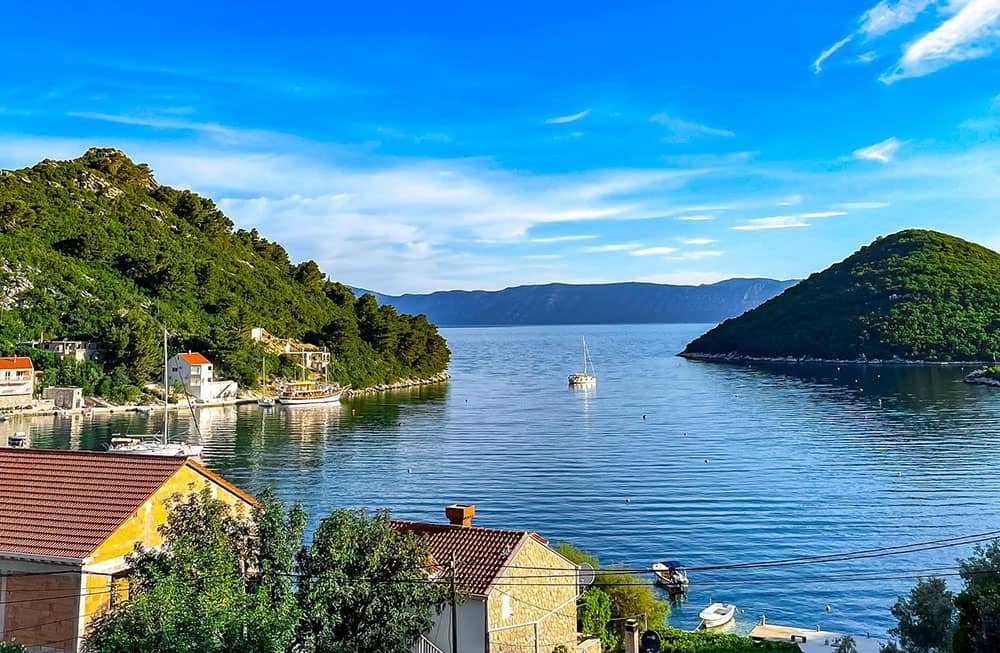
4. Malo Jezero, Mljet – Best for Swimming and Relaxing
Just beside Veliko Jezero lies Malo Jezero (Small Lake), another beautiful saltwater lake within Mljet National Park.
Smaller and more sheltered than its neighbor, Malo Jezero is surrounded by thick Mediterranean vegetation and is particularly inviting during Croatia’s warm summer months.
Enjoy the Warm, Calm Water
Malo Jezero is one of the best choices on this list for travelers who want to swim and relax rather than spend the entire day hiking.
Its sheltered setting generally creates calm conditions, while several places along the shoreline provide access to the water.
Visitors can also explore the surrounding area on foot or by bicycle, making it easy to combine swimming with a leisurely day in nature.
Walk Between the Two Mljet Lakes
Malo Jezero and Veliko Jezero are connected by a narrow channel, so it’s easy to experience both during the same visit.
You can spend part of the day swimming around Malo Jezero before continuing toward Veliko Jezero and St. Mary’s Island.
The surrounding trails offer beautiful views of the lakes, forests, and distinctive island landscape.
Why Malo Jezero Is Worth Visiting
Malo Jezero provides a quieter and more relaxing experience than many of Croatia’s famous natural attractions.
Its combination of warm saltwater, peaceful surroundings, forest scenery, walking trails, and easy access to Veliko Jezero makes it especially appealing during summer.
If you’re searching for one of the best lakes in Croatia for swimming and relaxation, Malo Jezero should be high on your list.
5. Lake Prokljan – Best Hidden Lake Near Šibenik
Lake Prokljan (Prokljansko Jezero) is one of Croatia’s lesser-known lake destinations and a great choice for travelers looking to escape the country’s busiest natural attractions.
Located near Šibenik and Skradin, the lake forms part of the lower Krka River system and is connected with the Adriatic through the Krka estuary. This gives the lake an unusual environment influenced by both freshwater and seawater.
Enjoy a Quieter Side of the Krka Region
While most visitors to this part of Croatia head directly to Krka National Park, Lake Prokljan offers a much quieter landscape of open water, small settlements, hills, and Mediterranean vegetation.
The villages surrounding the lake provide scenic places to stop while exploring the wider Šibenik and Krka region by car.
Its peaceful setting also makes the lake attractive for photography, boating, fishing, and relaxing near the water, subject to local rules and conditions.
Combine Lake Prokljan With Krka National Park
One of the biggest advantages of visiting Lake Prokljan is its location.
You can easily combine the lake with Skradin and Krka National Park, where the Krka River creates famous waterfalls such as Skradinski Buk. Krka also features prominently in our guide to the best waterfalls in Croatia.
Nearby Šibenik is also one of the best historical places in Croatia, making it easy to combine nature and history on the same trip.
Why Lake Prokljan Is Worth Visiting
Lake Prokljan won’t offer the dramatic waterfalls of Plitvice or the island scenery of Mljet, but that’s part of its appeal.
Its combination of quiet scenery, the Krka River, nearby historic towns, and fewer visitors makes it an interesting stop for travelers who enjoy discovering places beyond Croatia’s headline attractions.
For a peaceful lake experience close to the Dalmatian coast, Lake Prokljan is one of Croatia’s underrated natural destinations.
6. Lake Peruća – Best for Mountain Scenery
Lake Peruća (Perućko Jezero) is a large reservoir on the Cetina River in inland Dalmatia. Surrounded by hills and rugged countryside, it offers a peaceful alternative to Croatia’s much busier coastal destinations.
Located near Sinj and Vrlika, the lake is particularly appealing to travelers exploring the Dalmatian hinterland by car.
Enjoy the Lake and Surrounding Landscape
Lake Peruća stretches through a broad valley beneath the mountains, creating beautiful views from the roads and villages around its shoreline.
The area is well suited to travelers interested in photography, fishing, kayaking, cycling, and quiet time in nature. Conditions and permitted activities can vary by location, so check locally before heading onto the water.
Unlike Plitvice, Peruća isn’t primarily a developed sightseeing attraction. That’s part of its appeal—the landscape feels spacious, rural, and considerably less crowded.
Explore the Cetina Region
Lake Peruća can also be included in a wider trip through the Cetina River region.
The surrounding countryside offers mountain scenery, small towns, historic sites, and opportunities for outdoor recreation. Travelers continuing toward the coast can combine the area with Split and other historic places in Croatia, including the UNESCO-listed Historic Complex of Split with Diocletian’s Palace.
Why Lake Peruća Is Worth Visiting
Lake Peruća is a good choice for travelers who want to discover Croatia beyond its famous islands, beaches, and historic coastal cities.
With its expansive water, mountain backdrop, and uncrowded surroundings, it provides a very different experience from Plitvice or Mljet.
For a scenic road trip through inland Dalmatia, Lake Peruća is one of the best lakes in Croatia to add to your route.
7. Lake Lokve – Best Forest Escape
Surrounded by the dense forests and mountains of Gorski Kotar, Lake Lokve (Lokvarsko Jezero) offers a completely different side of Croatia from the sunny Adriatic coast.
Located near the village of Lokve, between Zagreb and Rijeka, this artificial lake is known for its peaceful setting, forested shoreline, and refreshing mountain atmosphere.
Enjoy Outdoor Activities Around the Lake
Lake Lokve is a great destination for travelers who enjoy walking, cycling, fishing, kayaking, and spending time in nature.
The surrounding forests make the area especially attractive during warmer months when visitors are looking for cooler temperatures away from Croatia’s coast.
In autumn, changing leaves transform the hills around the lake, creating beautiful scenery for photography and relaxed countryside drives.
Explore Gorski Kotar
The lake can easily be combined with a wider exploration of Gorski Kotar, one of Croatia’s most heavily forested regions.
Nearby attractions include mountain trails, caves, small villages, and additional lakes, making the region particularly appealing to travelers interested in outdoor adventures rather than crowded sightseeing destinations.
Why Lake Lokve Is Worth Visiting
Lake Lokve is ideal if you’re searching for a quiet forest getaway, outdoor recreation, and beautiful mountain scenery.
Its convenient location between Zagreb and the northern Adriatic also makes it an excellent stop on a Croatia road trip.
For travelers hoping to discover lesser-known natural destinations, Lake Lokve is one of the most peaceful lakes in Croatia to explore.
8. Lake Bajer, Fužine – Best for a Relaxing Lakeside Stop
Located beside the mountain town of Fužine in Gorski Kotar, Lake Bajer (Bajersko Jezero) is a peaceful artificial lake surrounded by forested hills.
Its accessible shoreline and relaxed atmosphere make it an excellent stop for travelers driving between Zagreb and Croatia’s northern Adriatic coast.
Walk Around the Lake
One of the simplest ways to enjoy Lake Bajer is to follow the paths around its shoreline.
The relatively easy lakeside setting is ideal for walking, cycling, photography, and simply enjoying the mountain scenery. During the warmer months, the lake and surrounding area also attract visitors interested in water-based recreation.
After exploring the lake, spend some time in Fužine, a small mountain destination known for its forests, fresh air, and outdoor activities.
Explore the Gorski Kotar Region
Lake Bajer can easily be combined with nearby Lake Lokve, making the two lakes a natural pairing on a road trip through Gorski Kotar.
The surrounding region is particularly attractive for travelers who want to experience Croatia beyond its beaches and historic coastal towns.
Why Lake Bajer Is Worth Visiting
Lake Bajer doesn’t require an entire day to appreciate, which makes it particularly useful as a scenic road-trip stop.
Its combination of easy lakeside walks, forests, mountain scenery, and proximity to Fužine creates a relaxing break between larger destinations.
For travelers exploring inland Croatia, Lake Bajer is one of the most pleasant lakes in Croatia for a quiet afternoon in nature.
9. Lake Sabljaci – Best for a Quiet Inland Escape
Located near the town of Ogulin in central Croatia, Lake Sabljaci (Sabljaci Lake) is a peaceful reservoir surrounded by green countryside, hills, and mountain scenery.
Far removed from Croatia’s busy Adriatic resorts, the lake offers travelers a chance to experience the country’s quieter inland landscapes.
Relax by the Water
Lake Sabljaci is popular locally for walking, fishing, cycling, picnicking, and other outdoor activities.
During the warmer months, the lakeside setting provides a pleasant place to spend a few hours outdoors, while the surrounding countryside is ideal for travelers who prefer peaceful scenery over major tourist attractions.
The lake is particularly attractive when combined with a visit to nearby Ogulin, a historic town situated beneath the distinctive mountain of Klek.
Explore the Ogulin Region
Ogulin’s location between Zagreb, Rijeka, and Plitvice Lakes National Park makes Lake Sabljaci relatively easy to incorporate into a Croatia road trip.
Travelers can explore the town, surrounding forests, mountain landscapes, and local hiking areas before continuing toward Croatia’s coast or national parks.
Why Lake Sabljaci Is Worth Visiting
Lake Sabljaci isn’t a destination most international visitors have heard of—and that’s exactly why it can be rewarding.
The combination of quiet water, countryside, nearby mountains, and fewer tourists provides a refreshing contrast to Croatia’s most famous attractions.
For travelers interested in discovering a more local side of the country, Lake Sabljaci is one of the lesser-known lakes in Croatia worth adding to a road trip.
10. Lake Jarun, Zagreb – Best Urban Lake
For travelers who want to enjoy the water without venturing far into the countryside, Lake Jarun offers one of Croatia’s most accessible lake experiences.
Located in Zagreb, Jarun is a large recreational area popular with locals for exercise, water sports, relaxing outdoors, and escaping the city streets.
Walk, Cycle, and Relax by the Water
Paths around Jarun make the lake ideal for walking, running, cycling, and rollerblading, while grassy areas along the shoreline provide plenty of space for relaxing during warmer weather.
The lake is also associated with activities such as rowing, kayaking, sailing, and other water sports. Several beaches and recreational areas make Jarun especially lively during summer.
Unlike Croatia’s remote mountain lakes, you can easily spend a few hours here and return to central Zagreb the same day.
Experience Zagreb Like a Local
Jarun isn’t the kind of destination most international travelers visit specifically for dramatic scenery. Instead, its appeal comes from experiencing how residents of Zagreb spend their free time.
After a morning exploring the city’s historic center, museums, and markets, the lake provides an easy place to slow down and enjoy a more relaxed side of the Croatian capital.
Why Lake Jarun Is Worth Visiting
Lake Jarun adds something different to this list: an urban lake where recreation and everyday local life take center stage.
For swimming, cycling, water sports, or simply relaxing beside the water without leaving Zagreb, Jarun is an easy addition to a city itinerary.
It may not compete with Plitvice for natural drama, but its accessibility and recreational opportunities earn Lake Jarun a place among the best lakes in Croatia for travelers spending time in Zagreb.
Best Lakes in Croatia at a Glance
Croatia’s lakes offer very different experiences, from UNESCO-protected waterfalls and Mediterranean island scenery to quiet forest reservoirs and urban recreation areas.
Here’s a quick comparison to help you choose the best lakes in Croatia for your trip.
| Lake | Location | Best For |
|---|---|---|
| Plitvice Lakes | Lika | Waterfalls and spectacular scenery |
| Lake Vrana | Dalmatia | Birdwatching and wildlife |
| Veliko Jezero | Mljet Island | Island scenery, kayaking, and history |
| Malo Jezero | Mljet Island | Swimming and relaxation |
| Lake Prokljan | Near Šibenik | Quiet scenery and road trips |
| Lake Peruća | Inland Dalmatia | Mountain scenery and outdoor recreation |
| Lake Lokve | Gorski Kotar | Forests and nature escapes |
| Lake Bajer | Fužine | Lakeside walks and relaxation |
| Lake Sabljaci | Ogulin | Peaceful inland scenery |
| Lake Jarun | Zagreb | Swimming and urban recreation |
Which Lake in Croatia Should You Visit?
For a first visit to Croatia, Plitvice Lakes is the obvious choice. Its turquoise lakes, waterfalls, forests, and wooden boardwalks create one of the country’s most memorable landscapes.
For swimming and summer relaxation, the lakes of Mljet are particularly appealing, while Lake Vrana is the strongest choice for birdwatchers and wildlife enthusiasts.
Travelers looking to escape the major tourist destinations should consider Lake Lokve, Lake Bajer, Lake Sabljaci, or Lake Peruća.
And if you’re staying in Zagreb and don’t have time for a longer road trip, Lake Jarun provides an easy way to enjoy the water without leaving the capital.
The best choice ultimately depends on your itinerary—but Croatia has lake experiences for everything from waterfalls and wildlife to swimming, hiking, kayaking, and peaceful countryside escapes.
Best Lakes in Croatia for Swimming
If swimming is one of the main reasons you’re searching for the best lakes in Croatia, it’s important to know that not every beautiful lake allows visitors into the water.
Most notably, swimming is prohibited at Plitvice Lakes National Park, despite how inviting its turquoise lakes may look.
Fortunately, there are other options for travelers who want to cool off during Croatia’s hot summer months.
Malo Jezero, Mljet
Malo Jezero is one of the strongest choices for swimming on this list.
Its sheltered saltwater setting and beautiful Mediterranean surroundings make it especially appealing during summer. You can easily combine a swim with walking or cycling through Mljet National Park.
Veliko Jezero, Mljet
Neighboring Veliko Jezero also provides opportunities to enjoy the water while exploring Mljet.
Swimming can be combined with kayaking, cycling, and a boat trip to St. Mary’s Island, making it a good choice if you want more than a simple beach day.
Lake Jarun, Zagreb
If you’re staying in Zagreb, Lake Jarun is the most convenient option.
Designated recreational areas and beaches make the lake a popular summer escape for locals, with swimming and numerous other outdoor activities available around the lake.
What About the Other Lakes?
Swimming conditions and permitted areas can change at reservoirs and other recreational lakes, so don’t assume that swimming is allowed simply because a lake is accessible.
For places such as Peruća, Lokve, Bajer, and Sabljaci, check current local information, water conditions, and designated swimming areas before entering the water.
For the best combination of beautiful scenery and a dedicated summer lake experience, the saltwater lakes of Mljet National Park are the standout choice.
Best Lakes in Croatia for Nature and Wildlife
Croatia’s lakes aren’t only beautiful places to photograph or relax beside. Several also support important wetland, forest, bird, and aquatic habitats, making them worthwhile destinations for travelers interested in nature and wildlife.
Lake Vrana – Best for Birdwatching
For dedicated birdwatchers, Lake Vrana is the standout choice.
The lake’s wetlands and reed beds provide habitat for a wide variety of resident and migratory birds. Observation areas within Vrana Lake Nature Park make it possible to experience the ecosystem without disturbing sensitive habitats.
Spring and autumn can be particularly interesting because of seasonal bird migration.
Plitvice Lakes – Best for Forest Wildlife
The lakes at Plitvice Lakes National Park are surrounded by extensive forests that support an impressive variety of wildlife.
The wider protected ecosystem provides habitat for animals including brown bears, wolves, deer, wild boar, and numerous bird species. Most visitors are far more likely to encounter smaller wildlife and birds than the park’s large mammals.
Plitvice is therefore best appreciated as an entire forest-and-water ecosystem rather than simply a collection of waterfalls.
Mljet Lakes – Best for Mediterranean Nature
Veliko Jezero and Malo Jezero provide a different natural environment.
Located within Mljet National Park, the saltwater lakes are surrounded by lush Mediterranean vegetation and form part of one of Croatia’s most distinctive island landscapes.
Walking, cycling, kayaking, and swimming allow visitors to experience the lakes from several perspectives.
Lake Lokve – Best for Forest Scenery
Surrounded by the thick forests of Gorski Kotar, Lake Lokve is an excellent choice for travelers who enjoy peaceful woodland landscapes.
The broader region is known for its rich forests and wildlife, while the lake itself provides a quiet base for walking, cycling, photography, and exploring the countryside.
Which Lake Is Best for Wildlife Lovers?
Choose Lake Vrana if birdwatching is your main priority and Plitvice Lakes if you want to experience one of Croatia’s most important forest-and-water landscapes.
For Mediterranean ecosystems, the lakes of Mljet National Park offer the most distinctive experience.
Whichever lake you visit, observe wildlife from a distance, avoid feeding animals, remain on designated routes in protected areas, and follow local conservation rules.
Best Time to Visit Lakes in Croatia
The best time to visit lakes in Croatia depends on whether you’re interested in hiking, swimming, birdwatching, photography, or simply enjoying the scenery.
For most travelers, late spring through early autumn offers the widest range of activities.
Spring: April to May
Spring is one of the most beautiful times to visit Croatia’s lakes.
At Plitvice Lakes, increased water flow can make the waterfalls particularly impressive, while forests and vegetation become lush and green.
Spring is also a rewarding season for birdwatching at Lake Vrana, especially during migration periods.
Temperatures are generally more comfortable for walking and cycling than during the hottest summer months.
Summer: June to August
Summer is the best season if swimming and water activities are your priorities.
The saltwater lakes of Mljet National Park are especially inviting, while recreational destinations such as Lake Jarun become lively during warm weather.
July and August are also Croatia’s busiest tourism months. Popular destinations such as Plitvice and Mljet can attract large numbers of visitors, so arriving early can make a significant difference.
Autumn: September to October
September is one of the best overall months for exploring Croatia’s lakes.
The weather is often still warm enough for outdoor activities, while visitor numbers begin to decrease after the summer peak.
Later in autumn, forested destinations such as Plitvice, Lake Lokve, Lake Bajer, and Lake Sabljaci can become especially beautiful as the leaves change color.
Winter: November to March
Winter offers a quieter experience, particularly at inland lakes.
Snow can transform Plitvice Lakes and the landscapes of Gorski Kotar into spectacular winter scenery, although weather conditions may affect roads, trails, transportation, and available facilities.
Always check current conditions before traveling to inland or mountainous areas during winter.
Best Overall Months
For most travelers, May, June, and September provide the best balance of pleasant weather, outdoor activities, beautiful scenery, and manageable crowds.
If swimming is your priority, choose June through September. For waterfalls and lush landscapes, consider spring, while photographers looking for colorful forests may prefer early to mid-autumn.
No matter when you visit, Croatia’s lakes provide a completely different perspective on a country most travelers associate primarily with the Adriatic coast.
Croatia Lakes Road Trip Ideas
You don’t need to visit all 10 lakes on one trip. Croatia’s geography makes it much more practical to group several lakes with nearby cities, national parks, and coastal destinations.
Here are a few easy ways to include the best lakes in Croatia in a larger itinerary.
Zagreb to Plitvice Lakes Road Trip
Zagreb → Lake Jarun → Lake Sabljaci → Plitvice Lakes
Begin in Zagreb with a relaxing walk or bike ride around Lake Jarun before heading south toward Ogulin.
Stop at Lake Sabljaci for peaceful countryside scenery, then continue to Plitvice Lakes National Park for the highlight of the route.
Allow at least one full day for Plitvice rather than treating it as a quick roadside stop.
Gorski Kotar Lakes Road Trip
Zagreb → Fužine and Lake Bajer → Lake Lokve → Rijeka
This route is perfect for travelers who want to experience Croatia’s forests and mountain landscapes.
Spend time walking around Lake Bajer in Fužine before continuing to Lake Lokve. From there, you can head toward Rijeka and the Adriatic coast.
Dalmatian Lakes Road Trip
Zadar → Lake Vrana → Šibenik → Lake Prokljan → Split → Lake Peruća
This route combines some of Croatia’s lesser-known lakes with several major Dalmatian destinations.
Begin around Zadar before visiting Lake Vrana, continue toward Šibenik and Lake Prokljan, and then travel south toward Split.
This route also passes several of Croatia’s UNESCO World Heritage Sites, so it’s particularly easy to combine natural and cultural attractions.
An inland detour to Lake Peruća and the Cetina region adds mountain scenery before you return to the coast.
Dubrovnik and Mljet Lakes
Dubrovnik → Mljet National Park → Malo Jezero → Veliko Jezero
If you’re exploring southern Croatia, dedicate at least a day to Mljet National Park.
Because Malo Jezero and Veliko Jezero are located close together, you can experience both during the same visit while combining swimming, walking, cycling, kayaking, and St. Mary’s Island.
Which Route Is Best?
For a first trip, the Zagreb–Plitvice route is the easiest way to combine city sightseeing with Croatia’s most famous lakes.
Choose Gorski Kotar for forests and fewer crowds, Dalmatia for a mixture of lakes and Adriatic destinations, or Mljet if swimming and island scenery are your priorities.
Rather than rushing between distant lakes, choose the route that fits naturally into the rest of your Croatia itinerary. You’ll spend less time driving and have much more time to actually enjoy the scenery.
Tips for Visiting Lakes in Croatia
Visiting the best lakes in Croatia is generally easy, but a little planning can make the experience much more enjoyable—especially during the busy summer season.
Start Early at Popular Lakes
If you’re visiting Plitvice Lakes National Park, arriving early is one of the best ways to avoid the largest crowds.
During July and August, popular walking routes and boardwalks can become busy later in the day. An early start also gives you more time to explore without rushing.
Check Swimming Rules Before Entering the Water
Don’t assume that swimming is permitted at every Croatian lake.
Swimming is prohibited at Plitvice Lakes, while places such as the lakes of Mljet and designated recreational areas at Jarun offer opportunities to swim.
At other lakes, check current local regulations and water conditions before entering.
Wear Comfortable Shoes
Even when you’re not planning a serious hike, comfortable footwear is useful.
Plitvice has extensive walking routes, while destinations such as Mljet, Lake Vrana, Lokve, and Bajer are much more enjoyable when you have time to explore beyond the nearest parking area.
Bring Water and Sun Protection
Croatian summers can be hot, particularly around Dalmatia and Mljet.
Bring drinking water, sunscreen, sunglasses, and a hat, especially if you’ll be walking, cycling, or kayaking for several hours.
Don’t Forget Insect Repellent
Wetlands, forests, and lakes naturally attract insects, particularly during warmer months and around sunset.
Packing insect repellent can make evenings near the water considerably more comfortable.
Respect Protected Areas
Several destinations in this guide lie within national parks or nature parks, where special conservation rules apply.
Stay on designated trails where required, don’t disturb wildlife, avoid leaving rubbish behind, and follow restrictions regarding swimming, fishing, camping, fires, and drones.
Download Offline Maps
Mobile coverage can be inconsistent around more remote lakes and rural roads.
Downloading maps before leaving your accommodation is particularly useful when exploring Lake Peruća, Gorski Kotar, Lake Sabljaci, and other inland destinations.
Leave Time for Nearby Attractions
Many Croatian lakes are close to other worthwhile destinations.
Plitvice can become part of a larger inland Croatia itinerary, Lake Vrana pairs naturally with Zadar and Šibenik, Lake Prokljan with Krka and Skradin, and the Mljet lakes with a longer stay on the island.
Instead of treating every lake as a quick photo stop, give yourself enough time to walk, explore, and enjoy the surrounding landscape. That’s often where the best part of the experience begins.
FAQs About Best Lakes in Croatia
What is the most beautiful lake in Croatia?
Plitvice Lakes are generally the top choice for first-time visitors. The combination of turquoise water, waterfalls, forests, and wooden walking paths creates one of Croatia’s most recognizable natural landscapes.
What is the largest natural lake in Croatia?
Lake Vrana (Vransko Jezero) in Dalmatia is Croatia’s largest natural lake. Located near the Adriatic coast between Zadar and Šibenik, it is particularly well known for its wetlands, birdlife, and nature-viewing opportunities.
Can you swim in Plitvice Lakes?
No. Swimming is not permitted in Plitvice Lakes National Park. Visitors should remain on designated routes and follow the park’s current conservation regulations.
What are the best lakes in Croatia for swimming?
Malo Jezero and Veliko Jezero on Mljet are among the best choices for travelers who want to combine beautiful scenery with swimming. Lake Jarun in Zagreb is another popular recreational option with designated swimming areas.
Are there lakes near Dubrovnik?
Yes. The two most notable are Veliko Jezero and Malo Jezero in Mljet National Park. Reaching them requires traveling to the island of Mljet, but they make an excellent addition to a longer trip through southern Croatia.
Are there lakes near Split?
Lake Peruća is one of the most interesting inland lake destinations to combine with a stay in the Split region. It lies along the Cetina River in the Dalmatian hinterland and offers a much quieter landscape than the coast.
What is the best lake near Zagreb?
For convenience, Lake Jarun is the easiest option because it is located within Zagreb itself. For a more nature-focused day trip or road trip, travelers can continue toward Lake Sabljaci, Lake Bajer, Lake Lokve, or Plitvice Lakes.
Which Croatian lake is best for birdwatching?
Lake Vrana is the standout destination for birdwatching. Its wetlands provide habitat for numerous resident and migratory species, making it one of Croatia’s most important areas for observing birds.
How many days do you need for Plitvice Lakes?
Most first-time visitors should plan at least one full day for Plitvice Lakes National Park. This provides enough time to explore a substantial portion of the walking routes without treating the park as a rushed photo stop.
When is the best time to visit Croatia’s lakes?
May, June, and September are excellent months for most lake destinations because they generally offer pleasant conditions without the peak crowds of July and August.
Spring is particularly attractive for waterfalls and greenery, summer is best for swimming, and autumn brings beautiful colors to Croatia’s forested lake regions.
More Croatia Nature and Travel Guides
Croatia’s lakes are only one part of the country’s remarkable natural landscape. You can easily combine them with waterfalls, national parks, beaches, historic cities, islands, and UNESCO World Heritage Sites to create a much more varied itinerary.
If you’re planning a longer trip, explore some of our other Croatia and Balkan travel guides:
- Best National Parks in the Balkans – Discover Plitvice, Durmitor, Rila, Triglav, and other spectacular protected landscapes across the region.
- Best Waterfalls in Croatia – Explore Croatia’s most beautiful waterfalls, including famous cascades and lesser-known natural attractions.
- UNESCO World Heritage Sites in Croatia – Visit ancient cities, Roman monuments, medieval architecture, and extraordinary protected landscapes.
- Best Historical Places in Croatia – Discover Dubrovnik, Split, Trogir, Šibenik, Pula, and other destinations filled with history.
- Most Beautiful Beaches in the Balkans – Combine Croatia’s inland landscapes with some of the Adriatic’s most spectacular beaches.
- Best National Parks in Croatia – Explore more of the country’s forests, mountains, rivers, islands, waterfalls, and protected ecosystems.
- Balkan Travel Guide – Find more inspiration for planning a multi-country journey through southeastern Europe.
A Croatia itinerary doesn’t have to be entirely about the coast. Combining one or two of Croatia’s best lakes with historic towns, national parks, and Adriatic destinations can create a much more complete picture of the country.
Final Thoughts
The best lakes in Croatia show a side of the country that travelers can easily miss when focusing only on the Adriatic coast.
From the turquoise lakes and waterfalls of Plitvice Lakes National Park to the peaceful saltwater lakes of Mljet, the wetlands of Lake Vrana, and the forest scenery surrounding Lake Lokve and Lake Bajer, each destination offers something different.
If this is your first trip to Croatia, Plitvice Lakes should be at the top of your list. For swimming and island scenery, head to Mljet, while Lake Vrana is an excellent choice for birdwatching and nature. Travelers looking for quieter places can explore Peruća, Prokljan, Sabljaci, or the lakes of Gorski Kotar.
You don’t need to visit all 10. Choose the lakes that fit naturally into your route and leave enough time to enjoy the surrounding trails, towns, forests, and viewpoints.
Whether you’re planning a Croatia road trip, a summer vacation, or a nature-focused getaway, these beautiful lakes provide another reason to venture beyond the country’s famous coastline.
What's your reaction?