Top 10 Most Popular Castles in Bulgaria

Looking for the most popular castles in Bulgaria? This beautiful Balkan country is home to some of the most impressive medieval fortresses, ancient strongholds, and historic landmarks in Southeast Europe. Shaped by centuries of Thracian, Roman, Byzantine, Bulgarian, and Ottoman influence, Bulgaria offers travelers a fascinating journey through its rich past.
From the majestic Tsarevets Fortress in Veliko Tarnovo to the breathtaking Belogradchik Fortress surrounded by dramatic rock formations, the most popular castles in Bulgaria showcase a remarkable blend of history, architecture, and natural beauty. Many of these sites played crucial roles in defending kingdoms, controlling trade routes, and shaping the country’s cultural heritage.
Whether you’re a history enthusiast, photographer, or traveler searching for unique destinations, these iconic castles and fortresses provide unforgettable experiences. In this guide, we’ll explore the most popular castles in Bulgaria, their fascinating histories, and what makes each one worth visiting.
Why Bulgaria Is Home to Some of Europe’s Most Fascinating Castles
Bulgaria has a rich and complex history spanning more than 1,300 years. Situated at the crossroads of Europe and Asia, the country has witnessed the rise and fall of powerful civilizations, including the Thracians, Romans, Byzantines, Bulgarians, and Ottomans. Throughout these centuries, rulers constructed impressive fortresses and castles to defend strategic trade routes, protect important cities, and demonstrate their power.
Today, these castles and fortresses rank among Bulgaria’s most remarkable historical attractions. From the medieval capital of Veliko Tarnovo to the dramatic cliffs of Kaliakra and the surreal rock formations of Belogradchik, visitors can explore some of the most scenic and historically significant landmarks in the Balkans.
Whether you are a history enthusiast, photographer, architecture lover, or simply searching for unique places to visit, Bulgaria’s castles offer unforgettable experiences. This guide highlights the most popular castles and fortresses in Bulgaria and what makes each one worth visiting.
Best Castles in Bulgaria at a Glance
| Castle | Location | Best For |
|---|---|---|
| Tsarevets Fortress | Veliko Tarnovo | Bulgarian history |
| Baba Vida | Vidin | Medieval architecture |
| Belogradchik Fortress | Belogradchik | Scenic views |
| Shumen Fortress | Shumen | Archaeology |
| Kaliakra Fortress | Kavarna | Black Sea views |
| Castle of Ravadinovo | Sozopol | Fairytale atmosphere |
| Nessebar Fortifications | Nessebar | UNESCO heritage |
| Asen’s Fortress | Asenovgrad | Mountain scenery |
| Ovech Fortress | Provadia | Panoramic views |
| Fortress of Cherven | Rousse Region | Ancient ruins |
From medieval capitals and mountain fortresses to dramatic coastal strongholds, the most popular castles in Bulgaria showcase the country’s rich history and diverse landscapes. Whether you’re planning a road trip through Bulgaria or exploring the Balkans, these castles deserve a spot on your itinerary.
Most Popular Castles in Bulgaria
Are you looking for the most popular castles in Bulgaria? Look no further! We’ve compiled a list of the top 10 castles you can visit in Bulgaria.
Discover the history and legends behind these iconic landmarks, and start planning your trip today. Whether you’re a history buff or just looking for a unique experience, check out our list of the most popular castles in Bulgaria.

Tsarevets Fortress, Veliko Tarnovo
When people think of famous European castles, countries like Germany or France often come to mind first. However, Bulgaria is home to some remarkable fortresses that rival many of Europe’s better-known landmarks. One such structure is Tsarevets Fortress, located in Veliko Tarnovo. This medieval fortress dates back to the 12th century and is at the top of a hill overlooking the city. The fortress offers visitors stunning panoramic views of the surrounding landscape. The remains of Tsarevets Fortress tell tales of a rich history filled with royal power struggles and Ottoman sieges.
What sets Tsarevets Fortress apart from other castles is its strategic location atop a hill overlooking the Yantra River. This vantage point not only provided protection but also afforded breathtaking views of the surrounding landscapes. Imagine standing there centuries ago, watching armies approaching from afar or witnessing celebrations and festivals in the city below.
Although partially destroyed during various sieges, Tsarevets Fortress is still a testament to Bulgaria’s resilience and enduring spirit. Today, it is an open-air museum where visitors can explore the past by exploring restored buildings such as St. Peter and Paul Church and the Royal Palace complex. The fortress also comes alive during sound-and-light shows that bring history vividly back to life for spectators.
Baba Vida Fortress, Vidin
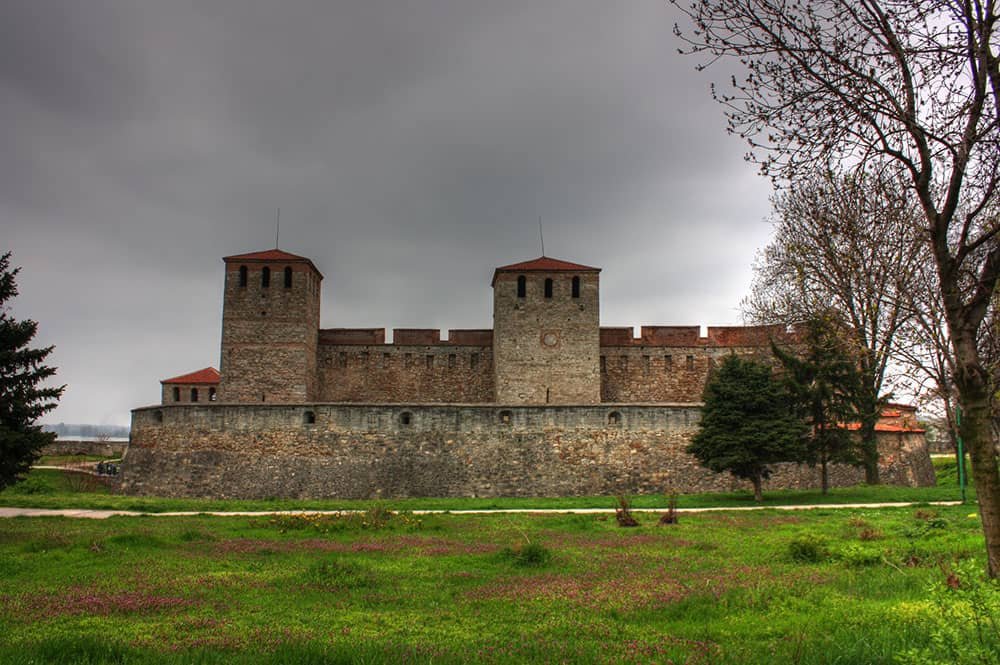
One must attend Baba Vida Fortress in Vidin, often called the Pearl of Vidin. Surrounded by lush greenery on the banks of the Danube River, this well-preserved medieval fortress captures attention with its impressive stone walls and towers. Initially constructed by Bulgarian kings during the 10th century and later reinforced by Byzantine and Ottoman rulers, Baba Vida still exudes a sense of grandeur that transports visitors back in time.
It is the country’s only fully preserved fortification and one of Europe’s best-preserved medieval fortresses. Today, the fortress is a museum and a popular tourist attraction.
The Baba Vida Fortress is a must-see for anyone interested in medieval history or architecture. It is open to the public and offers a variety of activities and tours. Visitors can explore the grounds, learn about the fortress’s history, and even participate in medieval battle reenactments.
Belogradchik Fortress
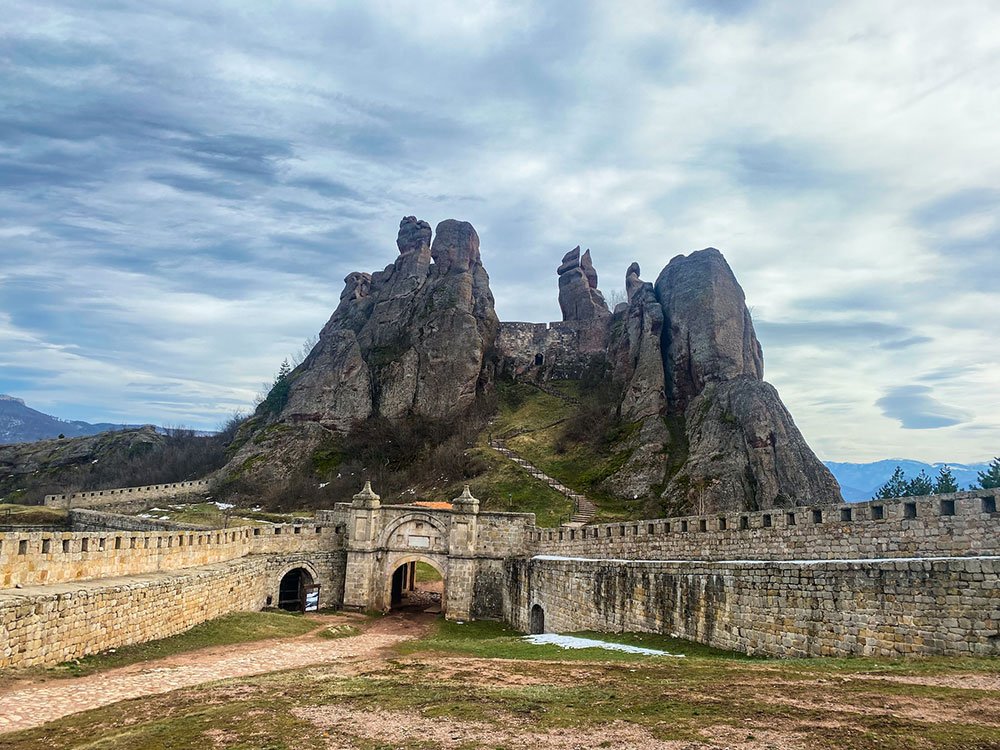
Nestled amidst striking rock formations in Northwestern Bulgaria lies the Belogradchik Fortress, a unique architectural masterpiece that blends seamlessly with its natural surroundings. This castle was built during Roman times but gained significance during Ottoman rule in protecting these lands against invasions.
Made up of numerous towers and fortifications spread across several levels, Belogradchik offers an unforgettable experience for history enthusiasts and nature lovers. One of the highlights of visiting Belogradchik Fortress is climbing its walls and taking in the incredible views of the surrounding rock formations, some of the most unusual landscapes in the Balkans.
Walking through the gates of Belogradchik Fortress, it’s easy to imagine the soldiers, rulers, and travelers who once passed through these walls centuries ago. The fortress proudly displays its distinctive red sandstone walls, meticulously crafted by skilled hands dating back to Roman times. These walls defended against invaders and served as a canvas for breathtaking panoramic views of the surrounding landscapes. Imagine exploring secret passages and chambers – each corner offering new surprises and compelling tales of battles won and lost.
Visiting Belogradchik Fortress offers more than just a journey through time; it takes you to explore nature’s artistic wonderland. The fortress stands proudly on a ridge, surrounded by breathtaking rock formations that appear almost unreal in their magnificence.
As you stand upon the colossal tower of the castle, prepare to be enthralled by a stunning sight: majestic cliffs, forged over countless millennia, proudly rise against a canvas of pristine sky-blue heavens, while beneath them lie waving green valleys that knit a captivating path. Here at Belogradchik Fortress, history intertwines with nature’s magnificence to create an experience unlike any other.
Shumen Fortress
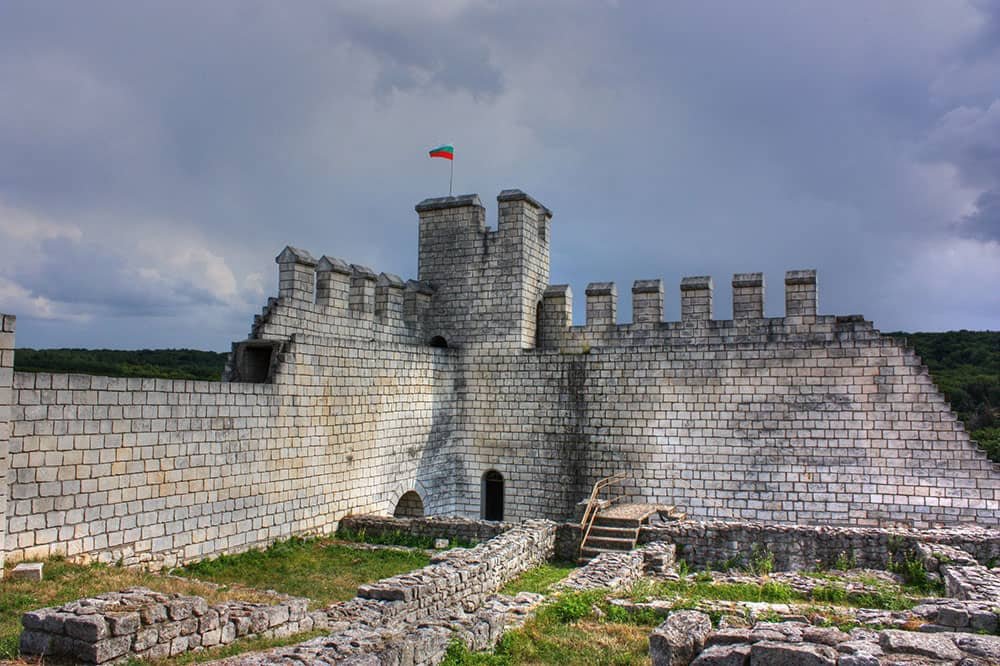
The Shumen Fortress stands proudly atop a hill, commanding breathtaking views of the city below. It is one of the most popular castles in Bulgaria and an important archaeological site that reveals the region’s rich history. As you wander through its ruins, you can’t help but be transported back to when this fortress was a buzzing stronghold. From its strategic position, it served as a military and administrative center, protecting and governing the surrounding lands.
The castle symbolized strength and power during the First Bulgarian Empire, which lasted from 632 to 1018. It was a strategic stronghold protecting the passes leading to the two major Bulgarian cities. The castle played an essential role in the empire’s defense against invading forces and acted as a barrier for would-be conquerors.
As you explore the castle’s interior, you’ll encounter remnants of living quarters, water wells, and even traces of early Christian churches. These discoveries shed light on both the military aspects and daily life within these ancient castle walls. The sheer size of this fortress serves as a reminder of its significance in shaping local history and culture.
Visiting Shumen Fortress is like stepping into a different world altogether—where knights once battled for their kingdoms and fascinating stories await discovery among ancient stones.
Kaliakra Fortress
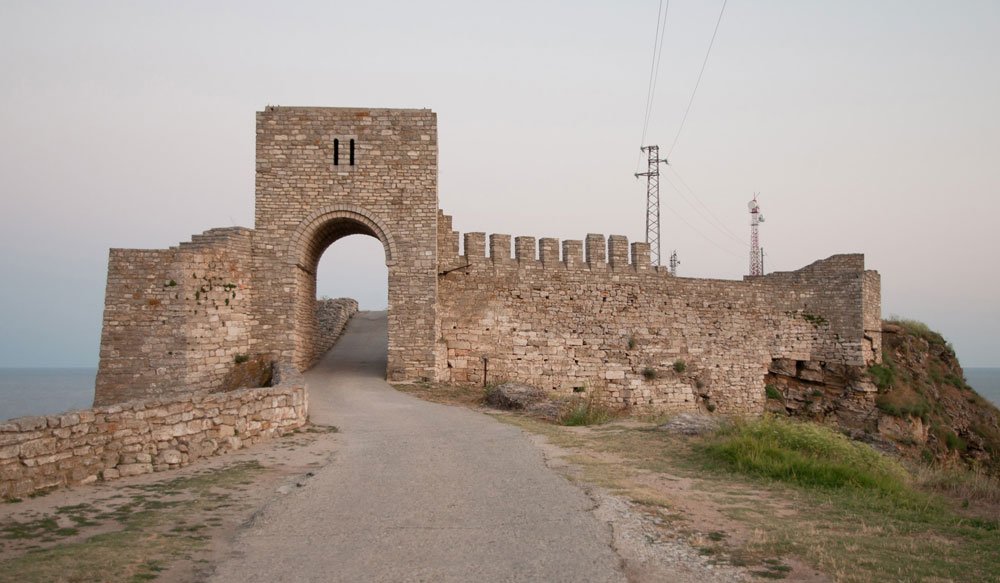
Straddled high on cliffs overlooking the Black Sea coast near Kavarna town lies Kaliakra Fortress, an ancient stronghold shrouded in legends and mystery. This medieval fortress fascinates visitors with its breathtaking views and intriguing stories of battles fought throughout the centuries.
This ancient stronghold dates back to Byzantine times, with its name derived from Byzantine Greek origins. What makes Kaliakra Fortress truly remarkable is its historical significance and its breathtaking natural setting overlooking the Black Sea.
As one of the most popular castles in Bulgaria, Kaliakra Fortress draws visitors from near and far. It offers a captivating blend of architectural grandeur and stunning coastal vistas that leave visitors in awe. Walking through its ancient walls, you can’t help but feel transported back in time, imagining what life must have been like for those who defended this strategic fortress centuries ago.
However, it is not only the history and magnificent views that make Kaliakra Fortress an unforgettable destination; it is also shrouded in legends and mysteries. Folklore tells tales of tragic love stories, haunting spirits roaming the cliffs at nightfall, and hidden treasures waiting to be discovered within these ancient walls. Exploring these intriguing narratives adds a layer of fascination to an already mesmerizing experience at Kaliakra Fortress.
Castle Of Ravadinovo
Perhaps one of Bulgaria’s most enchanting castles is Ravadinovo Castle, located near Sozopol on the Black Sea coast. The Castle of Ravadinovo stands as a testament to timeless beauty and grandeur. This architectural marvel is often hailed as one of the most popular castles in Bulgaria, drawing visitors from far and wide. What sets this castle apart is its unique fusion of various architectural styles, blending elements of Renaissance, Gothic, and Byzantine designs.
As you step inside this enchanting fortress, you are immediately transported back to an era of knights and princesses. The intricate craftsmanship that adorns every corner leaves you mesmerized. From the majestic towers that dominate the skyline to the stunningly detailed interiors filled with historical artifacts, every aspect has been meticulously crafted to offer an immersive experience like no other.
The castle’s expansive gardens provide a serene backdrop for strolls or romantic picnics. Decorated with vibrant flowers and impeccably manicured lawns, they glimpse a world brimming with natural beauty. Whether exploring hidden corners or simply admiring the decorated sculptures scattered throughout, something is genuinely magical about losing oneself within these enchanting grounds.

Fortifications Of Nessebar
Nessebar, a small town on Bulgaria’s Black Sea coast, is renowned for its impressive fortifications, reflecting its rich history and strategic importance. As one of the most popular castles in Bulgaria, Nessebar’s fortifications showcase a unique blend of architectural styles from different periods. From Roman walls to medieval fortress towers, these structures provide fascinating insights into the town’s past.
During the Medieval period, Byzantine influences became apparent in the architecture of Nessebar’s fortifications. The large towers punctuating the walls were built to defend against invading forces and showcase a more imposing design than the earlier Roman walls. As I wandered along these formidable structures, I couldn’t help but be awestruck by their magnitude and historical significance.
The ancient walls are built with stone blocks meticulously placed together, revealing the superior craftsmanship of the Romans. The intricate details and sturdy construction witness Nessebar’s pivotal role in maritime trade routes during ancient times.
While not as famous as other castles and fortresses in the country, Nessebar boasts a rich history and impressive architectural heritage worth exploring. The Ottoman Empire’s capture of the town in 1453 marked the start of its decline, but remnants of its fortifications still stand today. These walls offer a glimpse into the past, transporting visitors back to an era when defending against invasions was crucial.

Asen’s Fortress
One of the most popular castles in Bulgaria, Asen’s Fortress, is a captivating site that transports visitors back in time. Located near Asenovgrad, this medieval stronghold dates back to the 13th century and was strategically built on a steep hill overlooking the surrounding valley. The fortress served as a defensive structure and a symbol of power for various rulers throughout history.
Visiting Asen’s Fortress offers a glimpse into medieval Bulgaria while rewarding visitors with some of the best views in the Rhodope Mountains. The well-preserved walls and towers showcase remarkable architectural features while offering breathtaking panoramic views of the Rhodope Mountains. Exploring its intricate passageways and climbing up its narrow staircases creates an aura of adventure, allowing visitors to envision life within its imposing stone walls.
As you wander through this historical gem, it becomes clear why Asen’s Fortress continues to attract tourists from all over the world. Its rich heritage and story provide insight into Bulgaria’s past, connecting modern-day travelers and ancient civilizations. Whether you are fascinated by history or simply seeking an unforgettable experience, exploring Asen’s Fortress is guaranteed to leave you in awe of its grandeur and historical significance.

Ovech Fortress
Located above the town of Provadia in northeastern Bulgaria, Ovech Fortress is one of the country’s most impressive medieval strongholds. It stands as a testament to the rich history and architectural prowess of the Second Bulgarian Empire. As one of the most popular castles in Bulgaria, it attracts thousands of visitors every year who are eager to immerse themselves in its intriguing past.
The fortress offers a unique glimpse into medieval life through its well-preserved ruins and imposing walls. This medieval stone fortress stands tall on a rocky hill, overlooking the town and offering magnificent panoramic views of the surrounding landscape. Stepping foot within its ancient walls feels like stepping back in time, immersing visitors in a world of rich history and enchanting tales.
You cannot mention Ovech Fortress without mentioning its fabled legends and stories. Among these tales is that of Ivaylo – a peasant turned emperor – who used the fortress as his base during his uprising against Byzantine rule in the 13th century. For history enthusiasts, delving into these narratives adds a layer of fascination to exploring this remarkable site.
The combination of its historical importance, awe-inspiring views, and captivating legends makes Ovech Fortress an unmissable destination for anyone seeking an immersive cultural experience in Bulgaria.
This formidable fortress was crucial as an economic and commercial center until Bulgaria fell under Ottoman rule. The castle’s strategic location on a steep hill made it an almost impregnable stronghold.
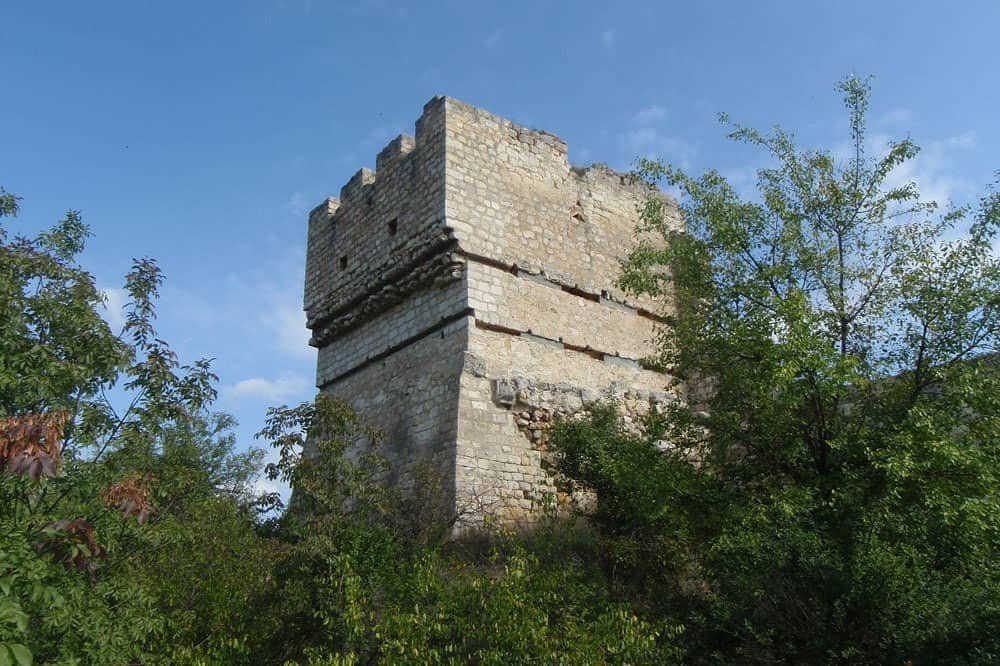
Fortress of Cherven
The Fortress of Cherven may not be as well-known as some other castles in Bulgaria, but it certainly holds its charm and allure. Perched atop a hill overlooking the picturesque landscape, this collection of ruins offers visitors a glimpse into the region’s rich history. Unlike many other popular castles in Bulgaria that have been fully restored, the Fortress of Cherven stands proudly in its semi-ruined state, creating a haunting and mesmerizing atmosphere.
The Fortress of Cherven is a testament to Bulgaria’s rich history and offers visitors a glimpse into the country’s majestic past. This ancient fortress in northeastern Bulgaria has stood for over 2,000 years and served as an important stronghold during various periods of Bulgarian rule.
While tourists often flock to well-renowned castles such as Tsarevets or Belogradchik Fortress, those who venture off the beaten path will be rewarded with an experience unlike any other at the Fortress of Cherven. It may not boast magnificence or luxury, but it exudes a raw authenticity that is rare in today’s world. So next time you find yourself in northeastern Bulgaria, visit this hidden gem and be surrounded by its captivating aura.
When Is the Best Time to Visit Bulgarian Castles?
Bulgaria’s castles and fortresses can be visited throughout the year, but each season offers a unique experience. From blooming spring landscapes to snow-covered medieval walls, choosing the right time to visit depends on what kind of adventure you are looking for.
Spring (March to May)
Spring is one of the best times to explore Bulgarian castles. Temperatures are mild, nature comes alive with colorful wildflowers, and tourist crowds are still relatively small. Historic sites such as Tsarevets Fortress in Veliko Tarnovo, Asen’s Fortress near Asenovgrad, and Belogradchik Fortress are especially beautiful during this season.
The surrounding mountains and valleys become lush and green, creating stunning scenery for sightseeing and photography. Spring is also ideal for hiking to hilltop fortresses such as Ovech Fortress and Kaliakra Fortress, where cooler temperatures make outdoor exploration more comfortable.
Summer (June to August)
Summer is the peak tourist season in Bulgaria. The weather is warm and sunny, making it perfect for visiting coastal sites such as Kaliakra Fortress, the Castle of Ravadinovo, and the fortifications of Nessebar along the Black Sea coast.
Many castles host cultural festivals, historical reenactments, and special evening events during the summer months. Tsarevets Fortress is particularly popular thanks to its famous Sound and Light Show, which brings Bulgaria’s medieval history to life.
However, temperatures can exceed 30°C (86°F), especially in inland regions. If visiting during summer, plan your castle tours early in the morning or later in the afternoon to avoid the hottest part of the day.
Autumn (September to November)
Many travelers consider autumn the perfect season for exploring Bulgaria’s historic landmarks. The weather remains pleasant, while the colorful autumn foliage creates spectacular backdrops for castles and fortresses.
Destinations such as Shumen Fortress, Cherven Fortress, and Belogradchik Fortress become especially picturesque as forests turn shades of gold, orange, and red. Tourist numbers also begin to decrease, allowing for a quieter and more relaxed experience.
September and early October are particularly excellent months for sightseeing, offering a combination of comfortable temperatures, clear skies, and beautiful landscapes.
Winter (December to February)
Winter transforms Bulgaria’s castles into magical scenes straight out of a fairytale. Snow-covered walls and towers create unforgettable views, particularly at Tsarevets Fortress, Baba Vida Fortress, and Asen’s Fortress.
While some outdoor attractions may have reduced opening hours, winter offers a unique opportunity to experience these historic sites without large crowds. Visitors should be prepared for colder temperatures and occasional icy conditions, especially at elevated fortresses.
For photographers and history enthusiasts, winter provides a dramatic and atmospheric perspective of Bulgaria’s medieval heritage.
Photography Tips for Bulgarian Castles
To capture the best photos, visit castles during the golden hours shortly after sunrise or before sunset. The softer light enhances architectural details and creates beautiful shadows across ancient stone walls.
Drone photography is permitted at some locations, but always check local regulations before flying. Wide-angle lenses work well for capturing massive fortresses such as Belogradchik and Tsarevets, while telephoto lenses are useful for highlighting architectural details.
For the most dramatic images, visit Belogradchik Fortress at sunset, Kaliakra Fortress during sunrise over the Black Sea, and Tsarevets Fortress during its evening illumination displays. Regardless of the season, Bulgaria’s castles provide endless opportunities for memorable travel photography.
Travel Tips for Visiting Castles in Bulgaria
Exploring Bulgaria’s castles and fortresses is one of the best ways to experience the country’s rich history, stunning landscapes, and medieval heritage. Whether you plan to visit the famous Tsarevets Fortress or the dramatic Belogradchik Fortress, a little preparation can help you make the most of your trip.
Entrance Fees
Most Bulgarian castles and fortresses charge a modest entrance fee, making them affordable attractions for travelers. Prices typically range between €2 and €8 per person, depending on the site and available exhibits. Some locations offer discounted tickets for students, children, and seniors.
Popular attractions such as Tsarevets Fortress and Baba Vida Fortress may also charge additional fees for museums, special exhibitions, or photography permits. It’s a good idea to carry some cash, especially when visiting smaller historical sites.
Opening Hours
Opening hours vary by season and location. Most castles are open daily, usually between 9:00 AM and 5:00 PM during the winter months and until 6:00 PM or 7:00 PM during summer.
Arriving early in the day is highly recommended, especially during the peak tourist season. Morning visits offer cooler temperatures, fewer crowds, and better lighting for photography. Some sites, such as Tsarevets Fortress, also offer evening light shows during the summer months.
Parking Information
Most major castles and fortresses provide nearby parking areas, although spaces can fill quickly during weekends and holidays. Sites such as Belogradchik Fortress, Tsarevets Fortress, and the Castle of Ravadinovo have dedicated visitor parking facilities within walking distance of the entrance.
When visiting smaller fortresses like Ovech Fortress or Cherven Fortress, parking may be more limited. Arriving early helps secure convenient parking and allows for a more relaxed experience.
Wear Comfortable Walking Shoes
Many Bulgarian castles were built on hills, cliffs, and elevated plateaus for defensive purposes. As a result, visitors should expect uneven terrain, steep staircases, cobblestone paths, and rocky trails.
Comfortable walking shoes or hiking footwear are highly recommended, especially for sites such as Asen’s Fortress, Kaliakra Fortress, Ovech Fortress, and Belogradchik Fortress. During summer, bring water and sun protection, while winter visitors should wear footwear with good traction.
Drone Photography
Bulgaria’s castles offer spectacular aerial photography opportunities, particularly at Belogradchik Fortress, Kaliakra Fortress, and Tsarevets Fortress. However, drone regulations vary by location.
Before flying a drone, always check local rules and restrictions. Some historical sites prohibit drone use entirely, while others may require special permission from local authorities or site management. Respect visitor safety and avoid flying near crowded areas or protected archaeological zones.
Consider a Guided Tour
While many castles can be explored independently, joining a guided tour can significantly enhance your experience. Local guides provide fascinating stories, historical context, legends, and architectural details that visitors might otherwise miss.
Guided tours are particularly valuable at larger sites such as Tsarevets Fortress, Baba Vida Fortress, and Nessebar’s ancient fortifications. Many tours are available in English and can often be booked on-site or through local travel agencies.
With proper planning and a sense of adventure, visiting Bulgaria’s castles can become one of the most memorable highlights of your Balkan journey.
Frequently Asked Questions About Bulgarian Castles
What is the most famous castle in Bulgaria?
The most famous castle in Bulgaria is Tsarevets Fortress in Veliko Tarnovo. Once the capital stronghold of the Second Bulgarian Empire, it is one of the country’s most visited historical landmarks. The fortress is known for its impressive hilltop location, medieval ruins, and spectacular Sound and Light Show.
Which castle in Bulgaria is best preserved?
Baba Vida Fortress in Vidin is widely considered the best-preserved medieval fortress in Bulgaria. Dating back to the 10th century, it remains largely intact and offers visitors a rare opportunity to explore a complete medieval defensive structure with towers, walls, and courtyards.
Are Bulgarian castles family-friendly?
Yes, most Bulgarian castles are excellent destinations for families. Children often enjoy exploring ancient towers, fortress walls, hidden passageways, and open courtyards. Sites such as the Castle of Ravadinovo, Tsarevets Fortress, and Belogradchik Fortress are especially popular with families thanks to their interactive exhibits and scenic surroundings.
Can you visit Bulgarian castles year-round?
Most major castles and fortresses in Bulgaria are open throughout the year. Spring and autumn generally offer the most comfortable weather for sightseeing, while summer provides longer opening hours and cultural events. Winter visits can also be rewarding, as snow-covered fortresses create a unique and picturesque atmosphere.
Which Bulgarian castle has the best views?
Belogradchik Fortress is often considered the castle with the most spectacular views in Bulgaria. Built among the famous Belogradchik Rocks, the fortress offers breathtaking panoramas of dramatic sandstone formations, forests, and valleys. Kaliakra Fortress and Asen’s Fortress are also known for their stunning scenery.
Are guided tours available at Bulgarian castles?
Yes, guided tours are available at many of Bulgaria’s most popular castles and fortresses. Visitors can join organized tours or hire local guides to learn more about the history, architecture, and legends associated with each site. English-language tours are commonly available at major attractions.
What should I wear when visiting Bulgarian castles?
Comfortable walking shoes are highly recommended because many castles are located on hills or rocky terrain. During summer, bring sunscreen, a hat, and water. In colder months, dress in layers and wear appropriate footwear, as some fortress paths can become slippery.
How much time should I plan for each castle visit?
Most castles can be explored in one to three hours, depending on their size and available attractions. Larger sites such as Tsarevets Fortress, Belogradchik Fortress, and Nessebar’s fortifications may require half a day to fully appreciate their historical significance and surrounding scenery.
Explore More Historic Destinations Across the Balkans
If you enjoy exploring medieval fortresses and ancient landmarks in Bulgaria, there are many other fascinating destinations across the Balkans worth adding to your travel bucket list.
Discover the historic towns, mountain monasteries, and archaeological treasures found throughout North Macedonia, where sites such as Ohrid and Samuel’s Fortress reveal centuries of Balkan history.
Travelers interested in coastal fortifications should also explore Montenegro, home to the impressive walls of Kotor and numerous medieval strongholds overlooking the Adriatic Sea.
For even more UNESCO-listed heritage sites, consider visiting Croatia, where ancient city walls, castles, and fortresses can be found from Dubrovnik to Istria.
Nature lovers and history enthusiasts alike will appreciate Slovenia, a country known for its fairytale castles, alpine scenery, and charming historic towns.
Those seeking lesser-known gems should not miss Albania, where ancient fortresses such as Berat Castle and Rozafa Castle offer spectacular views and fascinating stories from the region’s past.
To continue planning your Balkan adventure, explore our guides to Bulgaria, North Macedonia, Montenegro, Croatia, Slovenia, and Albania, where you’ll find destination guides, travel itineraries, cultural insights, and practical travel tips.
Final Thoughts on Bulgaria’s Most Popular Castles
Bulgaria‘s castles and fortresses offer a fascinating journey through centuries of history, culture, and architectural achievement. From the medieval grandeur of Tsarevets Fortress in Veliko Tarnovo to the breathtaking rock formations surrounding Belogradchik Fortress, each site tells a unique story about the people, rulers, and civilizations that shaped the country.
Whether perched atop dramatic cliffs overlooking the Black Sea, hidden among mountain landscapes, or standing proudly above ancient towns, these remarkable landmarks showcase the diversity of Bulgaria’s historical heritage. Visitors can explore well-preserved medieval strongholds like Baba Vida Fortress, discover legendary sites such as Kaliakra Fortress, or wander through atmospheric ruins that have witnessed the rise and fall of empires.
Beyond their historical significance, Bulgaria’s castles provide some of the most spectacular views in the Balkans. Many are surrounded by stunning natural scenery, making them ideal destinations for photographers, history enthusiasts, and travelers seeking unique cultural experiences. From family-friendly attractions and guided tours to scenic hiking opportunities and unforgettable sunsets, there is something for every type of visitor.
If you are planning a trip through the Balkans, Bulgaria’s castles deserve a place on your itinerary. They offer a perfect blend of history, architecture, folklore, and natural beauty that few destinations can match. Combine your castle-hopping adventure with visits to Bulgaria’s charming old towns, mountain regions, and Black Sea coast to gain a deeper appreciation of this remarkable country.
And if you are inspired to continue exploring the region’s rich heritage, be sure to discover more historic destinations across Bulgaria, North Macedonia, Montenegro, Croatia, Slovenia, and Albania. Together, these countries form one of Europe’s most rewarding regions for travelers interested in medieval history, ancient fortifications, and unforgettable cultural experiences.
No matter which fortress you choose to visit first, one thing is certain: Bulgaria’s castles will transport you back in time and leave you with memories that last long after your journey ends.
What's your reaction?