 By
By Why visit Bulgaria? This fascinating Balkan country combines ancient history, dramatic mountains, Black Sea beaches, centuries-old monasteries, traditional villages, lively cities, and distinctive local cuisine.
Set in the heart of the Balkans, Bulgaria combines ancient history, dramatic mountains, Black Sea beaches, centuries-old monasteries, traditional villages, lively cities, and distinctive local cuisine within a relatively compact country.
You can spend the morning walking through Roman ruins in Plovdiv, hike among glacial lakes in the Rila Mountains, explore a medieval fortress in Veliko Tarnovo, or relax beside the Black Sea. Travel deeper into the country and you’ll encounter Thracian tombs, Orthodox monasteries, mountain towns, vineyards, mineral springs, and traditions that remain an important part of everyday Bulgarian life.
Bulgaria also offers something increasingly difficult to find in Europe’s most heavily visited destinations: variety without having to follow the same crowded itinerary as everyone else.
Sofia and Plovdiv provide history, museums, restaurants, and nightlife, while the Rila, Pirin, Rhodope, and Balkan mountains offer endless opportunities for outdoor adventure. Along the eastern edge of the country, historic towns such as Nessebar and Sozopol sit beside long stretches of Black Sea coastline.
Whether you’re interested in history, food, hiking, beaches, culture, road trips, winter sports, or simply discovering somewhere different, there are plenty of reasons Bulgaria deserves a place on your travel list.
Here are the biggest reasons why Bulgaria should be your next travel destination.
Why Visit Bulgaria? 12 Reasons to Make the Trip
Bulgaria is the kind of destination that can appeal to completely different types of travelers. History lovers can explore ancient ruins and medieval fortresses, outdoor enthusiasts can head into the mountains, and summer travelers can spend days along the Black Sea coast.
What makes the country especially interesting is how easily these experiences can be combined. A single trip can include historic cities, traditional food, mountain landscapes, monasteries, archaeological sites, beaches, and small towns without limiting your vacation to just one style of travel.
Here are 12 reasons to visit Bulgaria and why this fascinating Balkan country deserves a place on your next European itinerary.

1. Bulgaria Has Thousands of Years of History
Few destinations in Europe allow you to experience so many different historical periods within one trip.
The lands of modern Bulgaria have been shaped by Thracians, Romans, Byzantines, medieval Bulgarian empires, centuries of Ottoman rule, and the Bulgarian National Revival. Their influence can still be seen in archaeological sites, fortresses, churches, monasteries, historic neighborhoods, and museums across the country.
In Plovdiv, you can walk among Roman remains and visit the remarkably preserved Ancient Theatre before wandering through streets lined with colorful Bulgarian Revival houses.
In Sofia, traces of ancient Serdica survive beneath and alongside the modern capital, while the Rotunda of St. George provides another glimpse into the city’s early history.
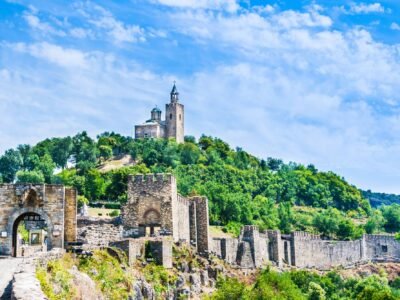
Travel north to Veliko Tarnovo, and the focus shifts to medieval Bulgaria. The imposing Tsarevets Fortress recalls the period when Tarnovo was the political and spiritual center of the Second Bulgarian Empire.
Bulgaria’s history stretches even further back through its remarkable Thracian heritage. Ancient burial sites and treasures discovered around the country reveal a sophisticated civilization that flourished here long before the Bulgarian state was established.
You’ll find important Thracian sites around Kazanlak and the Valley of the Thracian Kings, while the extraordinary Thracian Tomb of Sveshtari lies in northeastern Bulgaria.
What makes this history especially rewarding for travelers is that it isn’t confined to museums.
You encounter it while walking through old towns, climbing fortress walls, visiting monasteries, exploring archaeological ruins, and driving between villages.
If discovering the past is one of the reasons you travel, Bulgaria offers thousands of years of history within a surprisingly compact destination.

Photo by Aleksandra A on Unsplash
2. Bulgaria’s Mountains Are Spectacular
If you’re wondering why visit Bulgaria instead of another European destination, the country’s spectacular mountain scenery is one of the strongest reasons.
The country is crossed by several major mountain ranges, including Rila, Pirin, the Rhodopes, and the Balkan Mountains, each offering a different landscape and outdoor experience.
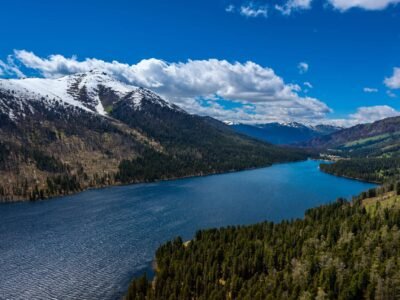
The Rila Mountains are home to Bulgaria’s highest peak, Musala, as well as the famous Seven Rila Lakes. During the warmer months, hiking trails lead through forests, alpine meadows, rocky terrain, and landscapes dotted with glacial lakes.
Farther south, the Pirin Mountains offer some of Bulgaria’s most dramatic high-altitude scenery. Rugged limestone and granite peaks rise above alpine valleys and lakes, with Vihren—the country’s second-highest summit—providing a challenging objective for experienced hikers.
The Rhodope Mountains offer a different atmosphere. Forested hills, traditional villages, caves, reservoirs, and winding mountain roads make this region ideal for travelers who prefer slower exploration and scenic road trips.
Running across the center of the country, the Balkan Mountains are closely connected with Bulgarian history as well as outdoor adventure. Mountain passes, waterfalls, hiking trails, monuments, and historic towns make it easy to combine nature with cultural sightseeing.
More Than Just Hiking
You don’t have to be an experienced mountaineer to enjoy Bulgaria’s mountains.
Depending on the region and season, visitors can enjoy short nature walks, scenic drives, waterfalls, mountain villages, photography, cycling, skiing, spa towns, and panoramic viewpoints.
More ambitious travelers can tackle full-day hikes and high mountain peaks, while others can simply stay in a mountain town and explore the surrounding countryside at a relaxed pace.
The landscapes also change dramatically with the seasons—from green forests and wildflowers during the warmer months to autumn colors and snow-covered peaks later in the year.
For travelers who associate a European vacation primarily with historic cities and beaches, Bulgaria’s mountains may be one of the biggest surprises of the entire trip.

3. Bulgaria Has a Beautiful Black Sea Coast
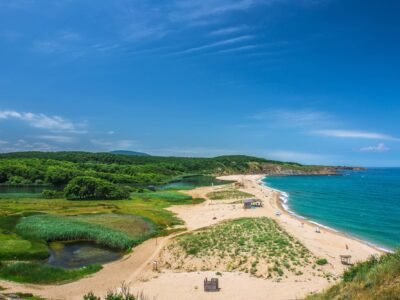
Another reason why visit Bulgaria is the variety offered by its Black Sea coast, especially if you want to combine mountains and historic cities with time beside the sea. Along the country’s eastern edge, the Black Sea coast offers long sandy beaches, historic seaside towns, lively resorts, dramatic cliffs, and coastal nature.
This makes Bulgaria particularly appealing if you want to combine culture and sightseeing with a summer beach vacation without traveling to another country.
The coastline stretches for hundreds of kilometers, with destinations ranging from busy resort areas to quieter beaches and historic towns.
Historic Towns Meet the Sea
One of the highlights is Nessebar, where ancient ruins, medieval churches, traditional houses, and narrow streets occupy a small peninsula extending into the Black Sea. Its historic center is recognized as a UNESCO World Heritage Site and provides a completely different experience from Bulgaria’s modern beach resorts.
Farther south, Sozopol combines beaches with an atmospheric historic quarter filled with traditional architecture, restaurants, galleries, and views across the water.
In northern Bulgaria, Balchik is known for its seaside setting, while nearby Cape Kaliakra offers some of the most dramatic coastal scenery in the country, with high cliffs overlooking the Black Sea.
Beaches, Resorts and Coastal Cities
Travelers looking primarily for a beach vacation have plenty of choices.
Sunny Beach and Golden Sands are among Bulgaria’s best-known resort areas, offering hotels, restaurants, entertainment, nightlife, and easy access to long stretches of sand.
For a more urban coastal experience, Varna and Burgas combine beaches with restaurants, parks, museums, shopping, and convenient access to other destinations along the coast.
There are also smaller seaside towns and quieter beaches for travelers who prefer to stay away from the largest resort areas.
More Than a Beach Vacation
What makes Bulgaria’s coast especially interesting is how easily you can mix beach time with other experiences.
You can spend the morning exploring ancient churches in Nessebar, swim in the Black Sea during the afternoon, and enjoy seafood at a waterfront restaurant in the evening. Another day might include coastal cliffs, archaeological sites, nature reserves, or a drive between smaller seaside towns.
The main beach season falls during the summer months, while late spring and early autumn can be excellent for coastal sightseeing with fewer peak-season visitors.
For travelers who want beaches without giving up history, culture, food, and sightseeing, Bulgaria’s Black Sea coast adds another compelling reason to visit the country.
4. Bulgaria Has Remarkable UNESCO World Heritage Sites
For a relatively compact country, Bulgaria preserves an impressive collection of places recognized for their cultural and natural importance.
Its UNESCO World Heritage Sites range from medieval churches and ancient Thracian tombs to an Orthodox monastery, a historic Black Sea town, and spectacular mountain wilderness.
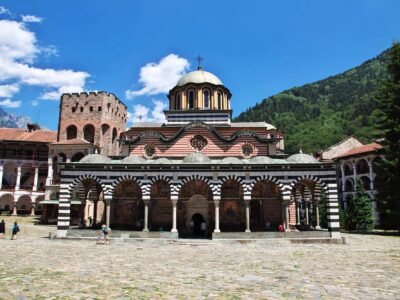
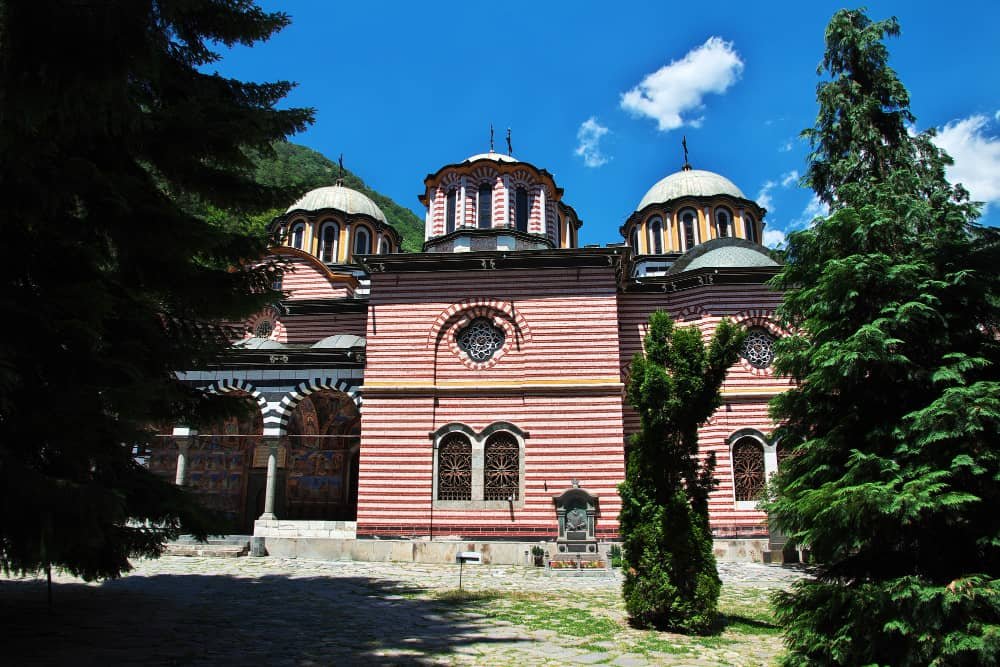
The best-known is Rila Monastery, set among the forested slopes of the Rila Mountains. Founded in the Middle Ages and closely associated with St. Ivan of Rila, the monastery became one of Bulgaria’s most important religious and cultural centers. Its colorful frescoes, distinctive architecture, historic tower, and mountain setting make it one of the country’s essential places to visit.
Near Sofia, Boyana Church is famous for its exceptional medieval frescoes, while the Ancient City of Nessebar preserves thousands of years of history beside the Black Sea.
Bulgaria’s ancient past is represented by the Thracian Tomb of Kazanlak and Thracian Tomb of Sveshtari, two extraordinary archaeological sites that reveal the artistic and architectural achievements of the Thracians.
Other UNESCO-listed cultural landmarks include the Madara Rider, an enormous early medieval rock relief, and the Rock-Hewn Churches of Ivanovo, where churches and monastic spaces were carved into cliffs above the Rusenski Lom River valley.
UNESCO recognition isn’t limited to Bulgaria’s historic monuments.
Pirin National Park protects a dramatic mountain landscape of rugged peaks, forests, alpine meadows, and glacial lakes, making it one of the country’s most important natural destinations.
What makes these sites particularly interesting is their variety. Visiting several during the same trip can take you from medieval Bulgarian art and Orthodox traditions to Thracian archaeology, Black Sea history, and wild mountain landscapes.
If cultural and natural heritage influences where you travel, Bulgaria’s UNESCO World Heritage Sites provide another compelling reason to explore the country.

5. Bulgaria’s Cities Are Full of Character
Bulgaria’s distinctive cities are another answer to the question of why visit Bulgaria, particularly for travelers who enjoy combining history, culture, food, and day trips.
Rather than offering the same experience everywhere, each major city has its own atmosphere, architecture, history, and surrounding attractions.
Sofia, the capital, blends Roman archaeology, Orthodox churches, museums, parks, restaurants, and modern city life beneath Vitosha Mountain. You can explore remains of ancient Serdica, visit Alexander Nevsky Cathedral, walk through the city center, and still be within easy reach of mountain trails and nature.
Plovdiv feels completely different. Roman ruins sit alongside colorful Bulgarian Revival houses, cobblestone streets, galleries, cafés, and the creative Kapana district. The Ancient Theatre is its most recognizable landmark, but much of Plovdiv’s appeal comes from simply wandering through the Old Town.
For medieval history, few places compare with Veliko Tarnovo. Built dramatically across hills above the Yantra River, the former Bulgarian capital is dominated by Tsarevets Fortress and surrounded by historic streets, traditional architecture, viewpoints, and cultural landmarks.
Along the Black Sea, Varna and Burgas combine urban life with beaches and easy access to coastal attractions. They make useful bases for travelers who want restaurants, museums, parks, and nightlife without staying entirely within a beach resort.
Cities That Are Easy to Combine With Other Experiences
One of the advantages of visiting Bulgaria is that its cities can serve as gateways to completely different landscapes.
From Sofia, you can head toward Rila Monastery or the Rila Mountains. Plovdiv provides access to southern Bulgaria and the Rhodope region, while Veliko Tarnovo makes a natural base for exploring historic sites and villages in central Bulgaria.
Varna and Burgas open up different sections of the Black Sea coast.
This means you don’t have to choose between a city break and an outdoor vacation. Bulgaria makes it relatively easy to combine historic neighborhoods, museums, restaurants, mountains, monasteries, beaches, and archaeological sites within the same itinerary.
For travelers who enjoy using cities as a base for exploring a wider region, Bulgaria offers plenty of possibilities.
6. Bulgarian Food Is Worth Traveling For
Food is one of the easiest ways to experience Bulgarian culture, and for many travelers wondering why visit Bulgaria, traditional cuisine provides another compelling answer.
Bulgarian cooking tends to emphasize fresh vegetables, yogurt, cheese, grilled meats, herbs, peppers, beans, and seasonal ingredients. Recipes vary by region, and some of the most memorable meals are often found in traditional restaurants and smaller towns rather than international tourist areas.
One dish you’ll encounter almost everywhere is shopska salad, made with tomatoes, cucumbers, peppers, onions, and a generous layer of grated white brined cheese.
Another Bulgarian favorite is banitsa, a flaky pastry typically prepared with thin sheets of dough, eggs, and cheese. It’s commonly eaten for breakfast but can be enjoyed throughout the day.
During warmer weather, try tarator, a cold soup made with yogurt, cucumber, dill, garlic, and walnuts. Bulgaria’s long tradition of yogurt production is an important part of the country’s food culture, and yogurt appears in numerous traditional dishes.
For something heartier, look for kavarma, a slow-cooked meat dish with regional variations, or grilled favorites such as kebapche and kyufte.
You’ll also frequently encounter lyutenitsa, a flavorful spread commonly made from roasted red peppers and tomatoes and served alongside bread, cheese, or grilled foods.
Wine, Rakia and Regional Specialties
Bulgaria also has a long history of winemaking, with wine regions producing both international varieties and distinctive local grapes.
Depending on where you travel, look for Bulgarian varieties such as Mavrud, Melnik, Rubin, Gamza, and Dimyat.
Another traditional drink is rakia, a strong fruit spirit commonly associated with social gatherings and meals. Different regions and families have their own traditions, with grape and plum among the familiar varieties.
Regional travel opens up even more possibilities. The Rhodopes, Black Sea coast, Thracian Valley, mountain towns, and villages all have foods and specialties worth discovering.
Don’t limit yourself to the dishes you recognize from restaurant menus. Visit markets, bakeries, family-run restaurants, wineries, and traditional mehanas when you have the opportunity.
For travelers who enjoy discovering a country through what people grow, cook, drink, and share around the table, Bulgarian cuisine can easily become one of the highlights of the trip.
7. Bulgaria’s Centuries-Old Monasteries Are Extraordinary
Bulgaria’s monasteries are much more than beautiful religious buildings. Many have played important roles in preserving Bulgarian faith, art, education, language, and cultural identity through centuries of political and social change.
They are also often found in spectacular locations surrounded by mountains and forests, making the journey part of the experience.
Rila Monastery is the country’s most famous example, but it is far from the only monastery worth visiting.
South of Plovdiv, Bachkovo Monastery is one of Bulgaria’s oldest and most important Orthodox monasteries. Its historic churches, religious art, courtyards, and setting near the Rhodope Mountains make it an easy cultural addition to a trip through southern Bulgaria.
In the central Balkan Mountains, Troyan Monastery is another major spiritual and cultural landmark. The monastery is particularly known for its architecture, religious artwork, and connection with Bulgarian history.
Farther southwest, near the distinctive sandstone formations around Melnik, Rozhen Monastery offers a quieter experience. Its location also makes it easy to combine with Melnik, local wineries, and the unusual Melnik Pyramids.
Experience Bulgaria Beyond the Major Landmarks
Part of the appeal of visiting Bulgarian monasteries is that they often take you beyond the country’s biggest cities and most heavily traveled routes.
A monastery visit might lead you through a mountain valley, past a small village, or into a region you otherwise wouldn’t have considered exploring.
Many remain active religious institutions rather than attractions created solely for tourism. Visitors should therefore dress respectfully, observe posted rules, and be considerate when entering churches or photographing religious spaces.
You also don’t need to visit every famous monastery during one trip. Choose one or two that fit naturally into your itinerary and take enough time to appreciate their surroundings as well as their architecture.
For travelers interested in history, Orthodox Christianity, frescoes, traditional architecture, and quieter cultural experiences, Bulgaria’s monasteries provide another compelling reason to venture deeper into the country.
8. Bulgaria’s Thracian Heritage Is Fascinating
Long before the establishment of the Bulgarian state, much of the region was inhabited by the Thracians, an ancient people who left behind remarkable tombs, burial mounds, sanctuaries, artworks, and treasures.
Their legacy is one of the most fascinating—and sometimes overlooked—reasons to explore Bulgaria.
One of the best places to begin is around Kazanlak and the Rose Valley, where numerous Thracian burial mounds have led to the region being called the Valley of the Thracian Kings.
The UNESCO-listed Thracian Tomb of Kazanlak is particularly famous for its exceptionally preserved ancient wall paintings. Nearby archaeological sites reveal even more about the powerful Thracian rulers who once lived in this region.
Among the most impressive discoveries is the Tomb of Seuthes III at Golyama Kosmatka, where archaeologists uncovered remarkable objects associated with the Thracian ruler Seuthes III.
Ancient Treasures Beyond Kazanlak
Thracian heritage isn’t limited to central Bulgaria.
In northeastern Bulgaria, the UNESCO-listed Thracian Tomb of Sveshtari is known for its unusual architecture and sculpted female figures decorating the burial chamber.
Some of Bulgaria’s most extraordinary archaeological discoveries are now preserved in museums.
The famous Panagyurishte Treasure, for example, consists of elaborately crafted gold vessels from the Thracian period and provides a striking glimpse into the artistry and wealth of the ancient world.
Museums in Sofia and elsewhere around Bulgaria display additional Thracian artifacts, allowing travelers to connect objects found during archaeological excavations with the landscapes and historical sites where this civilization once flourished.
Explore Bulgaria’s Ancient Past
What makes Thracian heritage particularly interesting is the sense that archaeological discoveries are scattered throughout the Bulgarian landscape.
Burial mounds rise beside roads and fields, ancient sanctuaries occupy remote locations, and museums preserve extraordinary objects uncovered beneath the soil.
You don’t need to be an archaeology expert to appreciate these places. Visiting even one or two Thracian sites adds an entirely different dimension to a Bulgaria itinerary and reveals a chapter of European history many international travelers know relatively little about.
For anyone fascinated by ancient civilizations, archaeology, mysterious burial sites, and extraordinary gold treasures, Bulgaria’s Thracian heritage alone provides a compelling reason to visit.
9. Traditional Villages Show Another Side of Bulgaria
Some of Bulgaria’s most memorable places aren’t major cities or famous tourist attractions at all.
Across the country, historic villages preserve traditional houses, cobblestone streets, local crafts, regional food, and distinctive architecture, offering travelers a quieter look at Bulgarian culture away from the busiest destinations.
One of the best known is Koprivshtitsa, a colorful historic town surrounded by the Sredna Gora Mountains. Its beautifully preserved Bulgarian National Revival houses now include museums connected with important figures and events in Bulgarian history.
In the Rhodope Mountains, Shiroka Laka is known for its stone houses, narrow streets, mountain setting, and strong connection to Rhodope traditions and folk music.
Farther southwest, Leshten and Kovachevitsa offer another glimpse of traditional mountain architecture. Stone-roofed houses, narrow lanes, and surrounding mountain scenery make this area particularly appealing for photography and slower road trips.
Near Veliko Tarnovo, Arbanasi is an easy addition to a central Bulgaria itinerary. The village is known for its historic houses and churches and can be combined with Tsarevets Fortress and other attractions around the former medieval capital.
Slow Down and Experience Rural Bulgaria
The real appeal of these places isn’t necessarily a long checklist of attractions.
It’s the opportunity to slow down.
Stay in a traditional guesthouse, walk through old streets, try regional dishes, visit a small museum or church, and spend time in landscapes that feel very different from Sofia or Bulgaria’s Black Sea resorts.
Many villages also make excellent stops on road trips because they can be combined with mountains, monasteries, wineries, caves, hiking trails, and historic towns.
You don’t need to visit every famous village in Bulgaria. Choose one that fits naturally into your route and give yourself time to explore without rushing.
For travelers who enjoy traditional architecture, local culture, photography, mountain scenery, and destinations with a slower pace, Bulgaria’s villages reveal a side of the country that’s easy to miss if you only visit the major cities.
10. Bulgaria Is Famous for Mineral Springs and Spa Towns
Bulgaria isn’t only about sightseeing and outdoor adventure. The country is also known for its natural mineral springs and spa towns, providing an entirely different way to experience a Bulgarian vacation.
Mineral water has been used in the region since ancient times, and today you’ll find everything from historic bathhouses and public mineral fountains to modern spa hotels and thermal pools.
One of the best-known destinations is Velingrad, located in the western Rhodope Mountains. The town has numerous mineral springs and a large concentration of spa hotels, making it a popular choice for travelers who want to combine relaxation with mountain scenery.
Hisarya, near Plovdiv, offers an especially interesting combination of mineral springs and history. The town is known for its Roman archaeological remains, including sections of impressive ancient fortifications, alongside modern spa facilities.
Southwestern Bulgaria provides several more options. Sandanski sits near the Pirin Mountains and can easily be incorporated into a trip that includes Melnik and Rozhen Monastery.
In the Rila region, Sapareva Banya is known for its hot mineral water and makes a convenient stop when exploring the surrounding mountains.
The Rhodope town of Devin is another option for travelers looking to combine spa facilities with forests, mountain scenery, caves, and outdoor activities.
Add Some Downtime to Your Bulgaria Itinerary
Bulgaria’s spa towns can be particularly useful when building a longer itinerary.
After several days of walking through cities, visiting archaeological sites, or hiking in the mountains, spending a night or two somewhere with thermal pools and spa facilities can provide a welcome change of pace.
You also don’t need to plan an entire wellness vacation around them. Many spa destinations are located close enough to other attractions that they can simply become another stop along your route.
Facilities, pool access, water temperatures, and services vary considerably between properties, so check exactly what’s included before booking.
Whether you’re planning a dedicated spa break or simply want to add a relaxing day between sightseeing and hiking, Bulgaria’s mineral-spring towns offer another experience that makes the country surprisingly diverse for travelers.

11. Bulgaria Is an Excellent Winter Destination
Bulgaria isn’t only a warm-weather destination. When winter arrives, its mountains transform into popular centers for skiing, snowboarding, snowy landscapes, and mountain getaways.
The country’s three best-known ski destinations are Bansko, Borovets, and Pamporovo, each offering a somewhat different experience.
Bansko, at the foot of the Pirin Mountains, is probably Bulgaria’s most internationally recognized ski destination. Along with access to the slopes, the town has a historic center filled with traditional houses, restaurants, and mehanas, allowing visitors to combine winter sports with Bulgarian food and culture.
Borovets, located in the Rila Mountains, is another major winter destination and is particularly convenient for travelers beginning their trip in Sofia. Surrounded by forests and mountain scenery, it has a long history as a Bulgarian mountain resort.
Farther south, Pamporovo sits among the forests of the Rhodope Mountains. The resort provides another option for skiing and snowboarding while also placing travelers within one of Bulgaria’s most distinctive mountain regions.
More Than Skiing and Snowboarding
You don’t necessarily need to spend every day on the slopes to enjoy Bulgaria during winter.
Snow-covered mountain towns, traditional restaurants, spa hotels, scenic landscapes, and nearby cultural attractions can make a winter trip enjoyable even for travelers who aren’t serious skiers.
Bulgaria’s mineral-spring destinations can also pair particularly well with a winter mountain vacation, allowing you to combine outdoor activities with time at thermal pools or spa facilities.
Sofia and Plovdiv remain interesting cultural destinations during the colder months as well, making it possible to build an itinerary that combines city sightseeing with several days in the mountains.
Conditions, lift operations, and the length of the ski season vary from year to year, so always check current resort information before planning a winter trip.
If you’ve only considered Bulgaria for its summer beaches or historic attractions, its snow-covered mountains and winter resorts provide another reason to experience the country in an entirely different season.
12. Bulgaria Is Perfect for a Road Trip
One of the best ways to experience Bulgaria is to travel beyond a single city or resort.
The country packs an impressive variety of landscapes and attractions into a relatively compact area, making a Bulgaria road trip an excellent way to combine mountains, historic cities, monasteries, villages, archaeological sites, and the Black Sea coast.
A classic journey could begin in Sofia, continue south toward Rila Monastery, and then head east to Plovdiv. From there, you could explore the Rhodope Mountains or travel through the Rose Valley and Kazanlak before continuing toward Veliko Tarnovo.
With more time, extend the trip east to the Black Sea coast, where Nessebar, Burgas, Sozopol, Varna, Balchik, and Cape Kaliakra provide plenty of reasons to slow down for several more days.
But the real advantage of driving through Bulgaria is what you can discover between the major destinations.
Discover Places You Might Otherwise Miss
Having a car makes it easier to stop at small villages, monasteries, mountain viewpoints, wineries, archaeological sites, caves, waterfalls, and traditional restaurants that may be inconvenient to reach on a fixed public transportation schedule.
It also gives you greater flexibility in mountain regions such as the Rhodope Mountains, where some of the most memorable experiences are scattered between smaller towns and villages.
Rather than trying to cover the entire country, choose a region or a logical route and explore it properly.
For example:
Sofia → Rila Monastery → Bansko → Melnik → Plovdiv
is an excellent route through southwestern and southern Bulgaria.
For a longer journey:
Sofia → Rila → Plovdiv → Kazanlak → Veliko Tarnovo → Black Sea Coast
provides a broad introduction to several very different parts of the country.
Take Your Time
Driving distances may look short on a map, but mountain roads, sightseeing stops, and smaller regional routes can make journeys take longer than expected.
That’s not necessarily a disadvantage.
A road trip through Bulgaria is best when you leave room for spontaneous stops instead of racing from one famous attraction to another.
Spend an extra hour in a village. Stop at a roadside viewpoint. Try a local restaurant you hadn’t planned on visiting. Take the scenic route through the mountains when conditions allow.
For travelers who enjoy independent exploration and discovering places beyond the standard tourist trail, a road trip may be one of the best ways to experience Bulgaria.
These 12 experiences help explain why visit Bulgaria belongs on the radar of travelers looking for more than a typical European city break. The next step is deciding which destinations deserve a place on your itinerary.
Best Places to Visit in Bulgaria for First-Time Travelers
If you’re researching why visit Bulgaria for your first European trip to the country, you don’t need to see the entire country to understand what makes it special. A well-planned itinerary can combine a few major destinations with mountains, historic landmarks, traditional food, and smaller stops along the way.
Here are some of the best places to visit in Bulgaria for first-time travelers:
Sofia – Best Starting Point
Bulgaria’s capital is the most practical introduction to the country for many international visitors.
Explore Alexander Nevsky Cathedral, ancient Serdica, the Rotunda of St. George, museums, parks, restaurants, and the city center before using Sofia as a base for nearby attractions.
Plan around two days for the city itself.
Rila Monastery – Best for Bulgarian Culture and Heritage
Surrounded by the Rila Mountains, Rila Monastery is one of Bulgaria’s most important cultural and religious landmarks.
Its colorful frescoes, historic architecture, mountain setting, and centuries of history make it an excellent addition to a first Bulgaria itinerary.
It can be visited from Sofia or incorporated into a longer journey through southwestern Bulgaria.
Plovdiv – Best for Ancient History and Old Town Atmosphere
If you only have time for one Bulgarian city outside Sofia, Plovdiv should be high on the list.
Explore its Roman theatre and archaeological remains before wandering through the cobblestone streets and colorful Revival-era houses of the Old Town.
Stay at least one night, although two days allows you to experience the city at a much more relaxed pace.
Seven Rila Lakes – Best for Mountain Scenery
During the warmer months, the Seven Rila Lakes provide one of Bulgaria’s most memorable mountain experiences.
The glacial lakes, surrounding peaks, and panoramic hiking routes make the area particularly rewarding for travelers who want to add nature and outdoor adventure to a cultural itinerary.
Veliko Tarnovo – Best for Medieval Bulgaria
The former medieval capital offers a completely different experience from Sofia and Plovdiv.
Explore Tsarevets Fortress, walk through the historic streets of Veliko Tarnovo, and enjoy views across the hills and Yantra River.
One or two days works well for most first-time visitors.
Nessebar – Best for History by the Sea
If your trip includes the Black Sea coast, Nessebar is one of the easiest destinations to recommend.
Its UNESCO-listed historic center combines ancient remains, medieval churches, traditional architecture, narrow streets, and beautiful coastal views.
During summer, you can easily combine sightseeing here with several days at nearby beaches.
Pirin and Bansko – Best for Outdoor Adventure
Travelers who want more time in the mountains should consider Pirin National Park and Bansko.
Bansko provides a convenient base for exploring the Pirin Mountains during the warmer months and transforms into one of Bulgaria’s major ski destinations during winter.
Which Places Should You Choose?
For a 7-day first trip, a combination such as:
Sofia → Rila Monastery → Plovdiv → Veliko Tarnovo
provides an excellent introduction without trying to cover too much ground.
With 10 to 14 days, add the Rila or Pirin Mountains, Rose Valley, traditional villages, or several days along the Black Sea coast.
For even more ideas, explore our guide to the Top Attractions in Bulgaria, where we cover the country’s must-see historical landmarks, natural wonders, cities, and archaeological sites in greater detail.
The goal shouldn’t be to see as many places as possible. Choose a few regions that work naturally together and leave enough time to experience the Bulgaria between the major attractions.
Best Time to Visit Bulgaria
Bulgaria can be visited throughout the year, but the best time to visit Bulgaria depends on what you want to do.
Spring: April to May
Spring is excellent for city sightseeing, monasteries, historic sites, and road trips. Temperatures become increasingly pleasant, landscapes turn green, and popular attractions are generally less crowded than during summer.
Late spring is also an especially interesting time to visit the Rose Valley around Kazanlak, when the region’s famous roses typically bloom.
Summer: June to August
Summer is best for travelers who want to combine mountain hiking with the Black Sea coast.
The Seven Rila Lakes, Pirin Mountains, and other high-altitude areas become more accessible for hiking, while seaside destinations such as Nessebar, Sozopol, Varna, and Burgas enter their main vacation season.
July and August can be hot and busy, particularly along the coast.
Autumn: September to October
September is one of the best all-around months for visiting Bulgaria.
The weather is often comfortable for sightseeing, road trips, hiking, and outdoor activities, while the largest summer crowds begin to disappear.
Later in autumn, changing foliage also creates beautiful scenery across Bulgaria’s mountain and forest regions.
Winter: December to March
Winter is the season for skiing and snowboarding in destinations such as Bansko, Borovets, and Pamporovo.
Sofia and Plovdiv can also work well for winter city breaks, particularly if you want to combine museums, restaurants, historic attractions, and several days in the mountains.
Best Time to Visit Bulgaria by Travel Style
- Cities and sightseeing: May, June, September, early October
- Hiking and mountains: June through September
- Black Sea beaches: June through early September
- Rose Valley: Late May to early June, depending on the year’s bloom
- Road trips: May, June, September, early October
- Skiing and snowboarding: Winter, depending on snow and resort conditions
- Fewer peak-season crowds: Spring and autumn
For travelers who want to experience cities, mountains, culture, and outdoor attractions during the same vacation, June and September are particularly strong choices.
How Many Days Do You Need in Bulgaria?
How long you need in Bulgaria depends on whether you’re planning a quick city break or want to experience several regions.
For most first-time visitors, 7 to 10 days provides a good balance. That’s enough time to see several major destinations without spending the entire trip moving between hotels.
3–4 Days: A Short Bulgaria Trip
With only a few days, concentrate on Sofia and one nearby destination.
Spend two days exploring the capital, then use another day for Rila Monastery or a mountain excursion.
Alternatively, base yourself in Plovdiv and explore the city along with nearby attractions in southern Bulgaria.
Don’t attempt to cover Sofia, Plovdiv, Veliko Tarnovo, and the Black Sea in a long weekend. You’ll spend too much of the trip traveling.
7 Days: A Great First Introduction
A week is enough to experience several different sides of Bulgaria.
A classic first-time route could be:
Sofia → Rila Monastery → Plovdiv → Veliko Tarnovo
This combines the capital with Orthodox heritage, Roman history, Bulgarian Revival architecture, and one of the country’s most important medieval destinations.
During summer, nature lovers could replace Veliko Tarnovo with additional time in the Rila or Pirin Mountains.
10 Days: Cities, Mountains and Culture
Ten days gives you considerably more flexibility.
You could combine Sofia, Rila, Bansko or Pirin, Plovdiv, the Rose Valley, and Veliko Tarnovo without having to rush through every destination.
Another option is to travel east after Plovdiv or Veliko Tarnovo and finish with several days beside the Black Sea.
This is an excellent amount of time if you want Bulgaria to feel like a proper road trip rather than a series of quick sightseeing stops.
Two Weeks: Experience Several Regions
With around 14 days, you can explore Bulgaria at a much more relaxed pace.
A longer itinerary can combine historic cities, monasteries, mountains, traditional villages, archaeological sites, wineries, spa towns, and the Black Sea coast.
Two weeks also gives you more freedom to include destinations that aren’t directly on the standard tourist route.
Rather than trying to visit every famous attraction, choose three or four main bases and explore the surrounding regions from each one.
Bulgaria rewards travelers who leave some flexibility in their itinerary. Give yourself time for the smaller towns, mountain roads, local restaurants, viewpoints, and unexpected stops between the places you originally came to see.
Is Bulgaria Expensive to Visit?
Compared with many popular destinations in Western and Southern Europe, Bulgaria can offer good value for travelers, although costs vary considerably depending on where you go, when you visit, and how you travel.
Sofia, major Black Sea resorts, and popular ski destinations can be more expensive than smaller cities and rural areas, particularly during their busiest seasons. Travel outside peak periods or beyond the main tourist centers, and your budget can often stretch considerably further.
Accommodation for Different Budgets
Bulgaria offers everything from hostels and family-run guesthouses to boutique hotels, mountain lodges, apartments, spa resorts, and luxury properties.
Traditional guesthouses can be particularly appealing in smaller towns and mountain regions because they provide accommodation while giving travelers a more local experience.
Along the Black Sea and in ski destinations such as Bansko, prices can fluctuate significantly between peak and off-season periods.
Eating Out in Bulgaria
Food can also be one of the pleasures of traveling around Bulgaria without limiting yourself entirely to expensive restaurants.
Traditional mehanas, bakeries, markets, neighborhood restaurants, and smaller family-run establishments are excellent places to experience Bulgarian cuisine.
Local dishes such as banitsa, shopska salad, soups, grilled meats, and regional specialties can make eating part of the cultural experience rather than simply another travel expense.
Spend Where It Matters to You
Bulgaria works well for different travel styles.
Budget-conscious travelers can use public transportation, stay in guesthouses, and concentrate on free or inexpensive outdoor and cultural experiences.
Travelers looking for more comfort can choose boutique hotels, spa resorts, private tours, wineries, ski vacations, and upscale seaside properties.
The advantage is having choices.
Rather than thinking of Bulgaria simply as a “cheap destination,” it’s better to view it as a country where travelers can often get strong value while still enjoying memorable food, accommodation, cultural attractions, and outdoor experiences.
That combination of variety and value is another reason Bulgaria can be such an appealing alternative to some of Europe’s more heavily visited destinations.
Getting Around Bulgaria
Getting around Bulgaria is relatively straightforward, but the best transportation option depends on your itinerary.
If you’re mainly visiting Sofia, Plovdiv, Veliko Tarnovo, Varna, or Burgas, you can travel without renting a car. If you want to explore mountain regions, villages, monasteries, archaeological sites, and smaller destinations, having your own vehicle provides considerably more flexibility.
Traveling by Car
A rental car is one of the best options for a Bulgaria road trip, particularly if you want to explore beyond the major cities.
Driving makes it easier to reach places such as Rila Monastery, mountain villages, wineries, caves, waterfalls, archaeological sites, and scenic areas where public transportation may be limited or require multiple connections.
A car is especially useful for exploring regions such as the Rhodope Mountains, Pirin, the Rose Valley, and smaller communities along the Black Sea coast.
Mountain roads can be slower and more winding than distances on a map suggest, so don’t build an itinerary around driving times alone.
Traveling by Bus
Buses connect many Bulgarian cities and towns and can be a practical option for travelers who don’t want to drive.
Major routes between destinations such as Sofia, Plovdiv, Veliko Tarnovo, Varna, Burgas, and other regional centers generally provide useful connections.
Schedules and departure points can vary, so confirm current information before traveling rather than relying on an old timetable.
Traveling by Train
Bulgaria’s railway network connects Sofia with many cities and regions around the country.
Train travel can be an enjoyable option if you’re not in a hurry and want to see more of the countryside along the way.
However, trains aren’t necessarily the fastest choice for every route, and some attractions still require additional local transportation after reaching the nearest station.
Getting Around Sofia and Other Cities
Within Sofia, metro, trams, buses, and trolleybuses make it possible to explore most major areas without a car.
Central Plovdiv and Veliko Tarnovo are highly walkable once you reach their historic areas, while Varna and Burgas also have local public transportation.
For taxis, use established services or reputable booking methods and check how fares are calculated before beginning your journey.
Do You Need a Rental Car in Bulgaria?
No—not for every trip.
If your itinerary consists primarily of major cities, public transportation may be perfectly adequate.
But if your goal is to discover the Bulgaria we’ve described throughout this guide—the mountain villages, monasteries, scenic roads, archaeological sites, wineries, waterfalls, and lesser-known places between the major destinations—a car can make the trip considerably easier.
For many travelers, the best approach is a combination: explore Sofia without a vehicle, then rent a car when you’re ready to begin the road-trip portion of your Bulgaria adventure.
Frequently Asked Questions About Visiting Bulgaria
Is Bulgaria worth visiting?
Yes. If you’re asking why visit Bulgaria, the combination of history, mountains, traditional food, monasteries, archaeological sites, beaches, and relatively easy access between very different regions provides plenty of reasons.
Is Bulgaria safe for tourists?
Bulgaria is generally a straightforward destination for tourists, but travelers should use the same common-sense precautions they would elsewhere in Europe.
Keep an eye on valuables in crowded areas, use reputable transportation services, pay attention to local road conditions, and check current travel information before your trip.
What is the best month to visit Bulgaria?
For a trip combining sightseeing and outdoor activities, June and September are particularly good choices.
July and August are popular for Black Sea vacations and mountain hiking, while May and early October can be excellent for cities, road trips, monasteries, and historical attractions.
Winter is best if skiing and snow sports are your priority.
How many days do you need in Bulgaria?
For most first-time visitors, 7 to 10 days is a good amount of time.
A week allows you to combine destinations such as Sofia, Rila Monastery, Plovdiv, and Veliko Tarnovo. With 10 days or two weeks, you can add mountain regions, traditional villages, archaeological sites, or the Black Sea coast.
Is English widely spoken in Bulgaria?
English is commonly encountered in major cities, hotels, restaurants, tourist attractions, and popular resorts, particularly among people working in tourism and younger Bulgarians.
In smaller towns and rural areas, English may be less widely spoken.
Learning a few basic Bulgarian words and having a translation app available can be helpful when traveling beyond the main tourist destinations.
What currency does Bulgaria use?
Bulgaria adopted the euro (€) on January 1, 2026, replacing the Bulgarian lev.
Cards are widely useful in cities, hotels, larger restaurants, and many tourist businesses, but carrying some cash can still be helpful for smaller establishments, markets, rural areas, and certain local services.
Do you need a car to travel around Bulgaria?
No. Major cities are connected by buses and trains, and Sofia has an extensive public transportation system.
However, renting a car provides much more flexibility if you want to explore mountain villages, monasteries, rural areas, archaeological sites, wineries, waterfalls, and less accessible natural attractions.
Does Bulgaria have good beaches?
Yes. Bulgaria has a long Black Sea coastline with sandy beaches, historic seaside towns, modern resorts, and quieter coastal areas.
Nessebar and Sozopol are excellent choices for combining history with the sea, while destinations around Varna, Burgas, Golden Sands, and other parts of the coast offer a wide variety of beach experiences.
What should first-time visitors see in Bulgaria?
A first trip could begin with Sofia, Rila Monastery, and Plovdiv, which provide an excellent introduction to Bulgarian history, architecture, culture, and food.
With more time, add Veliko Tarnovo, the Seven Rila Lakes, Pirin, the Rose Valley, or the Black Sea coast depending on your interests and the season.
What is Bulgaria best known for?
Internationally, Bulgaria is known for its Black Sea beaches, mountains, Orthodox monasteries, rose production, yogurt, wine, archaeological heritage, traditional cuisine, and historic cities.
But one of the pleasures of visiting is discovering how much lies beyond those familiar associations—from Thracian tombs and Roman ruins to traditional villages, mineral springs, mountain trails, and regional food traditions.
More Bulgaria Travel Guides
If Bulgaria sounds like the right destination for your next trip, there’s much more to explore beyond this introduction. From UNESCO landmarks and medieval fortresses to mountain trails, monasteries, waterfalls, and Black Sea towns, every region offers something different.
Continue planning your trip with these Discover Balkania guides:
- Top Attractions in Bulgaria – Discover Rila Monastery, the Seven Rila Lakes, Plovdiv, Nessebar, Pirin National Park, Tsarevets Fortress, Belogradchik Rocks, and other must-see places.
- UNESCO World Heritage Sites in Bulgaria – Explore Bulgaria’s internationally recognized cultural and natural treasures, including ancient tombs, medieval churches, monasteries, and mountain landscapes.
- Best Monasteries to Visit in Bulgaria – Visit Rila, Bachkovo, Troyan, Rozhen, and other historic Orthodox monasteries around the country.
- Best Historical Places in Bulgaria – Discover Roman ruins, Thracian archaeological sites, medieval fortresses, historic towns, and landmarks connected with Bulgaria’s past.
- Most Beautiful Cities in Bulgaria – Explore Sofia, Plovdiv, Veliko Tarnovo, and other Bulgarian cities worth adding to your itinerary.
- Best Mountains in Bulgaria – Plan outdoor adventures through Rila, Pirin, the Rhodopes, and the Balkan Mountains.
- Best Waterfalls in Bulgaria – Find spectacular waterfalls hidden among Bulgaria’s mountains, forests, and protected natural areas.
- Bulgaria Black Sea Travel Guides – Discover beaches, historic seaside towns, coastal cities, resorts, and natural attractions along Bulgaria’s eastern coast.
- Bulgaria Travel Guides – Browse more itineraries, destinations, travel tips, and ideas for exploring Bulgaria.
Whether you’re planning a weekend in Sofia, a mountain road trip, a cultural journey through historic Bulgaria, or a summer vacation beside the Black Sea, these guides can help you build an itinerary around the parts of the country that interest you most.
Is Bulgaria Your Next Travel Destination?
Bulgaria is the kind of country that can surprise you, especially if your idea of a European vacation usually centers on the continent’s most famous destinations.
Within one trip, you can walk among Roman ruins in Plovdiv, explore medieval history in Veliko Tarnovo, visit Rila Monastery, hike through spectacular mountain landscapes, discover traditional villages, and relax beside the Black Sea.
But Bulgaria’s appeal goes beyond its famous landmarks.
It’s found in the smell of freshly baked banitsa in the morning, a meal at a traditional mehana, a winding road through the Rhodope Mountains, a quiet monastery courtyard, or an unexpected viewpoint discovered between destinations.
The country also works for many different styles of travel. You can plan a cultural city break, a summer beach vacation, a mountain hiking adventure, a winter ski trip, a spa getaway, or a longer road trip combining several regions.
And you don’t need to experience everything on your first visit.
Choose a few places that genuinely interest you and leave enough time to explore beyond the major attractions. Bulgaria becomes particularly rewarding when you slow down and experience the food, landscapes, traditions, villages, and everyday life between the famous landmarks.
If you’re still wondering why visit Bulgaria, the answer lies in its remarkable combination of history, nature, beaches, food, archaeology, mountains, monasteries, traditional culture, and opportunities to explore somewhere different.
Your first trip may simply leave you wondering which part of Bulgaria you’ll explore next.
What's your reaction?