 By
By 7 Reasons to Visit Romania
Romania doesn’t always get the attention of Europe’s biggest destinations, and that’s part of what makes traveling here so interesting. Medieval towns, dramatic castles, traditional villages, wild mountain landscapes, and one of Europe’s most remarkable wetlands can all be part of the same trip.
There are plenty of reasons to visit Romania, whether you’re interested in exploring the cobblestone streets of Transylvania, hiking through the Carpathian Mountains, discovering centuries-old churches and fortresses, or simply enjoying traditional Romanian food in a small local restaurant.
The country’s variety is one of its greatest strengths. You can spend the morning wandering through a medieval old town, drive through spectacular mountain scenery in the afternoon, and end the day in a village where traditional architecture and customs remain part of everyday life.
Romania can also surprise travelers who know the country mainly through the legend of Dracula. Bran Castle may be one of its most recognizable attractions, but Romania has much more to discover beyond the famous stories associated with Transylvania.
From Brașov and Sibiu to Maramureș, the Carpathians, Bucharest, and the Danube Delta, Romania offers enough variety for everything from a long weekend to an extended road trip.
If you’re wondering whether Romania is worth visiting, these seven reasons may convince you to start planning your trip.
Romania at a Glance
Romania offers far more variety than many first-time visitors expect. From medieval Transylvanian towns and Carpathian mountain scenery to the wetlands of the Danube Delta, the country can appeal to history lovers, outdoor adventurers, food travelers, and anyone looking to explore a different side of Europe.
| Romania Travel Highlight | What to Expect |
|---|---|
| Medieval towns | Explore historic centers such as Brașov, Sibiu, and Sighișoara |
| Castles and fortresses | Visit Bran Castle, Peleș Castle, Corvin Castle, and historic citadels |
| Carpathian Mountains | Discover hiking trails, dramatic scenery, forests, and wildlife |
| Danube Delta | Experience wetlands, waterways, birdlife, and boat excursions |
| Traditional villages | Explore rural areas where historic architecture and customs remain visible |
| Romanian food | Try regional dishes, pastries, local cheeses, and traditional specialties |
| Bucharest | Discover museums, historic neighborhoods, nightlife, and contrasting architectural styles |
What makes Romania particularly interesting is how easily these experiences can be combined. A single trip can include historic cities, mountain landscapes, castles, traditional villages, and local cuisine without requiring you to travel between different countries.
The following seven reasons to visit Romania show why this diverse Balkan destination deserves a place on your European travel itinerary.
7 Reasons to Visit Romania
Romania stands out for the sheer variety of experiences packed into one country. Historic cities, medieval castles, mountain wilderness, traditional villages, remarkable wildlife, and distinctive regional food can all become part of the same trip.
The best reasons to visit Romania go well beyond the famous Dracula legends associated with Transylvania. Whether you’re interested in history, outdoor adventures, local culture, or simply discovering a European destination that feels different from the usual tourist circuit, Romania has plenty to offer.
Here are seven reasons why Romania deserves a place on your travel list.
1. Explore Romania’s Medieval Towns and Historic Cities
One of the best reasons to visit Romania is the opportunity to explore remarkably atmospheric historic towns where cobblestone streets, fortified walls, colorful buildings, and centuries-old churches remain part of the landscape.
Nowhere is this more apparent than Transylvania, where cities such as Brașov, Sibiu, and Sighișoara combine medieval heritage with lively cafés, restaurants, museums, and public squares.
Brașov
Surrounded by the Carpathian Mountains, Brașov is one of the most appealing cities to include on a first trip to Romania.
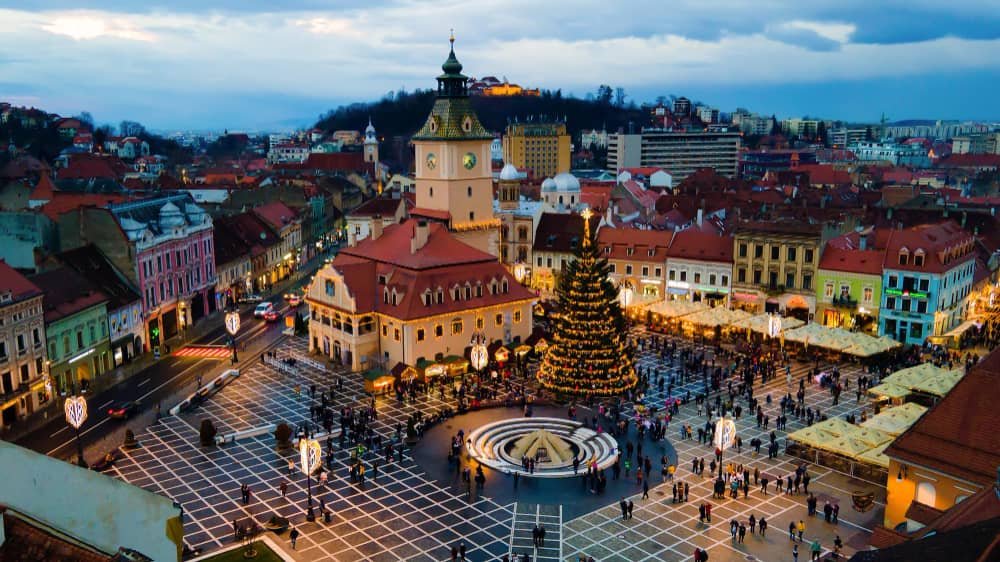
Its historic center is easy to explore on foot, with colorful buildings lining Council Square (Piața Sfatului) and narrow streets leading toward some of the city’s best-known landmarks.
The imposing Black Church dominates part of the old town, while remnants of Brașov’s medieval fortifications provide another glimpse into the city’s past.
For a panoramic view, head toward Tâmpa Mountain, which rises directly above the city. Brașov also makes an excellent base for exploring other attractions throughout Transylvania.
Sibiu
Sibiu offers a different atmosphere but is equally rewarding.
The historic center is known for its large public squares, pastel-colored buildings, narrow passageways, towers, and distinctive rooftops that appear to have small eyes watching the streets below.
Spend some time exploring Piața Mare, walk across the Bridge of Lies, and wander beyond the main square into the quieter streets surrounding the historic center.
Sibiu is the kind of place where you don’t necessarily need a packed sightseeing schedule. Much of the experience comes from simply walking, stopping at cafés, and appreciating the architecture.
Sighișoara
For an even stronger sense of medieval Romania, visit Sighișoara.
Its UNESCO-listed historic center rises above the surrounding town and is filled with colorful houses, cobbled lanes, towers, churches, and defensive structures.
The Clock Tower is one of Sighișoara’s most recognizable landmarks, while wandering through the citadel provides plenty of opportunities to discover smaller architectural details away from the main attractions.
Sighișoara is also associated with Vlad III, commonly known as Vlad the Impaler, the historical figure who later became connected with the Dracula legend.
But the city deserves to be visited for much more than that association. Its preserved historic character makes it one of Romania’s most memorable places to explore on foot.
Make the Towns Part of a Transylvania Road Trip
Brașov, Sibiu, and Sighișoara work particularly well together as part of a longer journey through Transylvania.
Rather than rushing through each destination as a quick stop, stay long enough to experience the towns after day-trippers leave. Evening walks through the old centers can feel completely different once the busiest sightseeing hours are over.
You can then combine the towns with castles, fortified churches, mountain scenery, and traditional villages elsewhere in the region.
For travelers who enjoy European history and atmospheric old towns, Transylvania alone provides a compelling reason to visit Romania.
2. Discover Spectacular Castles and Fortresses
Romania’s castles and fortresses are another compelling reason to visit the country. Gothic towers, royal residences, medieval strongholds, and fortified citadels reveal very different chapters of Romanian and regional history.
While Bran Castle receives most of the international attention because of its association with the Dracula legend, it is only one of several remarkable castles worth adding to your itinerary.
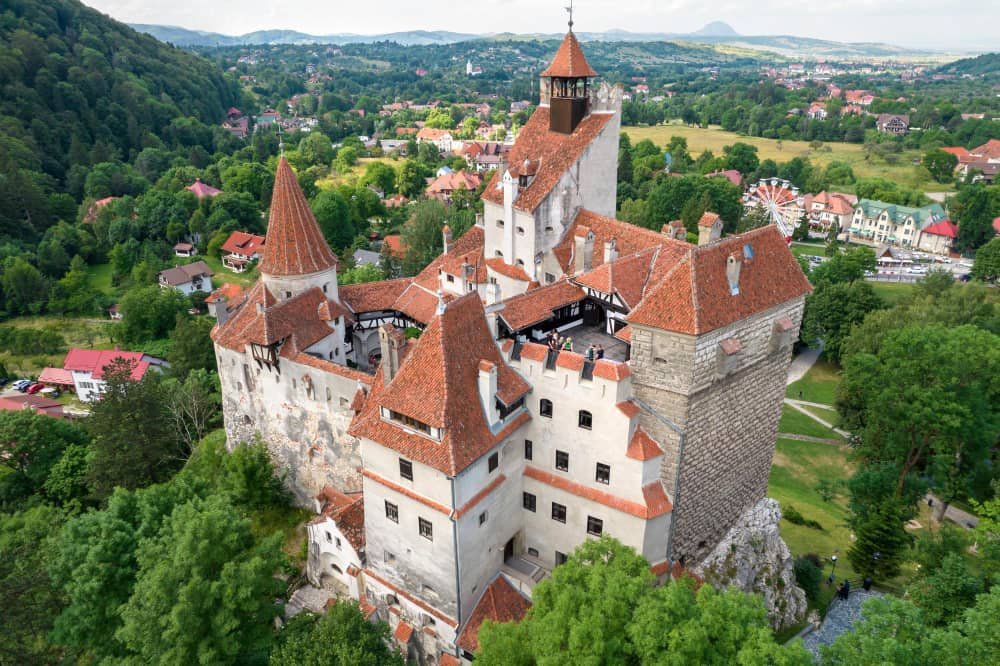
Bran Castle
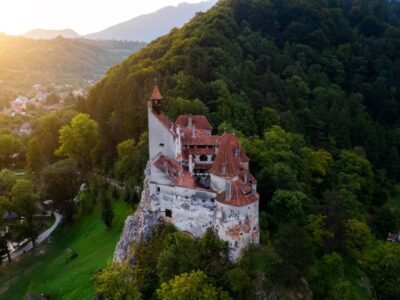
Perched dramatically above the surrounding landscape near Brașov, Bran Castle is one of Romania’s most recognizable landmarks.
Its towers, narrow staircases, interior rooms, and hilltop setting create exactly the kind of atmosphere many travelers imagine when they think of Transylvania.
The castle is heavily promoted through its connection with Dracula, but visitors should distinguish between the fictional character created by Bram Stoker and the much more complicated history of the castle itself.
Rather than visiting only for the legend, take time to explore Bran’s architecture, historical exhibits, and setting in the Transylvanian countryside.
Because Bran Castle is extremely popular, visiting earlier in the day can make the experience more enjoyable during busy travel periods.
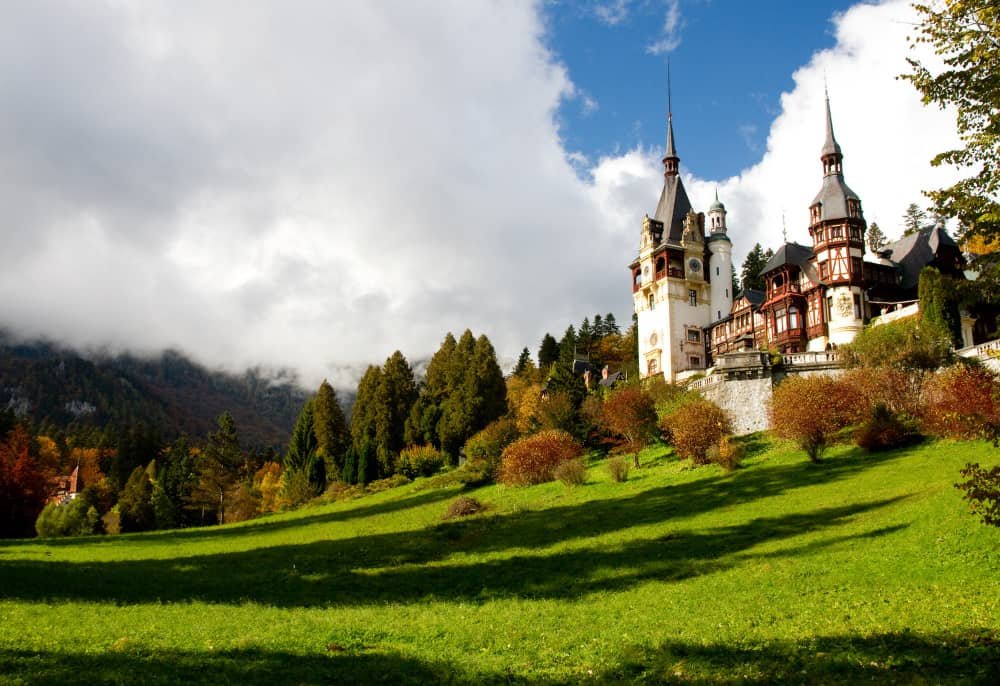
Peleș Castle
If Bran provides medieval atmosphere, Peleș Castle offers something completely different.
Located in the mountain resort town of Sinaia, Peleș was built as a royal residence and is known for its elaborate architecture, richly decorated interiors, woodwork, artwork, and picturesque setting near the Carpathian Mountains.
The exterior alone makes it worth seeing, but touring the interior provides a much better sense of the craftsmanship and detail that went into the residence.
Its location also makes Peleș Castle relatively easy to combine with a journey between Bucharest and Brașov.
Corvin Castle
Corvin Castle, also known as Hunyadi Castle, is one of Romania’s most dramatic medieval landmarks.
Located in Hunedoara, the castle immediately stands out for its towers, stone walls, courtyards, and long bridge leading toward the entrance.
Its imposing appearance makes it feel considerably different from the elegance of Peleș Castle and the tourism-focused atmosphere surrounding Bran.
If you’re creating a longer road trip through Transylvania, Corvin Castle is well worth considering despite being farther from the most common Bucharest–Brașov route.
Look Beyond the Famous Three
Romania’s historic defenses extend far beyond its best-known castles.
Throughout Transylvania and other regions, travelers can discover fortified churches, citadels, defensive walls, towers, and ruined fortresses that tell a broader story of communities protecting important trade routes and settlements over centuries.
Some are major attractions, while others may become unexpected discoveries during a road trip.
This variety is what makes exploring Romania’s castles so rewarding. Instead of seeing several versions of the same attraction, you can experience royal elegance at Peleș, medieval drama at Corvin, Transylvanian legends at Bran, and historic fortifications throughout the surrounding countryside.
3. Experience the Carpathian Mountains and Wild Nature
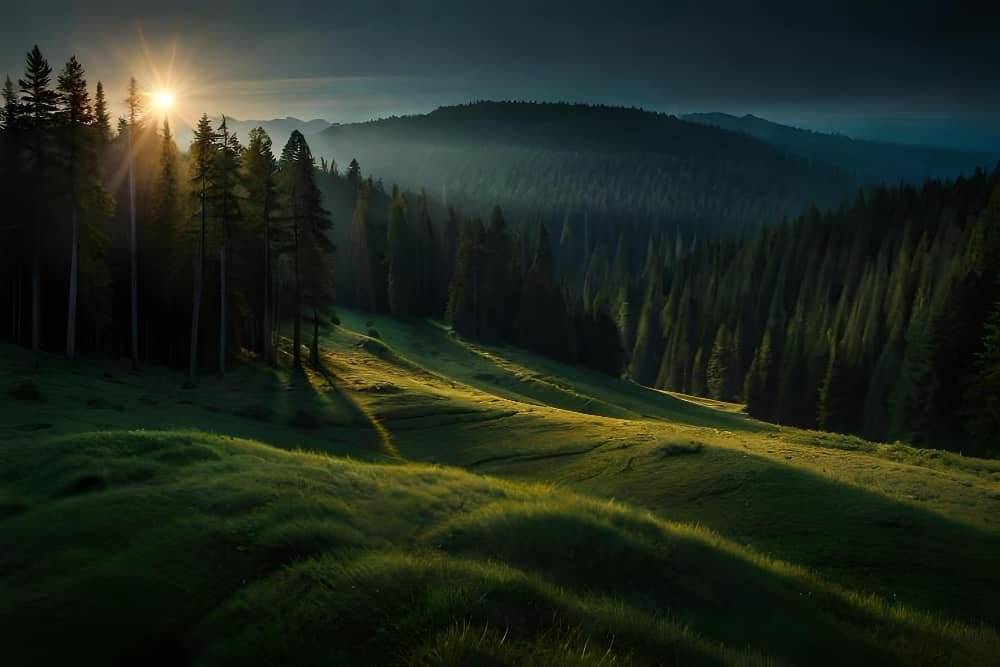
Romania isn’t only about castles and medieval towns. Much of the country is shaped by the Carpathian Mountains, creating a landscape of forested valleys, alpine peaks, mountain villages, dramatic roads, and protected natural areas.
For travelers who enjoy hiking, wildlife, photography, or scenic road trips, Romania’s mountains are easily one of the best reasons to visit.
Hike Through Romania’s National Parks
Romania has numerous protected areas where travelers can experience the Carpathians away from the country’s cities and major tourist attractions.
Piatra Craiului National Park is particularly impressive, with its distinctive limestone ridge, forests, mountain meadows, and hiking trails. Its location also makes it a natural addition to a trip through the Brașov region.
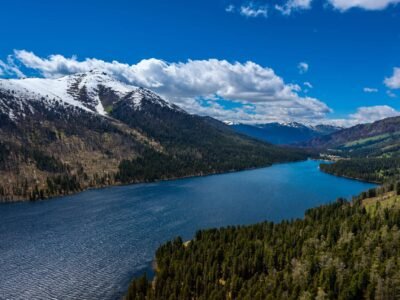
Farther west, Retezat National Park offers rugged mountain scenery, glacial lakes, alpine landscapes, and extensive hiking opportunities.
You don’t need to tackle the most challenging trails to appreciate Romania’s mountains. Shorter walks, viewpoints, and easier routes can provide spectacular scenery without requiring a full-day mountain expedition.
Drive Romania’s Famous Mountain Roads
Some of Romania’s most memorable landscapes can also be experienced by car.
The Transfăgărășan Highway crosses the Făgăraș Mountains through a spectacular series of curves, steep climbs, valleys, and high-altitude scenery.
Another impressive route is the Transalpina, which crosses the mountains at high elevation and provides expansive views across the surrounding landscape.
These roads are attractions in their own right, but access can be seasonal because of snow and mountain conditions. Check current road conditions before building either route into your itinerary.
And don’t rush them simply to reach the other side. Viewpoints, weather changes, traffic, and photo stops can make the journey considerably longer than the distance on a map suggests.
Discover One of Europe’s Important Wildlife Regions
The Carpathians support an impressive variety of wildlife, including brown bears, wolves, lynx, deer, wild boar, and numerous bird species.
Spotting wildlife in its natural environment can be an unforgettable experience, but it should always be done responsibly.
Never approach, feed, or attempt to photograph wild bears at close range, including animals encountered beside mountain roads. If seeing wildlife is an important part of your trip, consider an organized experience with a reputable local guide who understands animal behavior and appropriate viewing practices.
Wildlife should remain wild rather than becoming another roadside tourist attraction.
Explore Mountain Villages
Some of the most beautiful Carpathian scenery isn’t found at famous viewpoints at all.
Small communities scattered through mountain valleys and foothills offer a quieter side of Romania, where traditional homes, farms, hayfields, forests, and mountain landscapes often exist side by side.
Areas surrounding Bran, Moieciu, Fundata, and Piatra Craiului can be particularly rewarding for travelers who want to combine rural scenery with the better-known attractions of Transylvania.
Staying overnight in a village or countryside guesthouse can also provide a completely different experience from sleeping exclusively in Romania’s larger cities.
Experience Romania in Every Season
The Carpathians change dramatically throughout the year.
Summer is excellent for hiking and scenic drives, while autumn brings colorful forests and cooler temperatures. Winter transforms many mountain areas into destinations for skiing and other cold-weather activities.
Spring can be beautiful as mountain landscapes turn green again, although conditions at higher elevations may remain unpredictable.
Whatever season you choose, the Carpathians reveal a side of Romania that travelers focusing only on Bucharest and Dracula-themed attractions can easily miss.
For anyone who loves mountains and outdoor adventures, Romania’s combination of wild landscapes, hiking trails, scenic roads, traditional villages, and wildlife can become one of the highlights of the entire trip.
4. Explore the Extraordinary Danube Delta
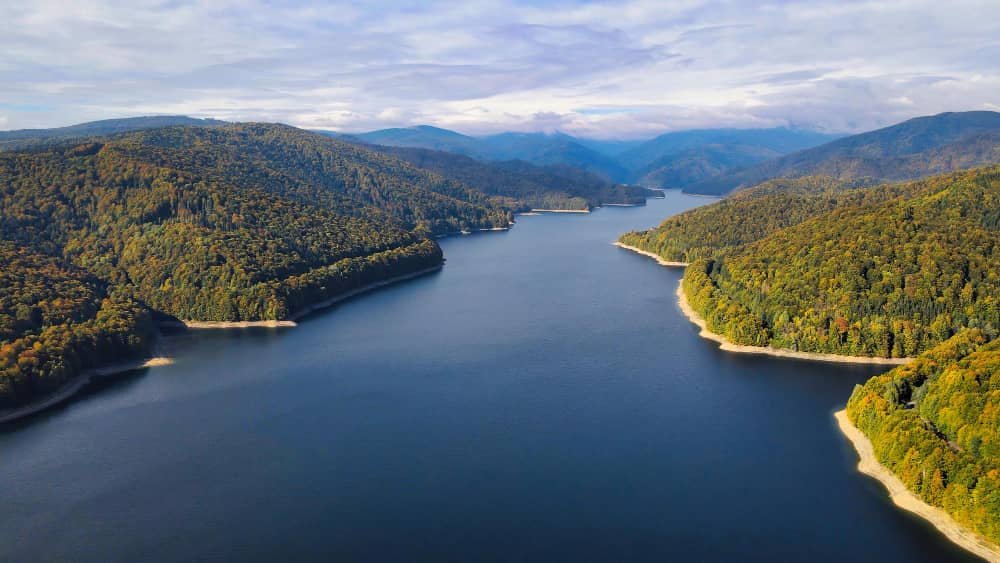
At the opposite end of Romania‘s landscape from the Carpathian Mountains lies one of Europe’s most remarkable wetland environments: the Danube Delta.
Here, the Danube River reaches the Black Sea through an enormous network of channels, lakes, reed beds, marshes, forests, and small communities, many of which are best reached or explored by water. The landscape feels completely different from the castles and medieval towns of Transylvania, making the delta another compelling reason to visit Romania.
Discover a UNESCO-Protected Landscape
The Danube Delta is a UNESCO World Heritage Site recognized for its exceptional natural importance and biodiversity.
Rather than dramatic mountain peaks or historic architecture, the attraction here is the ecosystem itself.
Waterways wind through extensive reed beds and wetlands, creating habitats for an extraordinary variety of birds, fish, plants, and other wildlife.
The landscape can appear almost endless from the water, particularly as narrow channels open into broad lakes surrounded by reeds and vegetation.
Experience Exceptional Birdwatching
The Danube Delta is particularly famous for its birdlife.
Pelicans are among its most recognizable residents, but birdwatchers can encounter numerous other species throughout the wetlands depending on the location and season.
Spring and early summer can be especially interesting as migratory birds arrive and nesting activity increases.
You don’t need to be an experienced birdwatcher to appreciate the experience. Simply traveling quietly through the waterways and watching birds move across the wetlands can become one of the most peaceful parts of a Romania itinerary.
Explore the Delta by Boat
The best way to understand the Danube Delta is from the water.
Boat excursions range from shorter sightseeing trips to longer journeys that venture deeper into quieter channels and lakes.
Traveling with a knowledgeable local guide can help you identify wildlife, understand the ecosystem, and reach areas you would otherwise never know existed.
Smaller boats may also provide a quieter experience on narrow waterways than large, fast-moving excursions.
If wildlife viewing and photography are priorities, ask about the style and size of the boat before booking.
Stay in a Delta Community
Instead of treating the Danube Delta as a quick excursion, consider spending at least a night or two in the region.
Communities such as Sulina, Sfântu Gheorghe, and Crișan can serve as bases for exploring different parts of the delta.
Staying longer allows you to experience the waterways at different times of day, including quieter mornings and evenings when the landscape can feel particularly atmospheric.
Local guesthouses may also provide opportunities to experience regional food and learn more about life in communities shaped by the river and surrounding wetlands.
Slow Down and Enjoy the Landscape
The Danube Delta isn’t a destination where you need to race between a long list of monuments.
Its appeal comes from slowing down.
Watch pelicans crossing the water, travel through narrow channels surrounded by reeds, enjoy freshly prepared local food, and experience sunsets over wetlands that seem to stretch toward the horizon.
For nature lovers, photographers, birdwatchers, and travelers looking for something completely different from Europe’s traditional city breaks, the Danube Delta offers one of Romania’s most distinctive travel experiences.
5. Experience Traditional Romanian Culture and Villages
Romania’s historic cities and castles may attract much of the attention, but some of the country’s most memorable cultural experiences can be found in its smaller towns and villages.
In regions such as Maramureș, Bucovina, and rural Transylvania, traditional architecture, religious heritage, local crafts, seasonal celebrations, and regional food remain visible alongside modern everyday life.
For travelers interested in experiencing Romania beyond its major attractions, spending time in the countryside can reveal an entirely different side of the country.
Discover the Traditions of Maramureș
Located in northern Romania, Maramureș is particularly well known for its villages, wooden architecture, carved gates, churches, and strong regional traditions.
Driving through the countryside, you’ll encounter traditional wooden houses, farmland, orchards, hayfields, and distinctive carved wooden gateways.
Local craftsmanship remains an important part of the region’s identity, and visitors may encounter woodworking, weaving, embroidery, pottery, and other traditional crafts.
Rather than treating Maramureș as a place “frozen in time,” appreciate it as a living region where historic customs and architecture continue alongside contemporary Romanian life.
Visit Romania’s Wooden Churches
One of Maramureș’s most distinctive features is its collection of wooden churches.
Characterized by timber construction and tall, slender towers, these churches represent an important part of the region’s architectural and religious heritage.
Several of the Wooden Churches of Maramureș are included on the UNESCO World Heritage List.
When visiting active churches, remember that these are places of worship rather than simply sightseeing attractions. Dress appropriately, keep noise to a minimum, and follow any local rules regarding photography.
Explore Bucovina’s Painted Monasteries
Another fascinating cultural region is Bucovina in northeastern Romania.
The area is famous for historic monasteries and churches decorated with elaborate religious frescoes. Their exterior paintings make them particularly distinctive among Romania’s cultural landmarks.
Combining several of these sites with surrounding villages and countryside can make Bucovina a rewarding addition to a longer Romania itinerary.
As with Maramureș, give the region more than a rushed sightseeing stop if your schedule allows.
Stay in a Rural Guesthouse
One of the easiest ways to experience Romania’s countryside is to stay overnight in a locally operated guesthouse.
Depending on the property and region, your stay might include home-cooked regional food, locally produced ingredients, traditional architecture, or recommendations for nearby villages and attractions that are difficult to discover from a major city.
An overnight stay also lets you experience rural areas after day visitors have left.
Instead of simply driving through villages, you have time to walk around, enjoy the landscape, and experience the slower pace of the surrounding countryside.
Experience Local Festivals and Traditions
Romania maintains a rich calendar of religious celebrations, seasonal traditions, markets, music, dance, and regional festivals.
The experience can vary considerably depending on where and when you travel.
If a local festival coincides with your trip, it can provide an opportunity to experience traditional clothing, music, crafts, food, and community celebrations in a setting where those traditions have genuine local meaning.
Check regional tourism information before your trip rather than assuming festivals occur on the same dates every year.
Travel Respectfully Through Rural Communities
Traditional villages aren’t open-air museums.
People live and work there, and travelers should respect private homes, farmland, religious sites, and local customs.
Ask before photographing people at close range, avoid entering private property for photographs, and support locally operated accommodations, restaurants, guides, and craftspeople when possible.
Romania’s rural regions are compelling not because they belong to another era, but because they offer a chance to experience living traditions, distinctive architecture, regional identity, and landscapes that are very different from the country’s major cities.

6. Taste Authentic Romanian Food
Food is another excellent reason to visit Romania. The country’s cuisine is hearty, comforting, and strongly influenced by regional traditions, seasonal ingredients, and centuries of cultural exchange throughout Southeastern and Central Europe.
Rather than limiting yourself to restaurants in major tourist areas, try traditional dishes as you travel through different regions. Romanian cuisine can vary considerably from Transylvania and Maramureș to Moldova, Dobrogea, and southern Romania.
Try Sarmale
One of Romania’s best-known traditional dishes is sarmale, rolls typically made with cabbage leaves wrapped around a filling of minced meat, rice, onions, and seasonings.
Recipes vary between families and regions, and sarmale are particularly associated with celebrations and holiday meals.
They’re commonly served with mămăligă, Romania’s traditional cornmeal dish, and may be accompanied by sour cream.
Don’t Skip Mici
If you enjoy grilled food, look for mici, sometimes called mititei.
These small grilled rolls of seasoned minced meat are a popular Romanian comfort food and can be found at restaurants, markets, festivals, and outdoor gatherings.
They’re often served simply with mustard and bread.
Mici aren’t elaborate, but that’s part of their appeal. They’re one of those foods worth trying in Romania rather than searching for a more sophisticated version elsewhere.
Try a Bowl of Ciorbă
Romania has a strong tradition of soups, particularly ciorbă, a broad category of soups known for their characteristic sour flavor.
You’ll encounter numerous variations depending on the restaurant and region, including versions prepared with vegetables, beans, meat, or other ingredients.
A bowl of ciorbă can be especially satisfying during colder weather or after a long day exploring castles and mountain towns.
Order Mămăligă With a Traditional Meal
Mămăligă is one of the staples of Romanian cooking.
Made from cornmeal, it can accompany meat, stews, cheese, sour cream, and numerous other dishes.
Although simple, it appears in many traditional meals and is worth trying in different combinations as you travel.
Save Room for Papanași
For dessert, look for papanași, one of Romania’s most recognizable sweet treats.
These cheese-based fried or boiled dumplings are commonly served with sour cream and fruit preserves, creating a combination of warm pastry, creamy richness, and tart sweetness.
They’re often substantial enough to share after a large meal.
You may also encounter cozonac, a traditional sweet bread commonly associated with holidays and celebrations, along with numerous regional cakes, pastries, and desserts.
Visit Markets and Local Producers
Romanian food isn’t limited to restaurant dishes.
Local markets can be excellent places to discover cheeses, cured meats, fresh produce, honey, preserves, bread, and seasonal ingredients.
In rural regions, locally operated guesthouses may also serve meals prepared from regional or home-produced ingredients.
These experiences can provide a much better sense of everyday Romanian food than ordering only the country’s most famous dishes.
Try Regional Specialties as You Travel
Don’t expect every part of Romania to have exactly the same culinary traditions.
Transylvania, Maramureș, Moldova, Dobrogea, and other regions have their own influences and specialties.
Ask what a restaurant or region is known for rather than automatically ordering the same familiar dish everywhere.
You don’t need to recognize everything on the menu. Trying something you’ve never heard of before may become one of the most memorable parts of your trip.
For food-loving travelers, exploring Romanian cuisine provides another way to experience the country’s history, regional diversity, and hospitality — one meal at a time.
7. Enjoy Excellent Value and Diverse Travel Experiences
One of Romania’s biggest advantages is how much variety you can experience within a single trip. Medieval towns, castles, mountains, traditional villages, wetlands, food, museums, and modern city life can all be combined without traveling enormous distances between countries.
Romania can also offer excellent value for travelers, particularly when you explore beyond the most popular attractions and peak travel periods.
Choose From a Wide Range of Accommodation
Romania offers accommodation for many different budgets and travel styles.
In major cities and popular destinations, you’ll find international hotels, boutique properties, apartments, and upscale resorts. Smaller towns and rural regions add family-run guesthouses, traditional accommodations, and countryside stays.
If you’re traveling through areas such as Transylvania, Maramureș, or Bucovina, staying in a local guesthouse can become part of the experience rather than simply somewhere to sleep.
Booking ahead is still worthwhile during popular travel periods, particularly in smaller destinations where the best-located properties may have limited rooms.
Explore Romania by Train or Car
Romania’s cities and regions can be explored using a combination of trains, buses, organized tours, and rental cars.
Train travel can work well between certain major destinations, while a rental car provides considerably more flexibility for travelers interested in mountain roads, castles, villages, and rural areas.
Don’t judge driving times only by distance. Mountain roads, smaller highways, traffic, construction, and sightseeing stops can make journeys take longer than expected.
For a road trip, build some flexibility into each day rather than creating an itinerary that depends on arriving everywhere at an exact time.
Combine Several Types of Vacation
Another reason Romania offers such good value is that you don’t have to choose between a city break, cultural trip, or outdoor vacation.
You can spend a few days exploring Bucharest, continue into Transylvania for Brașov, castles, and medieval towns, drive through the Carpathians, stay in a traditional village, and finish with a completely different experience in the Danube Delta.
Travelers with more time can add regions such as Maramureș or Bucovina without making the trip feel like a repetition of the same attractions.
Discover Bucharest’s Contrasting Architecture
Romania’s capital deserves more attention than simply serving as the airport you use before heading to Transylvania.
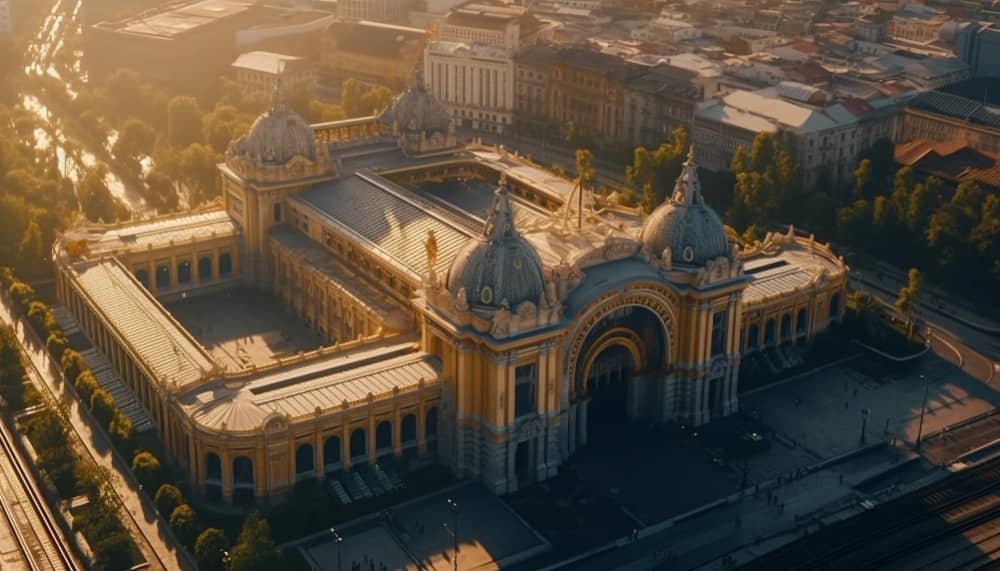
Bucharest combines grand historic buildings, Orthodox churches, Belle Époque influences, communist-era architecture, modern neighborhoods, parks, restaurants, museums, and nightlife.
One of its most recognizable landmarks is the enormous Palace of Parliament, but the city’s architectural character is much broader than a single building.
Spend time walking through central neighborhoods and the historic Old Town, and you’ll encounter layers of architecture reflecting very different periods of Romanian history.
Spend Where It Matters Most to You
Romania can suit travelers with very different budgets.
You might choose an inexpensive countryside guesthouse one night and spend more on a memorable castle-area hotel or guided wildlife experience the next.
Similarly, some of your favorite experiences may cost very little: walking through a medieval center, exploring a village, hiking in the mountains, visiting a local market, or simply enjoying the landscape during a road trip.
Rather than approaching Romania solely as a budget destination, think of it as a country where your travel budget can often be spread across an impressive range of experiences.
That combination of history, nature, culture, food, cities, and outdoor adventures makes Romania particularly rewarding for travelers who want more than one type of vacation from the same trip.
Best Places to Visit in Romania
Deciding where to go in Romania depends on whether you’re most interested in medieval history, castles, mountain scenery, traditional villages, wildlife, or city life. First-time visitors can experience several sides of the country by combining Bucharest with Transylvania and then adding a rural or nature-focused destination.
Here are some of the best places to consider when planning your Romania itinerary.
Bucharest
Romania’s capital is the country’s main transportation hub and a natural starting point for many international visitors.
Bucharest combines museums, restaurants, parks, nightlife, historic neighborhoods, Orthodox churches, grand architecture, and imposing communist-era landmarks.
Spend at least a day or two exploring the city rather than immediately leaving for Transylvania.
Best for: City breaks, architecture, museums, food, and nightlife
Brașov
Surrounded by the Carpathian Mountains, Brașov is one of the best bases for exploring Transylvania.
Its walkable historic center, colorful buildings, Council Square, Black Church, and mountain setting make it worthwhile on its own, while nearby attractions allow you to use the city as a base for several days.
Best for: First-time visitors, medieval architecture, castles, mountains, and day trips
Sibiu
Sibiu is an excellent choice for travelers who enjoy historic European cities but prefer somewhere that rewards slower exploration.
Its large squares, colorful buildings, towers, passageways, churches, museums, and distinctive rooftops create one of Romania’s most attractive historic centers.
Best for: Architecture, history, cafés, photography, and relaxed city breaks
Sighișoara
If you’re looking for medieval atmosphere, Sighișoara deserves a place on your itinerary.
Its fortified historic center features cobbled streets, colorful houses, towers, churches, and defensive architecture concentrated within a relatively compact area.
Best for: Medieval history, photography, architecture, and Transylvania road trips
Bran
The village of Bran is best known for Bran Castle and its connection with the Dracula legend.
The castle is the major attraction, but the surrounding region also provides access to beautiful Carpathian scenery and traditional communities.
Bran is easy to combine with Brașov and other destinations in the surrounding area.
Best for: Castles, Dracula history and legends, mountain scenery, and first-time visitors
Sinaia
Located between Bucharest and Brașov, Sinaia is famous for the magnificent Peleș Castle.
Its mountain setting makes the town more than simply a castle stop, particularly for travelers interested in spending additional time around the Carpathians.
Best for: Peleș Castle, mountain scenery, architecture, and road trips
Maramureș
Travelers interested in rural traditions should consider heading north to Maramureș.
Wooden churches, carved gates, villages, farmland, regional food, and traditional architecture give this part of Romania a character very different from Bucharest or central Transylvania.
Because of the distances involved, Maramureș makes more sense on a longer itinerary than as a rushed day trip.
Best for: Traditional villages, wooden churches, rural culture, crafts, and photography
Bucovina
Bucovina is particularly known for its historic painted monasteries and beautiful countryside.
The region is a strong choice for travelers interested in religious heritage, traditional culture, architecture, and destinations beyond Romania’s most familiar tourist route.
Best for: Monasteries, history, religious art, countryside, and cultural travel
Danube Delta
For wildlife and nature, the Danube Delta offers an experience unlike anywhere else on this list.
Boat trips through wetlands and narrow channels provide opportunities to experience the delta’s remarkable birdlife and landscapes, while staying in one of its communities allows you to explore at a slower pace.
Best for: Nature, birdwatching, photography, boat trips, and slow travel
Carpathian Mountains
If hiking and outdoor adventures are priorities, dedicate part of your trip to the Carpathian Mountains.
Areas such as Piatra Craiului and Retezat offer hiking and dramatic scenery, while famous mountain roads provide another way to experience Romania’s landscapes when seasonal conditions allow.
Best for: Hiking, road trips, landscapes, wildlife, and outdoor adventures
Which Places Should First-Time Visitors Choose?
For a first trip of about 7 to 10 days, a route combining Bucharest, Brașov, Sinaia, Sibiu, and Sighișoara provides an excellent introduction to Romania without requiring you to cover the entire country.
With two weeks, you can slow the itinerary down and add somewhere significantly different, such as Maramureș, Bucovina, the Danube Delta, or additional time in the Carpathians.
Don’t choose destinations simply because they’re famous. Romania is larger and more geographically diverse than it may appear when planning on a map, so allowing enough time between stops will usually produce a much better trip than trying to see every major attraction in one vacation.
Best Time to Visit Romania
The best time to visit Romania depends on what you want to experience. Medieval towns and cultural attractions can be enjoyed throughout much of the year, while hiking, scenic mountain roads, wildlife experiences, and winter activities are much more seasonal.
For most first-time visitors planning a mixture of cities, castles, villages, and outdoor sightseeing, May, June, September, and early October are particularly appealing.
Spring: April to May
Spring can be a beautiful time to explore Romania as temperatures become milder and landscapes turn green again.
May is especially attractive for sightseeing in Bucharest, Brașov, Sibiu, Sighișoara, and other historic destinations without the peak summer atmosphere.
Mountain conditions can be less predictable, however, and snow may remain at higher elevations. If hiking is an important part of your trip, check trail and weather conditions rather than assuming every mountain route will already be accessible.
Best for: Cities, castles, countryside, cultural travel, and fewer peak-season crowds
Summer: June to August
Summer brings warm weather, long daylight hours, festivals, and excellent conditions for exploring much of the country.
It’s a particularly good season for hiking in the Carpathians, visiting rural regions, exploring the Danube Delta, and taking longer road trips.
July and August can also bring hot weather, especially in Bucharest and lower-elevation areas. Popular attractions may be busier during school holidays and peak vacation periods.
If you’re planning to drive famous high-altitude routes such as the Transfăgărășan, summer generally provides the best opportunity, but mountain-road access depends on weather and seasonal opening conditions. Always check the current road status before setting out.
Best for: Hiking, road trips, mountains, festivals, the Danube Delta, and outdoor adventures
Autumn: September to October
Autumn is one of the most rewarding times to visit Romania.
September can still provide pleasantly warm conditions for sightseeing while bringing a more relaxed atmosphere after the height of summer.
As autumn progresses, forests throughout the Carpathian Mountains and Transylvania begin changing color, creating beautiful conditions for road trips, photography, and countryside travel.
Temperatures become cooler in October, particularly in the mountains, so pack layers if your itinerary combines cities with higher elevations.
Best for: Road trips, photography, medieval towns, hiking, countryside, and autumn scenery
Winter: December to February
Winter reveals a completely different side of Romania.
Snow can transform Transylvania, mountain towns, castles, and villages, while ski resorts in the Carpathians attract winter-sports visitors.
December can also be appealing for seasonal celebrations and Christmas markets in several Romanian cities.
The trade-off is shorter daylight, colder temperatures, and the possibility that mountain roads, hiking routes, and some seasonal attractions will be inaccessible.
Winter is therefore better for travelers specifically looking for a cold-weather experience than for those hoping to see every part of the country on one trip.
Best for: Snow, skiing, Christmas atmosphere, winter photography, and cozy city breaks
What Is the Best Month to Visit Romania?
For a first trip, May, June, September, and early October offer some of the best combinations of comfortable sightseeing weather and opportunities to explore both cities and the countryside.
Choose June or September if you want to combine historic destinations with hiking and outdoor activities.
July and August can work particularly well for mountain-focused trips, while December is worth considering if you’re specifically interested in winter scenery and seasonal celebrations.
Romania changes considerably with the seasons, so there isn’t one perfect month for every traveler. Match your travel dates to the experiences that matter most to you rather than choosing solely based on temperature.
How Many Days Do You Need in Romania?
For a first trip to Romania, 7 to 10 days gives most travelers enough time to experience Bucharest, several highlights of Transylvania, and some of the country’s mountain scenery without changing accommodations every night.
If you want to explore more distant regions such as Maramureș, Bucovina, or the Danube Delta, two weeks or longer will give you considerably more flexibility.
Romania is larger than many visitors expect, and travel between regions can take time. A realistic itinerary with fewer destinations will usually be more enjoyable than trying to see the entire country in one vacation.
5 Days in Romania
With five days, concentrate on one part of the country.
First-time visitors could combine Bucharest, Sinaia, and Brașov, using the route between the capital and Transylvania to visit Peleș Castle and explore the Carpathian scenery.
Another option is to focus primarily on Transylvania, using Brașov or Sibiu as a base and adding nearby towns, castles, and villages.
Five days isn’t enough to comfortably combine Transylvania with distant regions such as Maramureș and the Danube Delta.
Best approach: Bucharest plus part of Transylvania, or one region explored in greater depth.
7 Days in Romania
One week gives you enough time for a classic first-time itinerary.
You could spend a couple of days in Bucharest, continue through Sinaia toward Brașov, and then explore additional Transylvanian destinations such as Sibiu and Sighișoara.
If castles and mountains are priorities, allow additional time around Brașov rather than adding another distant region simply to increase the number of places you’ve visited.
Best approach: Bucharest plus several destinations in Transylvania.
10 Days in Romania
Ten days provides a much better balance between sightseeing and travel time.
A first-time itinerary could include Bucharest, Sinaia, Brașov, Sighișoara, and Sibiu, with additional time for castles, villages, hiking, or a scenic drive through the Carpathians when conditions allow.
You could also reduce the number of Transylvanian stops and dedicate several days to another region that particularly interests you.
Ten days is long enough to experience different sides of Romania without needing to move every morning.
Best approach: Bucharest and Transylvania with time for countryside, mountains, or another carefully chosen addition.
14 Days in Romania
Two weeks opens up considerably more possibilities.
After exploring Bucharest and Transylvania, you can add a region such as Maramureș, Bucovina, or the Danube Delta and still have enough time to appreciate what makes it different.
Road-trip travelers can also build a more extensive route through the Carpathians, combining historic cities with villages, castles, national parks, and scenic mountain roads.
Even with two weeks, however, you don’t need to cover every corner of Romania.
Maramureș in the north and the Danube Delta in the east, for example, pull an itinerary in very different directions. Choosing one may produce a much more relaxed trip.
Best approach: Two or three regions explored at a comfortable pace.
How Long Should You Stay in Each Place?
For major cities such as Bucharest, Brașov, and Sibiu, two or three nights provides enough time for the main sights while allowing some slower exploration.
Smaller destinations such as Sighișoara may require less time, while nature-focused regions deserve longer stays if you’re planning hiking, wildlife excursions, or boat trips.
The Danube Delta, for example, is much more rewarding when you stay overnight rather than treating it as a rushed excursion.
Similarly, rural regions such as Maramureș are best experienced when you have time to explore villages and countryside rather than simply driving through.
Don’t Underestimate Driving Times
One of the most important things to remember when planning a Romania itinerary is that distance on a map doesn’t always translate into fast travel.
Mountain roads, smaller highways, traffic, construction, weather, and sightseeing stops can all increase journey times.
If you’re driving, avoid building an itinerary where every day depends on covering hundreds of kilometers before reaching the next attraction.
Train travel can also require more time than visitors accustomed to high-speed rail networks elsewhere in Europe might expect.
How Long Is Ideal for a First Trip to Romania?
If your schedule allows, 10 days is an excellent amount of time for a first trip to Romania.
It gives you enough time to experience Bucharest, castles, medieval Transylvanian towns, and the Carpathian landscape without turning the entire vacation into a race between destinations.
With two weeks, you can begin exploring beyond the classic route and experience one of Romania’s more distinctive regions in greater depth.
Whatever the length of your trip, resist the temptation to see everything at once. Romania’s variety is one of the best reasons to return.
Romania Travel Tips for First-Time Visitors
Romania is relatively straightforward to explore, but knowing a few practical details before you arrive can make your trip considerably easier. Transportation, currency, driving times, mountain conditions, and local customs are all worth considering while building your itinerary.
Know the Local Currency
Romania uses the Romanian leu (RON) rather than the euro.
Cards are widely useful in cities, hotels, restaurants, supermarkets, and many tourist attractions, but carrying some local currency is still practical for smaller businesses, markets, rural areas, parking, and occasional cash-only purchases.
Avoid carrying unnecessary amounts of cash, and consider keeping a backup payment method separate from your primary wallet.
Don’t Assume Every Journey Will Be Fast
Travel times can be longer than the distances on a map suggest.
Romania doesn’t have high-speed transportation connecting every major tourist destination, and road journeys can be affected by traffic, mountain terrain, construction, and smaller highways.
When planning a road trip, give yourself extra time rather than scheduling attractions immediately after a long drive.
Consider Renting a Car
You don’t necessarily need a car in Bucharest or when traveling between certain major cities, but renting one can dramatically increase your flexibility in the countryside.
A car is particularly useful for exploring Transylvania, traditional villages, castles, mountain areas, Maramureș, and destinations that are difficult to connect efficiently using public transportation.
If you’re renting a vehicle, check current licensing requirements, insurance coverage, parking arrangements, and road rules before driving.
Use Trains Strategically
Trains can be useful for traveling between major destinations, particularly if you don’t want to drive.
However, journey times and service frequency vary by route.
Check schedules when planning your itinerary rather than assuming you’ll be able to travel between any two destinations quickly or frequently.
For rural areas and multi-stop itineraries, a combination of trains, rental cars, and occasional organized tours may work better than relying entirely on one transportation method.
Learn a Few Romanian Words
You’ll encounter English in many hotels, restaurants, attractions, and tourism-related businesses, particularly in major destinations.
Still, learning a few Romanian words can make everyday interactions easier and is a nice gesture when visiting smaller communities.
Simple expressions such as bună (hello), mulțumesc (thank you), and vă rog (please) are useful places to start.
You don’t need to speak Romanian fluently to travel around the country, but having an offline translation app available can be helpful in less-touristy areas.
Use Normal Safety Precautions
As with any international destination, keep an eye on your belongings in crowded areas and use normal precautions when withdrawing money, using transportation, or spending time in busy tourist districts. Before traveling, it’s also worth checking the current Romania travel advisory for updated safety, entry, and destination information.
Keep important travel documents secure and store digital copies somewhere separate from the originals.
For hiking and mountain trips, safety requires a different kind of preparation. Check weather and trail conditions, carry appropriate clothing and supplies, and don’t underestimate rapidly changing conditions at higher elevations.
Be Responsible Around Bears
Romania’s Carpathians are important habitat for brown bears, and travelers should treat encounters with wild animals seriously.
Never approach or feed bears for photographs, including animals seen beside roads.
Keep a safe distance and follow local guidance in areas where bears are present. If wildlife viewing is one of the reasons you’re visiting Romania, choose a responsible guided experience rather than attempting to find or approach animals yourself.
Check Mountain Roads Before Driving
Romania’s famous mountain roads can be spectacular, but high-altitude routes aren’t necessarily accessible throughout the year.
If the Transfăgărășan or Transalpina is part of your itinerary, check current road conditions and closures shortly before traveling.
Weather in the mountains can also change quickly, even when conditions are pleasant in nearby towns.
Dress Respectfully at Religious Sites
Romania has numerous historic churches, monasteries, and active religious sites.
When visiting, choose clothing appropriate for a place of worship and follow any posted requirements regarding photography, restricted areas, or behavior.
This is particularly important when exploring the monasteries of Bucovina and traditional churches in rural regions.
Don’t Plan Every Day Around Dracula
The Dracula connection can be a fun part of a Transylvania trip, and Bran Castle is certainly worth considering.
But don’t let it dominate your itinerary.
Romania’s real history, medieval towns, royal castles, fortified churches, traditional villages, mountains, wildlife, food, and regional cultures are considerably broader than the fictional Dracula story.
Treat the legend as one interesting layer of the trip rather than the country’s defining attraction.
Leave Time for Unexpected Stops
Some of Romania’s most memorable places may be the ones you didn’t originally include in your itinerary.
A scenic viewpoint, small village, local market, roadside restaurant, historic church, or unexpected castle can easily change your plans during a road trip.
Build enough flexibility into your schedule to stop when something catches your attention.
Romania rewards travelers who plan the important logistics in advance but leave enough time to explore beyond the country’s most famous attractions.
Frequently Asked Questions About Visiting Romania
Is Romania worth visiting?
Yes. Romania is worth visiting for travelers interested in a combination of medieval towns, castles, mountain landscapes, traditional villages, wildlife, regional food, and cultural heritage.
The country offers considerably more than the Dracula attractions for which Transylvania is internationally famous. A single trip can combine Bucharest, historic towns such as Brașov and Sibiu, castles including Peleș and Corvin, hiking in the Carpathians, and rural regions such as Maramureș.
What is Romania best known for?
Romania is particularly well known for Transylvania, the Carpathian Mountains, medieval castles, Bran Castle and the Dracula legend, traditional villages, and the Danube Delta.
It is also home to historic cities, fortified churches, painted monasteries, distinctive regional cuisine, and extensive natural landscapes.
What is the best month to visit Romania?
For many first-time visitors, May, June, September, and early October are excellent times to visit Romania.
These months can provide comfortable conditions for exploring cities, castles, villages, and the countryside.
Travelers primarily interested in hiking and high-altitude mountain roads may prefer summer, while December is worth considering for winter scenery and seasonal celebrations.
How many days do you need in Romania?
Plan approximately 7 to 10 days for a first trip if you want to combine Bucharest with several destinations in Transylvania.
With two weeks, you can travel at a slower pace and add another region such as Maramureș, Bucovina, or the Danube Delta.
If you only have four or five days, concentrate on Bucharest and part of Transylvania rather than trying to cross the entire country.
Is Romania expensive for tourists?
Travel costs in Romania vary by destination, season, accommodation, and travel style, but the country can offer good value compared with many heavily visited European destinations.
Budget guesthouses and casual restaurants are available alongside boutique hotels, luxury properties, and higher-end dining.
Rather than assuming everything in Romania will be inexpensive, establish a realistic budget for your particular itinerary and book popular accommodations ahead when traveling during busy periods.
What currency is used in Romania?
Romania uses the Romanian leu (RON).
Although Romania is a member of the European Union, the euro is not its official currency.
Cards are useful throughout many cities and tourist destinations, but carrying a modest amount of Romanian currency is practical for smaller businesses, markets, parking, and rural areas.
Do you need a car to visit Romania?
You don’t necessarily need a car to visit Bucharest or several of Romania’s major cities, but renting a car can make exploring rural areas considerably easier.
A car is particularly useful for visiting castles, mountain areas, villages, and destinations where public transportation connections are limited.
If your itinerary focuses primarily on Bucharest and several major Transylvanian cities, trains and other transportation options may be sufficient.
Is English widely spoken in Romania?
English is commonly encountered in many hotels, restaurants, attractions, and tourism businesses, particularly in Bucharest and other popular destinations.
Communication may be less predictable in small villages and rural areas.
Learning a few basic Romanian expressions and downloading an offline translation tool can make traveling outside major tourist centers easier.
Is Romania safe for tourists?
Travelers should use the same normal precautions they would in other European destinations, including keeping valuables secure in crowded places and being careful when using ATMs or transportation.
Outdoor travel requires additional preparation. If you’re hiking or driving through the Carpathians, check weather and road conditions and follow local guidance regarding wildlife, particularly brown bears.
Before traveling internationally, check current official travel information relevant to your nationality and destination.
Is Romania part of the European Union?
Yes. Romania has been a member of the European Union since 2007.
Travelers should remember, however, that EU membership doesn’t mean Romania uses the euro. The country’s currency remains the Romanian leu.
Is Romania in the Schengen Area?
Yes. Romania is part of the Schengen Area.
Entry requirements depend on your citizenship and individual circumstances, so travelers should check current official immigration and border information before departure rather than relying on older travel articles.
What should you not miss on your first trip to Romania?
For a classic first trip, consider combining Bucharest, Peleș Castle, Brașov, Bran Castle, Sibiu, and Sighișoara.
If you have additional time, add an experience that reveals a different side of the country, such as hiking in the Carpathians, staying in a traditional village, exploring Maramureș or Bucovina, or taking a boat trip through the Danube Delta.
Is Transylvania worth visiting if you’re not interested in Dracula?
Absolutely. Dracula is only a small part of Transylvania’s appeal.
The region offers medieval cities, fortified churches, castles, mountain scenery, traditional villages, hiking, local food, and centuries of history.
Brașov, Sibiu, Sighișoara, the Carpathian Mountains, Peleș Castle, and numerous smaller communities provide plenty to experience without building your trip around Dracula at all.
More Romania and Balkan Travel Guides
If these reasons to visit Romania have inspired you to explore more of the region, there are plenty of other destinations throughout the Balkans worth adding to your travel plans.
Here are a few guides to help you continue planning:
- Romania Travel Guides – Explore more destinations, attractions, cultural experiences, and travel ideas throughout Romania.
- UNESCO World Heritage Sites in the Balkans – Discover remarkable historic landmarks, ancient sites, monasteries, old towns, and protected natural areas across Southeastern Europe.
- Best Monasteries to Visit in the Balkans – Explore some of the region’s most impressive monasteries and religious landmarks, from mountain retreats to centuries-old cultural treasures.
- 7 High Peaks of the Balkans – Discover spectacular mountain landscapes and some of the highest peaks across the Balkan Peninsula.
- Greece Travel Tips: Things to Know Before You Go – Planning to continue your journey through Southeastern Europe? Use these practical tips to prepare for Greece, from transportation and island hopping to food, beaches, and ancient sites.
And if discovering a destination through its food is part of your travel style, explore our Romanian cuisine collection for traditional Romanian dishes and recipe inspiration.
Romania can easily become part of a longer Balkan journey, but it also deserves enough time to be explored as a destination in its own right. From the Carpathians and Transylvania to traditional villages and the Danube Delta, there is far more here than most travelers can experience in a quick visit.
Is Romania Worth Visiting?
Yes, Romania is absolutely worth visiting, particularly if you enjoy destinations that combine history, nature, culture, food, and outdoor adventure within the same trip.
Romania’s appeal goes far beyond Bran Castle and the legends of Dracula. You can wander through the medieval streets of Brașov and Sighișoara, admire the elegance of Peleș Castle, hike through the Carpathian Mountains, explore traditional villages in Maramureș, discover the painted monasteries of Bucovina, and travel by boat through the extraordinary wetlands of the Danube Delta.
Just as importantly, Romania offers plenty of opportunities to slow down. Stay in a countryside guesthouse, try regional dishes you’ve never tasted before, explore a small village, walk through a local market, or take an unexpected detour during a road trip.
For a first visit, 7 to 10 days provides a good introduction, while two weeks gives you enough time to venture beyond the classic Bucharest and Transylvania route without constantly rushing between destinations.
Whether you’re drawn to medieval history, mountain landscapes, traditional culture, wildlife, architecture, or Romanian food, there are plenty of reasons to visit Romania.
Don’t try to experience the entire country in one vacation. Choose the regions that interest you most, give yourself enough time to explore them properly, and leave a few places for your next trip.
Romania may initially draw you in with its castles and Transylvanian legends, but it’s often everything you discover beyond them that makes the journey memorable.
What's your reaction?