
 By
By Bulgaria Travel Guide: Best Places, Things to Do & Tips
Travel across Bulgaria for a few days and the scenery changes surprisingly fast. You can go from Roman ruins and cobbled old towns to alpine lakes, centuries-old monasteries, vineyards, ski resorts, and beaches along the Black Sea.
Sofia is usually the starting point, but it shouldn’t be the end of the trip. Plovdiv combines Roman history with one of Bulgaria’s most atmospheric old towns, while Veliko Tarnovo climbs dramatically over the hills surrounding the Yantra River. Farther south and west, the Rila, Pirin, and Rhodope Mountains offer some of the country’s best hiking and outdoor scenery.
The Black Sea coast adds another side to the trip. Historic towns such as Nessebar and Sozopol provide a very different experience from Bulgaria’s mountain regions and make it possible to combine culture, beaches, and food in the same trip.
Bulgaria is also relatively compact, which makes it possible to see several regions without spending your entire vacation in transit. This Bulgaria travel guide covers the best places to visit, things to do, food to try, when to go, where to stay, and practical tips for planning your trip.
Still deciding whether to go? Read our complete guide to why you should visit Bulgaria for a closer look at what makes the country worth exploring.

Bulgaria Travel Guide: Best Places to Visit in Bulgaria
You don’t need to travel enormous distances to see very different parts of Bulgaria. Sofia, Plovdiv, medieval towns, mountain regions, monasteries, and the Black Sea can all fit into a longer itinerary. For a first trip, these are the places I’d put near the top of the list.
Sofia
Bulgaria’s capital is where many international trips begin, but Sofia deserves more than a quick stop between the airport and the rest of the country.
The city mixes Roman remains, Orthodox churches, Ottoman-era landmarks, parks, museums, and modern neighborhoods. Start with Alexander Nevsky Cathedral, then explore the archaeological remains of ancient Serdica, St. George Rotunda, Boyana Church, and the streets around Vitosha Boulevard.
Vitosha Mountain rises just outside the city, so it’s also possible to combine sightseeing with hiking and mountain views without traveling far from the capital.
Plovdiv
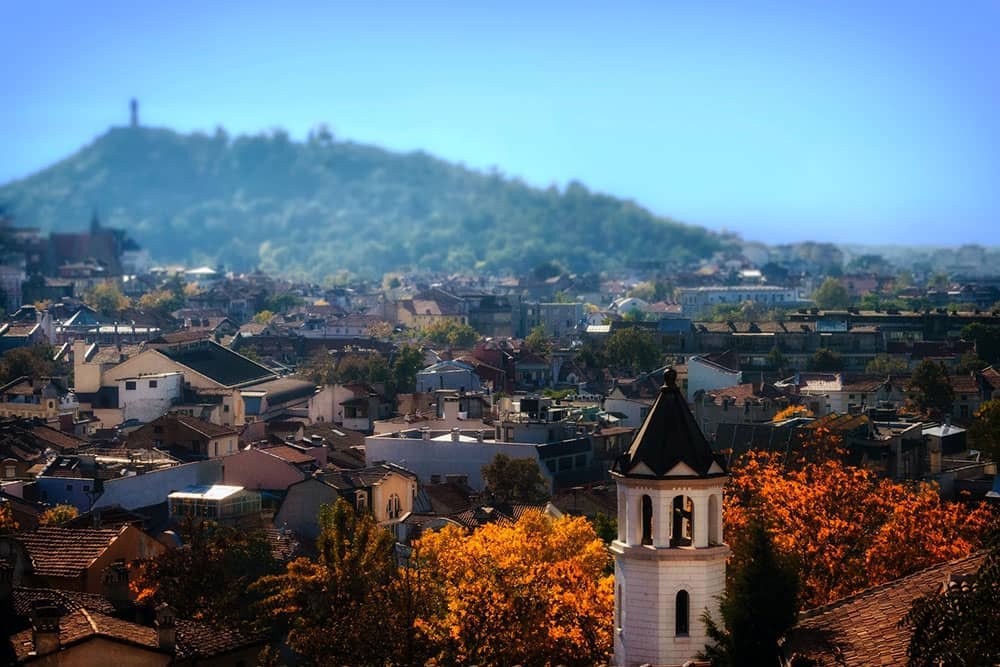
Plovdiv is one of Bulgaria’s most enjoyable cities to explore on foot. Its historic center spreads across several hills, with cobbled streets, colorful Bulgarian Revival houses, galleries, cafés, and Roman ruins appearing throughout the city.
The Ancient Theatre is the landmark most visitors recognize, but wandering through the Old Town and nearby Kapana creative district is just as much a part of the experience.
Stay a little longer and Plovdiv also puts you within easy reach of wineries, monasteries, and smaller destinations across central and southern Bulgaria.
Rila Monastery
Surrounded by forested mountains, Rila Monastery is one of Bulgaria’s most important cultural and religious landmarks.
The monastery complex is known for its striped arcades, stone courtyards, colorful frescoes, and dramatic mountain setting. Its location also makes it easy to combine cultural sightseeing with time outdoors in the Rila Mountains.
It’s an easy day trip from Sofia, but you don’t necessarily have to rush back to the capital. Staying in the area gives you more time for hiking and exploring Rila beyond the monastery itself.
Veliko Tarnovo
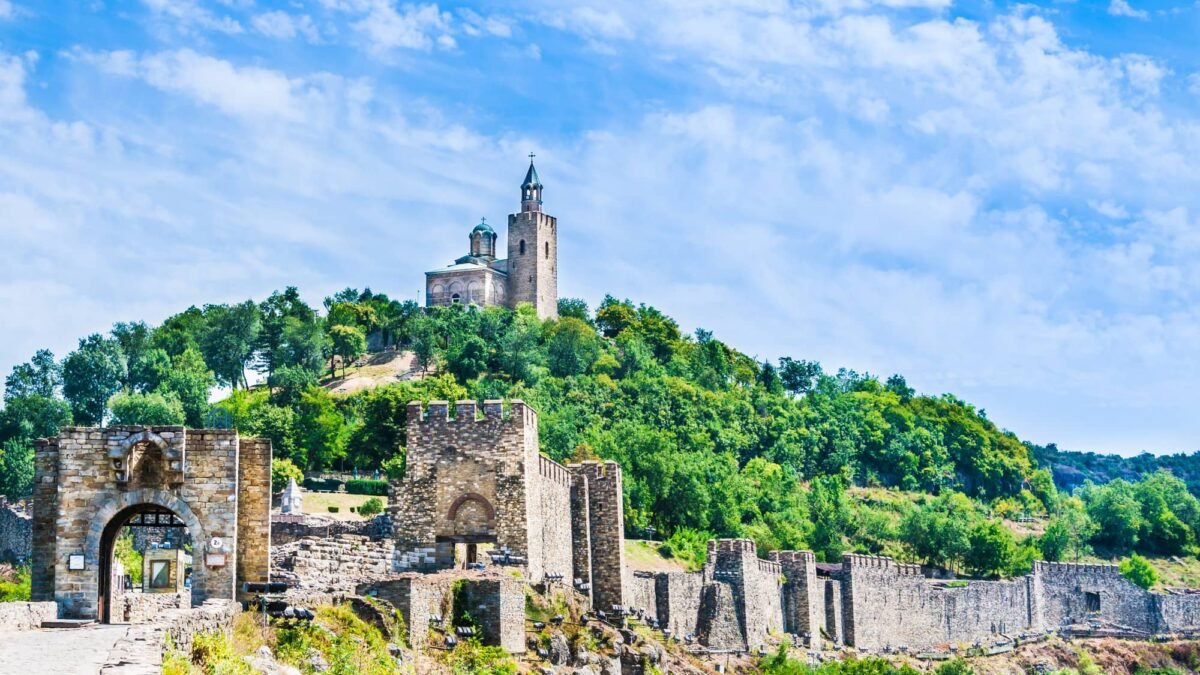
Few Bulgarian cities have a setting quite like Veliko Tarnovo. Houses climb the steep hills above the Yantra River, while Tsarevets Fortress dominates one of the city’s most prominent viewpoints.
The city was the capital of the Second Bulgarian Empire, and much of its appeal comes from that medieval history. Beyond the fortress, you can explore the old streets around Samovodska Charshiya, traditional craft shops, churches, and viewpoints overlooking the river valley.
Nearby Arbanasi is an easy addition if you have extra time.
Bansko and the Pirin Mountains
Bansko is famous for skiing, but winter is only part of the story.
During the warmer months, the region becomes a base for hiking, mountain lakes, scenic drives, and longer adventures inside Pirin National Park. Bansko itself has an older historic quarter with stone houses, traditional taverns, and cobbled streets that feels very different from the modern resort area.
Nessebar
Nessebar combines a Black Sea setting with layers of history packed onto a small peninsula.
Its old town contains medieval churches, traditional wooden houses, narrow lanes, archaeological remains, restaurants, and views across the water. The historic area is compact enough to explore on foot and can easily be combined with time at nearby beaches.
It’s one of the easiest places to add history and architecture to a Bulgarian seaside trip.
Sozopol
Sozopol has a more relaxed seaside feel. Its old town occupies a rocky peninsula where traditional houses, small churches, restaurants, and galleries sit just steps from the water.
Several beaches are within easy reach, and the town is well positioned for exploring the southern Black Sea coast.
The Rhodope Mountains
The Rhodopes feel noticeably different from Bulgaria’s major cities and busy coastal resorts. Forested mountains, winding roads, caves, small villages, and traditional communities make this a region where the journey between destinations can be as memorable as the individual attractions.
Popular stops include Shiroka Laka, Trigrad Gorge, Devil’s Throat Cave, Yagodina Cave, and mountain viewpoints scattered throughout the region.
Come here for winding road trips, forest hikes, caves, small villages, and a noticeably slower pace than you’ll find in Bulgaria’s major tourist centers.
Rila Mountains and the Seven Rila Lakes
The Rila Mountains contain some of Bulgaria’s most recognizable alpine scenery.
The Seven Rila Lakes are the best-known hiking destination in the range, with a chain of glacial lakes surrounded by high mountain terrain. Rila is also home to Musala, the highest mountain in Bulgaria and the Balkan Peninsula.
Conditions in the high mountains can change quickly, so routes should be chosen according to the season, weather, and your hiking experience.
Bulgaria’s Black Sea Coast
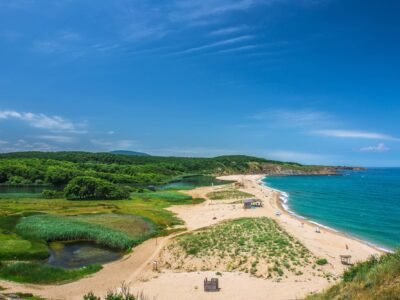
Bulgaria’s coastline stretches far beyond its best-known resort towns. Historic settlements, long sandy beaches, nature areas, lively summer destinations, and quieter stretches of coast provide plenty of choices depending on the type of trip you’re planning.
Varna is the main city in the north, while Burgas is a useful gateway to the southern coast. Nessebar and Sozopol provide the strongest combination of history and seaside atmosphere, while smaller coastal communities can offer a quieter alternative during the busy summer season.
If the beach is the main reason for your trip, it’s worth exploring the coast separately rather than treating it as a quick addition to a Sofia itinerary.
Best Things to Do in Bulgaria
Bulgaria isn’t a destination where you have to choose between a city break, a beach vacation, or an outdoor trip. With enough time, you can combine all three. These are some of the experiences worth building into your itinerary.
Explore Bulgaria’s Historic Towns and Cities
Some Bulgarian cities reward aimless walking. Spend an afternoon getting lost among Plovdiv’s old houses and Roman remains, follow the steep streets of Veliko Tarnovo toward viewpoints over the Yantra, or wander through Nessebar without trying to tick off every church on a list.
Along the Black Sea, Nessebar and Sozopol offer a different experience, with old streets leading toward churches, traditional houses, and sea views.
Visit a Bulgarian Monastery
Rila Monastery gets most of the attention, but it’s far from Bulgaria’s only monastery worth seeing.
Bachkovo Monastery near Plovdiv is another major religious site, while smaller monasteries can be found throughout the mountains and countryside. Visiting one adds a side of Bulgarian history and culture that you won’t get from the major cities alone.
Go Hiking in the Mountains
Bulgaria has excellent hiking opportunities across the Rila, Pirin, and Rhodope Mountains. If mountain scenery is a major reason for your trip, see our guide to traveling in the Balkan Mountains for more outdoor inspiration across the region.
Popular routes range from day hikes around the Seven Rila Lakes to more demanding mountain trails and high peaks. The Rhodopes offer a different experience, with forested landscapes, caves, gorges, and villages rather than predominantly high-alpine scenery.
If you’re heading into the mountains, check current trail access and weather conditions before setting out.
Spend a Few Days on the Black Sea
Summer trips can easily include a few days beside the Black Sea.
You can stay near the larger coastal cities, base yourself in a historic town such as Nessebar or Sozopol, or look for smaller beach communities if you prefer somewhere quieter.
July and August are the busiest months, so travelers looking for fewer crowds may prefer the edges of the main summer season.
Planning a longer coastal trip? Explore our most beautiful beaches in the Balkans for more seaside ideas beyond Bulgaria.
Discover Bulgaria’s Caves and Gorges
Some of Bulgaria’s most interesting natural attractions are underground.
The Rhodope Mountains are particularly good for combining caves with a road trip. Devil’s Throat Cave and Yagodina Cave are both in the Trigrad area, where narrow roads, cliffs, forests, and small mountain settlements make the surrounding landscape part of the experience.
Try Traditional Bulgarian Food
Don’t treat Bulgarian food as something to squeeze in between attractions. Trying local dishes is one of the easiest ways to experience the country.
Start with shopska salad, banitsa, tarator, grilled kebapche or kyufte, stuffed peppers, and regional dishes you may not encounter elsewhere. Traditional mehanas are also worth seeking out, especially outside the most tourist-oriented parts of the major cities.
Explore Bulgaria’s Wine Regions
Wine production has a long history in Bulgaria, and several parts of the country can be explored through wineries and local vineyards.
The areas around Plovdiv and the Thracian Valley are particularly convenient if you want to add a winery visit without building an entire trip around wine. Melnik in southwestern Bulgaria is another interesting option, combining local wine traditions with distinctive sandstone landscapes and a small historic town.
Experience Bulgaria in Winter
Bulgaria isn’t only a summer destination. Bansko, Borovets, and Pamporovo become major winter bases during ski season, while cities and mountain towns take on a completely different atmosphere.
Even if skiing isn’t part of your plans, winter can work well for a trip focused on cities, food, spa towns, and cultural attractions. Mountain travel, however, requires more planning because snow and weather can affect roads, trails, and access.

Bulgarian Food You Should Try
Food is an important part of traveling through Bulgaria, and you don’t need to seek out expensive restaurants to eat well. Traditional dishes are served in casual restaurants, neighborhood bakeries, mountain taverns, and family-run mehanas across the country.
Here are a few Bulgarian foods worth trying during your trip.
Shopska Salad
You’ll see shopska salad on menus all over Bulgaria, made with tomatoes, cucumbers, peppers, onions, and a generous layer of grated white brined cheese. It’s especially popular during the warmer months and is commonly ordered as a starter or alongside other dishes.
Banitsa
Banitsa is a traditional pastry made with thin sheets of dough and a filling that commonly includes eggs and Bulgarian white cheese.
You’ll find it in bakeries throughout the country, making it an easy breakfast or quick snack while traveling. Different versions can include spinach, pumpkin, or other fillings.
Tarator
On a hot Bulgarian summer day, tarator is hard to beat. This cold soup is usually made with yogurt, cucumber, garlic, dill, water, and sometimes walnuts.
It’s light, refreshing, and very different from the heavier soups visitors might expect when they first see it on a menu.
Kebapche and Kyufte
You’ll also come across plenty of grilled meat. Kebapche are elongated grilled minced-meat rolls, while kyufte are rounder patties that are typically seasoned with herbs and spices.
They’re often served simply with fries, salad, bread, or other side dishes.
Stuffed Peppers and Sarma
Stuffed vegetables appear in many forms across Bulgarian cuisine. Peppers may be filled with rice, meat, vegetables, or a combination of ingredients, while sarma typically consists of cabbage or vine leaves wrapped around a filling.
Recipes vary considerably between households and regions, which is part of what makes these dishes interesting to try in different parts of the country.
Bulgarian Yogurt
Yogurt is deeply woven into Bulgarian cooking rather than being limited to breakfast. It appears in soups, sauces, drinks, and numerous traditional dishes.
You’ll encounter it in tarator and ayran, but it’s also worth trying plain Bulgarian yogurt during your trip.
Rakia
Rakia is a strong fruit spirit commonly associated with Bulgarian meals and social occasions. Grape rakia is widespread, although versions made from plums, apricots, and other fruits are also produced.
It’s considerably stronger than wine or beer, so a small serving goes a long way.
Bulgarian Wine
Bulgaria has a long winemaking tradition, and trying local wine can be especially interesting when traveling through wine-producing regions.
Look for Bulgarian grape varieties such as Mavrud and Melnik alongside familiar international varieties. If wine is a major part of your trip, wineries around the Thracian Valley and southwestern Bulgaria can easily be incorporated into a longer itinerary.
You don’t need to try everything at once. One of the pleasures of traveling around Bulgaria is discovering how menus and regional specialties change as you move between the mountains, cities, villages, and Black Sea coast.
Best Time to Visit Bulgaria
There isn’t one best time to visit Bulgaria for everyone. The right season depends on whether you’re planning a city break, hiking trip, Black Sea vacation, road trip, or winter getaway.
Spring: April to May
Spring is a good time for sightseeing in cities such as Sofia, Plovdiv, and Veliko Tarnovo. Temperatures are generally more comfortable for walking than during the hottest part of summer, and major tourist destinations are usually less crowded.
May works especially well if you want to combine cities and monasteries with countryside stops and lower-elevation hikes.
Higher mountain routes are a different story. Snow can remain well into spring, so don’t assume that conditions in Sofia or Plovdiv reflect what you’ll encounter in Rila or Pirin.
Summer: June to August
Summer is the main season for Bulgaria’s Black Sea coast and one of the busiest periods for tourism.
June can offer a nice balance of warm weather and somewhat lighter crowds, while July and August bring the classic beach-season atmosphere to places such as Nessebar, Sozopol, Varna, and the southern coast.
Summer is also an important hiking season in the mountains. At higher elevations, however, weather can change rapidly even when cities below are hot and sunny.
If you’re primarily interested in sightseeing, expect some inland destinations to become very hot during the middle of summer.
Autumn: September to October
Early autumn is one of the most appealing periods for a Bulgaria road trip.
September often still feels like summer at the beginning of the month, but the intense heat starts to ease. It’s a particularly pleasant time for cities, historic sites, wineries, and road trips through the countryside.
By October, conditions become less predictable, particularly in the mountains, but autumn colors can make forested regions especially attractive.
Winter: December to March
Winter transforms Bulgaria into a very different destination.
Bansko, Borovets, and Pamporovo become centers for skiing and other winter activities, while Sofia, Plovdiv, Veliko Tarnovo, and smaller towns can be visited without summer crowds.
Snow, ice, shorter daylight hours, and changing mountain conditions require additional planning if you’re driving or heading into higher elevations.
So, When Should You Go?
For a first trip focused on cities, historic sites, monasteries, and a road trip through several regions, May, June, September, and early October are particularly practical months to consider.
For beaches, aim for summer. For hiking, choose your dates according to the elevation and specific route rather than the season alone. And if skiing is the priority, winter is the obvious choice.
Bulgaria changes considerably throughout the year, so it’s better to choose the season around what you actually want to do than to plan your trip around a single “best month.”
Getting to Bulgaria
Bulgaria is well connected with the rest of Europe, and most international visitors arrive by air or overland from a neighboring country. The best option depends on where you’re coming from and which part of Bulgaria you plan to explore first.
Flying to Bulgaria
Sofia is the main international gateway and usually the most convenient arrival point for travelers planning to explore several parts of the country.
Varna and Burgas have airports serving the Black Sea coast and can be much more convenient for beach-focused trips.
If you’re planning a wider itinerary, it can sometimes make sense to arrive through one Bulgarian airport and leave from another rather than returning to your starting point.
Arriving by Bus
International buses connect Bulgaria with several neighboring countries and other European destinations.
Sofia is the country’s main hub for international bus travel, with routes linking it to cities elsewhere in the Balkans and Central Europe. Bus travel can be particularly useful when Bulgaria is one stop on a longer Balkan itinerary.
Schedules and operators change, so check current routes before building your itinerary around a particular connection.
Arriving by Train
International rail travel to Bulgaria is possible on some routes, but connections are more limited than many travelers expect and can change over time.
If you’re considering arriving by train from another country, verify the current timetable and border connection before your trip rather than relying on older travel guides.
Driving into Bulgaria
Driving can be one of the most flexible options if Bulgaria is part of a larger Balkan or European road trip.
The country shares land borders with Romania, Serbia, North Macedonia, Greece, and Turkey, making it possible to combine Bulgaria with several neighboring destinations.
Before crossing the border with a rental car, confirm that the rental company permits international travel and check what documents, insurance, road charges, and other requirements apply to your route.
Entry Requirements
Entry and visa requirements depend on your citizenship and can change, so check the latest official information before traveling.
Bulgaria is part of the Schengen Area, which is particularly important for travelers combining Bulgaria with other Schengen countries because time spent in Bulgaria can count toward applicable Schengen stay limits.
Keep your passport or other required travel document accessible when traveling internationally, and check the requirements that apply specifically to your nationality rather than relying on general travel advice.
Getting Around Bulgaria
Getting around Bulgaria is relatively straightforward, but the best form of transportation depends heavily on your itinerary. Public transport works well between many major cities, while renting a car gives you considerably more freedom for mountain regions, villages, monasteries, and less accessible attractions.
Traveling by Car
A rental car is one of the most convenient ways to explore Bulgaria beyond the major cities.
Having your own vehicle makes it easier to combine destinations such as monasteries, mountain villages, caves, wineries, hiking areas, and smaller towns that can be awkward to reach using public transportation.
Driving is particularly useful for trips through the Rhodope Mountains or when you’re planning a multi-stop itinerary rather than traveling directly between major cities.
Road conditions vary, especially on smaller mountain and rural roads. Allow more time than the distance on a map might suggest, and check parking arrangements before driving into historic centers.
Traveling by Bus
For travelers without a car, buses cover many routes between cities and smaller towns, including some places that aren’t conveniently served by rail.
Different companies operate different routes, so departure points, ticketing methods, and schedules aren’t always standardized. Check your specific connection before travel, particularly for smaller destinations or late-day departures.
Traveling by Train
Bulgaria’s rail network connects many of the country’s major cities and can be an inexpensive way to travel.
You can check current routes, timetables, and ticket options on the official Bulgarian State Railways website.
Train travel generally makes the most sense when the railway conveniently matches your itinerary and you’re not in a hurry. Some journeys can take considerably longer than traveling by road.
For travelers who enjoy slower journeys, however, trains can provide a relaxed way to see parts of the Bulgarian countryside between destinations.
Getting Around Sofia
Many major attractions in Sofia can be reached on foot, while the metro, trams, buses, and trolleybuses cover areas farther from the center. The metro also provides a straightforward connection between Sofia Airport and central parts of the city.
If you’re renting a car for a Bulgaria road trip, consider whether you actually need it during the days you’re staying in Sofia.
If you’re renting a car for a Bulgaria road trip, consider whether you actually need it during the days you’re staying in Sofia.
Taxis
Taxis are widely available in larger Bulgarian cities, but it’s best to use established companies, official taxi stands, or reputable booking methods rather than accepting unsolicited offers.
Check that the taxi is properly marked and that the fare information is displayed before starting your journey.
Do You Need a Car in Bulgaria?
Not necessarily.
If your trip is mainly Sofia, Plovdiv, Veliko Tarnovo, and other major cities, you can travel around Bulgaria using buses, trains, and local transportation.
A car becomes much more useful when your itinerary includes mountain areas, remote villages, caves, monasteries, wineries, trailheads, or multiple smaller destinations in one day.
For many first-time visitors, a combination works best: explore Sofia without a car, then rent one when you’re ready to travel into the countryside.
Where to Stay in Bulgaria
Where you stay in Bulgaria should depend on the kind of trip you’re planning. Rather than choosing one base for the entire country, it usually makes more sense to spend a few nights in different regions as you travel.
Sofia
Sofia is the most practical base for the beginning or end of many Bulgaria trips, especially if you’re flying into the capital.
Staying near the city center puts many major attractions, restaurants, cafés, and public transportation within easy reach. Sofia can also work as a base for selected day trips, although you’ll see much more of Bulgaria if you eventually continue to other regions.
Plovdiv
If you want to stay somewhere smaller and more walkable than Sofia, Plovdiv is hard to beat. The Old Town and Kapana put restaurants, cafés, Roman sites, and many of the main attractions within walking distance.
It’s also a convenient starting point for exploring wineries and other destinations around the Thracian Valley.
Veliko Tarnovo
Veliko Tarnovo is worth spending the night rather than squeezing into a rushed daytime stop. Look for somewhere near the historic center—or, even better, a room with a view across the Yantra River and surrounding hills.
Bansko
Heading into Pirin? Bansko is the natural place to stay.
During winter, location relative to ski facilities becomes important. Outside ski season, the historic part of town can be a better fit for travelers interested in traditional architecture, local restaurants, and hiking trips into the surrounding mountains.
The Rhodope Mountains
The Rhodopes are better suited to a road trip with smaller regional bases than to staying in one large city.
Mountain towns and villages put you closer to hiking routes, caves, gorges, and rural landscapes. Staying overnight also allows you to experience the region after day-trippers have left.
Bulgaria’s Black Sea Coast
For a seaside trip, choose your base according to the atmosphere you want rather than simply booking the first large resort you find.
Nessebar combines beaches with a historic old town, while Sozopol works well for travelers who want beaches, restaurants, and an atmospheric historic center. Varna offers the amenities of a larger city along the northern coast, and Burgas is a useful base and transportation hub for exploring the south.
Smaller coastal towns can be a better choice if your priority is a quieter beach vacation.
Stay in More Than One Place
If you have a week or longer in Bulgaria, changing accommodation a few times will usually give you a much better trip than trying to see the entire country through day trips from Sofia.
A first-time itinerary might combine Sofia with Plovdiv and a mountain or Black Sea destination, while a longer road trip can add Veliko Tarnovo, the Rhodopes, Rila, Pirin, and smaller towns along the way.
The distances may look short on a map, but slower roads and mountain terrain can make travel times longer than expected. Building overnight stops into your route gives you more time to actually experience each region instead of spending most of the day driving.
Practical Bulgaria Travel Tips
A little preparation can make traveling around Bulgaria considerably easier, particularly if you plan to combine cities with mountains, villages, or a road trip. Here are a few things worth knowing before you go.
Currency and Paying for Things
Bulgaria uses the euro (€). Cards are widely accepted in cities, hotels, supermarkets, and many restaurants, but carrying some cash is still useful for smaller businesses, markets, rural areas, and places where card payments may not be available.
ATMs are easy to find in larger towns and cities. When withdrawing money or paying by card, pay attention to any conversion options or additional fees presented by the ATM or payment terminal.
Language
Bulgarian is the country’s official language and uses the Cyrillic alphabet.
English is commonly encountered in tourist areas, hotels, and many businesses in larger cities, but you shouldn’t assume everyone will speak it, particularly in smaller towns and villages.
Learning a few Bulgarian words and becoming familiar with the Cyrillic alphabet can make reading signs, menus, and place names much easier.
Internet and Mobile Data
Wi-Fi is widely available in hotels, apartments, cafés, and restaurants.
Mobile coverage is generally good in populated areas, although reception can become less reliable in remote mountain regions. If you’re driving or hiking away from major towns, downloading maps for offline use is a sensible precaution.
Electricity
Bulgaria uses Type C and Type F electrical plugs and a 230V supply.
Travelers coming from countries that use different plugs will need an adapter. Depending on your electronics, you may also need to confirm that your devices support the local voltage.
Safety
As you would elsewhere, keep an eye on your belongings in crowded transport hubs and busy tourist areas, and don’t leave valuables visible inside a parked car.
Mountain travel requires a different kind of preparation. Weather and trail conditions can change quickly, so check current conditions and carry appropriate equipment before heading into Rila, Pirin, the Rhodopes, or other mountain areas.
Driving
If you’re renting a car, familiarize yourself with Bulgarian road rules before setting off.
Some rural and mountain roads are slower than they appear on a map, so leave extra time between stops. Navigation apps are useful, but don’t assume every suggested shortcut is suitable for your vehicle or current road conditions.
Parking can also require additional planning in historic centers and larger cities.
Don’t Rush Your Itinerary
Bulgaria may look compact, but trying to see Sofia, Plovdiv, Rila Monastery, Veliko Tarnovo, the mountains, and the Black Sea in a few days will leave you spending much of your trip in transit.
Choose fewer bases and give yourself time for unexpected stops. Some of the most enjoyable parts of traveling through Bulgaria are the small towns, viewpoints, roadside restaurants, monasteries, and landscapes you weren’t originally planning to visit.
Before you pack, take a look at our must-have travel essentials for the Balkans for gear and packing ideas.
How Many Days Do You Need in Bulgaria?
You can get a taste of Bulgaria in a long weekend, but 7 to 10 days gives you much more flexibility to combine cities, historic sites, and at least one mountain or coastal region.
How much time you need ultimately depends on whether Bulgaria is your main destination or one stop on a longer Balkan trip.
3 to 4 Days
With only a few days, concentrate on one part of the country rather than trying to cover too much ground.
Sofia can fill two or three days on its own, with another day reserved for a nearby excursion. Alternatively, you could base yourself in Plovdiv and explore the city along with a destination in the surrounding region.
A short trip works best when you accept that you’re seeing one small piece of Bulgaria rather than attempting a cross-country itinerary.
5 to 7 Days
A week gives you enough time to combine several destinations without changing hotels every night.
You might pair Sofia and Plovdiv with Rila Monastery, or combine the capital with Veliko Tarnovo and another stop in central Bulgaria.
During summer, another option is to divide the trip between one or two inland destinations and the Black Sea coast.
10 Days
Ten days opens up considerably more possibilities.
You can combine Sofia, Plovdiv, a mountain region, and one or two smaller destinations while still leaving enough time to explore rather than simply driving between stops.
If you’re traveling in summer, ten days can also work well for combining cultural sightseeing with several days on the Black Sea.
Two Weeks
Two weeks is a much better choice if you want to experience several different regions of Bulgaria.
A longer road trip can include Sofia, Rila, Plovdiv, the Rhodope Mountains, Veliko Tarnovo, and part of the Black Sea coast, with additional stops depending on your interests.
You still won’t see everything, but you’ll have enough time to slow down and spend more than a few hours in each destination.
Give Yourself Some Breathing Room
Distances in Bulgaria can look deceptively short on a map. Mountain roads, parking, meals, sightseeing stops, and the occasional unplanned detour quickly stretch a travel day.
Seven days works well for an introduction. With 10 to 14 days, you can see several distinct regions without spending the trip racing from one hotel to the next.
Bulgaria Travel FAQ
Is Bulgaria worth visiting?
Yes, especially if you enjoy mixing history, food, mountains, small towns, and the coast in one trip. Bulgaria’s relatively compact size makes it possible to experience very different parts of the country without traveling enormous distances.
How many days do you need in Bulgaria?
Seven days is enough for an introduction to Bulgaria, while 10 to 14 days gives you much more flexibility to explore several regions. With two weeks, you can combine major cities with mountains, historic towns, and potentially part of the Black Sea coast without moving accommodation every night.
What is the best month to visit Bulgaria?
There isn’t one best month for every trip. May, June, September, and early October are useful for sightseeing and road trips, while July and August are the main months for Black Sea vacations. Winter is better suited to skiing and other seasonal mountain activities.
What currency does Bulgaria use?
Bulgaria uses the euro (€). The country adopted the euro on January 1, 2026.
Cards are widely accepted in larger cities and tourist areas, but carrying some cash can still be useful for smaller businesses and rural destinations.
Is Bulgaria part of the Schengen Area?
Bulgaria is part of the Schengen Area, which is particularly important for travelers combining Bulgaria with other Schengen countries because time spent in Bulgaria can count toward applicable Schengen stay limits.
Entry requirements still depend on your nationality, so check current official requirements before traveling.
Is English widely spoken in Bulgaria?
English is commonly spoken in hotels, tourist attractions, restaurants, and other tourism-related businesses, particularly in Sofia and other major destinations.
English may be less widely spoken in smaller towns and villages. Learning a few Bulgarian words and recognizing some Cyrillic letters can make independent travel easier.
Do you need a car to travel around Bulgaria?
No. Sofia, Plovdiv, Veliko Tarnovo, and many other cities can be reached using buses or trains.
A rental car becomes much more useful if you want to explore mountain regions, villages, caves, wineries, monasteries, hiking areas, and several smaller attractions in the same day.
Is Bulgaria expensive to visit?
Travel costs vary considerably depending on where you stay, how you travel, and the season. Major resorts and popular summer destinations can cost considerably more during peak periods, while smaller towns and less tourist-oriented regions may be less expensive.
Instead of assuming Bulgaria will always be a “cheap destination,” compare current accommodation, transportation, restaurant, and rental-car prices for the specific places and dates you’re considering.
Can you visit Bulgaria without speaking Bulgarian?
Yes. It’s entirely possible to travel around Bulgaria without speaking Bulgarian, particularly along established tourist routes.
However, knowing basic phrases such as hello, thank you, and please is useful, and familiarity with the Cyrillic alphabet can help when reading road signs, menus, station information, and place names.
Is Bulgaria good for a road trip?
Bulgaria is well suited to road trips because many of its monasteries, mountain areas, villages, caves, archaeological sites, and smaller towns are easier to reach by car.
A road trip also gives you more flexibility to combine major destinations with places you might otherwise skip when relying entirely on buses and trains.
More Bulgaria & Balkan Travel Ideas
Planning more of your trip? These guides can help you explore Bulgaria and the surrounding Balkan region in more detail:
Travel Gear for the Balkans — additional gear ideas for exploring the region.
7 High Peaks of the Balkans — includes Musala in Bulgaria’s Rila Mountains and other major mountains across the Balkans.
10 Reasons to Travel in the Balkan Mountains — ideas for exploring the region’s mountains, landscapes, historic towns, and outdoor attractions.
10 Most Beautiful Beaches in the Balkans — inspiration for adding coastal destinations to a longer Balkan trip.
Must-Have Travel Essentials for the Balkans — useful packing ideas for road trips, cities, beaches, and outdoor adventures.
Planning Your Trip to Bulgaria
Bulgaria is easiest to appreciate when you don’t try to fit the entire country into one rushed itinerary. Sofia and Plovdiv provide an introduction to its urban history and culture, while places such as Rila Monastery, Veliko Tarnovo, the Rhodope Mountains, and the Black Sea coast reveal very different sides of the country.
For a first visit, choose two or three regions that match the way you like to travel. You might combine Sofia and Plovdiv with several days in the mountains, build a road trip around historic towns and monasteries, or finish a summer itinerary beside the Black Sea.
With more time, start adding the places that don’t necessarily appear on a first-trip checklist: smaller towns, mountain roads, wineries, villages, hiking areas, and whatever interesting stop you notice along the way. Those unscheduled parts of the trip are often the ones you remember.
Use this Bulgaria travel guide as a starting point, but leave some room in your itinerary. Bulgaria isn’t a country you need to check off all at once—and there’s plenty left for another trip.
What's your reaction?