10 Best Beaches in Croatia

Croatia’s coastline is famous for clear Adriatic water, rocky coves, pine-backed shores, and hundreds of islands scattered just offshore. But with so many places to swim, choosing the best beaches in Croatia can be surprisingly difficult.
Some are instantly recognizable. Zlatni Rat curves into the sea beside the island town of Bol, while Stiniva Beach is tucked between towering cliffs on Vis.
If Croatia is only one stop on your trip, see our guide to the most beautiful beaches in the Balkans for more coastal destinations around the region.
And Croatia’s beaches aren’t all the same. You can spend the morning swimming below Dubrovnik’s historic walls, find quieter coves surrounded by Mediterranean vegetation, or head to Pag for one of the country’s liveliest beach scenes.
For this guide, we’ve chosen 10 Croatian beaches that are worth seeking out for their scenery, swimming, atmosphere, or location.
Why Croatia Is Such a Great Beach Destination
Croatia isn’t a destination where every beach looks the same. Along the Adriatic you’ll find tiny pebble coves beneath cliffs, long stretches backed by pine trees, rocky swimming platforms, and a smaller number of sandy beaches.
Where you stay makes a difference, too. Dubrovnik offers beaches within easy reach of the historic city, while islands such as Brač, Vis, Hvar, and Dugi Otok reward travelers willing to spend more time exploring the coast.
The experience also changes considerably depending on where you travel. Beaches near Dubrovnik combine swimming with views of one of Croatia’s most historic coastal cities, while islands such as Hvar, Brač, Vis, and Dugi Otok offer everything from easily accessible family beaches to secluded bays that require a hike or boat ride.
One thing worth knowing before you go: many Croatian beaches are pebble or rocky rather than sandy. Water shoes can make swimming more comfortable, particularly at beaches with larger stones or rocky entrances.
That said, Croatia does have sandy and shallow-water beaches, including several that work particularly well for families. The key is choosing the right beach for the kind of day you want.
10 Best Beaches in Croatia
The best beaches in Croatia are spread across the mainland coast and dozens of Adriatic islands, so there isn’t one particular region you need to visit to find a memorable place to swim. Some beaches stand out for dramatic landscapes, while others are better for families, water sports, quieter days by the sea, or easy access from popular coastal towns.
Our list includes famous Croatian beaches such as Zlatni Rat, but also smaller coves and more secluded stretches of coastline. We’ve chosen them for a mix of scenery, swimming conditions, location, and the overall experience rather than simply picking the country’s most photographed beaches.
Here are 10 beaches worth adding to your Croatia itinerary.
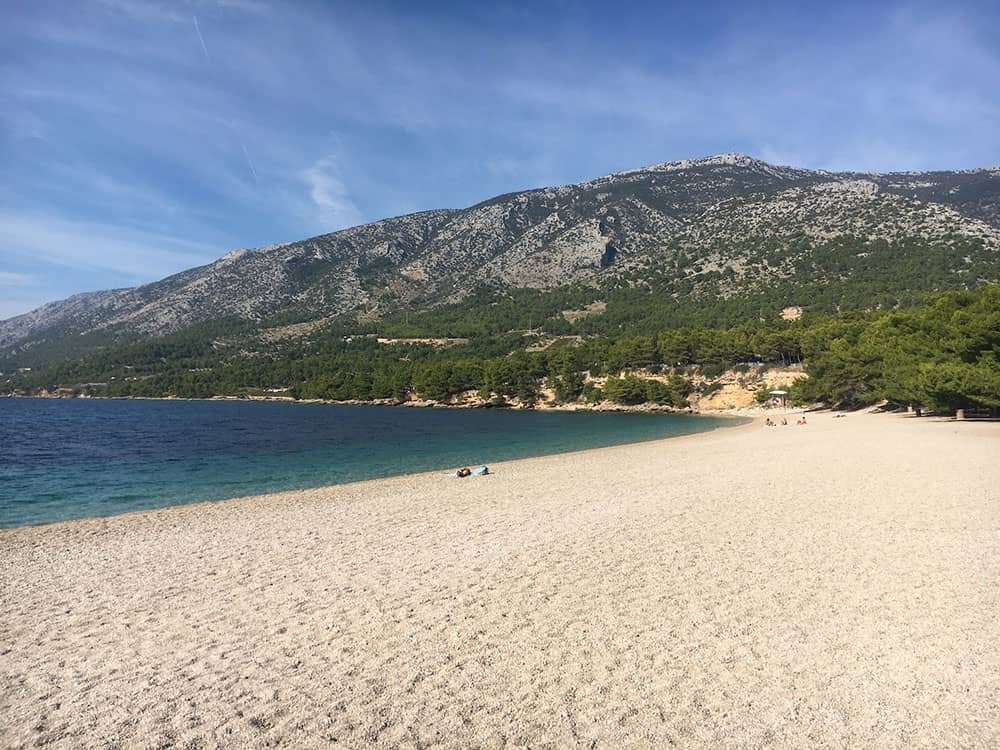
Photo by Mr. Söbau on Unsplash
1. Zlatni Rat Beach, Brač
Zlatni Rat is one of Croatia’s most recognizable beaches, extending into the Adriatic just outside the town of Bol on Brač Island. Seen from above, its narrow pebble shoreline forms a distinctive point surrounded by brilliant blue water, with the slopes of Vidova Gora rising behind it.
One of the most interesting things about Zlatni Rat is that its tip can gradually change direction. Waves, currents, and wind continually reshape the loose pebbles, so the beach does not always have exactly the same outline you see in aerial photographs.
The area is especially popular with swimmers and water-sports enthusiasts. Afternoon winds around Bol create good conditions for windsurfing and kitesurfing, while the clear water makes it easy to cool off after a hot day exploring the island.
Despite its fame, Zlatni Rat isn’t isolated. A pleasant seaside promenade connects the beach with Bol, passing through shaded areas beneath the pines along the way. There are also places to eat and drink near the beach, so there’s little reason to head back to Bol for lunch.
Best for: Iconic Croatian scenery, swimming, windsurfing, and combining a beach day with exploring Bol.
Good to know: Zlatni Rat can become crowded during the peak summer months. Visit earlier in the morning if you’d like to experience the beach before the busiest part of the day.
2. Stiniva Beach, Vis
Hidden between towering limestone cliffs on the southern coast of Vis Island, Stiniva Beach has one of the most dramatic settings of any beach in Croatia. From the sea, the entrance looks remarkably narrow before opening into a small sheltered cove.
The beach itself is covered with smooth pebbles and surrounded by steep rocky walls. Because of the cliffs, parts of the cove receive shade as the day progresses, which can be welcome during Croatia’s hottest summer months.
Stiniva makes you work a little for the view. You can arrive by boat or hike down the steep trail from above. You can approach Stiniva by boat or hike down a steep trail from above. The walk back uphill can be demanding, particularly in midday heat, so sturdy footwear and plenty of water are a good idea.
Its small size is also worth keeping in mind. Stiniva can feel surprisingly crowded when several boats and groups arrive at the same time. Visiting early gives you a better chance to appreciate the unusual landscape before the busiest part of the day.
Best for: Dramatic scenery, swimming, photography, and travelers exploring Vis.
Good to know: Don’t attempt the trail in flip-flops. The path is steep and rocky, and the climb back is considerably harder than the walk down.

Photo by Gabriela Slovak on Unsplash
3. Sakarun Beach, Dugi Otok
Sakarun Beach is one of the most distinctive beaches on Dugi Otok, an island off Croatia’s northern Dalmatian coast. Unlike many Croatian beaches backed by towns and busy promenades, Sakarun sits in a wide bay surrounded by pine trees and Mediterranean vegetation.
The beach is known for its pale pebbles and unusually shallow water. You can walk quite far from shore before the water becomes deep, and the light-colored seabed gives the bay its striking turquoise appearance on sunny days.
That shallow water makes Sakarun particularly appealing for families and anyone who prefers relaxed swimming rather than immediately stepping into deeper water. During summer, you’ll usually find basic seasonal facilities nearby, but the setting still feels noticeably less developed than beaches attached to Croatia’s larger resort towns.
Reaching Sakarun takes some planning. Most travelers visit while staying on Dugi Otok or arrive as part of a boat excursion from the Zadar area. If you’re exploring independently, pair the beach with some of Dugi Otok’s villages, viewpoints, or rugged western coastline rather than driving out only for Sakarun.
Best for: Shallow water, families, swimming, and a laid-back island beach day.
Good to know: You may see Sakarun spelled Saharun in older travel guides and online listings. Both names refer to the same beach.
Pasjača Beach feels completely different from the busy beaches closer to Dubrovnik. Located beneath steep cliffs in the Konavle region, south of the city, it is reached by descending a path and a series of steps cut into the rocky hillside.
The journey down is part of what makes the beach memorable. As you descend, views open across the Adriatic before the small shoreline appears at the base of the cliffs. The beach is a mixture of pebbles and coarse sand, with clear water directly in front of the dramatic rock face.
Pasjača is better suited to travelers looking for scenery and a quieter swim than those wanting a traditional resort beach. There are limited facilities compared with beaches around Dubrovnik, so bring water and anything else you’ll need rather than expecting shops and restaurants beside the shore.
Remember that every step you take downhill has to be climbed again. The return can feel demanding on a hot afternoon, but the unusual setting makes Pasjača one of the more memorable coastal stops in southern Croatia.
Best for: Cliffside scenery, swimming, photography, and escaping Dubrovnik’s busier beaches.
Good to know: Wear proper footwear for the walk down and avoid carrying more beach gear than you need—the climb back to the top is steep.
5. Nugal Beach, Makarska Riviera
Nugal Beach sits beneath forested cliffs between Makarska and Tučepi, giving it a much wilder setting than the developed beaches closer to either town. There are no large hotels or busy waterfront streets directly behind the shore—just steep rock, trees, pebbles, and the Adriatic.
You won’t simply pull up beside Nugal and step onto the beach. Reaching it involves walking through Osejava Forest Park along the coast from the Makarska or Tučepi direction.
The beach is predominantly pebbly, and the water can become deep fairly quickly. With the cliffs and forest rising behind it, Nugal is particularly impressive when viewed from the surrounding coastal paths.
Facilities are limited, so bring enough water, food, and sun protection for your visit. The lack of development is part of Nugal’s appeal, but it also means you’ll need to be more self-sufficient than at Croatia’s resort beaches.
Best for: Nature, coastal hiking, swimming, and travelers looking for a less-developed beach.
Good to know: Nugal has long been associated with naturism, and you may encounter nude sunbathers, particularly away from the busiest periods.
6. Punta Rata Beach, Brela
Punta Rata is one of the best-known beaches along the Makarska Riviera, sitting beside the small coastal town of Brela beneath the slopes of the Biokovo mountain range.
You can also find local beach, walking, and visitor information through the Brela Tourist Board.
The beach combines smooth pebbles with exceptionally clear Adriatic water and dense pine trees that grow close to the shoreline. Those trees provide valuable natural shade, especially during the hottest part of a summer afternoon.
Just offshore stands Brela Stone (Kamen Brela), a small rock topped with Mediterranean vegetation that has become one of the most recognizable sights along this part of Croatia’s coast. It’s an easy landmark to spot while walking along the waterfront.
Punta Rata is more developed than secluded beaches such as Nugal, which makes spending a full day here considerably easier. Brela’s waterfront connects the beach with other swimming spots, restaurants, cafés, and accommodation, and you can walk along the coast rather than staying in one place all day.
With Biokovo behind you and the Adriatic in front, this is an easy beach to recommend if you’re traveling the coast between Split and Dubrovnik.
Best for: Swimming, families, coastal scenery, and travelers staying on the Makarska Riviera.
Good to know: Don’t limit yourself to Punta Rata. Brela has a long waterfront path connecting numerous smaller beaches and coves, so it’s worth walking farther along the coast to find a spot you like.
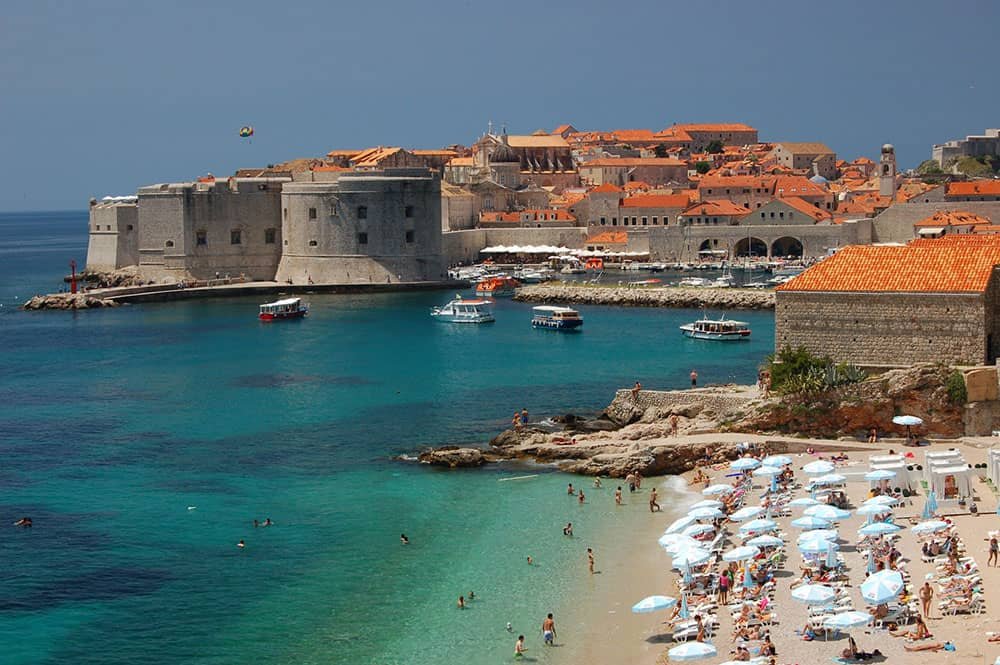
Photo by Hans-Jürgen Weinhardt on Unsplash
7. Sveti Jakov Beach, Dubrovnik
The view is the reason to put Sveti Jakov on your Dubrovnik itinerary. From the beach, you can look back toward Dubrovnik’s historic center and across the water toward Lokrum.
Located east of Dubrovnik’s Old Town, the beach sits below a steep coastal slope and looks back toward the city walls and the island of Lokrum. That setting is particularly impressive later in the day, when the lowering sun changes the light across the coast.
The shoreline is mostly pebbles, and the water is generally clear enough for swimming and snorkeling. Because Sveti Jakov is slightly removed from the busiest streets around the Old Town, the atmosphere can feel more relaxed than at Dubrovnik’s most centrally located beaches.
You’ll need to descend a substantial number of steps to reach the shore, which is worth remembering if you’re carrying bags, umbrellas, or other beach equipment. The climb back up can also feel considerably longer after several hours in the sun.
If you’re spending a few days in Dubrovnik, Sveti Jakov works especially well as an afternoon escape after sightseeing rather than requiring an entire day of your itinerary.
Best for: Swimming, views of Dubrovnik, couples, photography, and combining sightseeing with beach time.
Good to know: Stay into the late afternoon if your schedule allows. The views toward Dubrovnik and Lokrum are one of the main reasons to choose Sveti Jakov over beaches closer to the Old Town.

Photo by Oliver Sjöström on Unsplash
8. Dubovica Beach, Hvar
A short distance from Hvar Town, Dubovica Beach sits at the end of a sheltered bay on the southern coast of Hvar Island. Instead of beach clubs and a busy promenade, you’ll find a small pebble beach framed by stone houses, green hillsides, and clear Adriatic water.
The sheltered shape of the bay makes Dubovica an inviting place for a swim, while the rocky edges give snorkelers something to explore close to shore.
Getting to the beach requires a walk downhill from the main road. The path is manageable for most visitors but can feel much tougher on the return, especially during the hottest part of the afternoon. Proper shoes are far more comfortable than flip-flops.
Dubovica can still become busy in summer despite its relatively secluded appearance. Its proximity to Hvar Town makes it a popular day trip, and boats also stop in the bay.
The old stone houses behind the beach are part of Dubovica’s charm. They give the bay a distinctly different feel from Croatia’s larger hotel-backed beaches.
Best for: Swimming, snorkeling, couples, photography, and a quieter day away from Hvar Town.
Good to know: Parking near the trail can be limited during peak summer. Arriving earlier also makes the downhill walk more comfortable before temperatures rise.
9. Rajska Plaža, Rab
Most of Croatia’s coastline is rocky or pebbly, which makes Rajska Plaža (Paradise Beach) on Rab Island stand out. Located in Lopar, this long sandy beach is one of the better choices for travelers specifically looking for soft sand and shallow water.
The sea remains relatively shallow for a considerable distance from shore, making it popular with families and younger children. You can wade into the water gradually rather than encountering the quick drop-offs found at some pebble beaches along the Adriatic.
Rajska Plaža is also much more developed than the secluded coves elsewhere on this list. During the summer season, the surrounding area offers restaurants, cafés, water activities, and other tourist facilities, so it’s easy to spend most of the day here.
That convenience comes with a trade-off. This isn’t the place to seek complete isolation, particularly during July and August. Instead, Rajska Plaža earns its place among the best beaches in Croatia because it offers something relatively uncommon along the country’s coast: an accessible sandy beach with shallow water and plenty of facilities nearby.
Best for: Families, children, sandy beaches, shallow-water swimming, and easy beach days.
Good to know: Visit early during peak summer if you want more space. The combination of sand, shallow water, and family-friendly facilities makes Rajska Plaža particularly popular in July and August.
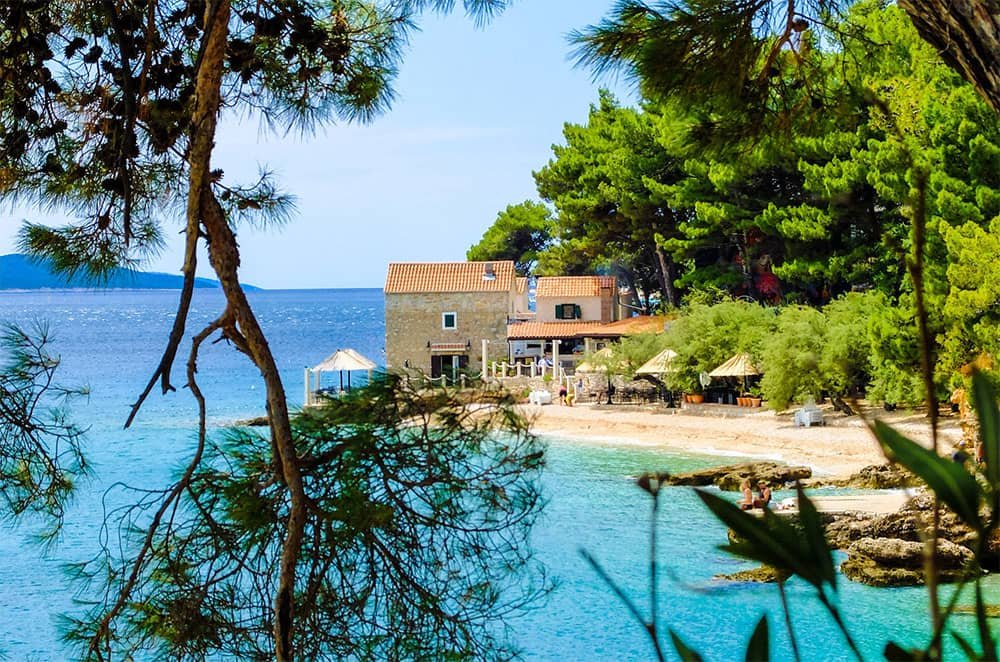
Photo by Perica Orešković on Unsplash
10. Zrće Beach, Pag
Zrće Beach shows a completely different side of Croatia’s coastline. Located near Novalja on the island of Pag, this long pebble beach is best known for its summer nightlife, beach clubs, music festivals, and energetic atmosphere.
During the day, Zrće functions much like a large resort beach. Visitors can swim, relax beside the Adriatic, or choose from a range of water sports and other activities. As afternoon turns into evening, however, the focus increasingly shifts toward the clubs lining the shore.
In summer, Zrće has become one of Croatia’s major destinations for electronic music and beach parties. Several large venues operate around the beach, and scheduled events can continue well into the night.
The landscape adds another dimension to the experience. Pag is known for its stark, rocky terrain, and the pale hills surrounding the area create an unusual backdrop that looks noticeably different from the pine-covered coastline found elsewhere in Croatia.
Come here for a completely different kind of beach day. Zrće isn’t about escaping to a silent Adriatic cove; it’s about music, water sports, beach clubs, and staying long after sunset.
Best for: Nightlife, beach clubs, music festivals, water sports, and groups of friends.
Good to know: Check the summer event calendar before visiting. If nightlife isn’t your priority, visiting earlier in the day provides a very different experience from arriving in the evening.

Photo by Vlado Sestan on Unsplash
Which Beach in Croatia Is Right for Your Trip?
The best beach depends on what you want from your time on Croatia’s coast. A secluded cove on Vis offers a completely different experience from a sandy family beach on Rab or the beach clubs of Pag.
For dramatic scenery, Stiniva and Pasjača are difficult to overlook, with steep cliffs forming the backdrop to both beaches. Zlatni Rat is the obvious choice if you want one of Croatia’s most recognizable coastal landscapes.
Families looking for sand and shallow water should consider Rajska Plaža on Rab, while Sakarun on Dugi Otok combines shallow water with a more natural island setting.
If you’re staying around Dubrovnik, Sveti Jakov lets you combine swimming with views back toward the historic city. Travelers exploring the Makarska Riviera have Punta Rata for an easy beach day or Nugal if they don’t mind walking to somewhere less developed.
For an island escape near Hvar Town, Dubovica offers a sheltered bay without the atmosphere of a large resort. And if your Croatia trip is as much about nightlife as swimming, Zrće Beach on Pag is the clear fit for that particular experience.
Whichever you choose, don’t feel that you need to visit every famous beach. Croatia’s coastline is full of smaller coves and swimming spots, and sometimes the beach you discover while exploring turns out to be the one you remember most.
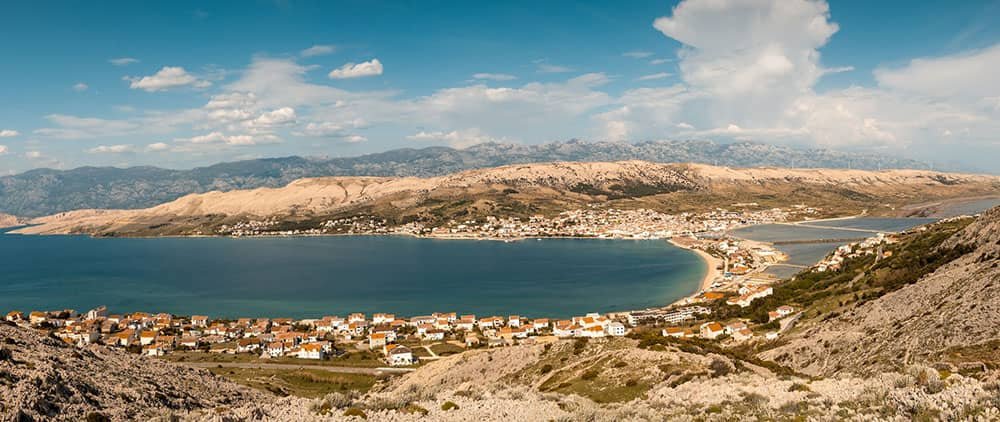
Photo by Marino Linic on Unsplash
Are Croatia’s Beaches Sandy or Pebbly?
One of the biggest surprises for first-time visitors is that most beaches in Croatia are not sandy. Pebbles, rocks, and limestone platforms are much more common along the Adriatic coast.
Pebble beaches do have a few advantages. You won’t leave covered in sand, and once you’re in the water, many of Croatia’s pebble coves are fantastic places to swim.
The downside is comfort. Walking barefoot across sun-heated pebbles can be unpleasant, and rocky sections may be slippery when entering the sea. Water shoes are one of the most useful things you can pack for a Croatia beach holiday, especially if you plan to explore several different beaches.
If sand is important to you, there are still options. Rajska Plaža on Rab is one of the best-known sandy beaches in Croatia, while other islands and coastal areas have smaller stretches of sand or fine sediment.
Don’t judge a Croatian beach by whether it has sand, though. Some of the country’s most memorable swimming spots are tiny pebble coves surrounded by cliffs, pine trees, and intensely blue Adriatic water.
Best Time to Visit Croatia for a Beach Holiday
Croatia’s beach season stretches from late spring into early autumn, but June through September is when most travelers will want to swim.
June is one of the most appealing months if you want warm weather without the largest summer crowds. Beach towns are active, seasonal restaurants and boat services are operating, and the coast generally feels less hectic than during peak season.
July and August bring the hottest weather and busiest beaches. This is when destinations such as Dubrovnik, Hvar, Brač, and the Makarska Riviera are at their liveliest. It’s also peak season for Zrće Beach’s nightlife and summer events. Accommodation and transportation should be booked well ahead if you’re traveling during this period.
September is another excellent option. The Adriatic has had all summer to warm up, while many destinations begin to quiet down as the peak holiday season ends. Earlier in the month, you’ll still find plenty of restaurants, excursions, and seasonal businesses operating.
Late spring can also work if sightseeing is as important as swimming, although the sea may feel cool depending on the weather and location.
If your priority is a combination of swimming, warm weather, and fewer crowds, consider June or September rather than the height of July and August.
Planning the rest of your packing? Our Balkan travel essentials guide covers useful gear for traveling around Croatia and neighboring countries.
What to Pack for Croatia’s Beaches
A beach day in Croatia doesn’t require much equipment, but packing a few practical items can make exploring the coast considerably more comfortable.
Water shoes are particularly useful. Many Croatian beaches have pebbles, rocks, or uneven entrances to the sea, and footwear designed for the water makes getting in and out much easier.
Bring sunscreen, sunglasses, and a hat, especially if you’re visiting an exposed beach with little natural shade. While places such as Punta Rata have pine trees close to the shoreline, more isolated coves may offer almost no protection from the midday sun.
A reusable water bottle is also worth carrying. Smaller and more remote beaches don’t always have shops or beach bars nearby, and the walk back to your car or accommodation can be hot.
If you’re visiting beaches such as Stiniva, Pasjača, Nugal, or Dubovica, pack comfortable walking shoes rather than relying entirely on flip-flops. Reaching some of Croatia’s most beautiful beaches involves steep paths, rocky trails, or long sets of steps.
Finally, consider bringing a snorkel and mask. You don’t need to book an excursion to enjoy the Adriatic underwater—rocky edges around many Croatian coves provide plenty to explore directly from shore.
FAQs About the Best Beaches in Croatia
What is the most beautiful beach in Croatia?
There isn’t a single answer, but Zlatni Rat, Stiniva, Punta Rata, and Pasjača are among Croatia’s most visually distinctive beaches. Zlatni Rat is famous for its unusual shape, while Stiniva and Pasjača stand out for their dramatic cliff settings.
Does Croatia have sandy beaches?
Yes, although sandy beaches are much less common than pebble and rocky beaches. Rajska Plaža on Rab Island is one of Croatia’s best-known sandy beaches and is particularly popular with families because of its shallow water.
Which Croatian island has the best beaches?
Several islands are worth considering rather than choosing one solely for its beaches. Brač has Zlatni Rat, Vis has dramatic coves such as Stiniva, Dugi Otok is home to Sakarun, and Hvar combines attractive swimming spots with historic towns, restaurants, and nightlife.
What are the best beaches near Dubrovnik?
Sveti Jakov Beach is an excellent option close to Dubrovnik, particularly for its views toward the Old Town and Lokrum. Farther south, Pasjača Beach offers a much wilder setting beneath the cliffs of the Konavle region.
What is the best beach in Croatia for families?
Rajska Plaža on Rab is one of the strongest options for families because of its sand and gradually deepening water. Sakarun on Dugi Otok is another option for travelers looking for relatively shallow water.
Do I need water shoes in Croatia?
They’re highly recommended. Many of the best beaches in Croatia have pebble or rocky shorelines, and water shoes make walking along the beach and entering the sea considerably more comfortable.
When is the best month for swimming in Croatia?
July and August generally bring the warmest conditions for swimming, but they are also peak season. June and September are appealing alternatives if you’d rather trade slightly less predictable beach weather for fewer crowds.
Are beaches in Croatia free?
Many Croatian beaches are publicly accessible, although you may have to pay separately for parking, sun loungers, umbrellas, beach clubs, or other services. Access arrangements can vary by location, so check locally when visiting developed resort areas.
More Croatia and Balkan Travel Ideas
Planning more of your trip? These Discover Balkania guides can help you explore more beaches, mountains, and memorable destinations across Croatia and the Balkans.
- 10 Most Beautiful Beaches in the Balkans – Discover more beautiful beaches beyond Croatia, including coastal destinations across the Balkan Peninsula.
- 10 Reasons Why You Should Travel in the Balkan Mountains – Explore national parks, mountain landscapes, outdoor adventures, and destinations across the region.
- 7 High Peaks of the Balkans – Discover some of the region’s highest and most impressive mountains, including peaks in Bulgaria, Montenegro, Albania, North Macedonia, and Bosnia and Herzegovina.
- Must-Have Travel Essentials for the Balkans – Get ready for your trip with practical gear and packing ideas for traveling around Croatia and the wider Balkan region.
- Best Islands in Croatia – Compare Hvar, Brač, Korčula, Vis, Mljet, and other Adriatic islands to find the right one for your trip.
- Croatia UNESCO World Heritage Sites – Explore Dubrovnik, Split, Plitvice Lakes, and Croatia’s remarkable UNESCO-listed cultural and natural heritage.
Before You Head to Croatia’s Beaches
Croatia’s coastline is at its best when you don’t try to turn every beach into another stop on a checklist. Choose a few that fit your route and leave some room for the smaller coves and swimming spots you find along the way.
Zlatni Rat delivers the classic Croatian beach experience, Stiniva and Pasjača are memorable for their dramatic settings, and Punta Rata is an easy choice if you’re traveling along the Makarska Riviera. For families seeking sand and shallow water, Rajska Plaža offers something less common on Croatia’s predominantly pebble coastline.
It’s also worth looking beyond the famous names. Some of the best afternoons on the Adriatic happen at an unnamed cove, a small village beach, or a rocky swimming spot you hadn’t planned to visit.
Pack water shoes, avoid the strongest midday sun, and give yourself enough time to enjoy the coast without rushing. With thousands of kilometers of shoreline and islands scattered throughout the Adriatic, finding a beautiful place to swim in Croatia is rarely the difficult part—deciding when to leave usually is.
What's your reaction?