10 Best Islands in Croatia: Which Croatian Island Should You Visit?

Choosing between the best islands in Croatia is harder than it sounds. The country has more than a thousand islands, islets, and reefs scattered along its Adriatic coast, and the experience can change dramatically depending on where you go.
Hvar has historic towns, beaches, restaurants, and some of Croatia’s best-known nightlife. Brač is easy to reach from Split and is home to the instantly recognizable Zlatni Rat beach. Korčula combines a beautiful fortified old town with vineyards and small coastal villages, while Vis feels noticeably quieter and more remote.
Travelers looking for nature have even more choices. Much of Mljet is protected as a national park, Cres is known for its rugged landscapes and small settlements, and remote Lastovo rewards visitors willing to travel farther from Croatia’s busiest tourist routes.
So which Croatian island should you choose?
This guide compares 10 of the best Croatian islands, including what makes each one different, who it suits best, what to see, and what you should know before planning your trip.
Best Croatian Islands at a Glance
| Island | Best For | Don’t Miss | General Feel |
|---|---|---|---|
| Hvar | Nightlife, history, restaurants | Hvar Town, Pakleni Islands, Stari Grad | Lively and polished |
| Korčula | History, wine, couples | Korčula Old Town, Lumbarda | Historic and relaxed |
| Brač | Beaches, families, easy access | Zlatni Rat, Bol, Vidova Gora | Active and accessible |
| Vis | Quieter trips, coves, boat excursions | Vis Town, Komiža, Stiniva | Laid-back and remote |
| Mljet | Nature, hiking, kayaking | Mljet National Park | Green and peaceful |
| Krk | Road trips, easy access | Krk Town, Vrbnik, Baška | Convenient and varied |
| Rab | Sandy beaches, families | Rab Town, Lopar | Relaxed and beach-focused |
| Cres | Nature, villages, slower travel | Cres Town, Lubenice | Wild and uncrowded |
| Pag | Nightlife, food, unusual landscapes | Pag Town, Pag cheese, Zrće | Dramatic and energetic |
| Lastovo | Seclusion, hiking, nature | Lastovo Nature Park | Remote and tranquil |
If you have enough time, you can also combine two or more islands in the same trip. Which combinations make sense depends largely on where you’re starting, how many days you have, and the seasonal ferry schedule. Always check current ferry connections before building an itinerary around a specific route.
10 Best Islands in Croatia
Croatia’s islands aren’t all variations of the same beach destination. Some are built around historic towns and lively waterfronts, while others are better for hiking, quiet coves, local food, or simply getting away from the busiest parts of the coast. The 10 islands below offer very different experiences, so the best choice depends on how you want to spend your time in Croatia.
1. Hvar Island
Hvar is one of the best-known islands in Croatia, but there is much more to it than beach clubs and nightlife. Historic towns, small stone villages, vineyards, swimming spots, and easy boat trips make it one of the most varied islands on the Dalmatian coast.
Most first-time visitors gravitate toward Hvar Town, where narrow stone streets climb away from the waterfront toward Fortica Fortress. The old town is packed with historic buildings, restaurants, cafés, and bars, while the harbor is the starting point for many boat trips around the surrounding coast.
For a completely different atmosphere, head to Stari Grad. One of the oldest settlements on the island, it feels considerably calmer than Hvar Town and makes a good base if nightlife isn’t a priority. Nearby, the Stari Grad Plain preserves an agricultural landscape whose origins stretch back to ancient Greek settlement and is recognized as a UNESCO World Heritage Site.
What to See and Do on Hvar
One of the easiest excursions from Hvar Town is a boat trip to the Pakleni Islands, the small archipelago just offshore. Their bays and coves are popular for swimming, snorkeling, beach stops, and leisurely lunches by the water.
Back on Hvar, you can climb to Fortica Fortress for views across Hvar Town and the Pakleni Islands, explore Stari Grad, or spend a day discovering smaller coastal communities and inland villages.
Hvar is also known for its lavender-growing tradition and vineyards. Driving or cycling through the interior reveals a much quieter side of the island than you’ll see around its busiest waterfronts.
Beaches on Hvar
Don’t expect endless stretches of soft sand. Like much of the Croatian coast, many beaches and swimming areas on Hvar are pebbly or rocky.
Dubovica Bay, east of Hvar Town, is one of the island’s best-known coves, with a pebble beach surrounded by rocky hillsides and traditional stone houses. Other swimming spots are scattered along the coast, while boat trips provide access to coves and beaches that are more difficult to reach from land.
Who Is Hvar Best For?
Hvar has enough variety to fill several days without much effort. You can spend the morning exploring historic streets, swim or take a boat out in the afternoon, then have dinner and stay out late in Hvar Town.
That energy isn’t everywhere on the island. Stari Grad and the smaller settlements offer much quieter evenings, so choosing the right base matters almost as much as choosing Hvar itself.
Best for: First-time visitors, couples, nightlife, history, restaurants, and boat trips
Don’t miss: Hvar Town, Fortica Fortress, Stari Grad, Dubovica Bay, and the Pakleni Islands
Good to know: Hvar has several distinct bases, so where you stay can make a major difference to the kind of trip you have.
2. Korčula Island
Korčula combines one of Croatia’s most attractive old towns with vineyards, small villages, beaches, and a noticeably slower pace than Hvar. It’s a particularly good island to choose if you want sightseeing and good food without making nightlife the center of your trip.
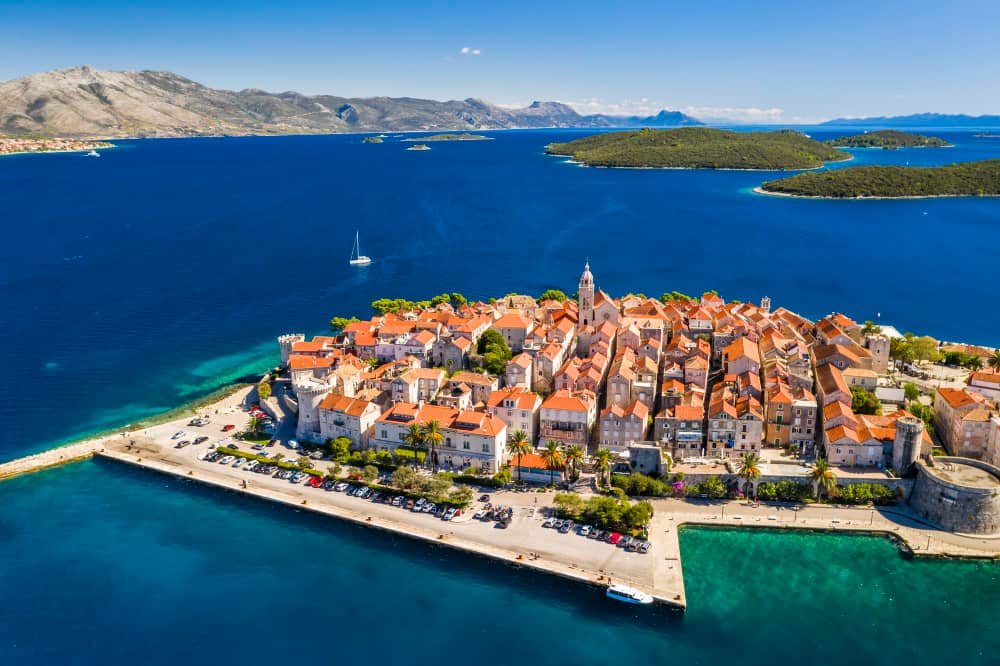
The highlight is Korčula Town, a compact fortified town on a small peninsula surrounded by the Adriatic. Its stone lanes, defensive walls, towers, and historic buildings make it easy to explore on foot, and the waterfront is lined with places to stop for a meal or drink.
At the center of the old town stands St. Mark’s Cathedral, one of Korčula’s most recognizable landmarks. Rather than rushing through the historic center, give yourself time to wander the side streets and walk around the peninsula—the sea is rarely far from view.
What to See and Do on Korčula
Korčula Town may get most of the attention, but exploring beyond it is one of the best reasons to spend several days on the island.
Head east to Lumbarda, a village surrounded by vineyards and known for Grk, a white wine traditionally associated with this part of Korčula. Visiting a local winery is an easy addition to a beach day or afternoon exploring the area.
Farther west, Vela Luka provides another possible base and a very different atmosphere from Korčula Town. Between the two are villages, vineyards, olive groves, and stretches of forest that show a quieter side of the island.
You can explore independently by car or scooter, take a cycling route, join a wine tour, or use boat excursions to reach nearby islets and swimming spots.
Beaches on Korčula
Korčula has a mixture of pebble beaches, rocky swimming areas, coves, and a few sandy beaches.
The Lumbarda area is particularly useful if having easy beach access matters to you. Vela Pržina is one of the island’s better-known sandy beaches and is a popular choice during summer.
Elsewhere around Korčula, smaller coves provide quieter places to swim, although reaching some of them is much easier with your own transportation.
Who Is Korčula Best For?
Korčula has a nice rhythm for travelers who don’t want every day packed with sightseeing. Explore the old town in the morning, head toward Lumbarda for a beach or winery in the afternoon, then return for dinner beside the water.
Stay several nights if you can. Korčula Town is only one part of the island, and some of the most enjoyable days come from venturing into the vineyards, villages, and quieter stretches of coast.
Best for: Couples, history, wine, food, beaches, and slower island trips
Don’t miss: Korčula Old Town, St. Mark’s Cathedral, Lumbarda, local wineries, and Vela Pržina
Good to know: Korčula is not connected to Dubrovnik by a bridge. Access is by ferry or boat, with routes varying by departure point and season.
3. Brač Island
Brač is one of the easiest Croatian islands to add to a trip through Split, but convenience isn’t its only advantage. The island combines lively seaside towns, small villages, hiking, water sports, and one of the most photographed beaches in Croatia.
The best-known destination is Bol, on the southern coast. It’s a popular summer base with a waterfront promenade, restaurants, beaches, and easy access to Zlatni Rat. Elsewhere, places such as Supetar, Pučišća, and Milna offer very different settings, so it’s worth seeing more of Brač than its famous beach.
What to See and Do on Brač
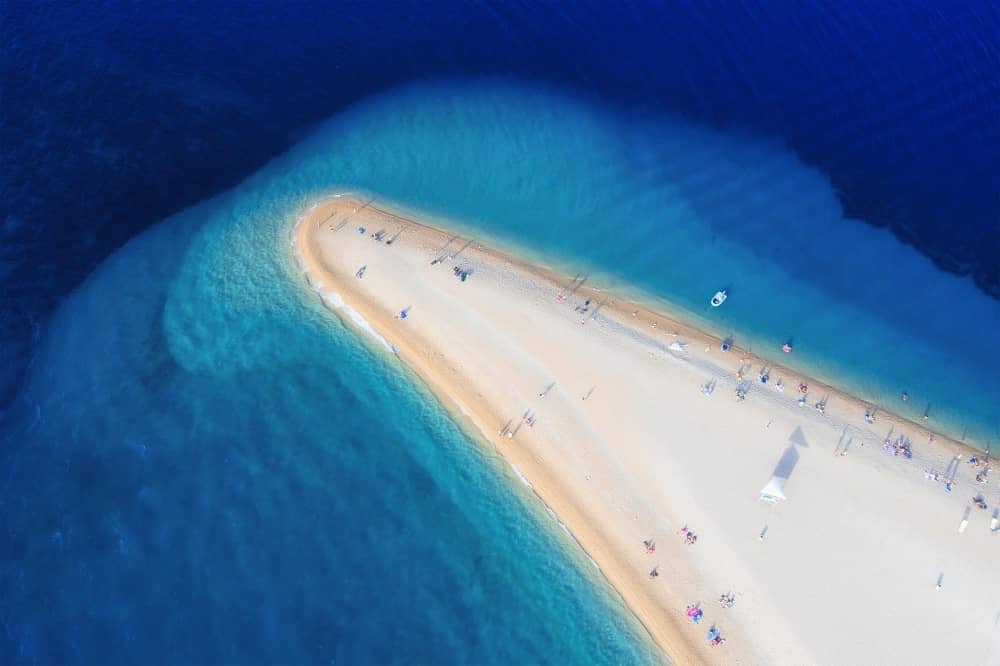
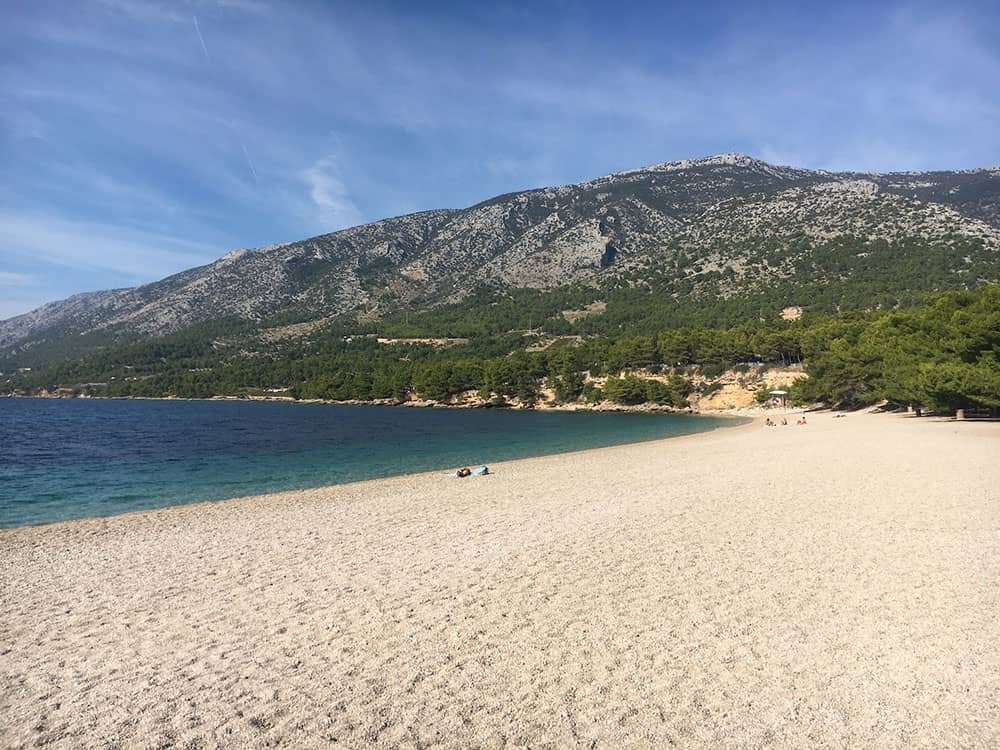
The island’s signature attraction is Zlatni Rat, a long pebble spit extending into the Adriatic near Bol. Its distinctive shape changes subtly with waves, currents, and wind, which is one reason photographs of the beach don’t always look exactly the same.
For a completely different view of Brač, head inland and upward. Vidova Gora is the highest point on the Adriatic islands and offers sweeping views over Zlatni Rat, the surrounding sea, and neighboring islands on a clear day.
If mountain scenery is one of the reasons you’re exploring this part of Europe, you can also discover some of the high peaks of the Balkans.
Brač is also famous for its stone. The village of Pučišća, with its pale stone buildings clustered around a sheltered bay, is one of the best places to see this side of the island.
Beaches on Brač
Zlatni Rat gets most of the attention, but it isn’t Brač’s only place to swim. Pebble beaches, rocky swimming spots, and small coves are scattered around the island, including several around Bol and Supetar.
The afternoon wind around Bol also makes this part of Brač popular for windsurfing and other water sports, so the area works particularly well if you want a more active beach holiday.
Who Is Brač Best For?
Brač is easy to work into a trip based around Split, which makes it tempting to visit quickly. But there’s enough here for several days, especially if you want to mix beaches with hiking, cycling, sightseeing, or water sports.
Families can settle around one of the main coastal towns, while more active travelers can divide their time between the sea and the island’s interior. Either way, don’t assume Brač begins and ends at Zlatni Rat.
Best for: Beaches, families, hiking, water sports, and easy access from Split
Don’t miss: Zlatni Rat, Bol, Vidova Gora, Pučišća, and the island’s smaller coastal villages
Good to know: Brač is much larger than a quick look at Bol might suggest. If you’re staying for several days, having a car or another way to explore beyond your base opens up considerably more of the island.
4. Vis Island
Vis sits farther from the Croatian mainland than many of the country’s popular holiday islands, and that distance is part of its appeal. The pace is slower, the landscape feels less developed, and a trip here is as much about exploring coves, villages, and quiet roads as it is about checking off major attractions.
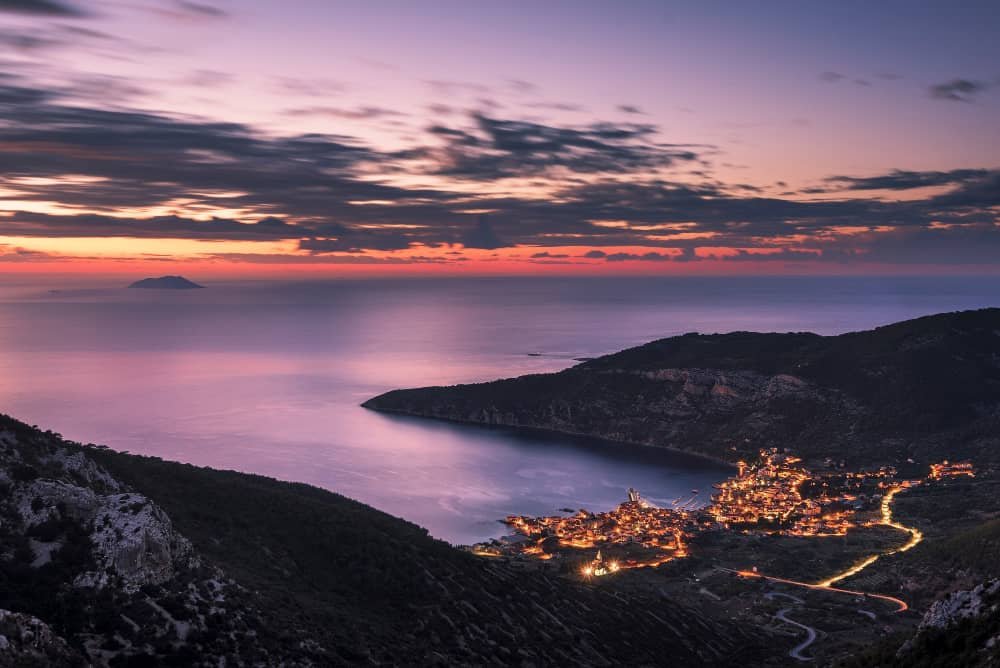
The two main bases are Vis Town and Komiža. Vis Town wraps around a broad natural harbor and has restaurants, historic buildings, and waterfront cafés, while Komiža is a smaller fishing town on the island’s western side, backed by steep hills and facing the open Adriatic.
What to See and Do on Vis
One of the pleasures of Vis is simply exploring the island. Small roads cross vineyards and hills between the two main towns, with turnoffs leading toward beaches, viewpoints, and tiny settlements.
Stiniva Cove is Vis’s best-known natural attraction. Enclosed by towering cliffs with a narrow opening toward the sea, the small pebble beach has an unusually dramatic setting. It can become crowded in summer, however, particularly when excursion boats arrive.
Komiža is also a common departure point for boat trips toward Biševo, a small neighboring island known for its Blue Cave. Sea conditions affect access, so it’s worth treating the excursion as weather-dependent rather than building an entire day around a guaranteed visit.
Vis also has an unusual military history. Because the island was restricted to foreign visitors for decades during the Yugoslav period, remnants of military installations, tunnels, and fortifications can still be found around the island.
Beaches on Vis
Vis rewards travelers willing to seek out smaller swimming spots. Along with Stiniva, the coastline has pebble beaches, rocky coves, and bays reached by road, walking paths, or boat.
Srebrna Beach, near Rukavac, is another well-known option. Its pale pebbles and broad rocky shoreline make it quite different from the enclosed setting of Stiniva.
Why Spend a Few Days on Vis?
Vis isn’t an island where you need a long sightseeing checklist. A good day might mean breakfast beside the harbor, a drive across the island, several hours at a cove, and dinner back in Komiža.
You’ll get considerably more from Vis if you stay for a few nights rather than treating it only as a rushed day trip. That gives you time to explore both Vis Town and Komiža, find a few beaches, and leave room for a boat trip if the weather cooperates.
Best for: Quieter island stays, couples, beaches, scenic drives, and boat trips
Don’t miss: Vis Town, Komiža, Stiniva Cove, Srebrna Beach, and the island’s interior
Good to know: Vis takes more effort to reach than Brač or Hvar, so it makes the most sense when you can give the island several days rather than squeezing it into a busy itinerary.
5. Mljet Island
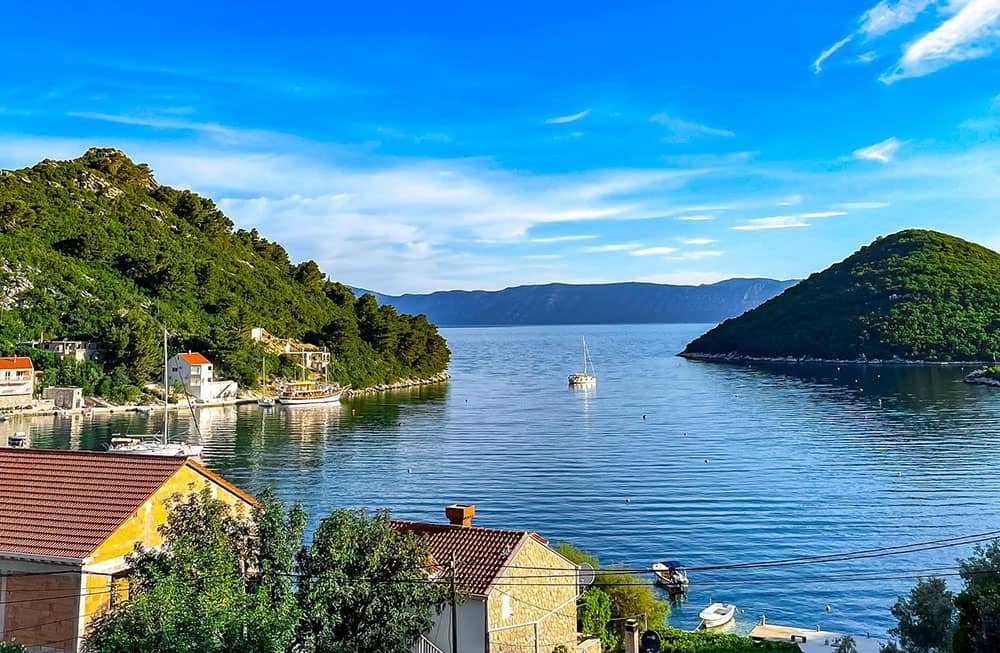
Mljet is the island to consider when nature matters more to you than nightlife or busy resort towns. Much of the island is covered in forest, and its western end is home to Mljet National Park, where wooded trails, calm water, and two striking lakes create one of the most distinctive landscapes among Croatia’s islands.
The island is long and relatively narrow, with small villages and bays scattered along the coast. While you can certainly spend time at the beach, Mljet is at its best when you combine swimming with walking, cycling, kayaking, and exploring the national park.
What to See and Do on Mljet
The main attraction is Mljet National Park, which encompasses the western part of the island. At its heart are Veliko Jezero and Malo Jezero, usually translated as the Great Lake and Small Lake.
Walking and cycling routes around the lakes make this an easy area to explore without rushing. Kayaking is another popular way to experience the park, particularly when the water is calm.
One of Mljet’s most recognizable sights sits within Veliko Jezero. St. Mary’s Island is a tiny islet with a former Benedictine monastery, creating an unusual combination of history and natural scenery in the middle of the lake.
Don’t limit your visit to the national park, though. Driving across Mljet reveals small settlements, quiet bays, forested hills, and a much less developed side of the Croatian coast.
Beaches on Mljet
Mljet isn’t primarily a classic beach-resort island, but there are plenty of places to swim.
Saplunara, at the southeastern end of the island, stands out because sandy beaches are relatively uncommon along this part of Croatia’s coast. Elsewhere, you’ll find pebble beaches, rocky swimming spots, sheltered bays, and opportunities to swim within the national park area.
Who Is Mljet Best For?
Mljet makes the most sense when you want to be outdoors. You can cycle in the morning, swim or kayak in the afternoon, and finish the day somewhere much quieter than Croatia’s major resort towns.
If clubs, shopping, and a long list of bars are important to you, look elsewhere. If forests, water, trails, and slower days sound better, Mljet deserves a place near the top of your list.
Best for: Nature, hiking, cycling, kayaking, swimming, and quieter trips
Don’t miss: Mljet National Park, Veliko Jezero, Malo Jezero, St. Mary’s Island, and Saplunara
Good to know: Mljet National Park covers only part of Mljet, not the entire island. If you have enough time, exploring beyond the park gives you a much better sense of what the island is actually like.
6. Krk Island
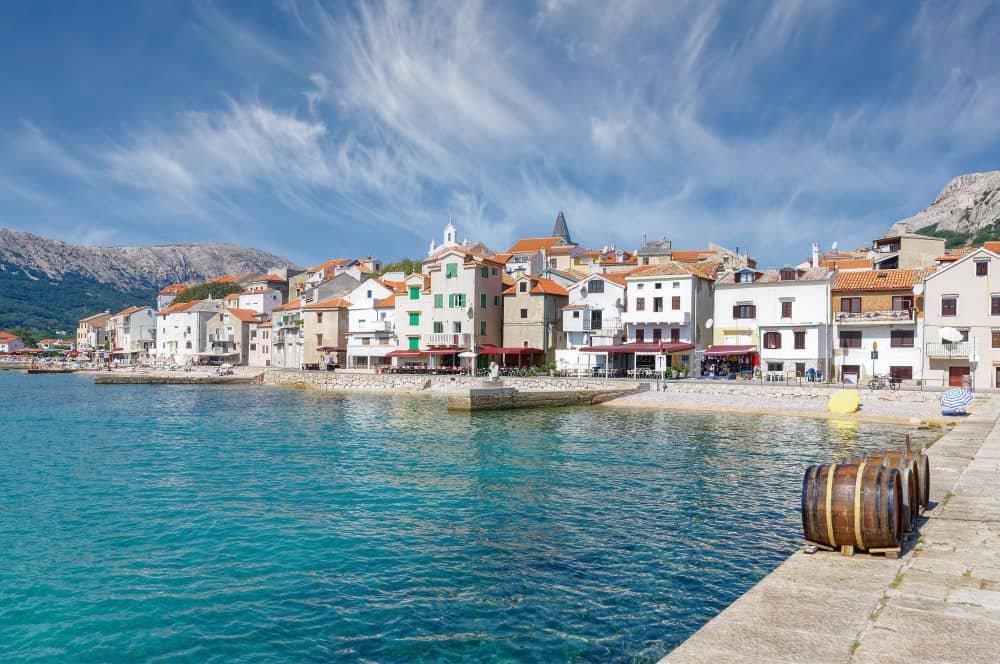
Krk is one of the easiest Croatian islands to reach because it is connected to the mainland by the Krk Bridge. That makes it particularly convenient for road trips: you can drive onto the island without arranging a ferry and still get the beaches, stone towns, coastal scenery, and small villages associated with a Croatian island holiday.
There is no single place that defines Krk. Krk Town offers history and a lively waterfront, Baška is known for its long beach and dramatic mountain backdrop, and Vrbnik occupies a striking position on cliffs above the Adriatic. Having several distinct places to explore is one of the island’s biggest strengths.
What to See and Do on Krk
Start with Krk Town, where medieval walls, narrow streets, historic churches, and the Frankopan Castle surround the old center. It’s compact enough to explore on foot and makes a useful base for discovering the western and southern parts of the island.
On the eastern coast, Vrbnik feels completely different. The old stone village rises above the sea and is closely associated with Žlahtina, a white wine traditionally grown around Vrbnik. A visit can easily combine wandering through the village with a winery or local food stop.
Continue south and the scenery changes again around Baška, where steep, rocky hills frame the coast. The area is also significant to Croatian cultural history: the nearby Church of St. Lucy in Jurandvor is associated with the Baška Tablet, one of the most important early monuments of Croatian written language.
Krk also has hiking and cycling routes, boat excursions, diving opportunities, and smaller villages that are easy to visit when traveling by car.
Beaches on Krk
Krk has a wide variety of places to swim, although pebble and rocky beaches are far more common than long stretches of sand.
Vela Plaža in Baška is one of the island’s best-known beaches, stretching along the bay beneath the surrounding hills. Smaller coves and swimming spots appear all around Krk, so having your own transportation makes it much easier to find alternatives to the busiest beaches.
Who Is Krk Best For?
Krk is especially practical for travelers exploring Croatia by car. The bridge removes the need to coordinate your arrival with a ferry, making it easier to include the island in a wider trip through the northern Adriatic.
Families may also appreciate the range of towns, beaches, restaurants, and activities, while independent travelers can use Krk as a base for several days of driving between villages and different sections of coastline.
Best for: Road trips, families, beaches, historic towns, food and wine
Don’t miss: Krk Town, Baška, Vrbnik, Vela Plaža, and the Baška Tablet site at Jurandvor
Good to know: Krk is large enough that staying in one town and never leaving it means missing much of what makes the island interesting. A car is particularly useful if you want to explore several areas.
7. Rab Island
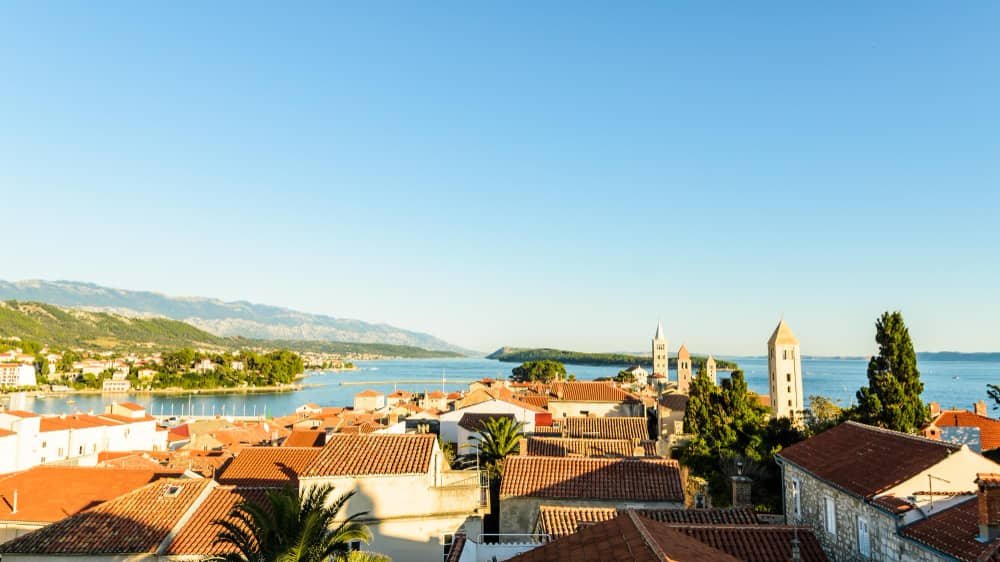
Rab stands out from many Croatian islands because of its combination of a beautifully preserved historic town and an unusually good selection of sandy beaches. While much of Croatia’s coastline is dominated by pebbles and rocks, the Lopar Peninsula in northern Rab has several shallow, sandy bays that make the island especially attractive for families.
At the opposite end of the experience is Rab Town, recognizable by the four bell towers rising above its red-roofed old center. Stone streets, churches, waterfront promenades, and remnants of medieval fortifications make it worth visiting even if beaches are the main reason for your trip.
What to See and Do on Rab
Spend some time exploring Rab Town on foot. The historic center occupies a narrow peninsula, making it easy to wander between old churches, stone lanes, waterfront views, and small squares without following a strict itinerary.
The island also has a greener side. Dundo Forest, part of the forested Kalifront Peninsula, offers walking and cycling routes beneath Mediterranean oak trees and provides a welcome change from the open coastline during the hotter months.
If you have your own transportation, it’s worth driving around the island rather than dividing your entire stay between Rab Town and Lopar. Small villages, viewpoints, coves, and quieter sections of coastline are scattered between the main tourist areas.
Beaches on Rab
Rab’s beaches are one of the clearest reasons to choose it over another Croatian island.
The best-known is Rajska Plaža (Paradise Beach) in Lopar, a long sandy beach with shallow water that is particularly popular with families. The wider Lopar Peninsula has numerous other bays and beaches, giving you alternatives when the main beach is busy.
Elsewhere on Rab, the coastline becomes more typically Croatian, with pebble beaches, rocky swimming areas, and secluded coves.
Who Is Rab Best For?
Rab is a particularly good fit for families and travelers who specifically want sandy beaches but don’t want to sacrifice historic sightseeing.
It also suits couples and independent travelers who prefer a relaxed island atmosphere over major nightlife. You can spend one day wandering through Rab Town, another exploring beaches around Lopar, and another cycling, walking, or searching for quieter coves.
Best for: Sandy beaches, families, historic towns, cycling, and relaxed island stays
Don’t miss: Rab Town, Rajska Plaža, Lopar Peninsula, and Dundo Forest
Good to know: Lopar is an area with several beaches rather than the name of one beach. Rajska Plaža (Paradise Beach) is its famous long sandy beach.
8. Cres Island
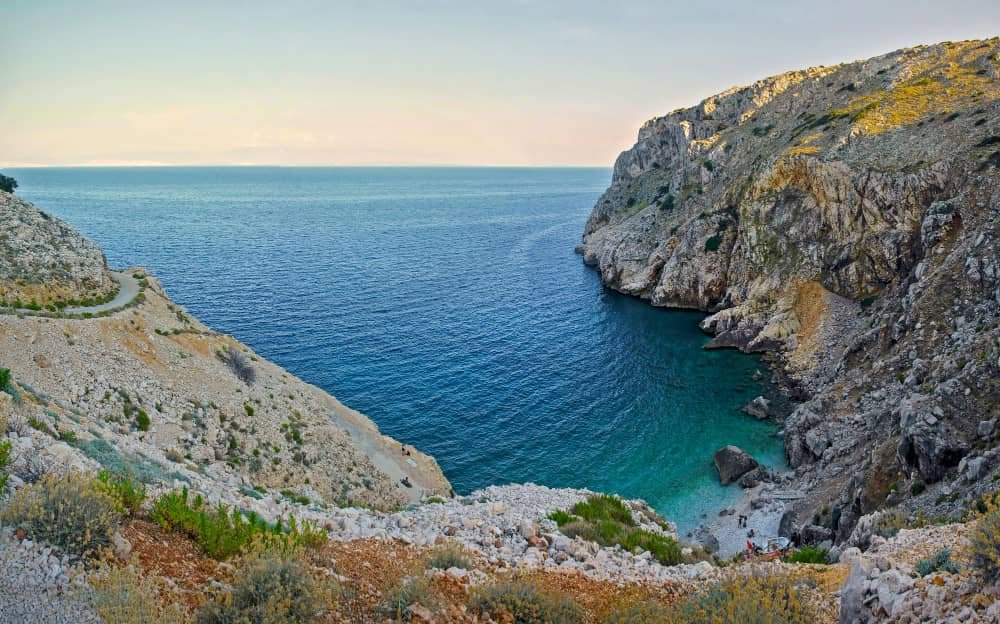
Cres has a wilder feel than many of Croatia’s better-known islands. Forests, rocky hills, small villages, quiet coves, and long stretches of undeveloped coastline make it a good choice for travelers who would rather explore than spend every day in a busy resort.
Cres Town is the island’s main hub and a practical base, with a compact old center, colorful waterfront buildings, cafés, restaurants, and a marina. From there, you can venture into the island’s interior or follow the coast toward smaller settlements.
What to See and Do on Cres
One of the most memorable places on the island is Lubenice, a tiny historic village perched high above the western coast. Its stone houses and elevated position offer dramatic views over the Adriatic.
Cres is also one of Croatia’s important habitats for griffon vultures. The birds nest on cliffs around the island, particularly in its northern reaches, adding another reason for nature lovers to explore beyond the beaches.
Driving around Cres is part of the experience. Roads pass through rugged landscapes, forests, old villages, and viewpoints that feel far removed from Croatia’s busiest coastal resorts.
Beaches on Cres
Many of Cres’s best swimming spots are small pebble beaches and secluded coves rather than large developed beaches.
Some require a walk, drive down smaller roads, or boat trip to reach, but that extra effort is often part of their appeal. The coastline around Lubenice is especially dramatic, with steep slopes descending toward the sea.
If having restaurants, facilities, and effortless beach access directly outside your accommodation is a priority, choose your base carefully. Cres rewards travelers who don’t mind doing a little exploring.
Why Choose Cres Over a Busier Island?
Cres is at its best when you have time to wander. Spend a morning in a hilltop village, follow a road simply because the view looks promising, then find somewhere along the coast for an afternoon swim.
Having a car helps enormously here. Instead of planning the day around a checklist of attractions, you can stop at viewpoints, villages, and coves as you find them—which is really the appeal of Cres in the first place.
Best for: Nature, road trips, quiet beaches, hiking, wildlife, and small villages
Don’t miss: Cres Town, Lubenice, the island’s secluded coves, and its rugged northern landscapes
Good to know: Cres is a fairly large island, and distances can take longer than they appear on a map. Having your own transportation makes exploring beyond Cres Town considerably easier.
9. Pag Island
Pag looks noticeably different from the greener Croatian islands farther south. Large parts of its landscape are rocky, pale, and almost treeless, creating a stark backdrop of limestone hills against the blue Adriatic. Add centuries-old food traditions, historic Pag Town, beaches, and one of Croatia’s best-known nightlife areas, and you get an island with several very different personalities.
Pag Town is the cultural heart of the island. Its orderly stone streets and historic center are closely tied to two traditions for which Pag is particularly famous: Paški sir (Pag cheese) and traditional Pag lace.
What to See and Do on Pag
Food alone is a good reason to explore beyond the beaches. Pag cheese is traditionally made from the milk of the island’s sheep, whose diet and exposed island environment contribute to the cheese’s distinctive character. You can find opportunities around the island to taste local cheese and learn more about its production.
In Pag Town, look for examples of traditional lace-making and spend some time walking through the old center before heading farther into the island.
For a completely different experience, Zrće Beach, near Novalja, is known for beach clubs, festivals, and summer nightlife. It can be extremely lively during major events, but that atmosphere is concentrated in one part of Pag—you don’t have to choose the island solely for partying.
The unusual landscape is another attraction in itself. Driving across Pag reveals barren hills, stone walls, sheep pastures, and wide views that sometimes feel more lunar than Mediterranean.
Beaches on Pag
Pag has a long, deeply indented coastline with beaches and coves ranging from developed swimming areas to much quieter stretches of shore.
Around Novalja, you’ll find several popular beaches in addition to Zrće. Other parts of the island offer a considerably calmer experience, so travelers interested in swimming without the nightlife scene have plenty of alternatives.
As elsewhere in Croatia, expect a mixture of pebble, rocky, and some sandy or fine-gravel beaches rather than assuming every beach will have soft sand.
Which Side of Pag Should You Experience?
Two people can visit Pag and come home describing completely different trips. One might spend the week around Zrće’s clubs and beaches; another might remember Pag cheese, stone streets, quiet swimming spots, and drives through the island’s bare limestone landscape.
Where you stay matters. Novalja during the height of summer feels very different from Pag Town or one of the island’s smaller settlements.
Best for: Local food, unusual landscapes, nightlife, beaches, and road trips
Don’t miss: Pag Town, Pag cheese, Pag lace, the island’s rocky landscapes, and Zrće Beach if nightlife interests you
Good to know: Pag is connected to mainland Croatia by bridge at its southeastern end, making it another Croatian island that can be reached by car without taking a ferry.
10. Lastovo Island
Lastovo is for travelers who are willing to go farther for a quieter side of Croatia. Remote from the mainland and less developed for mass tourism than islands such as Hvar or Brač, it offers forested hills, small settlements, sheltered bays, hiking trails, and remarkably little urban development.
The island and its surrounding archipelago are protected within Lastovo Islands Nature Park, which includes dozens of islands, islets, reefs, and surrounding waters. That protected setting is a major part of Lastovo’s appeal.
What to See and Do on Lastovo
Start in Lastovo village, an unusual historic settlement built inland rather than directly on the coast. Stone houses spread across the hillside, and one of the village’s distinctive features is its collection of elaborate old chimneys, locally known as fumari.
From there, explore the island’s walking trails, viewpoints, churches, forests, and small coastal settlements. Lastovo has dozens of historic churches and chapels scattered across the island, some standing far from the main villages.
For panoramic views, head toward Hum, the island’s highest point. On a clear day, the elevated position gives you a sense of just how isolated Lastovo is within the Adriatic.
The surrounding sea is just as important as the landscape. Boat trips, kayaking, diving, and snorkeling provide another way to explore the protected archipelago and its coves.
Beaches and Swimming on Lastovo
Don’t come to Lastovo expecting long resort beaches lined with hotels and beach bars. Swimming here is more often about finding rocky shores, small pebble beaches, and sheltered bays.
Skriveni, also known as Hidden Bay, is one of the island’s best-known coastal areas. Other swimming spots are scattered around the coastline, particularly near the island’s small bays and seaside settlements.
Having your own transportation makes it considerably easier to move between trailheads, villages, bays, and swimming spots.
Is Lastovo Worth the Extra Journey?
Lastovo makes the most sense for travelers who actively want somewhere quiet. If your priorities are hiking, swimming, nature, stargazing, small villages, and evenings without a major nightlife scene, its remoteness becomes an advantage rather than an inconvenience.
It is less suitable for a rushed itinerary. Reaching the island takes more planning than visiting some of Croatia’s better-connected destinations, so Lastovo is best enjoyed when you can stay long enough to settle into its slower rhythm.
Best for: Nature, hiking, swimming, diving, quiet escapes, and getting away from crowds
Don’t miss: Lastovo village, Lastovo Islands Nature Park, Hum, Skriveni, and the island’s historic churches
Good to know: Ferry schedules and journey times vary by season and departure point. Check current connections before committing to accommodation or onward travel.
Which Croatian Island Is Best for You?
The best Croatian island depends less on which one is the most famous and more on what you actually want to do. A couple looking for quiet evenings and local wine will probably make a different choice from a family searching for sandy beaches or travelers planning their trip around nightlife.
Here’s a quick way to narrow it down:
| If You’re Looking For… | Islands to Consider | Why |
|---|---|---|
| First trip to Croatia | Hvar, Brač, Korčula | Plenty to see and do, with well-established tourist infrastructure |
| Beaches | Brač, Rab, Vis | A good mix of famous beaches, coves, and swimming spots |
| Sandy beaches | Rab | Lopar is particularly well known for its sandy bays |
| Nightlife | Hvar, Pag | Hvar Town and the Zrće area offer two very different nightlife scenes |
| Nature | Mljet, Cres, Lastovo | Forests, trails, protected landscapes, and less-developed coastline |
| Couples | Korčula, Vis, Hvar | Historic towns, restaurants, beaches, and easy opportunities for day trips |
| Families | Rab, Brač, Krk | Beaches, activities, towns, and practical places to base yourself |
| Food and wine | Korčula, Pag, Krk | Vineyards, regional wines, local cheese, and distinctive island specialties |
| Hiking and outdoor activities | Mljet, Cres, Brač, Lastovo | Trails, hills, cycling routes, kayaking, and protected natural areas |
| A quieter escape | Lastovo, Cres, Vis | Better suited to travelers who don’t need a packed nightlife or resort scene |
| Traveling by car | Krk, Pag | Both can be reached from mainland Croatia by bridge |
If you’re still torn between two islands, look first at transportation and the pace you want. Hvar, Brač, and Korčula are easier to work into a classic Dalmatian itinerary, while Mljet, Cres, Vis, and especially Lastovo reward travelers willing to slow down.
And remember that you don’t have to pick only one. With enough time—and the right ferry connections—two contrasting islands can make a better trip than trying to find one island that does everything.
How Many Days Do You Need on the Croatian Islands?
You can visit some Croatian islands on a day trip, but staying overnight usually gives you a much better experience. Once the last day-trippers leave, historic towns become quieter, restaurants settle into the evening, and you have more time to explore beyond the main port.
For most islands, two to four nights is a comfortable starting point. Larger islands such as Brač, Hvar, Krk, and Korčula can easily justify longer stays if you plan to explore several towns and beaches.
A rough guide:
- 1 day: Enough for a focused day trip to one town, beach, or major attraction.
- 2–3 days: Works well for seeing the main highlights while leaving time for swimming and a little exploring.
- 4–5 days: Better if you want beaches, villages, hiking, boat trips, or time to explore different parts of the island.
- 1 week: A good option if the island is the main destination rather than one stop on a larger Croatia itinerary.
Avoid trying to squeeze too many islands into a short trip. Moving between them takes time, and ferry schedules don’t always line up conveniently with the route you have in mind.
If you have one week in Croatia, choosing one or two islands alongside a mainland destination often makes more sense than attempting to visit four or five. With 10 to 14 days, you have more room to combine several islands without spending a large part of the trip checking out of hotels and waiting for transportation.
The right pace also depends on the island. Hvar or Brač can work well as short additions to a stay in Split, while more remote islands such as Vis and Lastovo are usually more rewarding when you give them a few days.
How to Get to and Around the Croatian Islands
Ferries are the main way to reach most Croatian islands, with major departure points including Split, Dubrovnik, Zadar, Rijeka, and several smaller coastal ports. The best route depends on which island you’re visiting and whether you’re traveling as a foot passenger or bringing a car.
Croatia’s island network includes vehicle ferries as well as passenger-only catamarans and fast boats. If you’re traveling with a car, make sure the specific route you’ve chosen accepts vehicles before booking the rest of your itinerary.
Krk and Pag are exceptions among the islands in this guide because both have bridges connecting them to the mainland. They’re particularly convenient if you’re already exploring Croatia by car.
Getting Between Croatian Islands
Island hopping is possible, but don’t assume that every neighboring island has a convenient direct connection.
Some routes make combinations such as Hvar, Brač, Korčula, and Vis relatively straightforward at certain times of year, while other journeys may require returning to a mainland port before continuing to another island.
Check the current ferry timetable before booking accommodation around a specific island-hopping route. Seasonal schedules can make an itinerary that works easily in July much less practical in spring or autumn.
Getting Around Once You’re There
Whether you need a car depends heavily on the island and what you plan to see.
If you’re staying primarily in Hvar Town or Korčula Town, you can do plenty on foot and supplement your trip with buses, taxis, or organized excursions. A car becomes much more useful when you want to explore beaches, inland villages, trailheads, wineries, and quieter sections of larger islands.
On islands such as Krk, Cres, Brač, and Pag, having your own transportation gives you considerably more freedom.
Bikes and e-bikes can also work well for shorter journeys, particularly around flatter areas and designated cycling routes. Just remember that some Croatian islands are hillier than they appear on a map, and summer heat can make longer rides considerably tougher.
If you’re bringing a rental car onto a ferry, check both the ferry requirements and your rental company’s rules before traveling.
Travel tip: During the busiest summer weeks, allow extra time around ferry ports and don’t build an itinerary around extremely tight connections. A little flexibility can make island hopping much less stressful.
Best Time to Visit the Croatian Islands
For most travelers, late spring through early autumn is the easiest period for visiting Croatia’s islands. The best month depends on whether you care most about swimming, warm weather, nightlife, lower prices, or avoiding the busiest crowds.
May and June
Late spring and early summer can be an excellent time for sightseeing, hiking, cycling, and exploring historic towns before the peak-season crowds arrive.
June generally brings warmer conditions and a more summery atmosphere, while ferry connections and tourism services become more frequent as the high season approaches. The sea may still feel cool to some swimmers earlier in this period.
July and August
July and August are the busiest months on many Croatian islands. This is when you’ll find the liveliest atmosphere, warm beach weather, active nightlife, and a wide selection of boat trips and seasonal services.
It’s also when popular destinations such as Hvar Town, Zlatni Rat, Korčula Town, and Zrće Beach can become particularly busy.
Accommodation prices are generally higher during peak season, and popular hotels, apartments, ferries, and excursions can fill up. If you’re traveling during these months, booking important parts of your trip in advance is sensible.
September
September is one of the most appealing months for travelers who still want to swim but prefer a somewhat calmer atmosphere.
The sea retains much of its summer warmth, while the intense peak-season crowds begin to ease. Restaurants, ferries, and tourism businesses are still operating in the main destinations, although schedules can begin changing as the month progresses.
It’s a particularly attractive time for combining beaches with hiking, cycling, sightseeing, and wine or food experiences.
October and the Cooler Months
October can still bring pleasant days along the Adriatic, but island travel becomes less predictable as the main tourist season winds down. Ferry schedules may be reduced, some seasonal restaurants and businesses close, and weather has a greater influence on outdoor plans.
Winter offers an entirely different experience. The islands are much quieter and everyday local life becomes more visible, but travelers should expect fewer tourism services and significantly fewer transportation options.
So, When Should You Go?
For beaches and the full summer atmosphere, July and August offer the greatest range of seasonal activity.
For a balance of good weather, sightseeing, outdoor activities, and fewer peak-season crowds, June and September are particularly worth considering.
Whatever month you choose, check current ferry schedules and opening information before your trip—especially when traveling outside July and August.
Before You Visit the Croatian Islands
A little planning goes a long way when traveling between Croatia’s islands. Ferry routes, accommodation availability, and tourism services can change significantly between peak summer and the quieter months.
Before your trip:
- Check current ferry schedules before booking an island-hopping itinerary, especially outside July and August.
- Book accommodation early for peak summer, particularly in Hvar Town, Bol, Korčula Town, and other popular bases.
- Bring water shoes if you plan to spend a lot of time swimming. Pebble and rocky shorelines are common throughout Croatia.
- Keep a small amount of cash available. Cards are widely useful, but cash can still be convenient for smaller purchases, parking, or places where electronic payment isn’t available.
- Use sun protection and carry water, especially when hiking, cycling, or exploring exposed coastal areas in summer.
- Don’t underestimate travel times. An island may look small on a map, but narrow roads, ferry connections, and summer traffic can slow down a day of exploring.
- Check national park and nature park information directly before visiting protected areas such as Mljet or Lastovo, as entrance arrangements and visitor rules can change.
For more packing ideas, see our Must-Have Travel Essentials for the Balkans and Travel Gear for the Balkans guides.
Most importantly, leave some unscheduled time. Some of the best moments on the Croatian islands come from finding a quiet cove, stopping in a village you hadn’t planned to visit, or staying for dinner somewhere you originally intended to pass through.
Frequently Asked Questions About the Croatian Islands
What is the best island in Croatia for first-time visitors?
Hvar, Brač, and Korčula are all practical choices for a first Croatian island trip. Hvar combines historic towns, beaches, restaurants, nightlife, and boat excursions. Brač is convenient from Split and offers beaches and outdoor activities, while Korčula is a good fit if you prefer historic surroundings, local wine, and a somewhat slower pace.
Which Croatian island has the best beaches?
It depends on the type of beach you want. Brač is famous for Zlatni Rat, Rab stands out for the sandy beaches around Lopar, and Vis has smaller coves and dramatic swimming spots such as Stiniva. Most Croatian beaches are pebble or rocky rather than soft sand.
Which Croatian island is best for sandy beaches?
If sand is the priority, start with Rab. The Lopar Peninsula has several sandy bays, including the popular Rajska Plaža (Paradise Beach).
Mljet also has sandy beaches around Saplunara, but travelers looking for a larger concentration of shallow sandy swimming areas should look closely at Rab.
Is Hvar or Korčula better?
The two islands offer different experiences. Hvar has a livelier atmosphere, particularly around Hvar Town, along with restaurants, nightlife, beaches, and easy boat excursions.
Korčula generally suits travelers more interested in a historic old town, vineyards, local wine, smaller villages, and quieter evenings. Both can work well for couples and first-time visitors.
Which Croatian islands can you drive to?
Among the islands covered in this guide, Krk and Pag are connected to mainland Croatia by bridges, so you can reach them without taking a ferry.
Cars can also be taken to several other Croatian islands using vehicle ferries, although routes and schedules vary.
Can you visit the Croatian islands without a car?
Yes. You don’t need a car for every Croatian island, especially if you stay in a walkable town and plan to use local buses, taxis, boats, or organized excursions.
A car becomes more useful if you want to explore remote beaches, inland villages, wineries, trailheads, and multiple parts of larger islands such as Krk, Brač, Cres, or Pag.
Can you island hop in Croatia?
Yes, but successful island hopping requires some planning. Direct passenger connections operate between certain islands, particularly during the main travel season, but not every pair of islands has a convenient direct route.
Check current ferry schedules before finalizing your accommodation rather than assuming you’ll be able to travel directly from one island to the next.
How many Croatian islands should you visit in one trip?
For a one-week trip, one or two islands usually gives you enough time to explore without constantly moving between hotels and ferry ports.
With 10 to 14 days, you can comfortably consider several islands alongside mainland destinations, depending on transportation connections and how quickly you like to travel.
What is the quietest Croatian island to visit?
Lastovo is the obvious place to look if you want to get away from Croatia’s busier island scene. Vis and Cres can also feel wonderfully quiet, particularly outside July and August and away from their main towns.
More Croatia and Balkan Travel Ideas
Planning more of your trip through Croatia or the surrounding region? Continue with these DiscoverBalkania guides:
- 10 Most Beautiful Beaches in the Balkans — Discover more beaches and coastal destinations across the Balkan Peninsula.
- 7 High Peaks of the Balkans — Explore some of the region’s most impressive mountains and hiking destinations.
- 10 Reasons Why You Should Travel in the Balkan Mountains — Ideas for adding mountains, national parks, and outdoor adventures to your Balkan trip.
- Must-Have Travel Essentials for the Balkans — A practical packing guide for traveling around Croatia and neighboring Balkan countries.
- Travel Gear for the Balkans — Useful gear and packing ideas for road trips, hiking, beaches, and longer Balkan journeys.
Which Croatian Island Will You Choose?
After looking at all 10, you can probably see why asking for the single “best island in Croatia” doesn’t have a very useful answer. Hvar and Lastovo barely feel like the same type of vacation. Neither do nightlife-heavy Zrće and the forest trails of Mljet.
That’s what makes Croatia’s islands so much fun to explore.
Maybe you want mornings on a sandy beach in Rab. Maybe it’s wine and dinner after wandering through Korčula Town, hiking above Brač, driving the empty-looking roads of Pag, or doing very little at all on Vis.
Pick the experience first and the island usually becomes obvious.
Whichever island you choose, don’t try to see everything at once. A few days spent exploring one island—finding a favorite swimming spot, wandering through an old town, trying local food, and venturing beyond the main tourist areas—will usually be more memorable than rushing through several.
And if you can’t decide between two? That might be a good reason to start planning an island-hopping trip.
What's your reaction?