 By
By Montenegro may be one of the smallest countries in the Balkans, but its dramatic mountains, medieval towns, ancient fortifications, and spectacular Adriatic coastline preserve an extraordinary amount of history and natural beauty. The UNESCO World Heritage Sites in Montenegro showcase some of the country’s most remarkable cultural landmarks and protected landscapes.
Today, Montenegro has four properties inscribed on the UNESCO World Heritage List, including three cultural properties and one natural property. Two are shared with other European countries as part of larger transnational World Heritage properties.
From the medieval streets and fortified walls surrounding the Bay of Kotor to the rugged peaks, glacial lakes, and deep canyons of Durmitor National Park, Montenegro’s UNESCO heritage reflects both the human history and dramatic landscapes that have shaped this small Balkan nation.
Travelers can also discover medieval stećci tombstone graveyards and impressive Venetian defensive architecture that connects Montenegro with centuries of history across the Adriatic and Southeastern Europe.
Whether you’re interested in medieval architecture, Balkan history, mountain hiking, ancient monuments, photography, or spectacular coastal scenery, these protected places belong among the most fascinating attractions in Montenegro.
Below, we’ll explore all four UNESCO World Heritage Sites in Montenegro, what makes each one special, and what you should know when planning your visit.
UNESCO World Heritage Sites in Montenegro at a Glance
Montenegro’s UNESCO World Heritage Sites include a spectacular historic coastal region, a protected mountain wilderness, medieval tombstone graveyards, and Venetian defensive architecture. Here’s a quick look at all four UNESCO-listed properties before we explore each one in detail.
| UNESCO World Heritage Site | Type | UNESCO Listing |
|---|---|---|
| Natural and Culturo-Historical Region of Kotor | Cultural | 1979 |
| Durmitor National Park | Natural | 1980 |
| Stećci Medieval Tombstone Graveyards | Cultural | 2016 |
| Venetian Works of Defence between the 16th and 17th Centuries | Cultural | 2017 |
The Stećci Medieval Tombstone Graveyards and Venetian Works of Defence are transnational UNESCO World Heritage properties shared between Montenegro and other European countries.
1. Natural and Culturo-Historical Region of Kotor
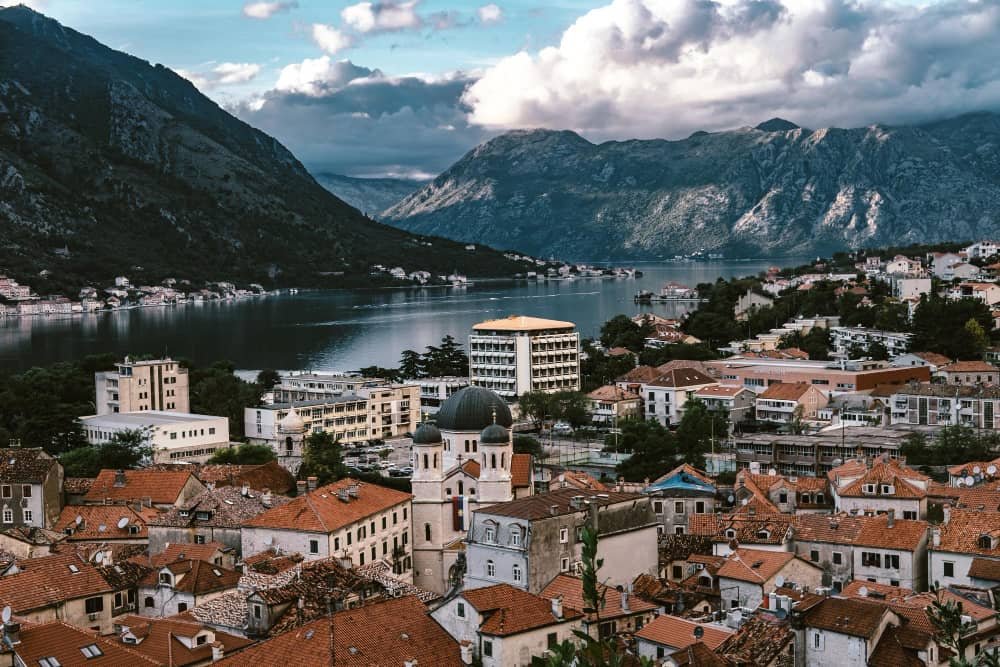
Surrounded by steep mountains and the deep blue waters of the Bay of Kotor, the Natural and Culturo-Historical Region of Kotor is one of Montenegro’s most spectacular destinations. Medieval towns, fortified walls, historic churches, stone palaces, and dramatic coastal scenery come together to create a landscape unlike almost anywhere else along the Adriatic.
UNESCO added the region to the World Heritage List in 1979, recognizing the exceptional relationship between its historic settlements, architectural heritage, and extraordinary natural setting.
What Makes the Bay of Kotor Special?
The UNESCO property extends beyond Kotor’s famous Old Town and encompasses an important part of the surrounding bay and its historic settlements.
At its heart is Kotor Old Town, a remarkably preserved fortified town filled with narrow stone streets, small squares, churches, palaces, and buildings representing centuries of Adriatic history.
One of its most recognizable landmarks is the Cathedral of Saint Tryphon, originally consecrated in the 12th century. Visitors can also explore historic churches, maritime heritage, traditional stone architecture, and the impressive fortifications surrounding the town.
Nearby Perast adds another dimension to the UNESCO landscape with elegant stone palaces, churches, and beautiful views across the bay. Just offshore are the small islands of St. George and Our Lady of the Rocks, creating one of Montenegro‘s most recognizable coastal scenes.
Walking the Kotor Fortifications
Travelers looking for panoramic views can climb above Kotor along the historic fortifications toward the Fortress of St. John. The ascent involves numerous steps and can be strenuous, particularly during the hottest part of summer, but the views over the Old Town and Bay of Kotor are spectacular.
For a more comfortable experience, consider starting early in the morning and carrying plenty of water.
Visiting Kotor
Kotor is one of Montenegro’s busiest destinations, especially when cruise ships arrive during the summer. Visiting early in the morning, later in the afternoon, or outside July and August can provide a more relaxed experience.
Allow enough time to wander rather than simply passing through the Old Town. Exploring Kotor’s streets, visiting its churches and squares, walking along the waterfront, and taking in the surrounding mountains are all part of experiencing this remarkable UNESCO region.
Location: Bay of Kotor, southwestern Montenegro
UNESCO designation: Cultural
Inscribed: 1979
Best for: Medieval architecture, history, coastal scenery, photography, walking, and panoramic views

2. Durmitor National Park
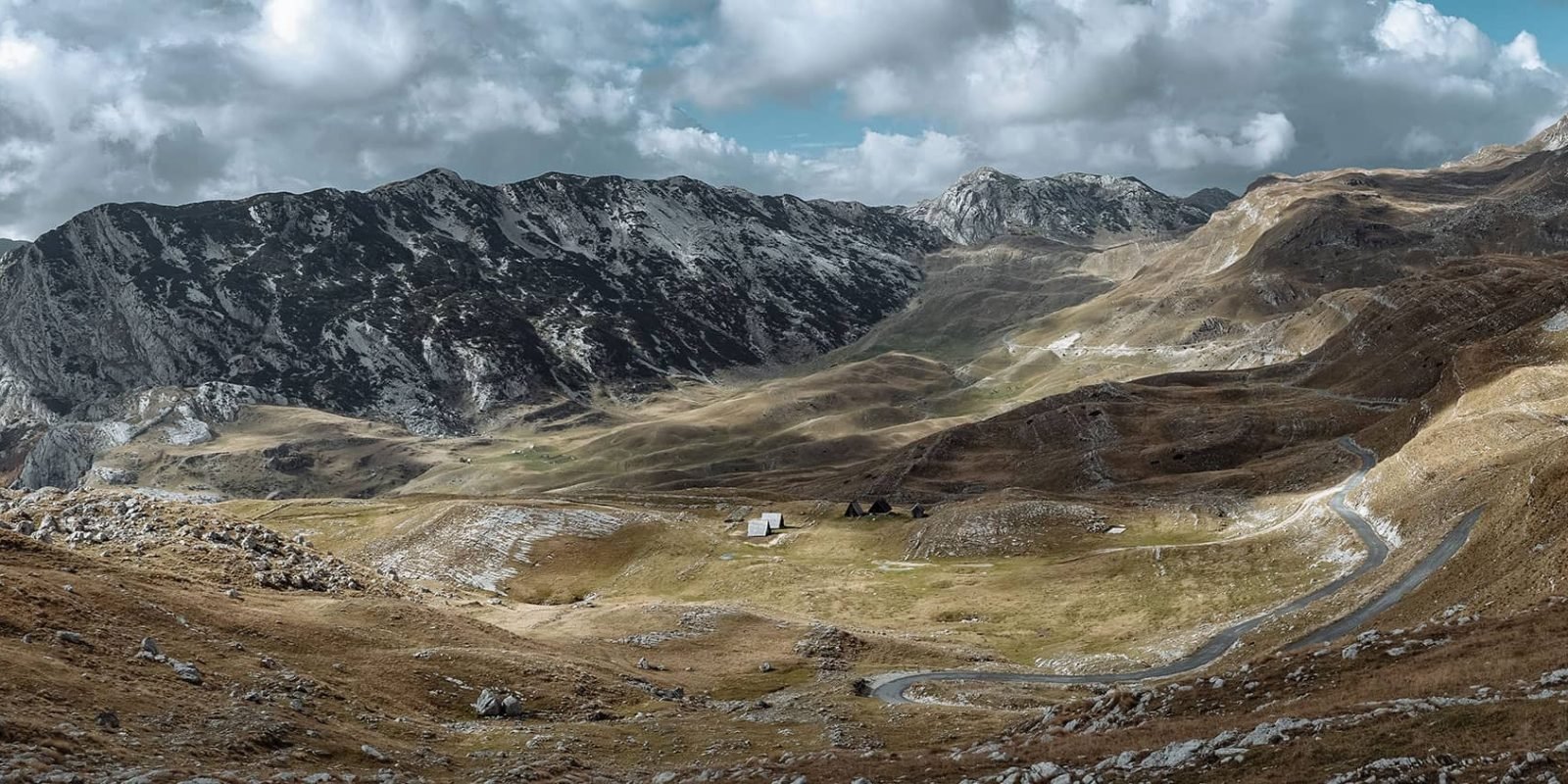
Rugged mountain peaks, deep river canyons, dense forests, and glacial lakes make Durmitor National Park one of Montenegro’s most spectacular natural destinations. Located in the mountainous north of the country, Durmitor offers a completely different experience from the historic towns and sunny coastline of the Adriatic.
UNESCO added Durmitor National Park to the World Heritage List in 1980, recognizing the exceptional geological formations, landscapes, and biodiversity found throughout the region.
What Makes Durmitor National Park Special?
The Durmitor massif is characterized by dramatic limestone peaks shaped by glaciers and erosion over millions of years. Its highest summit, Bobotov Kuk, rises to 2,523 meters (8,278 feet) above sea level and is one of the best-known hiking destinations in Montenegro.
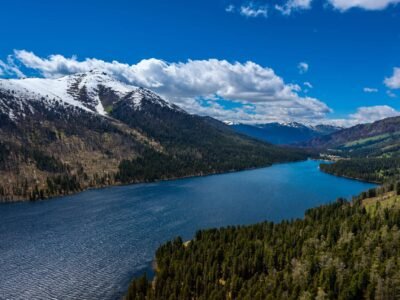
The park is also famous for its numerous glacial lakes, locally known as gorske oči, or “mountain eyes.” The most visited is Black Lake (Crno Jezero), surrounded by forest beneath the towering peaks of Durmitor.
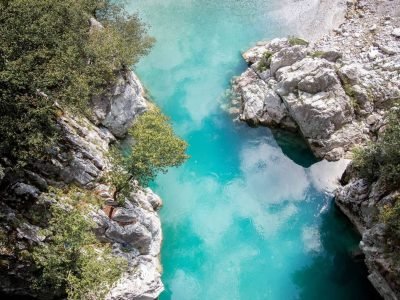
Another extraordinary natural feature is the Tara River Canyon. The Tara River cuts through a dramatic landscape of cliffs and forests, creating one of Europe’s most impressive river canyons and a popular destination for rafting.
Things to Do in Durmitor National Park
Hiking is one of the best ways to experience Durmitor, with trails ranging from relatively easy walks around Black Lake to demanding routes through high mountain terrain.
Visitors can also enjoy rafting on the Tara River, cycling, wildlife watching, photography, scenic drives, and viewpoints throughout the surrounding mountains.
The Đurđevića Tara Bridge, spanning the Tara River Canyon near the park, is another popular stop and offers impressive views of the surrounding landscape.
Visiting Durmitor National Park
The mountain town of Žabljak is the main base for exploring Durmitor National Park. From here, travelers can reach Black Lake, hiking trails, viewpoints, and other attractions throughout the region.
Summer and early autumn are generally the most accessible seasons for hiking, although mountain weather can change rapidly. Winter brings heavy snowfall and transforms the Žabljak area into a destination for skiing and other winter activities.
If you’re planning a road trip through Montenegro, spending at least one or two nights around Žabljak allows much more time to experience the park than attempting a rushed visit from the coast.
Location: Northern Montenegro, near Žabljak
UNESCO designation: Natural
Inscribed: 1980
Best for: Hiking, mountains, glacial lakes, rafting, photography, and outdoor adventure
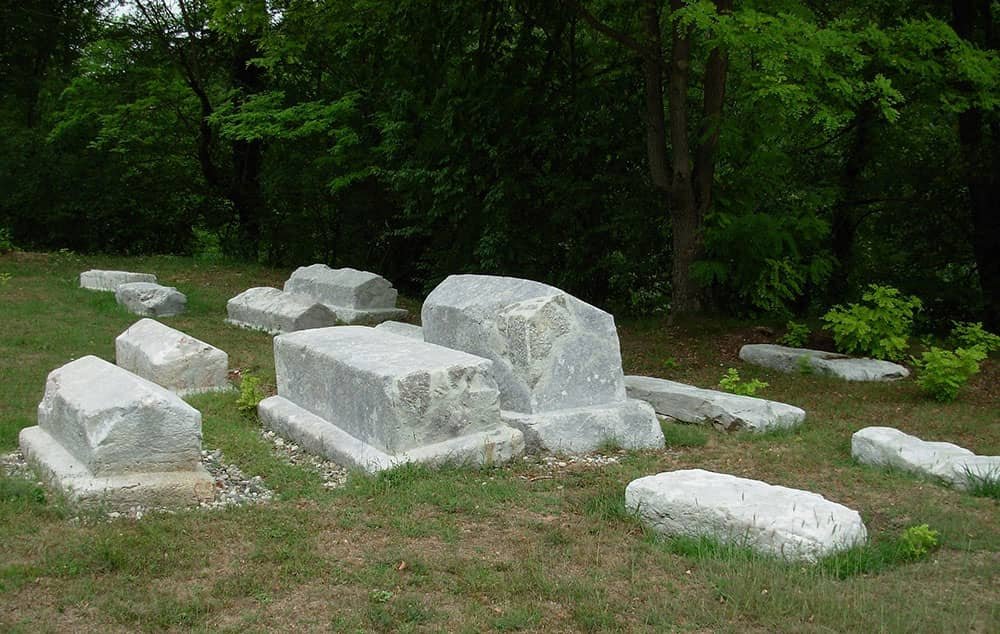
Photo: Goldfinger / Wikipedia
3. Stećci Medieval Tombstones Graveyards
Scattered across parts of the western Balkans, stećci are distinctive medieval stone tombstones that provide a fascinating connection to the people and cultures that lived in this region centuries ago. Montenegro contains several important examples that form part of the transnational Stećci Medieval Tombstone Graveyards UNESCO World Heritage property.
UNESCO inscribed the property on the World Heritage List in 2016. It is shared by Montenegro, Bosnia and Herzegovina, Croatia, and Serbia, reflecting a medieval cultural tradition that crossed the borders of today’s Balkan countries.
What Makes the Stećci Tombstones Special?
Stećci were created primarily between the 12th and 16th centuries and vary considerably in shape and decoration. Some are relatively simple stone slabs, while others feature carved geometric patterns, crosses, human figures, animals, weapons, and scenes connected with everyday life.
Their inscriptions and decorative motifs provide valuable clues about medieval communities, beliefs, artistic traditions, and social structures throughout this part of Southeastern Europe.
Montenegro’s UNESCO-listed stećci are represented by three necropolises: two near Žabljak — Bare Žugića and Grčko Groblje — and another Grčko Groblje site near Plužine.
Their locations amid Montenegro’s mountainous landscapes make these historic graveyards especially atmospheric places to explore.
Visiting Montenegro’s Stećci Sites
The stećci sites receive far fewer visitors than Kotor or Durmitor National Park, making them particularly interesting for travelers who enjoy discovering lesser-known historical places.
The two necropolises near Žabljak are especially convenient to combine with a visit to Durmitor National Park. Travelers exploring the Piva region can incorporate the site near Plužine into a longer road trip through northern Montenegro.
Because these are historic burial grounds, visitors should avoid climbing on or touching the monuments and help preserve the sites for future generations.
Location: Žabljak and Plužine regions, northern Montenegro
UNESCO designation: Cultural, transnational property
Inscribed: 2016
Best for: Medieval history, archaeology, cultural heritage, photography, and off-the-beaten-path travel
4. Venetian Works of Defence
Montenegro’s fourth UNESCO World Heritage property connects the country to the powerful maritime history of the Republic of Venice. Officially known as the Venetian Works of Defence between the 16th and 17th Centuries: Stato da Terra – Western Stato da Mar, this transnational property includes a collection of historic fortifications in Montenegro, Croatia, and Italy.
UNESCO inscribed the property on the World Heritage List in 2017, recognizing the exceptional defensive systems developed by the Venetian Republic to protect its territories and important maritime routes.
What Makes the Venetian Works of Defence Special?
Between the 16th and 17th centuries, Venice developed an extensive network of fortifications to defend its territories against changing military threats.
The UNESCO property consists of six components spread across Italy, Croatia, and Montenegro. Montenegro is represented by the Fortified City of Kotor, whose defensive walls and fortifications protected an important strategic position along the eastern Adriatic.
Kotor’s defensive system extends from the historic Old Town up the steep mountainside above the city. Its walls, gates, bastions, and fortifications demonstrate how military architecture was adapted to the dramatic natural landscape surrounding the Bay of Kotor.
This also makes Kotor particularly unusual from a UNESCO perspective: the city and its fortifications contribute to two separate World Heritage properties.
Exploring Kotor’s Venetian Fortifications
Visitors can see sections of Kotor’s historic defensive system while exploring the Old Town, including impressive gates and walls incorporated into the medieval cityscape.
For a more adventurous experience, routes climbing the mountainside above Kotor provide increasingly dramatic views over the red rooftops of the Old Town and the Bay of Kotor.
The climb can be strenuous, particularly during Montenegro’s hot summer months. Starting early, wearing appropriate footwear, and carrying enough water can make the experience considerably more comfortable.
Even if you don’t complete the full ascent, Kotor’s fortifications remain visible throughout the city and are an essential part of its distinctive character.
Location: Kotor, southwestern Montenegro
UNESCO designation: Cultural, transnational property
Inscribed: 2017
Best for: Military history, architecture, medieval fortifications, hiking, photography, and panoramic views
How to Visit Montenegro’s UNESCO World Heritage Sites
Montenegro’s compact size makes it relatively easy to combine several UNESCO World Heritage Sites in a single trip. However, the properties are spread between the Adriatic coast and the mountainous north, so a little planning can make your itinerary much more efficient.
For most travelers, Kotor and Žabljak make the best bases for exploring Montenegro’s UNESCO heritage.
UNESCO Sites Around Kotor
Kotor is particularly important because it contributes to two UNESCO World Heritage properties: the Natural and Culturo-Historical Region of Kotor and the transnational Venetian Works of Defence.
You can explore Kotor Old Town, its churches, squares, gates, and fortifications on foot. Allowing at least a full day gives you more time to wander through the historic center and enjoy the surrounding Bay of Kotor rather than rushing through the city.
Travelers with additional time can also visit nearby Perast and explore more of the spectacular coastline surrounding the bay.
UNESCO Sites Around Žabljak
The mountain town of Žabljak is the main gateway to Durmitor National Park and also provides convenient access to two of Montenegro’s UNESCO-listed stećci necropolises.
This makes northern Montenegro particularly easy to explore as one UNESCO-focused part of your itinerary. You can spend one day hiking around Black Lake or exploring Durmitor and another visiting nearby historical and natural attractions.
Getting Between Kotor and Durmitor
Traveling from Montenegro’s coast into the mountainous north reveals just how dramatically the country’s landscape changes over a relatively short distance.
A rental car provides the greatest flexibility, especially if you want to visit smaller archaeological sites, viewpoints, mountain villages, and attractions outside the main towns.
Roads through mountainous areas can be narrow and winding, so allow more travel time than the distance on a map might suggest.
How Many Days Do You Need?
You could experience the main highlights of Montenegro’s UNESCO heritage in approximately four to six days, but spending a week or longer provides a much more relaxed trip.
A simple itinerary could combine Kotor and the Bay of Kotor with several days around Žabljak and Durmitor National Park. This gives you a great mix of medieval architecture, Adriatic scenery, mountain landscapes, outdoor activities, and lesser-known historical sites.
Best Time to Visit Montenegro’s UNESCO World Heritage Sites
The best time to explore Montenegro’s UNESCO World Heritage Sites depends on whether your trip focuses on the Adriatic coast, mountain adventures, historical sightseeing, or a combination of all three.
For an itinerary that includes both Kotor and Durmitor National Park, late May through June and September through early October generally offer an excellent balance of pleasant weather, outdoor activities, and fewer visitors than the busiest summer months.
Spring: April to June
Spring is an excellent season for sightseeing around Kotor and the Bay of Kotor. Temperatures become increasingly comfortable, vegetation is lush, and the busiest part of the summer tourism season has yet to arrive.
Higher elevations around Durmitor can remain cold or snowy later into spring, so travelers planning mountain hikes should always check current trail and weather conditions.
By late spring and early summer, more hiking opportunities generally become accessible.
Summer: July and August
Summer is Montenegro’s busiest travel season, particularly along the Adriatic coast. Kotor can become crowded during the day, especially when cruise ships are in port.
If you’re visiting during July or August, exploring Kotor early in the morning or later in the afternoon can provide a more enjoyable experience.
Summer is also one of the best periods for hiking in Durmitor National Park, exploring its glacial lakes, and enjoying activities such as rafting on the Tara River.
Autumn: September and October
September is one of the best months for combining Montenegro’s coast and mountains. The weather is often still pleasant, while peak summer crowds begin to decrease.
Early autumn can provide excellent hiking conditions around Durmitor, and the changing colors of the mountain forests add another dimension to the scenery.
Conditions become less predictable as October progresses, particularly at higher elevations.
Winter: November to March
Winter creates two very different travel experiences. Kotor becomes much quieter than during summer, while the mountains around Žabljak and Durmitor receive significant snowfall.
The Žabljak region becomes a winter destination for skiing and other snow activities, but many high-elevation hiking routes are inaccessible or require specialized winter equipment and experience.
Travelers primarily interested in historical sightseeing may enjoy the quieter atmosphere along the coast, although some attractions can operate reduced seasonal hours.
Best Overall Months
For most travelers hoping to experience several UNESCO World Heritage Sites in Montenegro during one trip, June and September are particularly good choices.
These months generally provide favorable conditions for exploring Kotor, driving through the country, hiking in the mountains, and enjoying Montenegro’s landscapes without the heaviest crowds of July and August.
FAQs About UNESCO World Heritage Sites in Montenegro
How many UNESCO World Heritage Sites are in Montenegro?
Montenegro has four properties on the UNESCO World Heritage List. Three are classified as cultural properties and one as a natural property. Two of the cultural properties are transnational sites shared with other European countries.
What are the four UNESCO World Heritage Sites in Montenegro?
Montenegro’s four UNESCO World Heritage properties are the Natural and Culturo-Historical Region of Kotor, Durmitor National Park, Stećci Medieval Tombstone Graveyards, and Venetian Works of Defence between the 16th and 17th Centuries: Stato da Terra – Western Stato da Mar.
Is Kotor a UNESCO World Heritage Site?
Yes. The Natural and Culturo-Historical Region of Kotor has been on the UNESCO World Heritage List since 1979. Kotor’s fortifications also form Montenegro’s component of the separate transnational Venetian Works of Defence World Heritage property.
This means Kotor contributes to two different UNESCO World Heritage properties.
Is Durmitor National Park a UNESCO World Heritage Site?
Yes. Durmitor National Park was inscribed on the UNESCO World Heritage List in 1980. It is Montenegro’s only natural World Heritage property and is known for its rugged mountains, glacial lakes, forests, and the spectacular Tara River Canyon.
Is the Old Town of Bar a UNESCO World Heritage Site?
No. Old Bar (Stari Bar) is an important historical and archaeological destination, but it is not currently inscribed on the UNESCO World Heritage List. The historic town is associated with Montenegro’s UNESCO Tentative List rather than its four inscribed World Heritage properties.
Which UNESCO sites can you visit from Kotor?
Travelers staying in Kotor can easily explore the Natural and Culturo-Historical Region of Kotor and Montenegro’s component of the Venetian Works of Defence.
Kotor also makes an excellent base for exploring the wider Bay of Kotor, including historic Perast and other coastal attractions.
Can you visit all of Montenegro’s UNESCO sites in one trip?
Yes. Montenegro’s relatively small size makes it possible to experience all four UNESCO World Heritage properties during one trip.
A practical itinerary can combine several days around Kotor and the Adriatic coast with a journey north to Žabljak and Durmitor National Park, where you can also explore nearby stećci tombstone sites.
What is the best UNESCO site to visit in Montenegro?
For history and architecture, Kotor is an excellent choice, while travelers interested in hiking and dramatic natural landscapes should prioritize Durmitor National Park.
If you have enough time, visiting both provides the best introduction to Montenegro’s extraordinary combination of cultural heritage and natural beauty.
What is the best time to visit Montenegro’s UNESCO sites?
June and September are excellent months for travelers who want to combine coastal sightseeing with mountain activities. The weather is generally favorable, while crowds are often more manageable than during the peak tourism months of July and August.
More Places to Visit in Montenegro
Montenegro’s UNESCO World Heritage Sites are only part of what makes this small Balkan country such a rewarding destination. Beyond Kotor and Durmitor, you’ll find historic coastal towns, mountain villages, beautiful beaches, dramatic canyons, monasteries, lakes, and scenic roads connecting the Adriatic coast with the country’s rugged interior.
If you’re planning a longer trip, explore more of our Montenegro travel guides to discover destinations you can combine with the UNESCO sites featured above.
- Best Places to Visit in Montenegro – Discover beautiful coastal towns, mountain destinations, historical landmarks, and some of the country’s most impressive natural attractions.
- Best Beaches in Montenegro – Explore beautiful beaches and swimming spots along Montenegro’s Adriatic coastline.
- Best Things to Do in Kotor – Discover historic churches, medieval streets, fortifications, viewpoints, and attractions around the Bay of Kotor.
- Best Things to Do in Durmitor National Park – Find hiking trails, glacial lakes, viewpoints, rafting opportunities, and outdoor adventures in northern Montenegro.
- Most Beautiful Places in Montenegro – Explore spectacular destinations ranging from the Bay of Kotor and Adriatic coast to mountains, lakes, and canyons.
Whether you’re planning a short coastal getaway or a road trip across the country, combining Montenegro’s UNESCO sites with a few lesser-known destinations can give you a much better sense of the country’s history, landscapes, and culture.
Discover Montenegro’s UNESCO Heritage
From medieval fortified towns overlooking the Adriatic to rugged mountain peaks and centuries-old stone tombstones, the UNESCO World Heritage Sites in Montenegro reveal an extraordinary amount of history and natural beauty within one of Europe’s smallest countries.
Kotor showcases Montenegro’s rich maritime history, medieval architecture, and spectacular coastal setting, while Durmitor National Park protects a dramatically different landscape of mountains, forests, glacial lakes, and deep river canyons. The country’s stećci graveyards provide a fascinating connection to medieval Balkan culture, while Kotor’s Venetian fortifications reveal Montenegro’s historic importance along the Adriatic.
One of the advantages of exploring Montenegro is that you don’t have to choose between history and nature. In a relatively short trip, you can wander through centuries-old stone streets beside the sea, climb historic fortifications, hike through dramatic mountain landscapes, and discover archaeological sites far from the country’s busiest tourist destinations.
You don’t need to rush through all four UNESCO properties simply to check them off a list. Take time to explore the landscapes and communities surrounding them, and you’ll discover why these remarkable places have earned international recognition.
Whether Montenegro is your main destination or part of a longer journey through the Balkans, its UNESCO-protected heritage deserves a place on your itinerary.
What's your reaction?