
Bulgaria may be one of Europe’s most underrated destinations, but its remarkable collection of ancient tombs, medieval churches, monasteries, historic towns, mountains, forests, and protected wetlands tells a very different story. The UNESCO World Heritage Sites in Bulgaria showcase thousands of years of history alongside some of the country’s most spectacular natural landscapes.
Today, Bulgaria has 10 properties inscribed on the UNESCO World Heritage List, including seven cultural and three natural properties. Together, they range from ancient Thracian burial tombs and extraordinary medieval frescoes to protected wetlands, rugged mountain landscapes, and primeval forests.
These UNESCO treasures span thousands of years of Bulgarian and Balkan history. You can admire remarkably preserved Thracian art, discover medieval frescoes inside churches carved into cliffs, walk through the cobbled streets of historic Nessebar, and visit Rila Monastery beneath the towering peaks of the Rila Mountains.
Bulgaria’s natural heritage is equally impressive. Pirin National Park protects dramatic alpine landscapes filled with rugged peaks and glacial lakes, while Srebarna Nature Reserve provides an important habitat for migratory birds and other wildlife. Bulgaria also forms part of the transnational Ancient and Primeval Beech Forests of the Carpathians and Other Regions of Europe UNESCO property.
Whether you’re interested in archaeology, Bulgarian history, medieval architecture, hiking, wildlife, or simply discovering places beyond Europe’s most crowded destinations, these remarkable landmarks offer some of the country’s most memorable experiences.
Below, we’ll explore all 10 UNESCO World Heritage Sites in Bulgaria, what makes each one special, and what travelers should know before visiting.
UNESCO World Heritage Sites in Bulgaria at a Glance
Bulgaria’s UNESCO World Heritage Sites include remarkable ancient monuments, medieval churches and monasteries, historic towns, protected wetlands, mountain landscapes, and primeval forests. Here’s a quick look at all 10 UNESCO-listed properties before we explore each one in detail.
| UNESCO World Heritage Site | Type | UNESCO Listing |
|---|---|---|
| Rila Monastery | Cultural | 1983 |
| Boyana Church | Cultural | 1979 |
| Madara Rider | Cultural | 1979 |
| Thracian Tomb of Kazanlak | Cultural | 1979 |
| Rock-Hewn Churches of Ivanovo | Cultural | 1979 |
| Ancient City of Nessebar | Cultural | 1983 |
| Thracian Tomb of Sveshtari | Cultural | 1985 |
| Pirin National Park | Natural | 1983 |
| Srebarna Nature Reserve | Natural | 1983 |
| Ancient and Primeval Beech Forests | Natural | 2017* |
*Bulgaria’s protected beech forests are part of a larger transnational UNESCO World Heritage property extending across several European countries.
1. Rila Monastery
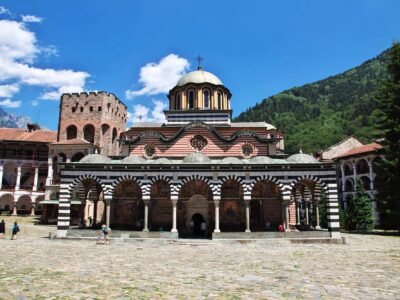
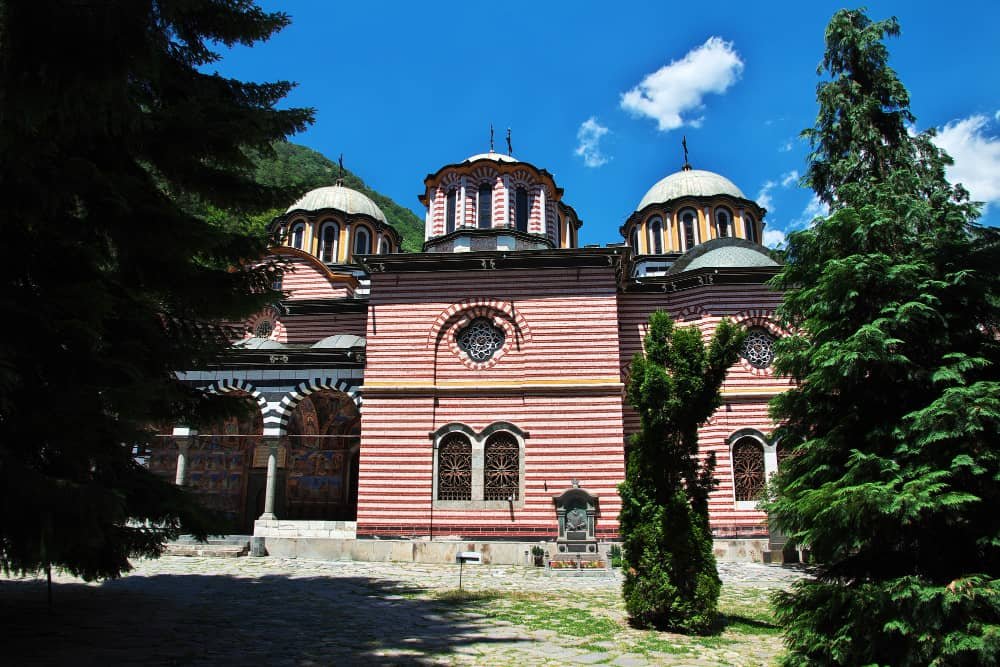
Hidden among the forested slopes of the Rila Mountains, Rila Monastery is one of Bulgaria’s most important cultural, historical, and spiritual landmarks. Located about 120 kilometers (75 miles) south of Sofia, the monastery has been a center of Bulgarian Orthodox Christianity for centuries and is one of the most memorable UNESCO World Heritage Sites in Bulgaria.
The monastery was founded in the 10th century and is closely associated with Saint Ivan of Rila (St. John of Rila), Bulgaria’s patron saint. Over the centuries, Rila Monastery became an important center of religion, education, literature, and Bulgarian culture. It played an especially significant role in preserving Bulgarian identity during centuries of Ottoman rule.
What Makes Rila Monastery Special?
The monastery complex is surrounded by high stone walls, giving it the appearance of a mountain fortress. Once inside, however, visitors enter a spacious courtyard dominated by the colorful Church of the Nativity of the Virgin, famous for its elaborate frescoes, striped arches, domes, and richly decorated exterior.
Another highlight is Hrelyo’s Tower, built in the 14th century and considered the oldest surviving structure within the monastery complex. The monastery museum also preserves religious art, manuscripts, icons, historical objects, and other treasures connected with Bulgaria’s Orthodox Christian heritage.
UNESCO added Rila Monastery to the World Heritage List in 1983, recognizing its exceptional importance to the history and culture of Bulgaria.
Visiting Rila Monastery
Rila Monastery can be visited as a day trip from Sofia, although spending more time in the surrounding Rila Mountains allows you to experience the area’s beautiful forests, hiking trails, and mountain scenery.
Visitors should dress respectfully when entering religious areas, and photography may be restricted in certain interior spaces. Since this remains an active Orthodox monastery rather than simply a tourist attraction, taking time to explore quietly and respectfully makes the experience even more rewarding.
Location: Rila Mountains, southwestern Bulgaria
UNESCO designation: Cultural
Inscribed: 1983
Best for: History, architecture, religious heritage, photography, and mountain scenery
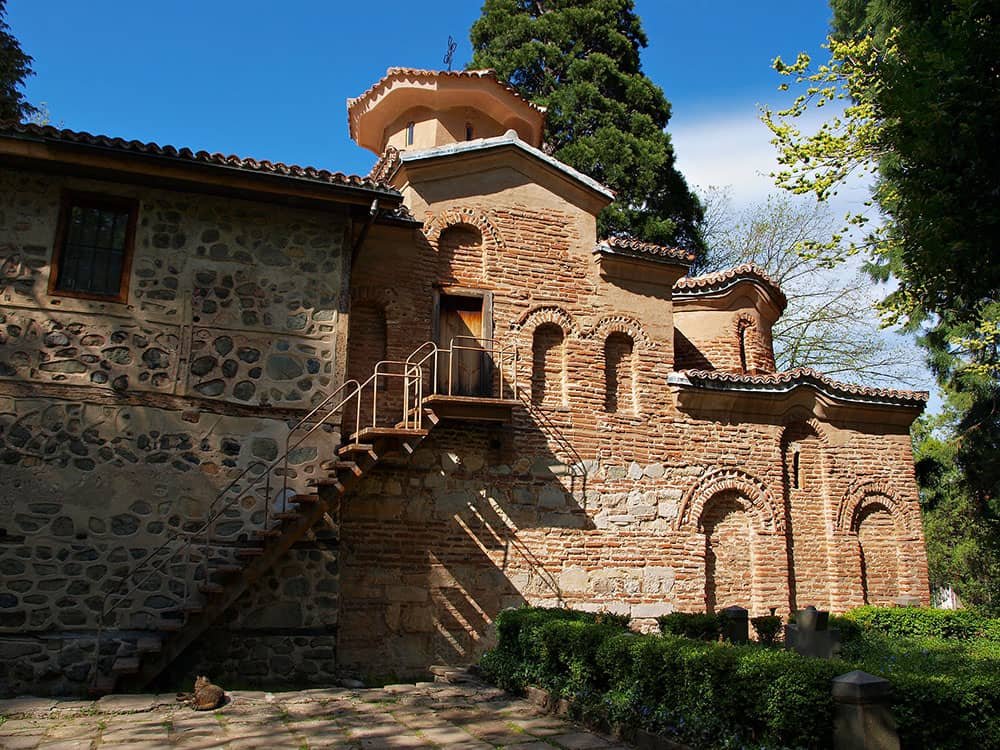
Photo: Todor Bozhinov / Wikipedia
2. Boyana Church
Located at the foot of Vitosha Mountain on the outskirts of Sofia, Boyana Church may look modest from the outside, but its interior contains some of Bulgaria’s most extraordinary medieval artwork. The church was added to the UNESCO World Heritage List in 1979 and is one of the country’s most important cultural treasures.
The complex consists of three sections constructed during different periods. The oldest portion dates to the late 10th or early 11th century, while a second section was added in the 13th century. A later expansion was completed in the 19th century.
What Makes Boyana Church Special?
The greatest treasure inside Boyana Church is its remarkable collection of medieval frescoes. Particularly significant are the paintings completed in 1259, which are celebrated for their artistic quality, detailed expressions, and unusually realistic portrayal of human figures.
Among the best-known images are portraits of Sebastocrator Kaloyan and his wife Desislava, as well as Bulgarian ruler Tsar Constantine Tikh and Tsaritsa Irina. The frescoes provide a fascinating glimpse into medieval Bulgarian society, clothing, religious traditions, and artistic achievement.
Hundreds of individual figures and scenes cover the church’s interior, representing several different periods of painting and making the building an important record of medieval art in Southeastern Europe.
Visiting Boyana Church
Because Boyana Church is relatively small and its historic frescoes require careful preservation, visitor numbers and the amount of time spent inside may be limited. This makes planning ahead particularly useful during busy travel periods.
Its location near Sofia makes Boyana Church one of the easiest UNESCO World Heritage Sites in Bulgaria to incorporate into a city itinerary. You can also combine your visit with Vitosha Mountain or other historical attractions around Sofia.
Location: Boyana, Sofia
UNESCO designation: Cultural
Inscribed: 1979
Best for: Medieval art, Bulgarian history, architecture, and cultural sightseeing
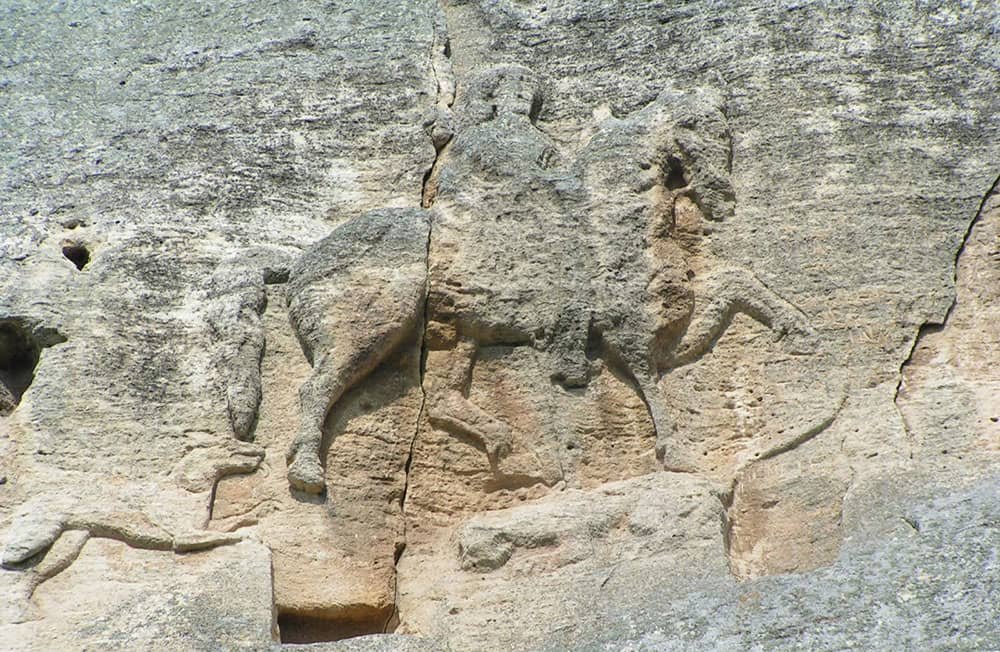
Photo: Dom2002 / Wikipedia
3. Madara Rider
Carved high into a dramatic limestone cliff in northeastern Bulgaria, the Madara Rider is one of the country’s most distinctive archaeological monuments. Located near the village of Madara, about 20 kilometers (12 miles) from Shumen, this extraordinary rock relief was added to the UNESCO World Heritage List in 1979.
Created during the early medieval period, the monument depicts a horseman accompanied by a dog, with a lion beneath the horse. The scene is carved into the rock approximately 23 meters (75 feet) above the ground, making its scale and location particularly impressive.
What Makes the Madara Rider Special?
The Madara Rider dates to the early 8th century, during the period of the First Bulgarian Empire. Inscriptions written in Greek near the relief record important events associated with early Bulgarian rulers and provide valuable evidence about Bulgaria’s relationship with the Byzantine Empire.
Rather than simply being an impressive work of art, the monument offers a rare connection to the earliest centuries of the Bulgarian state. Its symbolism and unusual composition have fascinated historians and archaeologists for generations.
UNESCO recognizes the Madara Rider as an exceptional example of early medieval rock art. Its monumental cliffside setting also makes it unlike most other historical attractions travelers encounter in Bulgaria.
Visiting the Madara Rider
Visitors reach the monument through the Madara National Historical and Archaeological Reserve, where paths lead toward viewpoints beneath the limestone cliffs. The surrounding area contains additional archaeological remains, caves, rock formations, and traces of settlements from different historical periods.
Travelers who have additional time can explore more of the reserve or combine the Madara Rider with a visit to nearby Shumen, making this part of northeastern Bulgaria particularly rewarding for history enthusiasts.
Location: Near Madara and Shumen, northeastern Bulgaria
UNESCO designation: Cultural
Inscribed: 1979
Best for: Bulgarian history, archaeology, rock art, and photography
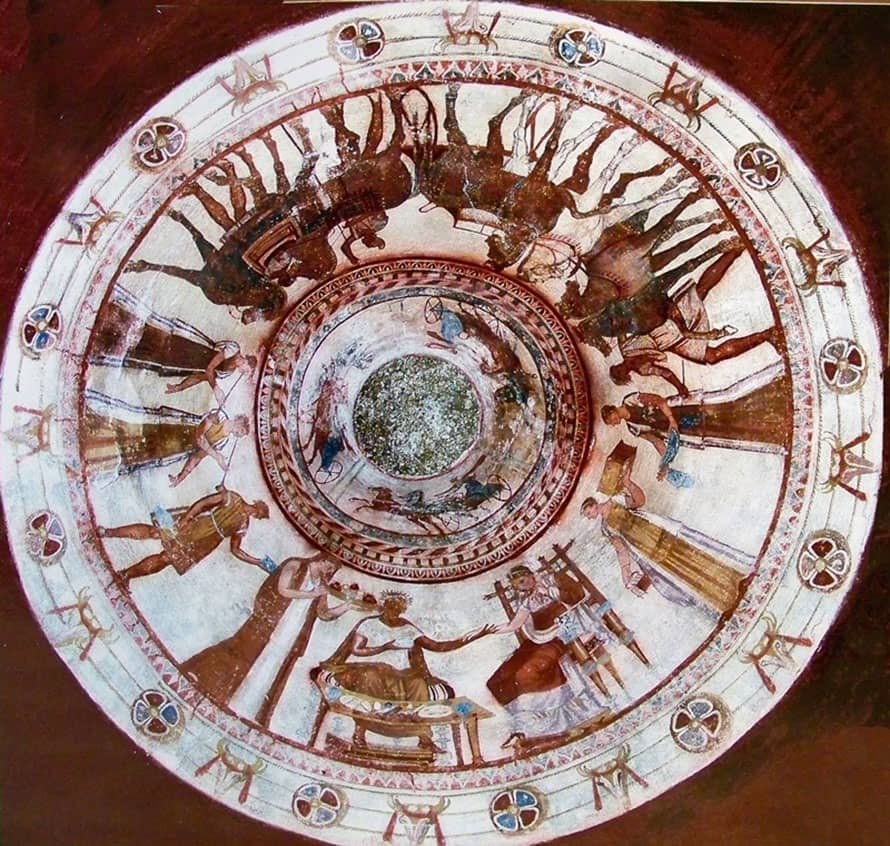
Photo: Kmrakmra / Wikipedia
4. Thracian Tomb of Kazanlak
Hidden beneath an ancient burial mound in central Bulgaria, the Thracian Tomb of Kazanlak is one of the country’s most remarkable archaeological discoveries. Dating to the late 4th century BC, the tomb provides an extraordinary glimpse into the beliefs, ceremonies, and artistic traditions of the ancient Thracians.
Located near the town of Kazanlak in Bulgaria’s famous Valley of the Thracian Kings, the tomb was discovered accidentally in 1944. Its exceptional historical and artistic importance led UNESCO to add it to the World Heritage List in 1979.
What Makes the Thracian Tomb of Kazanlak Special?
The tomb is particularly famous for its beautifully preserved Hellenistic-period frescoes. Painted scenes decorate the narrow corridor and circular burial chamber, portraying horses, warriors, attendants, and an elaborate ceremonial banquet.
One of the most recognizable scenes depicts a Thracian couple seated together during a funeral feast. The remarkable expressions, clothing, movement, and details within these paintings provide historians with valuable insight into Thracian society and burial traditions more than 2,000 years ago.
The tomb formed part of a larger Thracian necropolis and remains one of the finest surviving examples of Thracian art discovered in Bulgaria.
Visiting the Thracian Tomb of Kazanlak
To protect its fragile ancient frescoes, access to the original UNESCO-listed tomb is highly restricted. However, visitors can enter a carefully constructed replica nearby that recreates the architecture and paintings of the original monument.
Kazanlak is an excellent base for exploring additional Thracian tombs and archaeological sites throughout the surrounding valley. The region is also at the heart of Bulgaria’s famous Rose Valley, making it particularly attractive during the annual rose season in late spring and early summer.
Location: Kazanlak, central Bulgaria
UNESCO designation: Cultural
Inscribed: 1979
Best for: Archaeology, Thracian history, ancient art, and cultural travel
5. Rock-Hewn Churches of Ivanovo
Carved into towering limestone cliffs above the Rusenski Lom River, the Rock-Hewn Churches of Ivanovo are among the most unusual UNESCO World Heritage Sites in Bulgaria. Located near the village of Ivanovo, about 20 kilometers (12 miles) south of Ruse, this remarkable complex combines medieval history, religious heritage, art, and dramatic natural scenery.
Beginning in the 13th century, monks created a network of churches, chapels, cells, and monasteries directly within the cliffs. The religious community flourished during the period of the Second Bulgarian Empire, when the complex received support from Bulgarian rulers and became an important spiritual center.
UNESCO added the Rock-Hewn Churches of Ivanovo to the World Heritage List in 1979.
What Makes the Rock-Hewn Churches of Ivanovo Special?
The churches are particularly famous for their surviving medieval frescoes, some of which date to the 14th century. These paintings represent an important period in medieval Bulgarian art and display remarkable detail, movement, expression, and artistic technique.
The setting makes the site even more memorable. Rather than standing in a traditional monastery complex, the churches were carved into cliffs overlooking the beautiful Rusenski Lom valley. The combination of human craftsmanship and the surrounding landscape creates an atmosphere unlike almost any other religious site in Bulgaria.
Although many of the original rock-hewn spaces have not survived intact, the preserved churches and frescoes provide a fascinating look at the lives of the monks who once inhabited this secluded landscape.
Visiting the Rock-Hewn Churches of Ivanovo
Visitors should be prepared for steps and uneven terrain, so comfortable walking shoes are recommended. The elevated location also provides beautiful views across the surrounding cliffs, forests, and river valley.
The churches can easily be combined with other attractions around Ruse and northeastern Bulgaria, particularly the nearby Rusenski Lom Nature Park.
Location: Near Ivanovo and Ruse, northeastern Bulgaria
UNESCO designation: Cultural
Inscribed: 1979
Best for: Medieval history, frescoes, religious heritage, nature, and photography
6. Ancient City of Nesebar
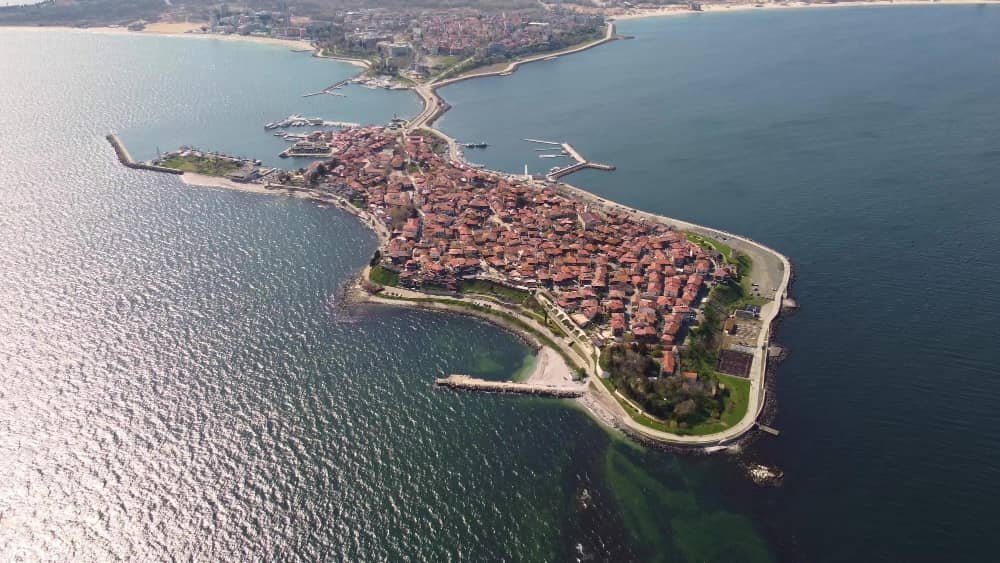
Set on a rocky peninsula extending into the Black Sea, the Ancient City of Nessebar is one of Bulgaria’s most beautiful historic destinations. With cobblestone streets, medieval churches, traditional wooden houses, ancient ruins, and panoramic sea views, Nessebar combines thousands of years of history within a remarkably compact Old Town.
The settlement’s history stretches back more than 3,000 years. Originally a Thracian settlement, it later became the Greek colony of Mesembria, before passing through Roman, Byzantine, medieval Bulgarian, and Ottoman periods.
Recognizing this extraordinary concentration of cultural heritage, UNESCO added the Ancient City of Nessebar to the World Heritage List in 1983.
What Makes Nessebar Special?
One of the most remarkable features of Nessebar is the variety of civilizations represented throughout the Old Town. Archaeological remains, fortifications, churches, and traditional houses reveal different chapters of the city’s long history.
Nessebar is especially famous for its medieval churches. Among the most impressive are the Church of Christ Pantocrator, Church of St. Stephen, Church of St. John the Baptist, and the ruins of the Church of St. Sophia.
Walking through the Old Town is part of the experience. Narrow cobbled lanes wind between stone-and-timber houses, small museums, historic churches, restaurants, and viewpoints overlooking the Black Sea.
Visiting the Ancient City of Nessebar
Nessebar is located on Bulgaria’s southern Black Sea coast and is especially popular during the summer. Visiting in the morning or later in the afternoon can provide a more relaxed experience during the busy July and August travel season.
The Old Town is compact and best explored on foot, so comfortable shoes are recommended for its cobbled streets.
If you’re staying along Bulgaria’s Black Sea coast, Nessebar is an easy destination to include in your itinerary. Its combination of beaches, ancient history, medieval architecture, and seaside scenery makes it one of the most rewarding UNESCO World Heritage Sites in Bulgaria to visit.
Location: Nessebar, Black Sea coast
UNESCO designation: Cultural
Inscribed: 1983
Best for: Ancient history, medieval architecture, seaside scenery, photography, and walking
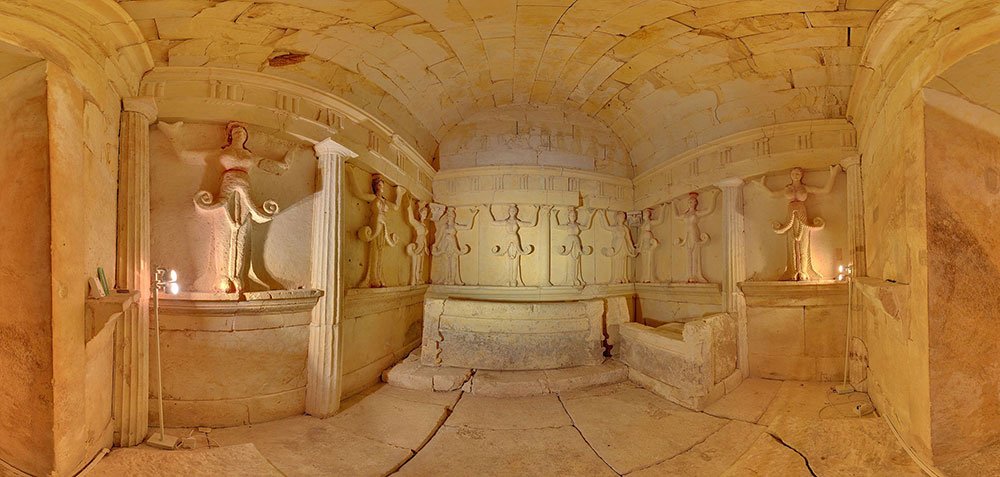
Photo: Interact-Bulgaria / Wikipedia
7. Thracian Tomb of Sveshtari
Hidden beneath a burial mound in northeastern Bulgaria, the Thracian Tomb of Sveshtari is one of the country’s most fascinating archaeological treasures. Dating to the 3rd century BC, the tomb reveals the sophisticated architecture, religious beliefs, and artistic traditions of the ancient Thracian peoples who once inhabited this part of the Balkans.
The tomb was discovered in 1982 near the village of Sveshtari and was added to the UNESCO World Heritage List in 1985, only a few years after its discovery.
What Makes the Thracian Tomb of Sveshtari Special?
The tomb is particularly famous for the remarkable decoration inside its burial chamber. Ten sculpted female figures known as caryatids appear to support the chamber above them. Their distinctive clothing, raised arms, and carefully carved details make the interior unlike any other Thracian tomb discovered in Bulgaria.
The architecture also reflects a fascinating mixture of Thracian and Hellenistic artistic influences. Decorative elements, painted details, and sculptural features provide valuable evidence of the cultural connections that existed in the region more than 2,000 years ago.
Archaeologists associate the tomb with the Getae, a Thracian people who lived in the region. It is believed to have been created for an important ruler or member of the local elite.
Visiting the Thracian Tomb of Sveshtari
The tomb lies within the Sboryanovo Archaeological Reserve, an area containing numerous burial mounds, archaeological remains, religious sites, and traces of ancient settlements.
Because the original structure and decoration are extremely valuable, access is carefully managed to help preserve the site. Opening arrangements can also vary seasonally, so checking current visiting information before making the trip is recommended.
Its relatively remote location means Sveshtari receives fewer visitors than some of Bulgaria’s better-known attractions, making it an excellent stop for travelers interested in archaeology and ancient Balkan history.
Location: Near Sveshtari, northeastern Bulgaria
UNESCO designation: Cultural
Inscribed: 1985
Best for: Thracian history, archaeology, ancient art, and cultural travel
8. Pirin National Park
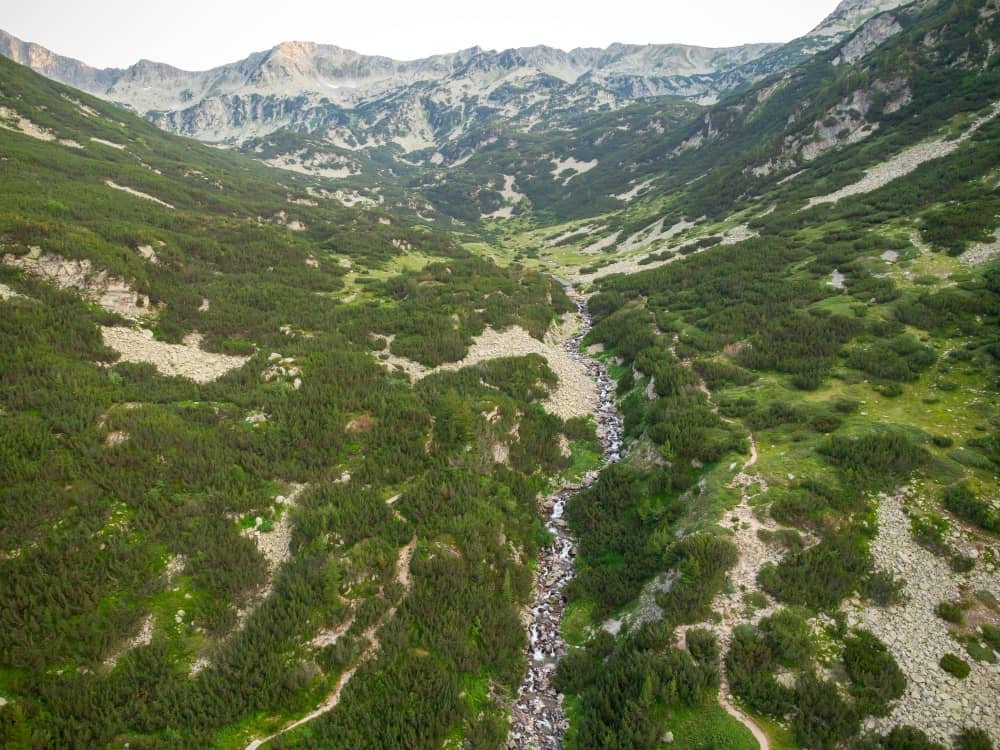
Towering mountain peaks, deep valleys, alpine meadows, dense forests, and crystal-clear glacial lakes make Pirin National Park one of Bulgaria’s most spectacular natural destinations. Located in southwestern Bulgaria, the park protects much of the dramatic Pirin Mountains and offers some of the country’s finest opportunities for hiking and outdoor adventure.
UNESCO added Pirin National Park to the World Heritage List in 1983, recognizing the exceptional natural beauty and ecological importance of its mountain landscapes. The protected World Heritage property was later extended to include a larger area of the Pirin Mountains.
What Makes Pirin National Park Special?
The landscape is dominated by rugged limestone and granite peaks, with Vihren rising to 2,914 meters (9,560 feet). It is the highest mountain in the Pirin range and the second-highest peak in Bulgaria.
More than a hundred glacial lakes are scattered throughout the mountains, creating some of Pirin’s most recognizable scenery. Popular areas include the Banderishki Lakes, Vasilashki Lakes, Popovo Lake, and Tevno Lake.
Pirin is also known for its diverse plant and animal life. Its forests contain ancient conifer species, including the famous Baykushev’s Pine, one of Bulgaria’s oldest known trees. The mountains provide habitat for wildlife such as chamois, brown bears, wolves, and numerous bird species.
Visiting Pirin National Park
The town of Bansko is one of the most convenient gateways to Pirin National Park and provides easy access to several popular hiking routes. Other starting points include Dobrinishte and mountain huts throughout the range.
Summer and early autumn are generally the most accessible seasons for hiking, although weather conditions can change quickly at higher elevations. Winter transforms the region into a major skiing destination, particularly around Bansko.
Experienced hikers can tackle challenging mountain routes and high peaks, while travelers looking for a more relaxed visit can enjoy shorter walks, mountain lakes, forests, and scenic viewpoints.
Location: Southwestern Bulgaria
UNESCO designation: Natural
Inscribed: 1983
Best for: Hiking, mountains, glacial lakes, wildlife, photography, and outdoor adventure
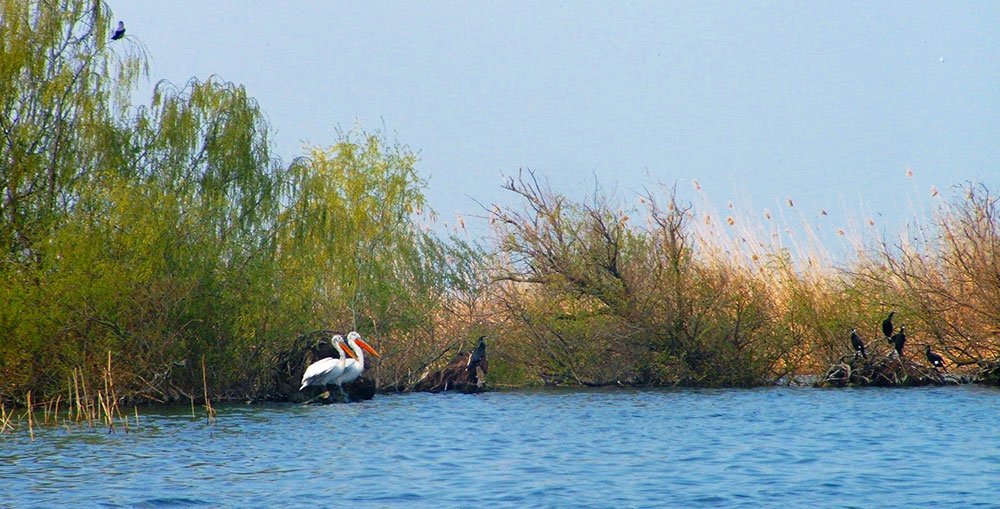
Photo: Cody escadron delta / Wikipedia
9. Srebarna Nature Reserve
Located near the Danube River in northeastern Bulgaria, Srebarna Nature Reserve protects an important freshwater lake and wetland ecosystem that provides habitat for an extraordinary variety of birds. The reserve lies close to the village of Srebarna, approximately 16 kilometers (10 miles) west of Silistra and near Bulgaria’s border with Romania.
UNESCO added Srebarna Nature Reserve to the World Heritage List in 1983, recognizing its importance as a breeding, feeding, and resting area for numerous bird species along a major migratory route.
What Makes Srebarna Nature Reserve Special?
Srebarna is best known for its rich birdlife. The lake, reed beds, wetlands, and surrounding habitats attract numerous resident and migratory species throughout the year.
One of the reserve’s most famous inhabitants is the Dalmatian pelican, one of the world’s largest freshwater birds. Srebarna provides an important breeding habitat for these impressive birds, making the reserve particularly attractive to birdwatchers and wildlife photographers.
Visitors may also encounter herons, egrets, cormorants, geese, ducks, and other waterbirds depending on the season.
The reserve’s location near the Danube places it along the Via Pontica, one of Europe’s major bird migration routes. Large numbers of migratory birds travel through this part of Bulgaria during their seasonal journeys between Europe and Africa.
Visiting Srebarna Nature Reserve
Srebarna is best experienced as a peaceful nature destination rather than a traditional tourist attraction. Observation points and walking areas around the reserve provide opportunities to enjoy the landscape without disturbing its sensitive wildlife.
Bringing binoculars or a camera with a zoom lens can make the visit much more rewarding, particularly during periods of increased bird activity.
The nearby Srebarna Nature Museum provides additional information about the reserve’s wildlife, ecosystem, and conservation efforts. Travelers exploring northeastern Bulgaria can also combine Srebarna with a visit to nearby Silistra and the Danube River.
Location: Near Srebarna and Silistra, northeastern Bulgaria
UNESCO designation: Natural
Inscribed: 1983
Best for: Birdwatching, wildlife, nature photography, wetlands, and peaceful outdoor travel
10. Ancient and Primeval Beech Forests
Bulgaria’s newest addition to its collection of UNESCO World Heritage properties is very different from its ancient tombs, medieval churches, and famous monasteries. The country’s protected primeval beech forests form part of the transnational UNESCO property known as the Ancient and Primeval Beech Forests of the Carpathians and Other Regions of Europe.
Rather than belonging to Bulgaria alone, this enormous World Heritage property protects exceptional beech forests spread across numerous European countries. Bulgarian forest areas became part of the UNESCO property in 2017, bringing the country’s total number of World Heritage properties to 10.
What Makes Bulgaria’s Beech Forests Special?
These forests help preserve examples of natural ecosystems that have developed with relatively little human disturbance. Ancient European beech trees grow alongside a rich variety of plants, fungi, insects, birds, and other wildlife, creating complex forest habitats.
Bulgaria’s components of the UNESCO property are located within Central Balkan National Park, one of the country’s most important protected mountain areas.
The forests are particularly valuable because they demonstrate the remarkable ability of European beech forests to expand and adapt across different environments following the last Ice Age. Protecting surviving old-growth and primeval forests allows natural ecological processes to continue while providing scientists with opportunities to study forest development and biodiversity.
Visiting the Ancient Beech Forests
Unlike Rila Monastery or Nessebar, this UNESCO property is not a single monument that you simply arrive at and tour. Bulgaria’s protected beech forest components lie within carefully managed natural areas, and conservation takes priority over tourism.
Central Balkan National Park nevertheless offers extensive opportunities for hiking and nature experiences. Visitors can explore designated trails through spectacular mountain landscapes while respecting restrictions designed to protect sensitive forest ecosystems.
Spring brings lush greenery and wildflowers, summer is excellent for hiking, and autumn transforms the beech forests into an impressive landscape of changing leaves.
For travelers who want to experience Bulgaria beyond its cities and historical monuments, these protected forests reveal another side of the country’s UNESCO heritage — one shaped almost entirely by nature.
Location: Central Balkan National Park
UNESCO designation: Natural, transnational property
Bulgarian components added: 2017
Best for: Ancient forests, hiking, biodiversity, nature photography, and ecotourism
How to Visit Bulgaria’s UNESCO World Heritage Sites
Bulgaria’s UNESCO World Heritage Sites are spread across the country, so visiting all 10 requires some planning. The good news is that several can easily be combined with popular destinations such as Sofia, Ruse, Bansko, Kazanlak, and Bulgaria’s Black Sea coast.
If you’re visiting Bulgaria for the first time, you don’t necessarily need to see every UNESCO site in one trip. Instead, choose the properties that fit naturally into your itinerary.
UNESCO Sites Near Sofia
Boyana Church is the easiest UNESCO site to visit from Sofia and can be reached without leaving the capital region. Rila Monastery is farther south but remains one of the most popular day trips from Sofia.
Travelers interested in mountains and hiking can continue toward Pirin National Park, using Bansko or another nearby mountain town as a base.
UNESCO Sites in Central Bulgaria
The Thracian Tomb of Kazanlak is an excellent addition to a trip through central Bulgaria. The surrounding Valley of the Thracian Kings contains numerous archaeological sites, while the nearby Rose Valley is particularly beautiful during the late-spring rose season.
The Bulgarian components of the Ancient and Primeval Beech Forests are protected within Central Balkan National Park, making this region especially appealing to hikers and nature lovers.
UNESCO Sites in Northeastern Bulgaria
Several UNESCO sites can be incorporated into a longer road trip through northeastern Bulgaria. The Madara Rider, Rock-Hewn Churches of Ivanovo, Thracian Tomb of Sveshtari, and Srebarna Nature Reserve are all located in this part of the country.
Because these attractions are spread across a relatively large area, traveling by car provides considerably more flexibility than relying entirely on public transportation.
UNESCO Site on the Black Sea Coast
The Ancient City of Nessebar is the easiest UNESCO property to include in a Bulgarian Black Sea vacation. Its Old Town can be explored on foot and combines historical sightseeing with restaurants, beaches, and beautiful coastal views.
How Many Days Do You Need?
You could visit several of Bulgaria’s most famous UNESCO sites during a 7- to 10-day itinerary, but seeing all 10 comfortably would require more time.
For a first trip, combining Sofia, Boyana Church, Rila Monastery, Pirin National Park, Kazanlak, and Nessebar provides an excellent introduction to Bulgaria’s cultural and natural heritage without trying to cover the entire country at once.
Best Time to Visit Bulgaria’s UNESCO World Heritage Sites
The best time to explore Bulgaria’s UNESCO World Heritage Sites depends on which destinations you plan to visit. Bulgaria experiences four distinct seasons, and conditions can vary considerably between the Black Sea coast, mountain regions, wetlands, and historic towns.
For most travelers, May through June and September through early October offer an excellent combination of pleasant weather and manageable crowds.
Spring: April to June
Spring is one of the best seasons for exploring Bulgaria’s cultural landmarks. Temperatures are generally comfortable for sightseeing, while the countryside becomes increasingly green and colorful.
Late May and early June are particularly attractive around Kazanlak and the Rose Valley, when Bulgaria’s famous roses are traditionally in bloom.
Spring can also be rewarding for birdwatching at Srebarna Nature Reserve, although conditions and wildlife sightings naturally vary.
Summer: July and August
Summer provides long daylight hours and is the most popular season for visiting Nessebar and Bulgaria’s Black Sea coast.
It is also an excellent period for hiking in Pirin National Park and Central Balkan National Park once higher mountain trails become accessible. Even in summer, mountain weather can change rapidly, so hikers should check local conditions before setting out.
July and August are Bulgaria’s busiest tourism months, particularly along the coast and at major attractions such as Rila Monastery.
Autumn: September and October
Early autumn is another excellent time to visit. Temperatures are often comfortable, summer crowds begin to disappear, and Bulgaria’s forests gradually take on their autumn colors.
September can be especially good for combining historical sightseeing with hiking. The beech forests of Central Balkan National Park become particularly beautiful as the season progresses.
Winter: November to March
Most cultural UNESCO sites can still be visited during winter, but shorter daylight hours, snow, and seasonal opening schedules require additional planning.
Mountain destinations such as Pirin National Park experience full winter conditions, while Bansko becomes one of Bulgaria’s busiest ski destinations.
If your main interests are churches, monasteries, museums, and archaeological attractions rather than hiking or coastal travel, winter can provide a much quieter experience.
Best Overall Months
For an itinerary combining several UNESCO sites across Bulgaria, May, June, September, and early October are generally among the most convenient months. These periods provide a good balance between favorable weather, outdoor activities, sightseeing conditions, and fewer crowds than the peak summer season.
FAQs About UNESCO World Heritage Sites in Bulgaria
How many UNESCO World Heritage Sites are in Bulgaria?
Bulgaria has 10 properties on the UNESCO World Heritage List. Seven are classified as cultural properties and three as natural properties. They range from ancient Thracian tombs and medieval churches to protected mountain landscapes, wetlands, and primeval beech forests.
What are the 10 UNESCO World Heritage Sites in Bulgaria?
Bulgaria’s UNESCO World Heritage properties are Boyana Church, Madara Rider, Thracian Tomb of Kazanlak, Rock-Hewn Churches of Ivanovo, Rila Monastery, Ancient City of Nessebar, Thracian Tomb of Sveshtari, Pirin National Park, Srebarna Nature Reserve, and Bulgaria’s components of the Ancient and Primeval Beech Forests of the Carpathians and Other Regions of Europe.
Which UNESCO sites in Bulgaria are natural?
Bulgaria has three natural UNESCO World Heritage properties: Pirin National Park, Srebarna Nature Reserve, and the Bulgarian components of the Ancient and Primeval Beech Forests of the Carpathians and Other Regions of Europe.
Which UNESCO World Heritage Sites can you visit from Sofia?
Boyana Church is located on the outskirts of Sofia and is the easiest UNESCO site to visit while staying in the capital. Rila Monastery is also a popular day trip from Sofia. Travelers with more time can continue south toward Bansko and Pirin National Park.
What is the most famous UNESCO site in Bulgaria?
Rila Monastery is arguably Bulgaria’s best-known UNESCO World Heritage Site and one of the country’s most recognizable landmarks. However, the Ancient City of Nessebar, Boyana Church, and Pirin National Park are also among Bulgaria’s most popular UNESCO destinations.
Are Bulgaria’s UNESCO World Heritage Sites free to visit?
It depends on the site. Some protected landscapes and outdoor areas can be explored without a general admission fee, while churches, museums, archaeological attractions, exhibitions, or specific visitor areas may charge admission. Prices and access policies can change, so check official information before visiting.
Can you visit all of Bulgaria’s UNESCO sites in one trip?
Yes, but visiting all 10 comfortably requires a longer itinerary because the properties are spread across Bulgaria. For most travelers, a road trip is the easiest way to combine multiple sites, particularly those in northeastern and central Bulgaria.
What is the best time to visit Bulgaria’s UNESCO sites?
May, June, September, and early October are excellent months for an itinerary combining cultural attractions and natural landscapes. July and August are ideal for the Black Sea coast and high-mountain hiking but are also the busiest months at many popular destinations.
More Places to Visit in Bulgaria
Bulgaria’s UNESCO World Heritage Sites are only the beginning. From dramatic mountain landscapes and centuries-old monasteries to Black Sea beaches, historic towns, waterfalls, and archaeological treasures, there is much more to discover throughout the country.
If you’re planning a longer trip, explore more of our Bulgaria travel guides to discover destinations you can combine with the UNESCO sites featured above.
- Best Historical Places to Visit in Bulgaria – Discover ancient ruins, medieval fortresses, Thracian treasures, and some of the country’s most important historical landmarks.
- Most Beautiful Cities and Towns in Bulgaria – Explore destinations filled with traditional architecture, fascinating history, local culture, and beautiful scenery.
- Best Waterfalls in Bulgaria – Find spectacular waterfalls hidden throughout Bulgaria’s mountains, forests, and national parks.
- Best Beaches in Bulgaria – Discover beautiful stretches of the Black Sea coast for swimming, relaxing, and summer vacations.
- Best Monasteries to Visit in Bulgaria – Explore centuries-old monasteries and religious landmarks that reveal another side of Bulgaria’s cultural heritage.
Whether you’re planning a weekend in Sofia, a Black Sea vacation, or a road trip across the country, combining several of these destinations can help you experience much more of what makes Bulgaria such a fascinating place to explore.
Explore Bulgaria’s UNESCO Heritage
From ancient Thracian tombs and medieval frescoes to dramatic mountain peaks and centuries-old forests, the UNESCO World Heritage Sites in Bulgaria reveal just how diverse the country’s history, culture, and landscapes really are.
Rila Monastery and Boyana Church preserve remarkable chapters of Bulgaria’s religious and artistic heritage, while the Madara Rider and Thracian tombs provide fascinating connections to civilizations that shaped the Balkans thousands of years ago. Nessebar brings several historical periods together along the beautiful Black Sea coast, while Pirin National Park, Srebarna Nature Reserve, and Bulgaria’s ancient beech forests showcase the country’s extraordinary natural heritage.
You don’t need to visit all 10 properties in a single trip. Even adding one or two UNESCO sites to your itinerary can take you beyond Bulgaria’s better-known attractions and introduce you to places that have played an important role in the country’s story.
Whether you’re planning your first trip to Bulgaria or returning to explore more of the country, these UNESCO-protected places deserve a spot on your itinerary. Take your time, respect the historic and natural environments you visit, and discover why Bulgaria’s heritage continues to earn recognition around the world.
What's your reaction?