 By
By Croatia may be famous for its turquoise Adriatic Sea, beautiful islands, and spectacular beaches, but its cities reveal another side of the country entirely.
The most popular cities in Croatia combine Roman ruins, medieval old towns, centuries-old fortresses, lively waterfront promenades, colorful markets, museums, beaches, restaurants, and some of the most impressive architecture in the Balkans.
And no two Croatian cities feel quite the same.
In Dubrovnik, you can walk along massive medieval walls overlooking the Adriatic. Split grew around the extraordinary remains of Diocletian’s Palace, while Zadar combines ancient Roman heritage with modern waterfront attractions and unforgettable sunsets.
Travel north to Pula, and you’ll find one of the best-preserved Roman amphitheaters in the region. Šibenik offers stone streets, fortresses, and a UNESCO-listed cathedral, while Rijeka introduces travelers to the distinctive culture of the Kvarner region.
Croatia isn’t only about its coastline, either.
The capital, Zagreb, offers museums, historic neighborhoods, cafés, markets, parks, and a completely different atmosphere from the Adriatic cities. Farther east, Osijek provides a glimpse into Slavonia, with Baroque architecture, riverside scenery, and far fewer international tourists.
Whether you’re planning your first Croatia vacation, building a road-trip itinerary, or trying to decide which destinations deserve the most time, these 8 beautiful cities in Croatia provide an excellent introduction to the country’s history, culture, food, architecture, and coastal landscapes.
Some are destinations where you could easily spend several days. Others work perfectly as part of a wider journey through Croatia.
Here’s what makes each city worth visiting—and how to decide which ones belong on your itinerary.
Most Popular Cities in Croatia at a Glance
Choosing which cities to visit in Croatia depends largely on what kind of trip you’re planning. Some destinations are best for beaches and island hopping, while others stand out for Roman ruins, medieval architecture, museums, nightlife, or easy access to national parks.
Here’s a quick comparison of the 8 most popular cities in Croatia covered in this guide:
| City | Region | Best For | Ideal Stay | Great Nearby Trips |
|---|---|---|---|---|
| Dubrovnik | Southern Dalmatia | Medieval history, city walls, Adriatic views | 2–3 days | Cavtat, Elafiti Islands, Lokrum |
| Split | Central Dalmatia | Roman history, beaches, island hopping | 2–4 days | Trogir, Hvar, Brač, Krka |
| Zagreb | Central Croatia | Museums, culture, food, city breaks | 2–3 days | Samobor, Varaždin, Plitvice |
| Zadar | Northern Dalmatia | History, sunsets, islands, waterfront | 2–3 days | Kornati, Nin, Paklenica |
| Pula | Istria | Roman ruins, beaches, Istrian road trips | 2–3 days | Rovinj, Brijuni, Cape Kamenjak |
| Šibenik | Central Dalmatia | Fortresses, architecture, quieter old town | 1–2 days | Krka, Primošten, Kornati |
| Rijeka | Kvarner | Local culture, history, fewer crowds | 1–2 days | Opatija, Krk, Trsat |
| Osijek | Slavonia | Baroque architecture, food, local culture | 1–2 days | Kopački Rit, Baranja, Vukovar |
Which Croatian City Should You Visit First?
For a first trip to Croatia, Dubrovnik and Split are the classic choices, particularly if you want historic architecture combined with the Adriatic coast.
Choose Dubrovnik for its extraordinary walled Old Town and dramatic coastal setting. Choose Split if you want ancient history alongside beaches, nightlife, ferries, and easy access to Croatia’s islands.
For Roman history, Pula deserves serious consideration, while Zadar is an excellent choice for travelers who want ancient landmarks, waterfront scenery, islands, and access to northern Dalmatia.
If you prefer a somewhat smaller historic coastal city, Šibenik is particularly rewarding and works beautifully with a visit to nearby Krka National Park.
Don’t overlook inland Croatia.
Zagreb is the best choice for museums, cafés, markets, urban culture, and experiencing the country’s capital away from the summer beach crowds.
And if you’ve already explored Croatia’s famous Adriatic destinations, Osijek offers something completely different: Baroque architecture, the Drava River, Slavonian cuisine, and access to the wetlands and countryside of eastern Croatia.
There isn’t one “best city in Croatia” for everyone. The better question is whether you want beaches, history, nightlife, islands, food, nature, or a quieter local experience.
Fortunately, Croatia is compact enough that you can experience several very different cities during the same trip.
8 Most Popular Cities in Croatia
Croatia‘s cities are remarkably diverse for a country of its size. Along the Adriatic coast, ancient Roman settlements and medieval trading centers have evolved into lively destinations filled with historic landmarks, waterfront promenades, restaurants, beaches, and easy connections to nearby islands.
Travel inland and the experience changes completely. Zagreb introduces visitors to Croatia’s café culture, museums, markets, and Central European architecture, while Osijek offers Baroque heritage and a quieter look at life in eastern Croatia.
The following 8 most popular cities in Croatia were selected for their historical and cultural significance, major attractions, overall visitor experience, and value as bases for exploring different parts of the country.
You don’t necessarily need to visit all eight on one trip. For a first visit, choosing two or three cities that fit naturally into the same route will usually create a much better itinerary than trying to rush across the entire country.
Let’s begin on Croatia’s spectacular southern Adriatic coast with its most internationally recognized historic city: Dubrovnik.
1. Dubrovnik – Best for Medieval History and Adriatic Views
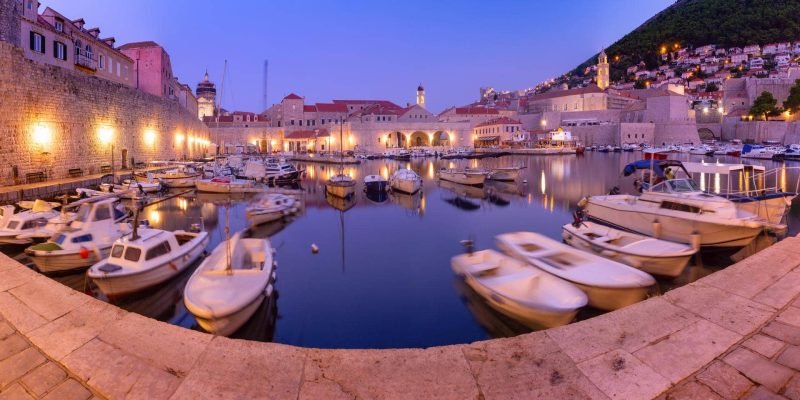
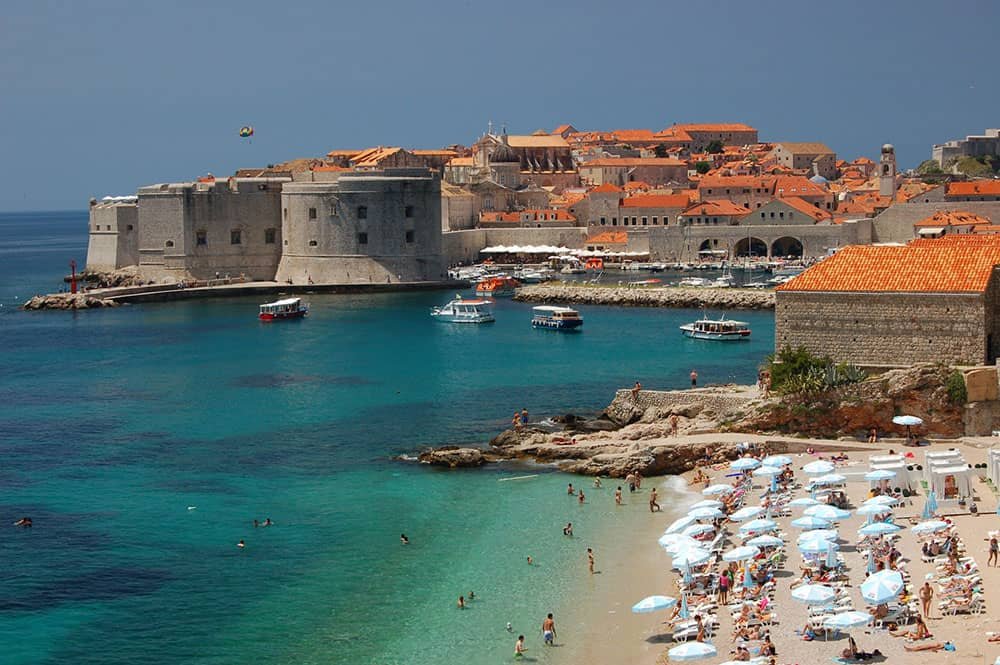
Few cities represent Croatia as instantly as Dubrovnik. Surrounded by massive stone walls and the blue Adriatic Sea, its UNESCO-listed Old Town combines medieval architecture, historic fortifications, narrow stone streets, impressive viewpoints, and easy access to the coast.
For first-time visitors, Dubrovnik is easily one of the best cities to visit in Croatia.
Best Things to Do in Dubrovnik
Start by walking the famous Dubrovnik city walls, which provide spectacular views over the Old Town’s terracotta rooftops, defensive forts, harbor, and Adriatic coastline. During summer, visit early in the morning or later in the afternoon to avoid the strongest heat.
Inside the walls, stroll along Stradun, Dubrovnik’s limestone-paved main street, before exploring the smaller lanes and squares surrounding it. Major landmarks include Rector’s Palace, Sponza Palace, the Church of St. Blaise, Dubrovnik Cathedral, Onofrio’s Fountain, and Orlando’s Column.
Just outside the western walls, Fort Lovrijenac rises dramatically above the sea and offers another excellent perspective of Dubrovnik’s historic fortifications.
For panoramic views, head to Mount Srđ, where you can look across the entire walled city, Lokrum Island, and the surrounding Adriatic.
Beaches and Islands Near Dubrovnik
Dubrovnik also makes it easy to combine history with the sea.
Banje Beach is conveniently located near the Old Town, while Lokrum Island offers walking trails, gardens, historic remains, and rocky swimming areas just offshore.
With additional time, Dubrovnik can also serve as a base for exploring Cavtat, the Elafiti Islands, and other destinations along southern Dalmatia.
How Long Should You Stay in Dubrovnik?
Plan for two to three days.
Two days is enough to explore the Old Town, walk the walls, visit major landmarks, and enjoy Mount Srđ. A third day gives you time for Lokrum, beaches, or a nearby excursion.
For fewer crowds and comfortable sightseeing weather, consider visiting in May, June, September, or early October. July and August offer excellent beach weather but are generally hotter and much busier.
Despite its popularity, Dubrovnik deserves its reputation. The combination of medieval history, extraordinary architecture, Adriatic scenery, beaches, and islands makes it one of the most memorable cities in Croatia.
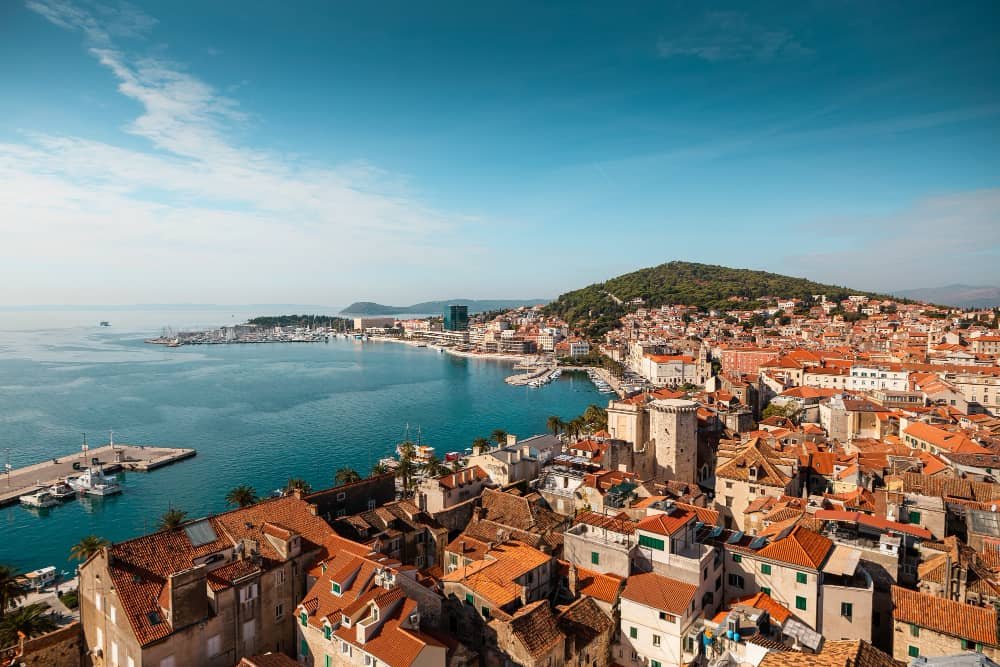
2. Split – Best for Roman History, Beaches and Island Hopping
Split is one of the most exciting cities in Croatia because ancient history and modern city life exist side by side.
At its heart is Diocletian’s Palace, the enormous Roman complex built around the beginning of the 4th century for Emperor Diocletian. Rather than functioning only as an archaeological site, the palace forms part of Split’s living historic center, filled with streets, homes, shops, cafés, restaurants, and centuries of architecture.
Together with the surrounding historic city, the palace is part of a UNESCO World Heritage Site and is the main reason Split belongs on any first-time Croatia itinerary.
Best Things to Do in Split
Begin inside Diocletian’s Palace, where some of Split’s most important landmarks are concentrated within a compact area.
Visit the Peristyle, explore the palace cellars, see the ancient gates, and stop at the Cathedral of St. Domnius. Climbing its bell tower rewards you with impressive views across the historic center and surrounding coastline.
From the palace, walk along the Riva, Split’s lively waterfront promenade lined with cafés and palm trees.
For a break from the historic center, head toward Marjan Hill, a forested peninsula with walking paths, viewpoints, small churches, and access to quieter sections of coastline.
Split also has several beaches. Bačvice Beach is the best known and is located within walking distance of the city center, making it easy to combine sightseeing with a few hours beside the Adriatic.
Split Is a Great Base for Island Hopping
One of Split’s biggest advantages is its location.
Ferries and catamarans connect the city with some of Croatia’s most popular islands, making Split an excellent starting point for exploring destinations such as Hvar, Brač, Šolta, and Vis.
You can also take easy trips to Trogir, while Krka National Park is another popular addition to a longer stay in central Dalmatia.
This combination of city attractions, beaches, islands, and nearby destinations makes Split particularly useful for travelers who prefer establishing one base rather than changing hotels every night.
How Long Should You Stay in Split?
Plan for at least two days if you mainly want to explore Split itself.
Three to four days is better if you want to add beaches, Marjan Hill, Trogir, or an island excursion.
For many travelers, Split is worth staying longer than Dubrovnik because it works so well as a transportation hub and base for exploring central Dalmatia and the Croatian islands.
If you want Roman history, lively streets, Adriatic beaches, restaurants, nightlife, and easy island connections in one destination, Split is one of the best cities to visit in Croatia.
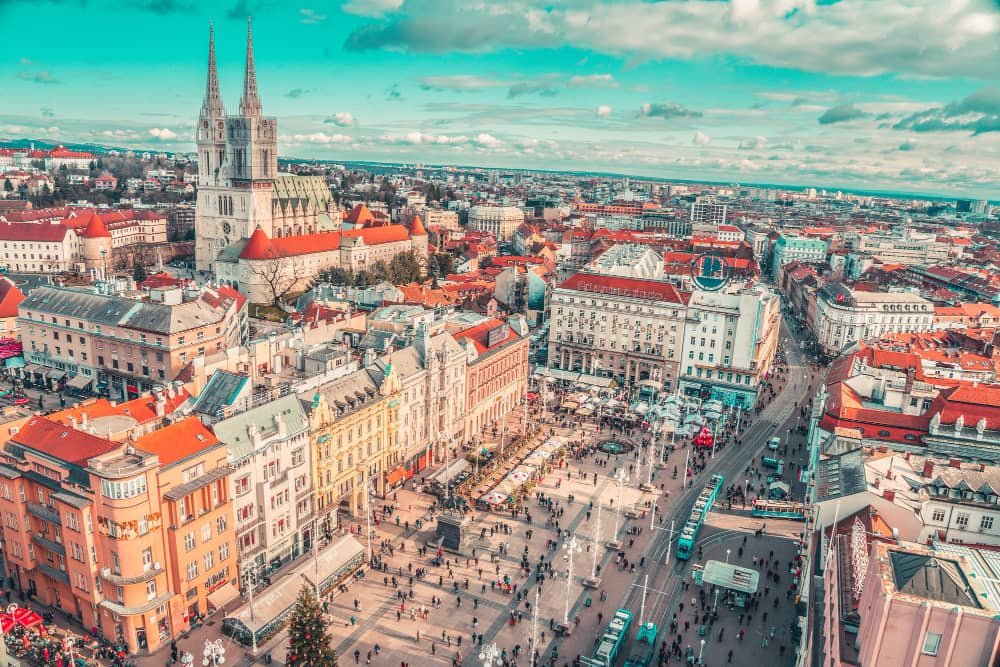
3. Zagreb – Best for Museums, Food and Croatian City Life
As Croatia’s capital and largest city, Zagreb offers a completely different experience from Dubrovnik and Split. Instead of beaches and island hopping, you’ll find historic neighborhoods, museums, markets, parks, cafés, restaurants, and elegant Central European architecture.
Zagreb is especially worth visiting if you want to experience everyday Croatian city life beyond the country’s famous Adriatic resorts.
Best Things to Do in Zagreb
Start in the historic Upper Town, where cobblestone streets lead past some of Zagreb’s best-known landmarks. One of the most recognizable is St. Mark’s Church, famous for the colorful tiled roof displaying the coats of arms of Croatia and Zagreb.
Nearby, explore Stone Gate, historic squares, viewpoints, and streets connecting the Upper Town with the lower parts of the city.
Continue toward Ban Jelačić Square, the lively center of Zagreb, before visiting nearby Dolac Market. The market is a great place to browse fresh produce, local foods, flowers, and other Croatian specialties.
Zagreb is also known for its museums. Depending on your interests, you can explore everything from Croatian history and art to unusual attractions such as the Museum of Broken Relationships.
Parks, Cafés and Zagreb’s Lower Town
One of Zagreb’s greatest pleasures is simply spending time in the city.
The Lower Town features grand buildings, museums, cafés, public squares, and a series of landscaped parks and green spaces often associated with Zagreb’s famous Green Horseshoe.
Café culture is an important part of the city’s atmosphere, so leave some room in your itinerary to sit outside with a coffee rather than rushing from one attraction to another.
Zagreb also makes a convenient starting point for day trips to destinations such as Samobor and Varaždin, or as the beginning of a road trip toward Rastoke and Plitvice Lakes National Park.
How Long Should You Stay in Zagreb?
Plan for two to three days to experience the main historic areas, museums, markets, parks, and food scene without rushing.
Zagreb can be visited throughout the year. Spring and autumn are particularly pleasant for sightseeing, while December brings festive decorations and seasonal events to the city center.
Travelers who visit Croatia only for the coast often skip the capital, but Zagreb provides an important contrast to the Adriatic destinations. For culture, museums, food, architecture, and a more local urban atmosphere, it is easily one of the most interesting cities in Croatia.
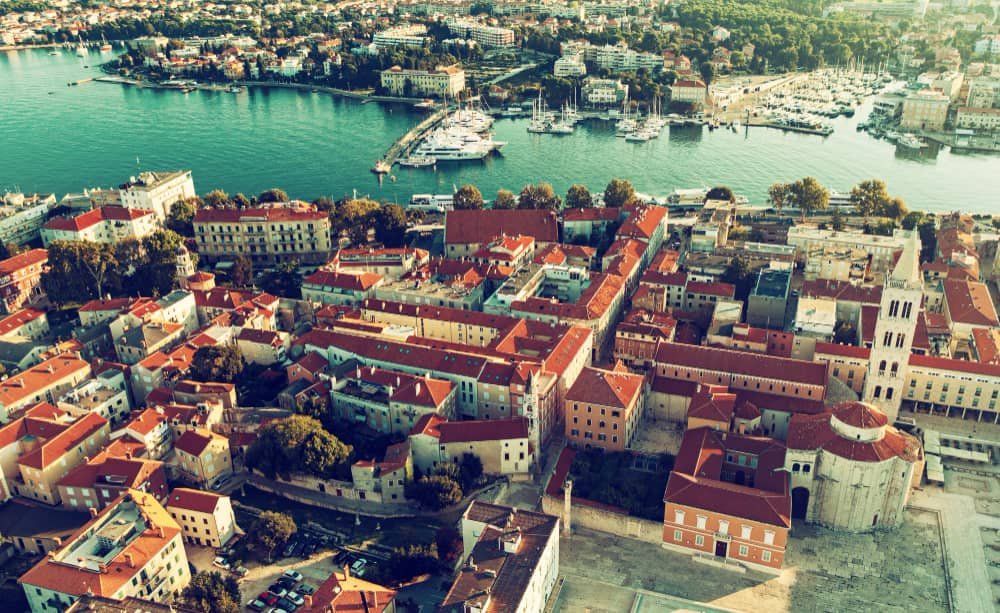
4. Zadar – Best for Sunsets, History and the Adriatic Waterfront
Zadar combines more than two thousand years of history with one of Croatia’s most distinctive modern waterfronts. Located in northern Dalmatia, the city offers Roman ruins, medieval churches, lively squares, beaches, islands, and beautiful Adriatic sunsets without feeling quite as overwhelming as Dubrovnik or Split during peak season.
Its compact historic center also makes Zadar an easy city to explore on foot.
Best Things to Do in Zadar
Start in Zadar’s Old Town, where ancient and medieval landmarks sit surprisingly close together. The Roman Forum preserves traces of the city’s Roman past, while the circular Church of St. Donatus has become one of Zadar’s most recognizable landmarks.
Nearby, visit the Cathedral of St. Anastasia and wander through the surrounding pedestrian streets, squares, cafés, and historic buildings.
Eventually, make your way toward the waterfront and the famous Sea Organ. Built into the promenade, this unusual installation uses the movement of the waves to create constantly changing sounds.
Just steps away is the Greeting to the Sun, another modern installation that becomes especially impressive after dark.
Stay for a Zadar Sunset
Sunset is one of the best times to experience Zadar.
The western waterfront provides wide views across the Adriatic and nearby islands, and crowds often gather around the Sea Organ as the sun disappears over the horizon.
Rather than scheduling another attraction for late afternoon, leave yourself enough time to walk the promenade and enjoy the waterfront at a slower pace.
Use Zadar as a Base for Northern Dalmatia
Zadar’s location makes it an excellent base for exploring northern Dalmatia.
Depending on your itinerary, you can combine the city with excursions toward the Kornati Islands, Nin, Paklenica National Park, or other beaches and islands around the Zadar archipelago.
Zadar can also fit naturally into a Croatia road trip connecting Plitvice Lakes with the Adriatic coast.
How Long Should You Stay in Zadar?
Plan for two days to explore the historic center, waterfront, major landmarks, and local restaurants without rushing.
Three days gives you time to add a beach, island excursion, or nearby national park.
For travelers looking for a Croatian coastal city that combines ancient history, sunsets, waterfront scenery, islands, and a more relaxed atmosphere, Zadar is one of the best destinations to include on a Croatia itinerary.
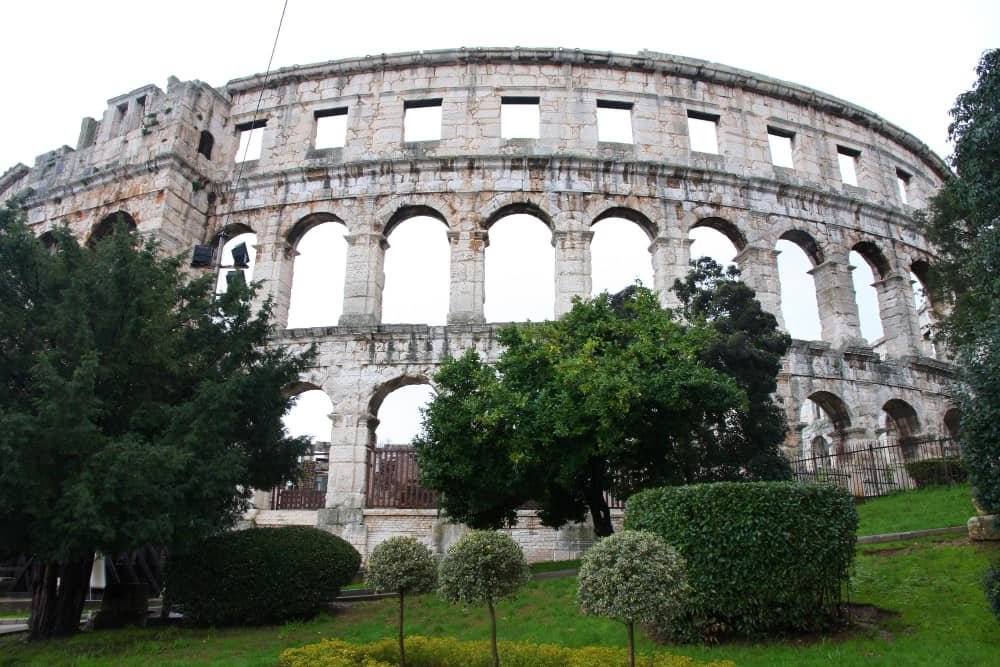
5. Pula – Best for Roman Ruins and Exploring Istria
Located at the southern tip of the Istrian Peninsula, Pula is one of the best cities in Croatia for travelers interested in Roman history.
The city’s centerpiece is the magnificent Pula Arena, but Pula also offers ancient temples, historic streets, Adriatic beaches, local restaurants, and an excellent location for exploring the rest of Istria.
Best Things to Do in Pula
Start at the Pula Arena, an impressive Roman amphitheater dating back to the 1st century. Its remarkably preserved outer walls make it one of Croatia’s most recognizable ancient monuments and the city’s essential attraction.
Continue into the historic center to see the Temple of Augustus, located on Forum Square, along with other traces of Pula’s Roman past.
As you explore, look for the Arch of the Sergii, another important ancient landmark that once stood beside one of the city’s Roman gates.
Pula’s center is compact enough that these major historical attractions can easily be combined during a day of walking.
Beaches and Day Trips From Pula
Pula isn’t only about Roman ruins.
The surrounding coastline contains numerous coves, rocky beaches, and swimming areas where you can cool off after exploring the city.
One of the best nearby destinations is Cape Kamenjak, a protected landscape south of Pula known for its rugged coastline, clear water, coves, and outdoor recreation.
Pula is also a convenient base for visiting other parts of Istria. Popular additions to a longer itinerary include Rovinj, Brijuni National Park, and the peninsula’s hilltop towns, wineries, and countryside.
This makes Pula especially attractive for travelers planning an Istrian road trip rather than simply visiting one Croatian city.
How Long Should You Stay in Pula?
Plan for one to two days to explore Pula itself, including the Arena, Roman landmarks, historic center, and nearby coastline.
Stay for three days or longer if you want to use the city as a base for exploring southern Istria and nearby attractions.
For travelers fascinated by Roman history, Pula is one of Croatia’s essential destinations. Add the beaches, Mediterranean atmosphere, and easy access to the rest of Istria, and it becomes much more than a quick stop to photograph its famous amphitheater.
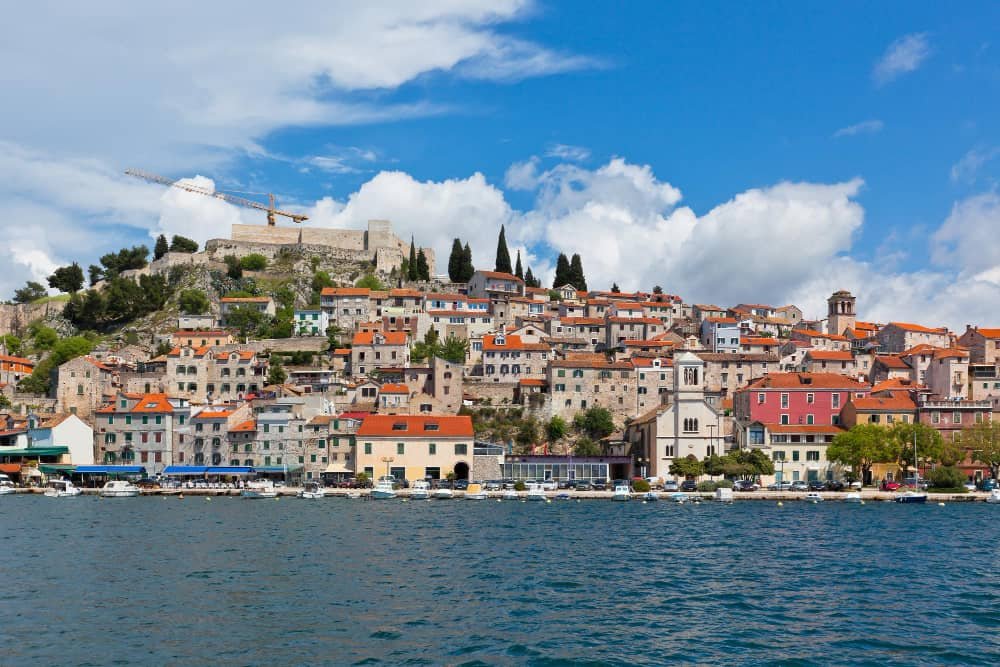
6. Šibenik – Best for Fortresses, Medieval Streets and Krka National Park
Set along Croatia’s central Dalmatian coast, Šibenik is a beautiful historic city known for its stone architecture, medieval streets, impressive fortresses, and waterfront setting.
It tends to receive less international attention than Dubrovnik or Split, which makes Šibenik particularly appealing if you want a historic Croatian coastal city with a somewhat more relaxed atmosphere.
Best Things to Do in Šibenik
The city’s most important landmark is the Cathedral of St. James, a UNESCO World Heritage Site constructed entirely from stone. Its distinctive architecture and detailed sculptural decorations make it one of Croatia’s most significant Renaissance monuments.
From the cathedral, wander through Šibenik’s Old Town, where narrow stone lanes, stairways, small squares, churches, cafés, and traditional buildings climb away from the waterfront.
For some of the best views, visit St. Michael’s Fortress, which rises above the historic center and overlooks Šibenik, the Adriatic, and surrounding islands.
The wider city is also known for its impressive system of fortifications, including Barone Fortress and St. Nicholas’ Fortress near the entrance to the St. Anthony Channel.
Visit Krka National Park From Šibenik
One of Šibenik’s biggest advantages is its proximity to Krka National Park.
The park is famous for waterfalls such as Skradinski Buk and Roški Slap, along with river scenery, historic watermills, monasteries, trails, and archaeological sites.
This makes Šibenik an excellent base if you want to combine a historic coastal city with one of Croatia’s most famous natural attractions.
You can also use the city as a starting point for exploring nearby islands, beaches, and destinations such as Primošten.
How Long Should You Stay in Šibenik?
Plan for one to two days to explore the Old Town, cathedral, waterfront, and major fortresses.
Stay longer if you want to use Šibenik as a base for Krka National Park, nearby beaches, islands, or other parts of central Dalmatia.
For travelers who enjoy history and architecture but want an alternative to Croatia’s busiest coastal cities, Šibenik is one of the most rewarding places to add to a Dalmatian itinerary.
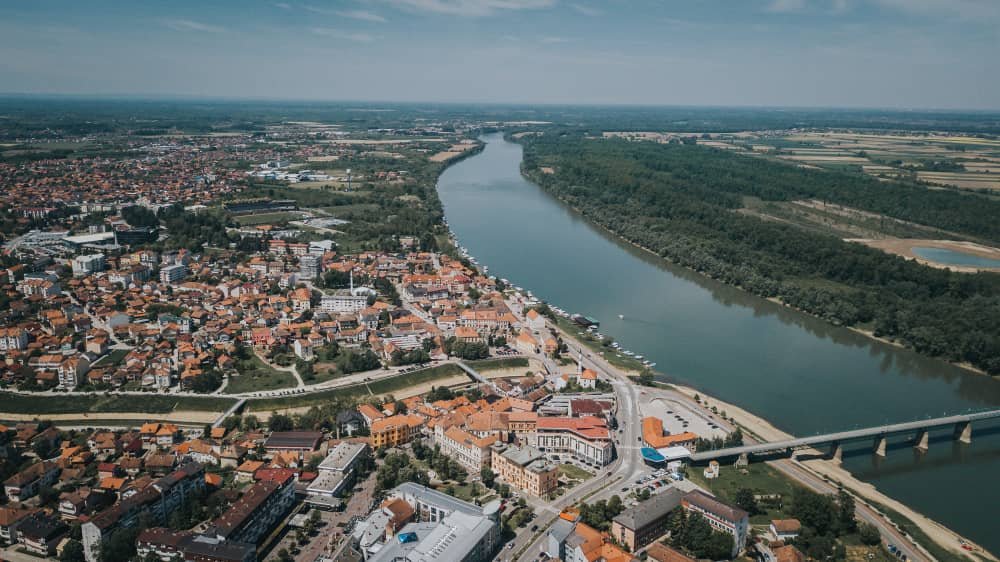
7. Rijeka – Best for Local Culture and Exploring the Kvarner Region
Located on Kvarner Bay, Rijeka is Croatia’s principal port city and offers a noticeably different atmosphere from Dubrovnik, Split, or Zadar.
Rather than being dominated by a preserved medieval Old Town, Rijeka blends Habsburg-era architecture, maritime heritage, lively streets, cultural attractions, and an active working port. It’s a good choice for travelers who want to experience a Croatian coastal city with a more local, everyday character.
Best Things to Do in Rijeka
Start along Korzo, Rijeka’s main pedestrian promenade and one of the liveliest parts of the city center. Cafés, shops, historic buildings, and public squares make it a natural starting point for exploring on foot.
Look for the distinctive City Clock Tower before continuing through the surrounding streets and markets.
One of Rijeka’s most important attractions sits above the city rather than directly in the center. Trsat Castle occupies a hilltop overlooking Rijeka and Kvarner Bay, offering a combination of history and panoramic views.
The nearby Sanctuary of Our Lady of Trsat is another important cultural and religious landmark.
Explore the Kvarner Region From Rijeka
Rijeka’s location makes it a useful base for exploring Kvarner and the northern Croatian coast.
The elegant resort town of Opatija is nearby, while the island of Krk offers historic towns, beaches, villages, and Adriatic scenery.
Travelers continuing south can also explore destinations such as Crikvenica and Senj.
One correction from the old version of this article is important: Nehaj Fortress is located in Senj, not Rijeka. It can be visited as part of a wider trip along the coast, but it shouldn’t be listed as a Rijeka city attraction.
How Long Should You Stay in Rijeka?
For most travelers, one to two days is enough to explore central Rijeka, visit Trsat, enjoy the waterfront atmosphere, and experience some of the city’s food and café culture.
Stay longer if you’re using Rijeka as a base for exploring Opatija, Krk, and the wider Kvarner region.
Rijeka may not have the postcard-perfect Old Town of Dubrovnik, but that’s part of its appeal. For maritime history, local culture, fewer tourist crowds, and easy access to Kvarner, it adds something genuinely different to a Croatia itinerary.
8. Osijek – Best for Baroque Architecture and Exploring Slavonia
Located along the Drava River in eastern Croatia, Osijek offers a completely different experience from the country’s famous Adriatic cities.
As one of the major cities of the Slavonia region, Osijek is known for its Baroque architecture, riverside promenades, parks, historic neighborhoods, and relaxed atmosphere. It also receives fewer international visitors than Dubrovnik or Split, making it an interesting choice for travelers looking beyond Croatia’s usual tourist route.
Best Things to Do in Osijek
One of the city’s highlights is Tvrđa, Osijek’s historic fortified district. Developed largely during the Habsburg period, the area contains Baroque buildings, atmospheric streets, museums, churches, cafés, and historic squares.
Another unmistakable landmark is the towering Church of St. Peter and St. Paul, whose red-brick exterior and tall spire dominate the city skyline.
Osijek is also closely connected to the Drava. Walking or cycling along the riverfront promenade is one of the easiest ways to experience the city, particularly during the warmer months.
With numerous parks and green spaces, Osijek generally feels more spacious and relaxed than Croatia’s busiest coastal destinations.
Explore Slavonia and Baranja
Osijek makes an excellent base for discovering eastern Croatia, a region many international visitors never reach.
Nearby Kopački Rit Nature Park protects an extensive wetland landscape known for its rich birdlife and biodiversity.
The neighboring Baranja region is also worth exploring for its villages, traditional food, vineyards, and wine culture.
Travelers interested in recent Croatian history can continue toward Vukovar, located along the Danube east of Osijek.
This combination of nature, history, food, and wine makes eastern Croatia particularly rewarding for travelers returning to the country after already seeing the better-known Adriatic destinations.
How Long Should You Stay in Osijek?
Plan for one to two days to explore Osijek itself.
Stay for two or three days if you want to add Kopački Rit, Baranja, Vukovar, or other destinations around Slavonia.
Osijek probably won’t replace Dubrovnik or Split on a first-time coastal itinerary, but that’s not why it belongs on this list. For Baroque architecture, riverside scenery, regional cuisine, fewer crowds, and a glimpse of Croatia beyond the Adriatic, Osijek is one of the country’s most interesting cities to discover.
Which City in Croatia Is Best for You?
With so many different destinations, choosing the best city in Croatia really depends on what you want from your trip.
For first-time visitors, Dubrovnik and Split are the obvious starting points. Both combine major historical attractions with beautiful Adriatic scenery, although Split is generally better positioned for island hopping and exploring central Dalmatia.
If ancient history is your priority, Split and Pula stand out for their remarkable Roman heritage, while Dubrovnik and Šibenik are excellent choices for medieval architecture, fortresses, and historic streets.
For beaches and islands, consider Split, Zadar, or Pula. Split offers excellent ferry connections to islands such as Hvar, Brač, Šolta, and Vis, while Zadar provides access to the islands and natural attractions of northern Dalmatia.
Choose Zagreb if you’re more interested in museums, markets, restaurants, cafés, and urban culture than beaches. It’s also an excellent starting point for exploring inland Croatia.
Travelers hoping to escape some of the country’s busiest tourist destinations should consider Šibenik, Rijeka, or Osijek. Each offers a different side of Croatia and can serve as a base for exploring its surrounding region.
Best Croatian Cities by Travel Style
- Best for first-time visitors: Dubrovnik and Split
- Best for Roman history: Split and Pula
- Best for medieval architecture: Dubrovnik and Šibenik
- Best for island hopping: Split and Zadar
- Best for beaches: Split, Zadar, and Pula
- Best for museums and city culture: Zagreb
- Best for fewer international crowds: Osijek and Rijeka
- Best for visiting Krka National Park: Šibenik
- Best for exploring Istria: Pula
- Best for exploring Slavonia: Osijek
If you have a week or longer in Croatia, don’t limit yourself to cities that offer exactly the same experience. Combining a historic Adriatic destination such as Dubrovnik or Split with Zagreb, Pula, or Osijek will reveal much more of the country’s regional diversity.
Best Time to Visit Croatia’s Cities
The best time to visit Croatia depends on whether you’re planning a coastal vacation, a cultural city break, or a combination of both. For most travelers, May, June, September, and early October offer an excellent balance of pleasant weather, sightseeing conditions, and fewer crowds than the peak summer months.
Spring: April to May
Spring is one of the best times for exploring Croatian cities on foot.
Temperatures are generally comfortable for walking through Dubrovnik’s Old Town, exploring Diocletian’s Palace in Split, visiting Pula’s Roman ruins, or sightseeing around Zagreb.
By May, coastal destinations become increasingly lively, while visitor numbers are usually still lower than during midsummer.
Summer: June to August
Summer is Croatia’s busiest travel season, particularly along the Adriatic coast.
Cities such as Dubrovnik, Split, Zadar, Pula, and Šibenik are full of activity, with long days, warm sea temperatures, outdoor dining, festivals, and excellent conditions for combining sightseeing with beaches and islands.
The trade-off is larger crowds, higher accommodation demand, and hotter daytime temperatures.
If you’re visiting in July or August, explore major historic attractions early in the morning and save beaches, shaded areas, or slower activities for the hottest part of the afternoon.
Autumn: September to October
September is one of the best months to visit Croatia’s cities.
The Adriatic is often still warm enough for swimming, while the largest summer crowds begin to decrease. This makes September particularly attractive for destinations such as Dubrovnik, Split, Zadar, Pula, and Šibenik.
October can also be excellent for sightseeing, although weather becomes less predictable as the month progresses.
Winter: November to March
Winter provides a quieter experience and can work particularly well for Zagreb, Rijeka, Osijek, and travelers primarily interested in culture rather than beaches.
Coastal cities remain fascinating for their history and architecture, but some tourism-oriented businesses, excursions, ferry services, and attractions may operate on reduced seasonal schedules.
Zagreb is especially appealing during the festive season, when the city center hosts Christmas markets and seasonal events.
What Is the Best Month to Visit Croatia?
For a trip combining cities, beaches, islands, and sightseeing, June and September are particularly strong choices.
If your priority is history, architecture, museums, and walking rather than swimming, May and October can be excellent.
July and August remain ideal for travelers who want the full summer atmosphere, but expect Croatia’s most popular coastal cities to be at their busiest.
Whichever season you choose, Croatia’s regional diversity means there is almost always a city worth exploring.
How Many Days Do You Need in Croatia?
You could spend weeks exploring Croatia, but 7 to 10 days is enough for a rewarding first trip if you concentrate on one or two regions rather than trying to visit every major city.
5 Days in Croatia
With five days, choose one main region.
A first-time coastal itinerary could combine:
Split → Trogir → Šibenik → Krka National Park
Alternatively, spend several days around Dubrovnik and use the remaining time for Lokrum, Cavtat, or nearby islands.
Trying to combine Zagreb, Istria, Dubrovnik, and Dalmatia in only five days would involve too much travel.
7 Days in Croatia
A week gives you enough time to combine two or three major destinations.
One classic route is:
Dubrovnik → Split → Šibenik
This itinerary combines medieval architecture, Roman history, beaches, island opportunities, and easy access to Krka National Park.
Another option is:
Zagreb → Plitvice Lakes → Zadar → Split
This route provides an excellent introduction to both inland and coastal Croatia.
10 Days in Croatia
With 10 days, you can travel at a more comfortable pace and add several contrasting destinations.
Consider:
Zagreb → Plitvice Lakes → Zadar → Šibenik → Split → Dubrovnik
You don’t need to spend the same amount of time everywhere. Zagreb, Split, and Dubrovnik generally deserve at least two days, while smaller cities such as Šibenik can be explored more quickly.
If you prefer Istria, another excellent trip could combine Zagreb, Rijeka, Pula, Rovinj, and nearby coastal destinations.
14 Days in Croatia
Two weeks gives you considerably more flexibility.
You could follow the Adriatic coast from Pula or Rijeka toward Zadar, Šibenik, Split, and Dubrovnik, adding national parks, beaches, islands, and smaller historic towns along the way.
Alternatively, combine the coast with inland destinations such as Zagreb and Plitvice Lakes.
Travelers who want to experience a less-visited side of Croatia could dedicate part of the trip to Osijek, Slavonia, Baranja, and Kopački Rit rather than spending the entire two weeks along the Adriatic.
Don’t Try to Visit Every City
The eight cities in this guide aren’t intended as a checklist for a single vacation.
Croatia may look small on a map, but repeatedly packing, checking into hotels, and traveling between distant regions can quickly consume valuable vacation time.
For a first trip, three or four well-chosen bases are usually better than eight rushed city stops.
Choose cities that work naturally together, then use them to explore nearby beaches, islands, national parks, historic towns, and countryside.
You’ll see fewer pins on the map—but you’ll experience much more of Croatia.
Frequently Asked Questions About Cities in Croatia
What is the most popular city in Croatia?
Dubrovnik is arguably Croatia’s most internationally famous city, particularly among first-time visitors. Its UNESCO-listed Old Town, medieval city walls, Adriatic views, historic architecture, and nearby islands make it one of the country’s signature destinations.
Split is another extremely popular choice and offers the added advantages of beaches, nightlife, Roman history, and excellent ferry connections to the Croatian islands.
What is the most beautiful city in Croatia?
Beauty is subjective, but Dubrovnik is often considered one of Croatia’s most beautiful cities because of its stone walls, terracotta rooftops, historic Old Town, and dramatic position beside the Adriatic.
Zadar, Split, Šibenik, and Pula offer very different architectural and coastal landscapes and are equally worth considering.
Is Split or Dubrovnik better?
Choose Dubrovnik if your priorities are medieval history, city walls, spectacular viewpoints, and a compact historic Old Town.
Choose Split if you want Roman history, beaches, nightlife, island hopping, and a convenient base for exploring central Dalmatia.
If your itinerary allows, visit both. The cities are different enough that seeing one doesn’t make the other unnecessary.
Which Croatian city is best for beaches?
Split, Zadar, and Pula are good choices if you want to combine city sightseeing with easy access to beaches.
However, Croatia’s very best beach experiences are often found outside the major cities on islands, smaller coastal towns, and less-developed stretches of the Adriatic.
For a beach-focused vacation, consider using one of these cities as a base and exploring the surrounding coastline.
Which Croatian city is best for island hopping?
Split is one of the best bases for island hopping because of its extensive ferry and catamaran connections.
Popular island destinations accessible from the wider Split area include Hvar, Brač, Šolta, and Vis.
Zadar is another excellent choice for exploring the islands of northern Dalmatia.
Which city in Croatia is best for history?
It depends on which historical period interests you.
Choose Pula or Split for Roman history, Dubrovnik for medieval and maritime heritage, and Šibenik for historic architecture and fortifications.
Zadar is particularly interesting for travelers who want to see layers of Roman, medieval, Venetian, and later Croatian history within one compact city.
Is Zagreb worth visiting?
Yes. Zagreb provides a completely different experience from Croatia’s Adriatic destinations.
The capital is especially worthwhile for museums, architecture, markets, parks, restaurants, café culture, and urban life.
It also makes a convenient starting point for trips toward Plitvice Lakes and other destinations in inland Croatia.
Which Croatian cities are less crowded?
Osijek and Rijeka generally provide a less tourism-dominated experience than Dubrovnik or Split.
Šibenik can also feel more relaxed than Croatia’s biggest coastal destinations, although it becomes busier during the summer.
If avoiding crowds is important, traveling in May, September, or October can make just as much difference as choosing a less-famous city.
Do you need a car to visit Croatia’s cities?
Not necessarily.
Historic centers in cities such as Dubrovnik, Split, Zagreb, Zadar, Pula, and Šibenik are best explored on foot, and public transportation connects many major destinations.
A rental car becomes more useful if you want to explore national parks, smaller villages, rural areas, beaches, Istria, Slavonia, or destinations that aren’t conveniently connected by public transportation.
How many Croatian cities should you visit?
For a typical 7-to-10-day Croatia vacation, two to four cities is usually enough.
Instead of trying to visit all eight cities in this guide, choose destinations that fit naturally together.
For example, combine Zadar, Šibenik, and Split for a Dalmatian trip, or pair Zagreb with Plitvice Lakes and the Adriatic coast.
Slower travel gives you more time for beaches, islands, national parks, local food, and spontaneous stops—the experiences that often become the most memorable parts of a Croatia vacation.
More Croatia Travel Guides
Croatia’s cities are only the beginning. From spectacular waterfalls and UNESCO World Heritage Sites to historic landmarks and beautiful Adriatic beaches, there are plenty of places to add to your itinerary.
Continue planning your trip with these Discover Balkania guides:
- UNESCO World Heritage Sites in Croatia – Explore Dubrovnik, Diocletian’s Palace, Plitvice Lakes, Trogir, Šibenik, and other UNESCO-listed treasures.
- Most Popular Historical Places in Croatia – Discover Roman ruins, medieval fortresses, historic old towns, churches, palaces, and archaeological landmarks across the country.
- Most Beautiful Waterfalls in Croatia – Visit Plitvice Lakes, Krka National Park, Rastoke, the Zrmanja River, and some of Croatia’s most impressive inland landscapes.
- Best Beaches in Croatia – Find beautiful beaches, clear Adriatic water, hidden coves, and coastal destinations for your next summer trip.
- Croatia Travel Guides – Browse more destination guides, travel ideas, attractions, and inspiration for exploring Croatia.
The easiest way to build a memorable Croatia itinerary is to combine several different experiences. Spend a few days exploring a historic city, add a national park or waterfall destination, and then slow down along the Adriatic coast or on one of Croatia’s islands.
That way, you’ll experience much more than the country’s most famous tourist attractions.
Which Croatian Cities Will You Visit?
From ancient Roman ruins and medieval fortresses to lively waterfronts and café-filled streets, the most popular cities in Croatia reveal just how diverse this relatively small country can be.
For a first trip, Dubrovnik and Split are difficult to beat. Dubrovnik offers one of Europe’s most impressive walled historic centers, while Split combines the extraordinary remains of Diocletian’s Palace with beaches, nightlife, and easy access to the Croatian islands.
But Croatia has much more to discover.
Zadar blends ancient history with its famous waterfront and sunsets, while Šibenik offers beautiful stone architecture and convenient access to Krka National Park. In Istria, Pula is an essential stop for Roman history and a great base for exploring the surrounding peninsula.
Away from the classic Adriatic route, Zagreb introduces you to Croatia’s museums, markets, parks, restaurants, and café culture. Rijeka provides a more local perspective on the Kvarner coast, while Osijek opens the door to the landscapes, food, wine, and Baroque heritage of eastern Croatia.
You don’t need to squeeze all eight cities into one vacation.
Choose two or three that fit naturally into your route, then leave enough time for the beaches, islands, national parks, historic towns, and unexpected stops between them.
Whether you’re visiting Croatia for its history, culture, food, beaches, architecture, or Adriatic scenery, exploring its cities is one of the best ways to experience how much the country has to offer.
What's your reaction?