
 By
By 10 Top Attractions in Bulgaria
Bulgaria is one of the most diverse destinations in the Balkans, yet it remains surprisingly overlooked by many international travelers.
Within a relatively compact country, you can explore ancient Thracian tombs, Roman ruins, medieval fortresses, centuries-old monasteries, dramatic mountain landscapes, historic cities, and beautiful beaches along the Black Sea.
The top attractions in Bulgaria also reveal just how many civilizations have left their mark here.
In the mountains, Rila Monastery stands as one of Bulgaria’s most important cultural and spiritual landmarks, while Pirin National Park protects rugged peaks, glacial lakes, forests, and some of the country’s most spectacular hiking terrain.
History lovers can walk through the medieval stronghold of Tsarevets Fortress in Veliko Tarnovo, discover remarkable Thracian heritage, or explore Roman ruins in cities such as Sofia and Plovdiv.
Then there’s Bulgaria’s Black Sea coast, where historic towns, sandy beaches, seaside resorts, and ancient landmarks provide a completely different experience from the country’s mountainous interior.
Several of Bulgaria’s most important attractions are recognized as UNESCO World Heritage Sites, reflecting the country’s exceptional cultural and natural heritage.
Whether you’re planning your first trip or looking for places to add to a longer Balkan itinerary, these 10 must-see attractions in Bulgaria provide an excellent introduction to the country’s history, culture, mountains, monasteries, cities, and natural beauty.
Top Attractions in Bulgaria at a Glance
From UNESCO-listed monasteries and ancient cities to mountain lakes and dramatic rock formations, Bulgaria’s best attractions are spread across several very different regions.
Here’s a quick look at the 10 top attractions in Bulgaria and what makes each one worth visiting:
| Attraction | Location | Best For | Ideal Time |
|---|---|---|---|
| Rila Monastery | Rila Mountains | History, architecture, culture | Half day |
| Seven Rila Lakes | Rila Mountains | Hiking, mountain scenery | Full day |
| Plovdiv Old Town & Ancient Theatre | Plovdiv | Roman history, architecture | 1–2 days |
| Nessebar Old Town | Black Sea Coast | History, seaside scenery | Half to full day |
| Pirin National Park | Southwestern Bulgaria | Hiking, mountains, nature | 1–3 days |
| Tsarevets Fortress & Veliko Tarnovo | Central Bulgaria | Medieval history, views | 1–2 days |
| Sofia & Alexander Nevsky Cathedral | Sofia | Culture, history, museums | 2–3 days |
| Belogradchik Rocks & Fortress | Northwestern Bulgaria | Rock formations, photography | Full day |
| Thracian Tombs & Valley of the Thracian Kings | Rose Valley | Archaeology, ancient history | Full day |
| Bulgaria’s Black Sea Coast | Eastern Bulgaria | Beaches, seaside towns | 3+ days |
Which Bulgaria Attractions Should You Prioritize?
For a first trip to Bulgaria, Rila Monastery, Sofia, Plovdiv, and Veliko Tarnovo provide an excellent introduction to the country’s history and culture.
Nature lovers should make room for the Seven Rila Lakes and Pirin National Park, while the extraordinary Belogradchik Rocks reveal a completely different side of Bulgaria’s landscape.
If ancient civilizations fascinate you, combine Plovdiv with the Thracian sites around the Rose Valley. During summer, add Nessebar and the Black Sea coast for historic seaside towns and beaches.
You don’t need to squeeze all ten attractions into one vacation. Bulgaria is best explored by combining several places within the same region and leaving enough time to enjoy the mountains, historic towns, local food, and smaller stops along the way.
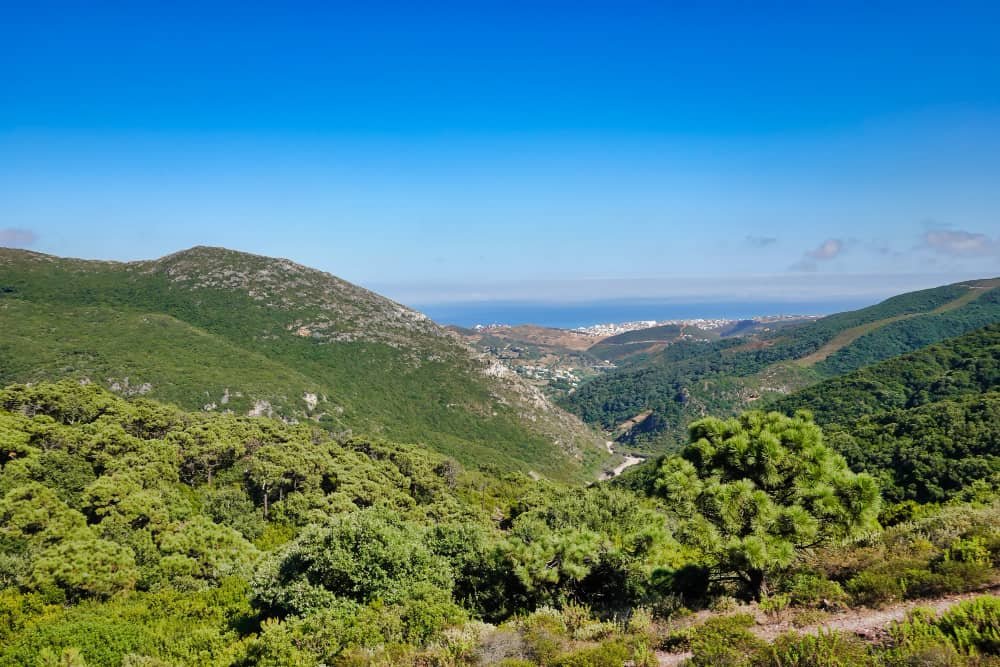
10 Top Attractions in Bulgaria You Shouldn’t Miss
The best attractions in Bulgaria span thousands of years of history and some of the most impressive landscapes in the Balkans. Ancient civilizations, medieval Bulgarian rulers, Orthodox traditions, and remarkable natural forces have all left their mark on the country.
What makes Bulgaria especially rewarding is the variety. You can visit a centuries-old monastery in the mountains, hike beside glacial lakes, walk through Roman ruins, explore a medieval fortress, and relax beside the Black Sea—all during the same trip.
Here are 10 of the top attractions in Bulgaria to consider for your itinerary, starting with one of the country’s most important cultural landmarks.
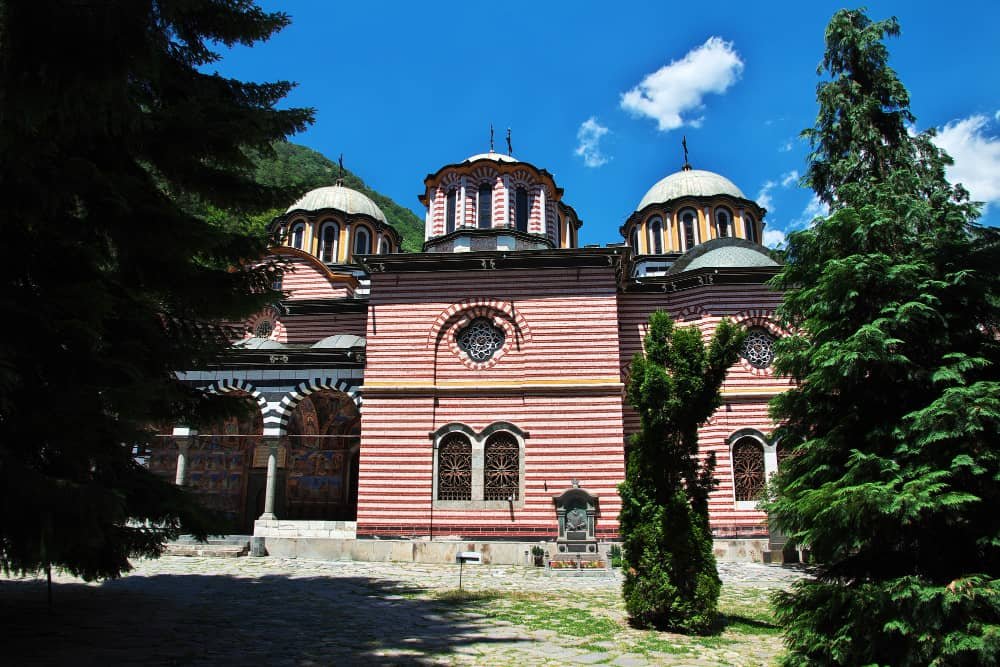
1. Rila Monastery – Bulgaria’s Most Famous Monastery
Hidden among the forested slopes of the Rila Mountains, Rila Monastery is one of Bulgaria’s most recognizable landmarks and an essential stop for first-time visitors.
The monastery traces its origins to the 10th century and is closely associated with St. Ivan of Rila, Bulgaria’s most revered Orthodox saint. Over the centuries, it became an important center of Bulgarian religion, culture, education, and national identity.
Today, the Rila Monastery is a UNESCO World Heritage Site and remains an active Bulgarian Orthodox monastery.
What to See at Rila Monastery
Entering the complex is part of the experience. Tall stone walls surround a large courtyard lined with distinctive arched galleries, while mountains and forests rise beyond the monastery.
At the center stands the Church of the Nativity of the Virgin, famous for its colorful 19th-century frescoes covering the exterior galleries and interior.
Nearby is the medieval Hrelyo’s Tower, built in the 14th century and one of the oldest surviving structures within the monastery complex.
The monastery museum contains religious art, manuscripts, historic objects, and other treasures connected with Rila’s long history.
Take time to walk around the courtyard and examine the architectural details rather than treating the monastery as a quick photo stop.
Visiting Rila Monastery From Sofia
Rila Monastery is located roughly 120 kilometers south of Sofia, making it one of the most popular cultural trips from the Bulgarian capital.
Allow at least two to three hours at the monastery itself, especially if you want to visit the museum and explore at a relaxed pace. With transportation from Sofia, expect the excursion to take much of the day.
If you’re traveling by car, you can also combine Rila Monastery with other attractions in the region.
Because this is an active religious site, visitors should dress respectfully and follow the monastery’s rules, particularly when entering churches and religious spaces.
For its combination of Bulgarian history, Orthodox heritage, architecture, frescoes, and spectacular mountain surroundings, Rila Monastery deserves its place among the very best attractions in Bulgaria.
2. Seven Rila Lakes – Bulgaria’s Iconic Mountain Hike
High in the Rila Mountains, the Seven Rila Lakes are among Bulgaria’s most spectacular natural attractions.
The seven glacial lakes sit at different elevations and are connected by streams and waterfalls, surrounded by rugged peaks and alpine meadows. Their names—including The Tear, The Eye, The Kidney, The Twin, The Trefoil, The Fish Lake, and The Lower Lake—reflect their shapes or distinctive characteristics.
For hikers and nature lovers, this is easily one of the top attractions in Bulgaria.
Hiking the Seven Rila Lakes
Most visitors begin near Panichishte, where a chairlift provides seasonal access toward the higher mountain area. From there, hiking trails connect the lakes and several panoramic viewpoints.
You don’t necessarily need to complete the entire circuit to enjoy the scenery. Shorter walks provide access to several lakes, while stronger hikers can continue higher for the classic panoramic view overlooking much of the group.
Conditions can change quickly in the mountains, so bring appropriate footwear, water, sun protection, and an extra layer even when the weather looks good at lower elevations.
Best Time to Visit the Seven Rila Lakes
The main hiking season is generally during the warmer months, when trails are more accessible and the lakes are free of winter snow and ice.
Summer provides the easiest conditions but also attracts the largest number of visitors, particularly on weekends.
For a quieter experience, start early in the morning and avoid peak weekend hours when possible.
Outside the main hiking season, snow, ice, fog, strong winds, and changing mountain conditions can make the area considerably more challenging. Always check current weather and trail conditions before setting out.
How Much Time Do You Need?
Allow at least half a day, although a full day is better if you’re traveling from Sofia or want to hike beyond the easiest viewpoints.
The Seven Rila Lakes can technically be combined with other attractions in the region, but rushing through them defeats much of the purpose. Give yourself enough time to hike, stop at the viewpoints, and enjoy the mountain landscape.
For travelers who want to experience Bulgaria beyond its cities and historical monuments, the Seven Rila Lakes offer one of the country’s most memorable mountain adventures.
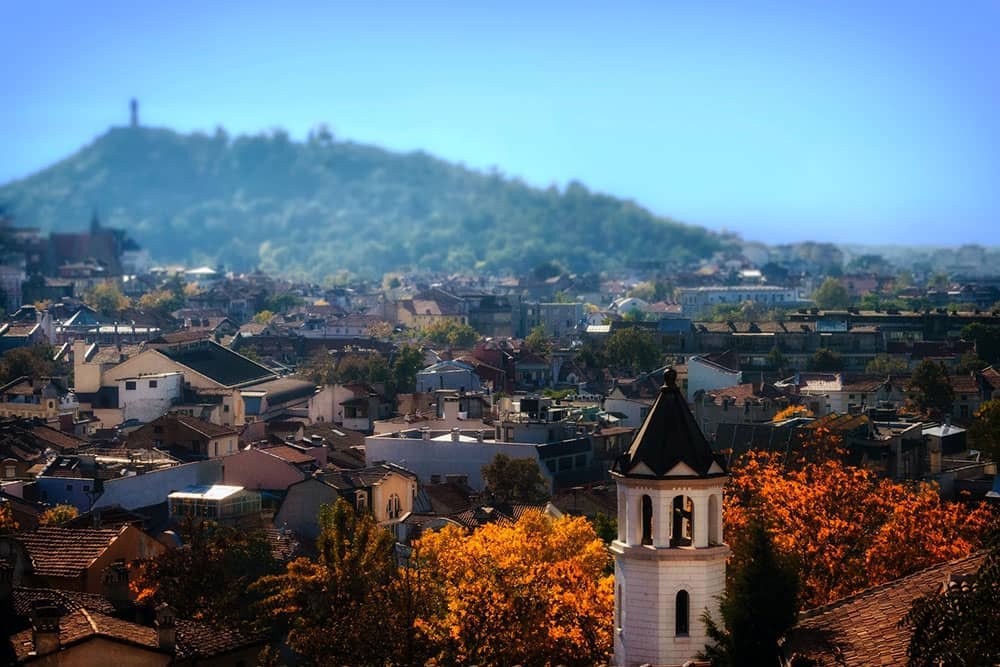
Photo by Deniz Fuchidzhiev on Unsplash
3. Plovdiv Old Town & Ancient Theatre – Thousands of Years of History
Plovdiv is one of Bulgaria’s most fascinating cities, where Roman ruins, colorful Bulgarian Revival houses, cobblestone streets, museums, galleries, and modern cafés exist within walking distance of one another.
At the heart of the experience is Plovdiv Old Town, a historic district spread across several hills and filled with some of the city’s most recognizable architecture.
For travelers interested in history and culture, Plovdiv is easily one of the top attractions in Bulgaria and deserves more than a quick stop.
Explore Plovdiv Old Town
Walking through the Old Town reveals beautifully preserved Bulgarian National Revival houses, many recognizable by their colorful façades, wooden details, decorative interiors, and distinctive architecture.
Several historic homes now operate as museums and cultural spaces, giving visitors a closer look at the lives of wealthy Plovdiv families during the 18th and 19th centuries.
Continue uphill toward Nebet Tepe, one of Plovdiv’s historic hills and a great place to appreciate both the city’s ancient roots and views across modern Plovdiv.
The surrounding lanes are best explored slowly. Part of Plovdiv’s appeal comes from wandering between historic houses, galleries, churches, small courtyards, and viewpoints rather than simply checking landmarks off a list.
See the Ancient Theatre of Philippopolis
Plovdiv’s most famous Roman landmark is the Ancient Theatre of Philippopolis, constructed during the Roman period and dramatically positioned between two of the city’s hills.
The restored theatre remains one of Bulgaria’s most impressive ancient monuments and is still used for concerts, performances, and cultural events.
Roman heritage can be found elsewhere throughout central Plovdiv as well, including remains associated with the city’s ancient stadium and forum.
How Long Should You Spend in Plovdiv?
Plan for at least one full day, although two days provides a much better experience.
With extra time, explore the creative Kapana district, visit museums and galleries, enjoy Plovdiv’s restaurants and cafés, and see more of the archaeological sites scattered around the city center.
Plovdiv works well as a destination on its own or as part of a longer route through southern Bulgaria.
The combination of Roman heritage, Bulgarian Revival architecture, historic neighborhoods, archaeology, and lively modern culture makes Plovdiv one of the most rewarding places to visit in Bulgaria.
4. Nessebar Old Town – Ancient History on the Black Sea
Set on a rocky peninsula extending into the Black Sea, Nessebar combines ancient history, medieval churches, traditional architecture, and beautiful coastal scenery in one compact destination.
The historic old town is recognized as a UNESCO World Heritage Site and preserves evidence of civilizations and cultures that shaped the settlement over thousands of years.
Today, Nessebar Old Town is one of the most popular attractions on Bulgaria’s Black Sea coast and an excellent place to combine sightseeing with a seaside vacation.
Best Things to See in Nessebar
The Old Town is small enough to explore on foot, and simply wandering through its narrow streets is part of the experience.
Nessebar is especially famous for its historic churches. Among the most recognizable are the Church of Christ Pantocrator, Church of St. Stephen, and the ruins of the Church of St. Sophia, also known as the Old Metropolitan Church.
You’ll also encounter archaeological remains, sections of ancient fortifications, traditional wooden houses, small museums, shops, restaurants, and viewpoints overlooking the Black Sea.
The town’s architecture reflects several different periods of its history, making Nessebar much more than a typical beach destination.
Combine History With the Black Sea Coast
One of Nessebar’s biggest advantages is its location.
After exploring the historic peninsula, you can spend time along the surrounding coastline or use Nessebar as part of a longer trip through Bulgaria’s seaside destinations.
Nearby Sunny Beach offers a completely different atmosphere with its long sandy beach, hotels, restaurants, and nightlife.
Travelers interested primarily in culture may prefer spending most of their time inside Nessebar’s historic center, while those planning a summer vacation can easily combine the Old Town with several days beside the Black Sea.
How Much Time Do You Need in Nessebar?
Allow at least half a day to explore the main churches, archaeological sites, streets, and waterfront.
A full day gives you more time for museums, restaurants, photography, and the surrounding beaches without rushing.
If you’re staying elsewhere along the central Black Sea coast, Nessebar also works well as a day trip.
For its combination of ancient heritage, medieval churches, traditional architecture, and Black Sea scenery, Nessebar is one of the most distinctive places to visit in Bulgaria.
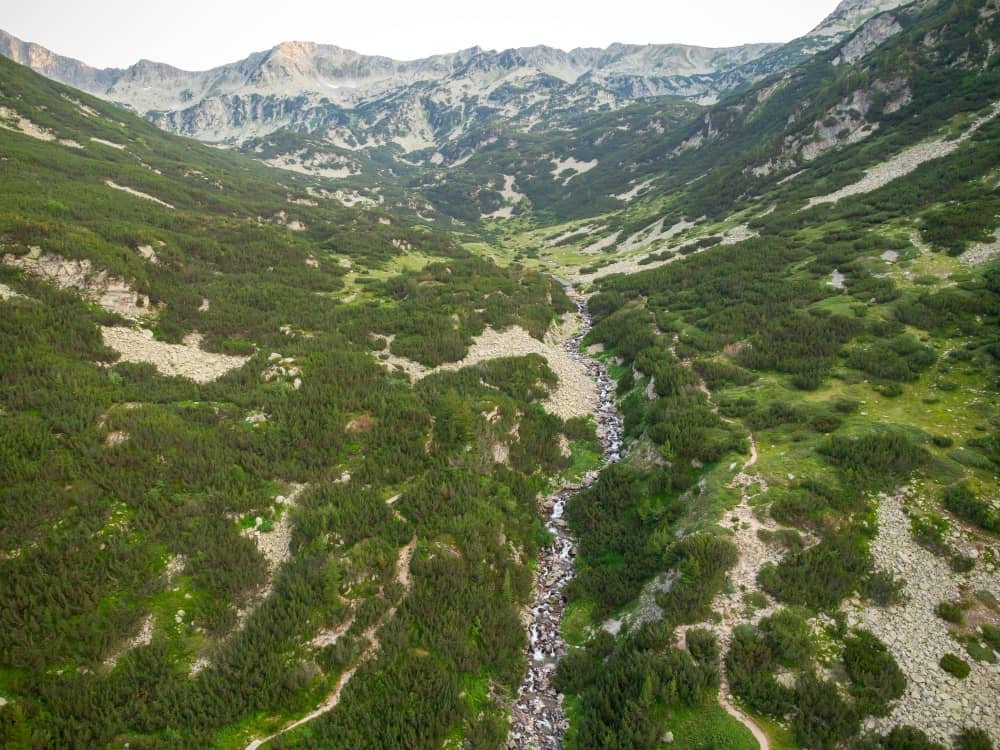
Photo by Polina Kocheva on Unsplash
5. Pirin National Park – Dramatic Peaks, Glacial Lakes and Mountain Trails
With rugged peaks, alpine meadows, forests, and glacial lakes, Pirin National Park protects some of the most spectacular mountain scenery in Bulgaria.
Located in southwestern Bulgaria, the park is recognized as a UNESCO World Heritage Site for its exceptional natural landscapes and biodiversity. It is also one of the country’s premier destinations for hiking and outdoor adventure.
At the center of the landscape rises Vihren, Bulgaria’s second-highest mountain peak at 2,914 meters and one of the most recognizable summits in the Pirin Mountains.
Hiking and Nature in Pirin National Park
Pirin contains an extensive network of mountain trails ranging from relatively accessible walks to demanding high-altitude routes.
Experienced hikers can tackle Vihren Peak, while other trails lead through forests, across rocky mountain terrain, and toward beautiful alpine lakes.
The park is home to numerous glacial lakes, including the Banderishki Lakes, which are among the highlights of the mountain landscape.
Wildlife and plant diversity are another important part of Pirin. Its forests include ancient conifers, while the wider mountain ecosystem provides habitat for a variety of native species.
Because conditions at higher elevations can change rapidly, hikers should check the weather, choose routes appropriate for their experience, and carry suitable mountain equipment.
Bansko as a Base for Exploring Pirin
The mountain town of Bansko is one of the most convenient bases for exploring Pirin National Park.
Although internationally known as a winter ski destination, Bansko also works well for summer hiking and mountain trips. Its historic center, traditional houses, restaurants, and Bulgarian Revival architecture add another dimension to a stay in the region.
Nearby Dobrinishte is another useful base for accessing parts of the Pirin Mountains.
How Long Should You Spend in Pirin?
Allow at least one full day if you want to experience the mountains, although hikers can easily spend several days exploring different trails and lakes.
Summer and early autumn are generally the most accessible periods for hiking, while winter transforms the region into a destination for skiing and other snow activities.
Whether you come for a challenging mountain hike or simply want to experience Bulgaria’s alpine landscapes, Pirin National Park is one of the country’s greatest natural attractions.
6. Tsarevets Fortress & Veliko Tarnovo – Heart of Medieval Bulgaria
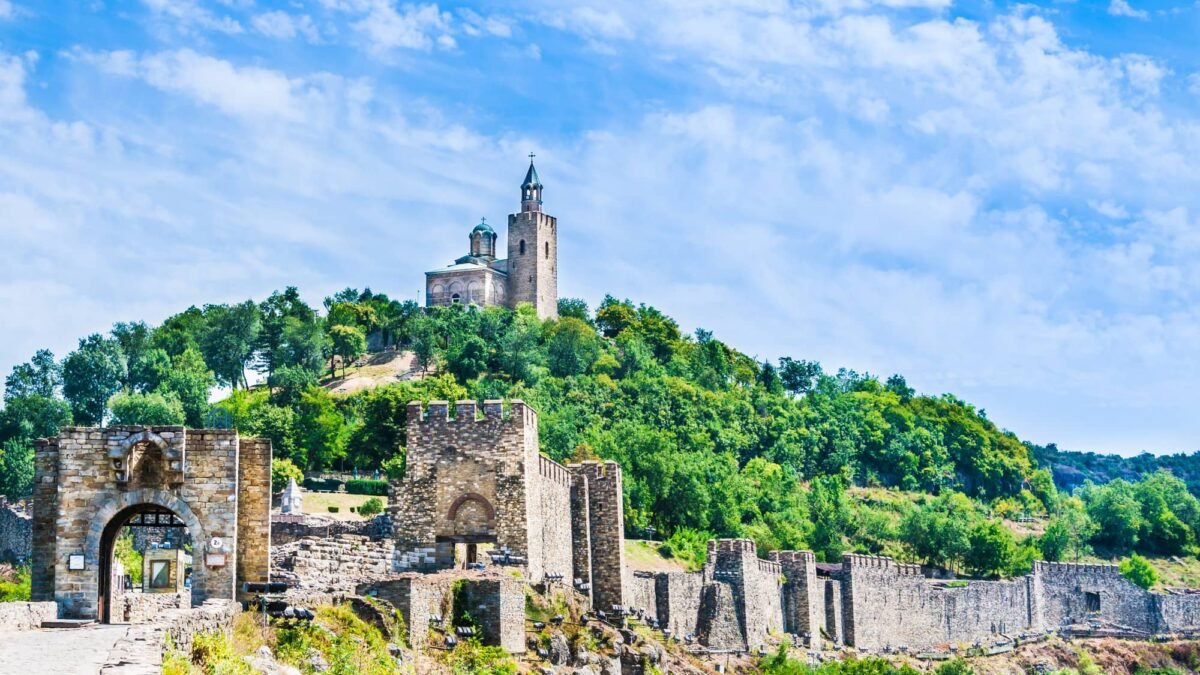
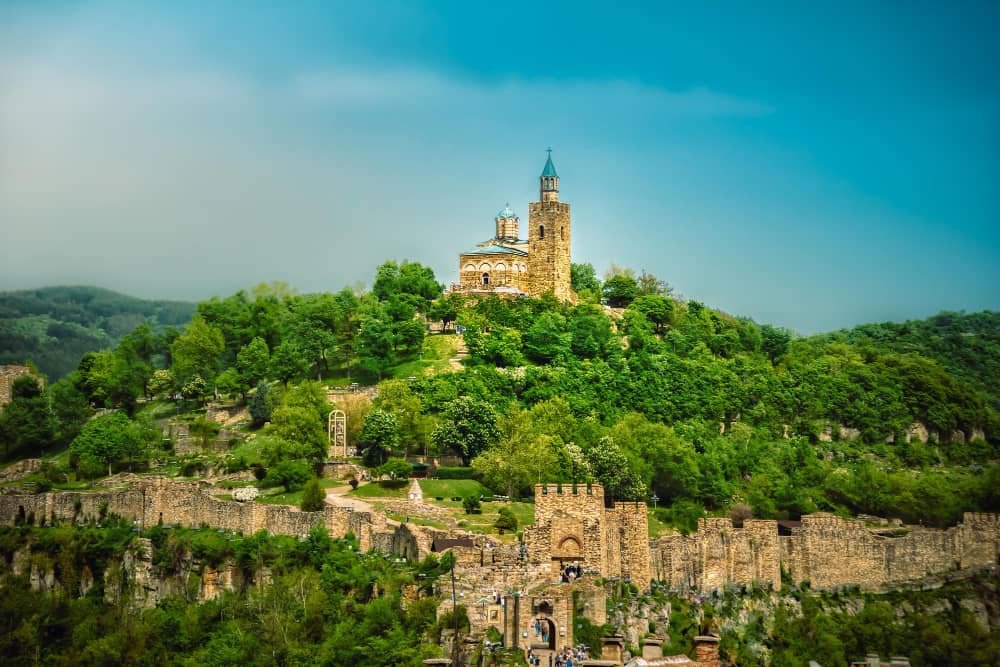
Rising above the Yantra River in Veliko Tarnovo, Tsarevets Fortress is one of Bulgaria’s most important medieval landmarks.
The fortified hill became a political and spiritual center of the Second Bulgarian Empire, particularly when Tarnovo served as the medieval Bulgarian capital. Today, its reconstructed walls, towers, gates, churches, and archaeological remains provide a fascinating glimpse into one of the most important periods of Bulgarian history.
The elevated setting also offers spectacular views across Veliko Tarnovo and the surrounding hills.
Explore Tsarevets Fortress
Enter through the fortress’s imposing main gate and follow the paths uphill through the remains of the medieval stronghold.
During its height, Tsarevets contained royal buildings, churches, homes, workshops, and defensive structures. The royal palace complex occupied a strategically protected area of the hill, while the Patriarchal complex stood at its highest point.
At the summit is the reconstructed Patriarchal Church, one of the fortress’s most recognizable landmarks.
Give yourself enough time to explore beyond the main path. The size of Tsarevets becomes much more apparent as you walk around the hill and look across the surrounding landscape.
Explore Veliko Tarnovo
Don’t visit Tsarevets and immediately leave the city.
Veliko Tarnovo is one of Bulgaria’s most atmospheric historic destinations, with traditional architecture and houses dramatically positioned along the hills above the Yantra River.
Walk along Gurko Street, explore the historic Samovodska Charshiya district, browse artisan workshops, and stop at viewpoints overlooking the old city.
Another important medieval site is Trapezitsa, the fortified hill directly across from Tsarevets, where archaeological remains reveal another part of medieval Tarnovo.
Veliko Tarnovo can also serve as a base for exploring nearby monasteries, villages, and historical attractions in central Bulgaria.
How Long Should You Spend in Veliko Tarnovo?
Allow at least one full day for Tsarevets and the historic center, although staying two days provides a much more relaxed experience.
If available during your visit, the Sound and Light show at Tsarevets can add a memorable evening experience, with the fortress illuminated as part of a dramatic presentation inspired by Bulgarian history.
For anyone interested in medieval history, Bulgarian heritage, architecture, and dramatic hilltop scenery, Tsarevets Fortress and Veliko Tarnovo are among the most important places to visit in Bulgaria.
7. Sofia & Alexander Nevsky Cathedral – Bulgaria’s Historic Capital
Set beneath Vitosha Mountain, Sofia combines ancient ruins, Orthodox churches, museums, parks, and modern city life in one of the most historically layered capitals in the Balkans.
The city has developed over thousands of years, and traces of its Roman, medieval, Ottoman, and modern Bulgarian history can still be found throughout the center.
For first-time visitors, Sofia is also one of the easiest places to begin exploring Bulgaria.
Best Things to See in Sofia
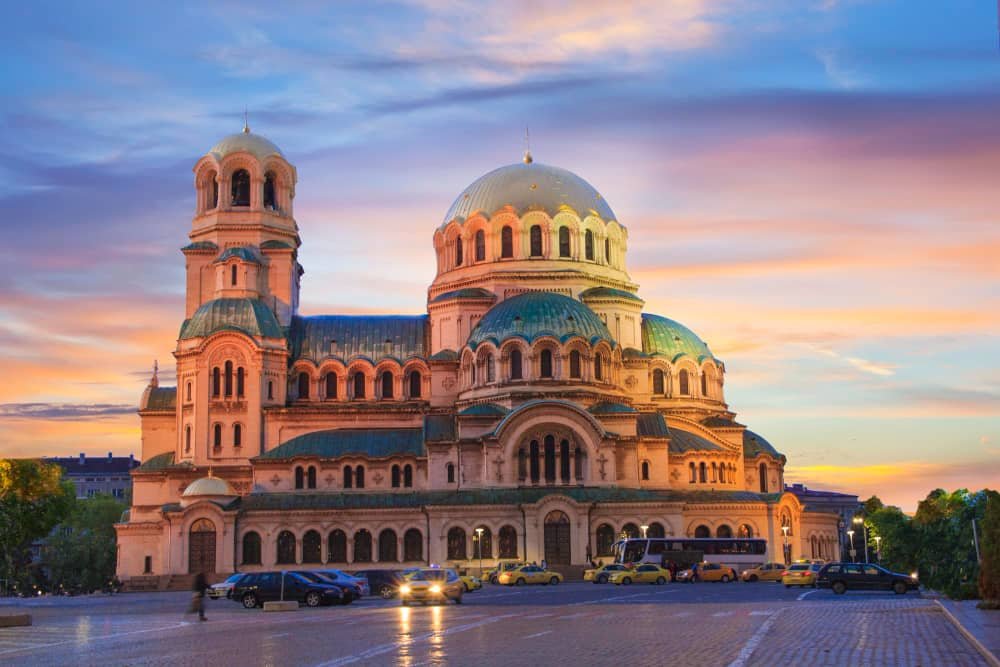
The city’s most recognizable landmark is the magnificent Alexander Nevsky Cathedral, with its enormous domes and richly decorated interior. It is one of Bulgaria’s most important Orthodox churches and a defining symbol of the capital.
But Sofia’s history extends much further back.
Near the modern city center, you can explore archaeological remains of ancient Serdica, the Roman city that once occupied this location. Parts of the ancient streets and buildings are displayed around the Serdica archaeological complex.
Another remarkable survivor is the Rotunda of St. George, an early Christian church surrounded by later buildings in the heart of Sofia.
Other worthwhile stops include the Church of St. Sofia, the National Archaeological Museum, and the city’s central squares, pedestrian streets, parks, and historic buildings.
Visit Boyana Church
On the outskirts of Sofia, Boyana Church is one of Bulgaria’s UNESCO World Heritage Sites and an important example of medieval Bulgarian art.
The church is particularly celebrated for its remarkable 13th-century frescoes, which make it an excellent addition for travelers interested in Bulgarian history, religion, and medieval art.
Its location near the lower slopes of Vitosha also makes it possible to combine cultural sightseeing with time outside the city center.
How Long Should You Spend in Sofia?
Plan for at least two days to explore Sofia’s major landmarks, archaeological sites, churches, museums, parks, and restaurants.
Three days gives you more flexibility to add Boyana Church, Vitosha Mountain, or another nearby excursion.
Sofia may not have the seaside setting of Nessebar or the preserved Old Town atmosphere of Plovdiv, but its combination of Roman archaeology, Orthodox heritage, museums, architecture, food, and mountain scenery makes the Bulgarian capital an essential part of a first trip to the country.
9. Thracian Tombs & Valley of the Thracian Kings – Discover Ancient Bulgaria
Long before the medieval Bulgarian kingdoms emerged, the lands of modern Bulgaria were home to the Thracians, an ancient people who left behind extraordinary tombs, burial mounds, gold treasures, and archaeological sites.
One of the best places to discover this heritage is the region around Kazanlak and the Rose Valley, where numerous Thracian burial mounds have earned the area the nickname Valley of the Thracian Kings.
For travelers interested in archaeology and ancient civilizations, this is one of the most fascinating historical regions in Bulgaria.
Thracian Tomb of Kazanlak
The most famous site is the Thracian Tomb of Kazanlak, a UNESCO World Heritage Site dating to the Hellenistic period.
The tomb is particularly celebrated for its remarkably preserved wall paintings depicting figures, horses, ceremonial scenes, and a funeral banquet.
To protect the original paintings, public access to the authentic tomb is highly restricted, but visitors can explore a nearby replica that recreates its architecture and artwork.
The surrounding region contains many additional Thracian burial sites, making Kazanlak an excellent base for exploring Bulgaria’s ancient past.
Explore the Valley of the Thracian Kings
Among the most impressive archaeological sites around Kazanlak is the Tomb of Seuthes III at Golyama Kosmatka, discovered beneath a large burial mound near Shipka.
Other important sites are scattered throughout the valley, providing evidence of the powerful Thracian rulers and communities that once occupied the region.
A trip here can also be combined with Shipka Memorial Church, Shipka Pass, and other historic attractions around the central Balkan Mountains.
The area is equally famous for its centuries-old tradition of growing roses, and visitors traveling during the late-spring rose season can combine archaeological sightseeing with experiences connected to Bulgaria’s celebrated Rose Valley.
What About the Thracian Tomb of Sveshtari?
Another extraordinary UNESCO-listed Thracian monument is the Thracian Tomb of Sveshtari, but it is important not to confuse it with the sites around Kazanlak.
Sveshtari is located in northeastern Bulgaria, near Isperih, and is especially famous for the sculpted female figures decorating its burial chamber.
Because it is in a completely different part of the country, Sveshtari is better visited as part of a separate northern Bulgaria itinerary rather than as a quick addition to the Valley of the Thracian Kings.
How Much Time Do You Need?
Allow one full day to explore several Thracian sites around Kazanlak, especially if you’re also visiting Shipka or attractions connected with the Rose Valley.
Travelers with a strong interest in archaeology could easily spend longer exploring the region.
The combination of ancient tombs, remarkable archaeological discoveries, Thracian art, mountain scenery, and Bulgaria’s famous Rose Valley makes the Kazanlak region one of the country’s most rewarding destinations for understanding its ancient past.

10. Bulgaria’s Black Sea Coast – Beaches, Historic Towns and Seaside Resorts
Stretching along the eastern edge of the country, Bulgaria’s Black Sea coast offers a completely different experience from its mountains, monasteries, and ancient inland cities.
The coastline combines long sandy beaches, historic seaside towns, dramatic cliffs, lively resorts, nature reserves, and major cities such as Varna and Burgas. During summer, it becomes one of Bulgaria’s most popular vacation regions.
While Nessebar deserves its own place among the top attractions in Bulgaria, there are many other destinations worth discovering along the coast.
Explore Varna and the Northern Black Sea Coast
Varna is Bulgaria’s largest city on the Black Sea and a good base for exploring the northern coastline.
One of its most important attractions is the Varna Archaeological Museum, home to remarkable archaeological collections, including ancient gold artifacts discovered at the Varna Necropolis.
The city also offers the expansive Sea Garden, beaches, restaurants, cultural attractions, and a lively waterfront atmosphere.
North of Varna, travelers can explore Balchik, known for its seaside setting and botanical garden, before continuing toward Cape Kaliakra, where dramatic cliffs rise above the Black Sea.
Popular beach destinations such as Golden Sands are also located along this section of the coast.
Discover Sozopol and the Southern Coast
South of Burgas, Sozopol is one of Bulgaria’s most atmospheric seaside towns.
Its historic quarter features traditional houses, narrow streets, archaeological remains, restaurants, galleries, and beautiful views across the Black Sea.
The southern coastline also offers numerous beaches and smaller seaside destinations, making it an excellent region for travelers who prefer combining cultural sightseeing with time by the water.
Nature lovers can explore protected coastal landscapes and wetlands around the Burgas region, while beach travelers can continue farther south toward quieter stretches of the Bulgarian coast.
How Long Should You Spend on the Black Sea Coast?
Allow at least three to five days if the Black Sea is an important part of your Bulgaria itinerary.
Rather than staying in a single resort for the entire trip, consider combining a larger city such as Varna or Burgas with a historic town, beaches, and one or two natural attractions.
Summer is the main season for swimming and beach vacations, while late spring and early autumn can be excellent for sightseeing with fewer peak-season crowds.
From the cliffs of Cape Kaliakra to the historic streets of Sozopol and the sandy beaches stretching along the coast, the Bulgarian Black Sea offers far more than traditional resort vacations and provides a fitting finale to Bulgaria’s top attractions.

Bachkovo Monastery
The Bachkovo Monastery in Bulgaria is one of the top attractions in this beautiful European country. Nestled among lush forests and mountains, it provides a stunning backdrop for visitors seeking spiritual enlightenment and awe-inspiring architecture. Constructed in 1083 by Georgian monks fleeing Byzantine rule, it is the second-largest monastery in Bulgaria and one of the oldest monasteries still standing today.
The monastery complex includes several buildings, each rich with history and spirituality. The most impressive is the Church of St. Nicholas, built between 1083 and 1110 AD using a unique combination of Romanesque construction techniques alongside traditional Bulgarian architectural elements, such as paintings on frescoes reflecting images from the Bible.
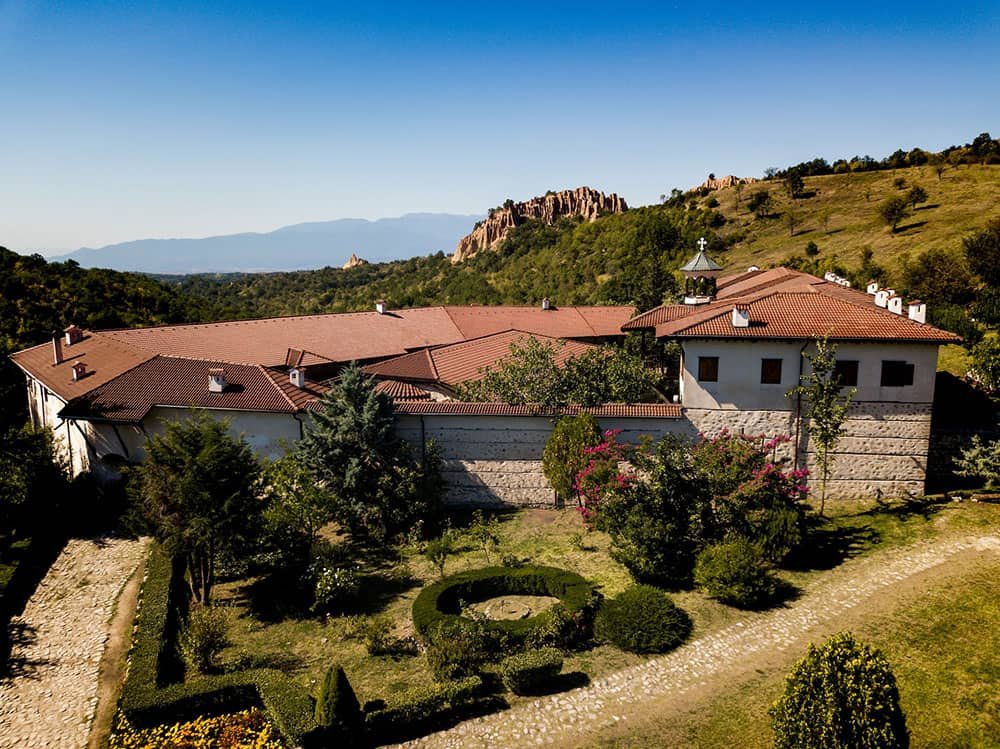
Photo by Yuliyan Grozdev on Unsplash
Which Bulgaria Attractions Are Best for You?
With ancient cities, monasteries, mountains, archaeological sites, and beaches to choose from, the best places to visit in Bulgaria depend on the type of trip you’re planning.
For first-time visitors, start with Sofia, Rila Monastery, and Plovdiv. Together, they provide an excellent introduction to Bulgaria’s history, architecture, religious heritage, food, and modern culture.
If you love nature and hiking, prioritize the Seven Rila Lakes and Pirin National Park. Both offer spectacular mountain scenery, although the experience can range from relatively accessible walks to challenging high-altitude hikes.
History lovers have even more choices. Tsarevets Fortress and Veliko Tarnovo are essential for understanding medieval Bulgaria, while Plovdiv and the Valley of the Thracian Kings reveal much older chapters of the country’s past.
For a summer vacation, combine cultural sightseeing with several days along the Black Sea coast, where you can explore historic towns, sandy beaches, seaside resorts, and dramatic coastal landscapes.
Best Attractions in Bulgaria by Travel Style
- Best for first-time visitors: Sofia, Rila Monastery, and Plovdiv
- Best for Bulgarian history: Veliko Tarnovo and Tsarevets Fortress
- Best for ancient history: Plovdiv and the Valley of the Thracian Kings
- Best for hiking: Seven Rila Lakes and Pirin National Park
- Best for mountain scenery: Rila and Pirin
- Best for beaches: Bulgaria’s Black Sea coast
- Best historic seaside destination: Nessebar
- Best for photography: Belogradchik Rocks, Seven Rila Lakes, and Nessebar
- Best for Orthodox heritage: Rila Monastery and Sofia
- Best for a road trip: Plovdiv, Veliko Tarnovo, the Rose Valley, and the Black Sea coast
You don’t need to choose only the country’s most famous landmarks. Some of the best Bulgaria itineraries combine one or two major attractions with smaller towns, villages, monasteries, archaeological sites, and natural areas along the route.
That’s often where you’ll discover a side of Bulgaria that visitors rushing between the biggest attractions miss.
Best Time to Visit Bulgaria
Bulgaria is a year-round destination, but the best time to visit depends on what you want to experience. Spring and autumn are excellent for sightseeing, summer is ideal for mountains and the Black Sea coast, and winter attracts travelers to Bulgaria’s ski resorts.
Spring: April to May
Spring is one of the best times to explore Bulgaria’s cities, monasteries, fortresses, and archaeological sites.
Temperatures are generally comfortable for walking around Sofia, Plovdiv, Veliko Tarnovo, and Nessebar, while the countryside becomes increasingly green as the season progresses.
Late May is also associated with the rose season around Kazanlak and the Rose Valley, making it an especially interesting time to explore central Bulgaria.
Mountain conditions can still be unpredictable, however, particularly at higher elevations.
Summer: June to August
Summer is the main season for both mountain hiking and Black Sea vacations.
This is generally the most accessible period for visiting attractions such as the Seven Rila Lakes and Pirin National Park, although popular hiking areas can become busy during weekends and holidays.
Along the Black Sea, destinations such as Nessebar, Varna, Sozopol, and the surrounding beaches are at their liveliest.
July and August can become hot, particularly in cities and lower-elevation areas, so sightseeing early in the morning or later in the day can be more comfortable.
Autumn: September to October
Early autumn is another excellent time to visit Bulgaria.
September often combines warm weather with fewer peak-season crowds, making it particularly attractive for road trips, hiking, historic cities, monasteries, and cultural sightseeing.
The Black Sea can also remain appealing in early September, depending on weather conditions.
As autumn progresses, Bulgaria’s forests begin changing color, creating beautiful scenery around mountain regions and historic destinations such as Veliko Tarnovo.
Winter: December to March
Winter transforms Bulgaria’s mountains into destinations for skiing and snow sports.
Bansko, Borovets, and Pamporovo are among the country’s best-known ski resorts, while cities such as Sofia and Plovdiv can still work well for cultural trips.
Some mountain hikes and seasonal attractions become considerably more difficult or inaccessible during periods of heavy snow, so winter itineraries require different planning from summer trips.
What Is the Best Month to Visit Bulgaria?
For a trip focused on history, cities, monasteries, and sightseeing, May, June, September, and early October are particularly good choices.
Choose July or August if beaches and high-mountain hiking are your priorities, and winter if you’re primarily visiting Bulgaria for skiing.
For travelers hoping to experience several sides of the country on one trip, June and September offer an especially good balance between comfortable sightseeing, mountain access, and outdoor activities.
How Many Days Do You Need in Bulgaria?
You can see several major attractions in a week, but 7 to 10 days is a much better starting point for a first trip to Bulgaria. With two weeks, you can combine the country’s historic cities, mountains, monasteries, archaeological sites, and Black Sea coast without constantly rushing between destinations.
5 Days in Bulgaria
With five days, concentrate on Sofia and southern Bulgaria rather than trying to cross the entire country.
A good first-time route is:
Sofia → Rila Monastery → Plovdiv
Spend two days exploring Sofia, dedicate a day to Rila Monastery, and use the remaining time for Plovdiv’s Old Town, Roman ruins, restaurants, and cultural attractions.
If hiking is your priority, you could substitute a mountain day at the Seven Rila Lakes during the warmer months.
7 Days in Bulgaria
A week allows you to add another region while maintaining a comfortable pace.
Consider:
Sofia → Rila Monastery → Plovdiv → Kazanlak & Rose Valley → Veliko Tarnovo
This route combines Bulgaria’s capital with Orthodox heritage, Roman history, Thracian archaeology, mountain scenery, and the medieval capital at Veliko Tarnovo.
Nature lovers could instead spend more time around Rila or Pirin National Park.
10 Days in Bulgaria
With 10 days, you can experience several different sides of the country.
One possible route is:
Sofia → Rila Monastery → Pirin/Bansko → Plovdiv → Kazanlak → Veliko Tarnovo
This itinerary works particularly well for travelers interested in a combination of mountains, history, monasteries, traditional towns, and archaeology.
Alternatively, skip Pirin and continue east from Veliko Tarnovo toward the Black Sea coast if beaches and seaside towns are more important to you.
14 Days in Bulgaria
Two weeks gives you enough time for a much broader road trip.
A possible route is:
Sofia → Rila Monastery → Pirin Mountains → Plovdiv → Rose Valley → Veliko Tarnovo → Black Sea Coast
Once you reach the coast, divide several days between destinations such as Nessebar, Burgas, Sozopol, Varna, Balchik, or Cape Kaliakra depending on how far north or south you want to travel.
The Belogradchik Rocks are spectacular but lie in northwestern Bulgaria, away from this route. If Belogradchik is a priority, it’s better to build it into the beginning or end of your itinerary rather than forcing it into an already busy cross-country trip.
Don’t Try to See Everything at Once
Bulgaria may look compact on a map, but many of its best attractions are spread across mountains, rural regions, and opposite sides of the country.
For a first visit, three or four main bases usually work better than changing hotels every night.
Spend enough time in each region to explore beyond the headline attractions. Bulgaria’s smaller villages, mountain roads, local restaurants, archaeological sites, monasteries, and unexpected viewpoints can be just as memorable as the famous places that brought you there in the first place.
Frequently Asked Questions About Bulgaria Attractions
What is the number one attraction in Bulgaria?
Rila Monastery is arguably Bulgaria’s most famous cultural attraction and one of the best places to visit on a first trip. Its combination of Orthodox heritage, colorful frescoes, distinctive architecture, mountain scenery, and centuries of Bulgarian history makes it especially significant.
For nature lovers, the Seven Rila Lakes are another strong contender for Bulgaria’s most memorable attraction.
What is the most beautiful place in Bulgaria?
Bulgaria has many beautiful destinations, so the answer depends on what kind of scenery you prefer.
For mountain landscapes, the Seven Rila Lakes and Pirin National Park are among the highlights. The Belogradchik Rocks offer one of the country’s most unusual landscapes, while Nessebar combines historic architecture with beautiful Black Sea views.
What are the best places to visit in Bulgaria for first-time visitors?
For a first trip, consider combining Sofia, Rila Monastery, Plovdiv, and Veliko Tarnovo.
Together, these destinations provide an excellent introduction to Bulgaria’s ancient history, medieval heritage, Orthodox traditions, architecture, food, and modern culture.
If you have additional time, add the Seven Rila Lakes, Pirin National Park, or the Black Sea coast depending on the season.
What UNESCO World Heritage Sites can you visit in Bulgaria?
Several attractions featured in this guide have UNESCO World Heritage status, including Rila Monastery, Pirin National Park, the Ancient City of Nessebar, Boyana Church, and the Thracian Tomb of Kazanlak.
Bulgaria has additional UNESCO-listed cultural and natural sites elsewhere in the country, making it an excellent destination for travelers interested in history, archaeology, architecture, and nature.
Is Rila Monastery worth visiting?
Yes. Rila Monastery is one of Bulgaria’s most important historical, religious, and architectural landmarks.
Its mountain location, elaborate frescoes, historic church, Hrelyo’s Tower, museum collections, and cultural significance make it well worth the journey from Sofia.
Allow several hours at the monastery rather than treating it as a quick photo stop.
Are the Seven Rila Lakes difficult to visit?
The difficulty depends on how much of the route you want to hike and current mountain conditions.
Seasonal lift access can reduce the initial climb, but exploring the higher lakes and panoramic viewpoints still requires hiking over mountain terrain.
Wear appropriate footwear, carry water and sun protection, and check weather and operating conditions before visiting. Conditions at higher elevations can change quickly.
Is Bulgaria worth visiting for tourists?
Absolutely. Bulgaria offers an impressive variety of experiences within a relatively compact country.
Visitors can explore Roman ruins, Thracian tombs, medieval fortresses, Orthodox monasteries, historic cities, mountain ranges, glacial lakes, traditional villages, and Black Sea beaches.
It can be particularly rewarding for travelers who enjoy combining history and culture with outdoor activities.
How many days do you need in Bulgaria?
For a first visit, 7 to 10 days provides enough time to experience several major destinations without rushing.
With five days, concentrate on Sofia, Rila Monastery, and Plovdiv. With two weeks, you can add mountain regions, Veliko Tarnovo, the Rose Valley, and several destinations along the Black Sea coast.
Do you need a car to explore Bulgaria?
Not necessarily, especially if you’re mainly visiting larger cities such as Sofia and Plovdiv.
However, a rental car can make exploring Bulgaria considerably easier if your itinerary includes monasteries, mountain areas, archaeological sites, smaller towns, rural regions, or multiple attractions in a short period.
Buses, trains, organized excursions, and other transportation options can also connect many popular destinations.
What is the best month to visit Bulgaria?
June and September are excellent months for travelers who want to combine sightseeing with outdoor activities.
May and early October can be particularly pleasant for cities, monasteries, archaeological sites, and road trips.
July and August are better suited to travelers prioritizing the Black Sea beaches and high-mountain hiking, while winter is the main season for skiing and snow sports.
The best time ultimately depends on whether you’re coming to Bulgaria for its history, mountains, beaches, or winter resorts.
More Bulgaria Travel Guides
Bulgaria has far more to discover beyond these ten attractions. Ancient cities, mountain villages, monasteries, waterfalls, historic landmarks, and Black Sea destinations make it easy to build a much longer itinerary.
Continue planning your trip with these Discover Balkania guides:
- Best Monasteries to Visit in Bulgaria – Discover Rila, Bachkovo, Rozhen, Troyan, and other important monasteries known for their history, architecture, and religious heritage.
- Best Historical Places in Bulgaria – Explore ancient ruins, Thracian sites, medieval fortresses, archaeological landmarks, and historic towns across the country.
- Most Beautiful Cities in Bulgaria – Find more places to visit beyond Sofia and Plovdiv, including Veliko Tarnovo and other historic Bulgarian cities.
- Best Mountains in Bulgaria – Explore Rila, Pirin, the Rhodopes, and the Balkan Mountains for hiking, viewpoints, lakes, and outdoor adventures.
- Best Waterfalls in Bulgaria – Discover some of the country’s most impressive waterfalls hidden among mountains, forests, and scenic natural areas.
- Best Places on Bulgaria’s Black Sea Coast – Plan a seaside trip around historic towns, beaches, coastal cities, resorts, and natural attractions.
- Bulgaria Travel Guides – Browse more destination guides, itineraries, travel tips, and ideas for exploring different regions of Bulgaria.
One of the best ways to experience Bulgaria is to combine several types of destinations on the same trip. Pair Sofia with Rila Monastery, add Plovdiv and the Rhodope region, explore medieval Bulgaria around Veliko Tarnovo, or finish your journey with several days beside the Black Sea.
The more regions you explore, the more you’ll see how dramatically Bulgaria changes from one part of the country to another.
Start Planning Your Bulgaria Adventure
Bulgaria may not always receive the same attention as some of Europe’s better-known destinations, but that’s part of what makes exploring the country so rewarding.
The top attractions in Bulgaria offer an incredible mix of experiences. You can admire the frescoes and mountain setting of Rila Monastery, hike among the Seven Rila Lakes, walk through thousands of years of history in Plovdiv, explore medieval Bulgaria at Tsarevets Fortress, and discover the ancient world of the Thracians around Kazanlak.
Nature is just as impressive. The rugged peaks of Pirin National Park and the extraordinary Belogradchik Rocks reveal a wilder side of the country, while Nessebar and the wider Black Sea coast combine historic landmarks with beaches and seaside scenery.
But don’t feel like you need to see everything during one trip.
Choose a few attractions that fit naturally into the same route and leave enough time for the places between them. Small towns, traditional restaurants, mountain roads, local markets, villages, and unexpected viewpoints are often just as memorable as Bulgaria’s famous landmarks.
Whether you’re drawn to history, archaeology, mountains, monasteries, beaches, culture, or outdoor adventure, Bulgaria offers far more variety than many first-time visitors expect.
And once you’ve explored one region, there’s always another part of Bulgaria waiting to be discovered.
What's your reaction?