
Bulgaria’s cities can feel remarkably different from one another. Sofia mixes ancient ruins and Orthodox landmarks with busy boulevards and modern neighborhoods, while Plovdiv draws visitors with its Roman heritage, colorful Old Town, and lively Kapana district. On the Black Sea coast, Varna and Burgas offer beaches, waterfront parks, and easy access to some of Bulgaria’s best-known seaside destinations.
The most popular cities in Bulgaria are spread across a surprisingly varied landscape. Beyond the capital and coast, you’ll find medieval history in Veliko Tarnovo, elegant architecture along the Danube in Ruse, and cities that provide easy access to mountains, nature parks, and important historical sites.
A trip through Bulgaria can change character surprisingly quickly. One day you might be walking among Roman ruins, the next climbing to a medieval fortress, and a few days later sitting beside the Danube or walking along the Black Sea.
In this guide, we’ll explore 10 of the best cities in Bulgaria to visit, what you’ll find in each one, their main attractions, and which cities might fit best into your Bulgaria itinerary.
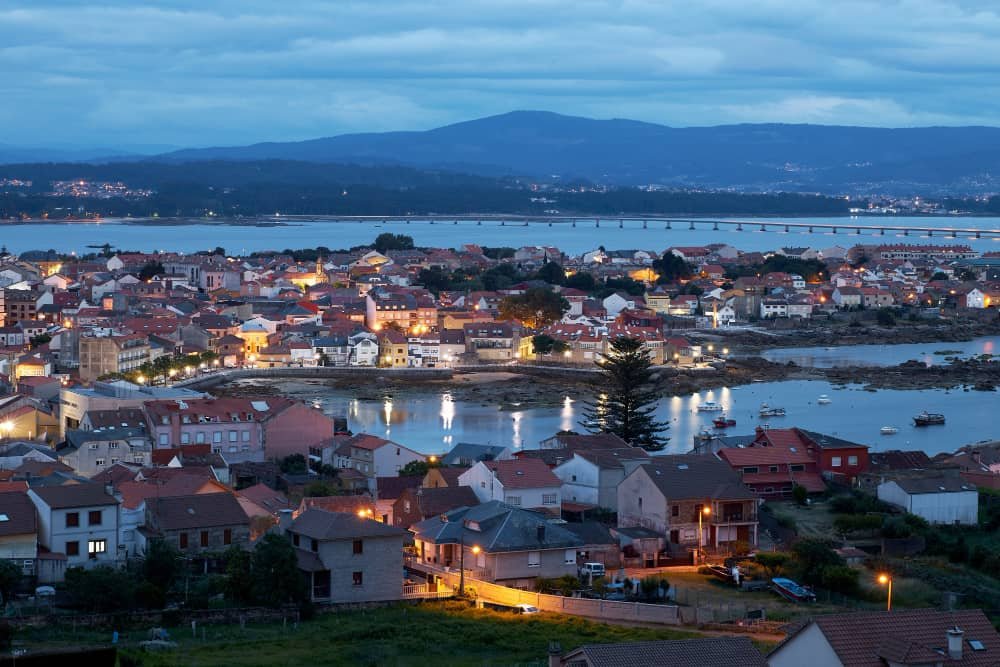
Most Popular Cities in Bulgaria at a Glance
Bulgaria’s cities cover everything from Roman ruins and medieval history to beaches, nightlife, parks, and mountain access. This quick comparison can help you decide which ones best fit your trip.
| City | Best For | Top Highlights | Ideal Stay |
|---|---|---|---|
| Sofia | First-time visitors, history, culture | Alexander Nevsky Cathedral, Roman ruins, Vitosha Mountain | 2–3 days |
| Plovdiv | History, architecture, atmosphere | Old Town, Ancient Theatre, Kapana | 1–2 days |
| Varna | Beaches, culture, summer trips | Sea Garden, Archaeological Museum, Black Sea coast | 2–3 days |
| Burgas | Seaside walks, relaxed coastal trips | Sea Garden, Burgas lakes, nearby Black Sea towns | 1–2 days |
| Veliko Tarnovo | Medieval Bulgarian history | Tsarevets Fortress, Old Town, Yantra River views | 1–2 days |
| Ruse | Architecture, Danube scenery | Freedom Square, historic center, Danube waterfront | 1–2 days |
| Stara Zagora | Roman history, local city life | Roman Forum, museums, parks | 1 day |
| Pleven | Military history, museums | Pleven Panorama, Skobelev Park | 1 day |
| Shumen | Bulgarian history, nearby landmarks | Shumen Fortress, Monument to 1300 Years of Bulgaria | 1 day |
| Sliven | Nature, mountains, quieter travel | Blue Stones Nature Park, historic center | 1 day |
These aren’t simply Bulgaria’s largest cities. Each offers a different reason to visit, which is more useful when planning a trip than ranking destinations by population alone.
1. Sofia
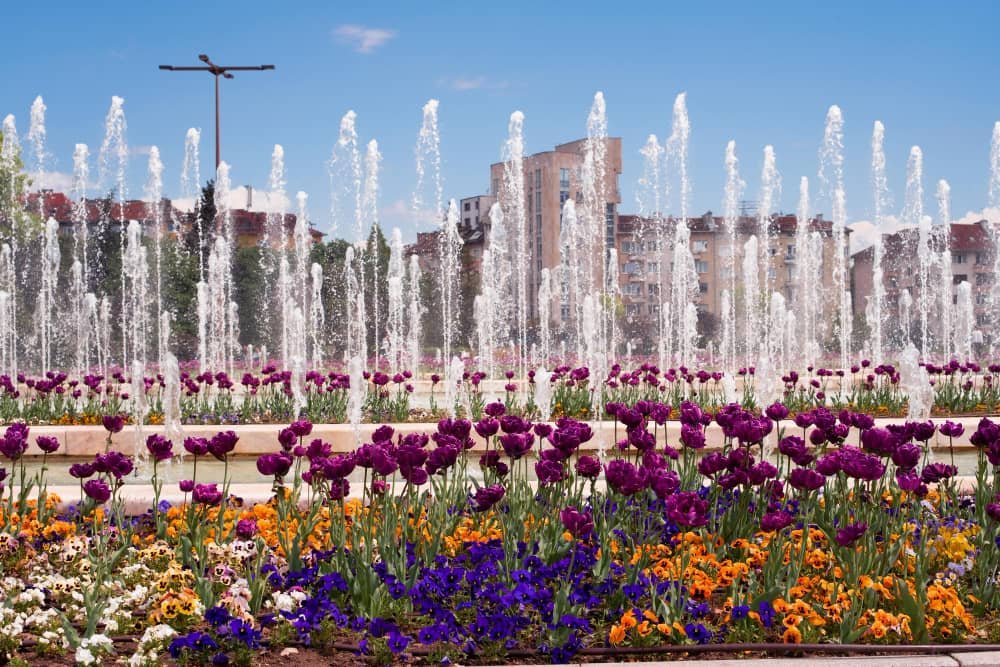
Sofia is Bulgaria’s capital and largest city, and for many international travelers, it’s the easiest place to begin a trip around the country. Much of its appeal comes from seeing different periods of the city’s history within just a few blocks, from Roman remains and centuries-old churches to imposing government buildings and modern shopping streets.
In the city center, you can walk between Roman ruins, Ottoman-era buildings, Orthodox churches, museums, government buildings, and modern shopping streets in a relatively compact area. The gold-domed Alexander Nevsky Cathedral is the city’s most recognizable landmark, while the nearby Church of St. Sofia gave the capital its modern name.
Hidden inside a courtyard between much newer buildings, the Church of St. George is one of the clearest reminders of Roman-era Sofia. Nearby, the archaeological remains of ancient Serdica reveal another layer of the city’s history.
Sofia is also greener than many first-time visitors expect. Borisova Gradina provides a large escape from the busy center, while Vitosha Mountain rises just beyond the city’s southern neighborhoods. Its trails and viewpoints make it possible to combine sightseeing and time outdoors without traveling far from the capital.
If Bulgaria’s mountains are part of your plans, our guide to the high peaks of the Balkans includes several major summits from across the region.
For restaurants, cafés, bars, and evening walks, Vitosha Boulevard and the surrounding central streets are among the liveliest parts of Sofia. Travelers with more time can also visit Boyana Church, a UNESCO World Heritage Site on the outskirts of the city.
Best for: First-time visitors, history, museums, food, nightlife, and combining city sightseeing with nature.
Don’t miss: Alexander Nevsky Cathedral, ancient Serdica, the Church of St. George, Vitosha Boulevard, Boyana Church, and Vitosha Mountain.
How long to stay: Two to three days gives you time for the major sights, a few neighborhoods, and possibly Vitosha or Boyana Church.
2. Plovdiv
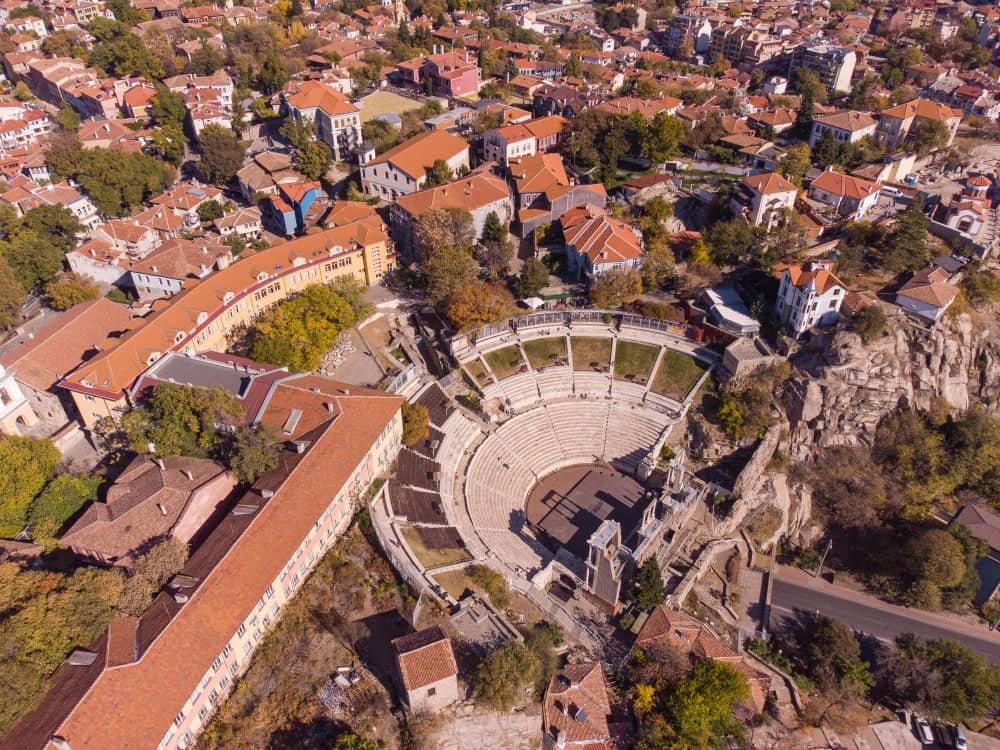
Plovdiv is one of Bulgaria’s most fascinating cities and an easy place to spend a day or two exploring on foot. Its long history is visible throughout the center, where Roman ruins, Bulgarian Revival-era houses, cobblestone streets, galleries, cafés, and contemporary creative spaces all sit within a relatively small area.
The city’s most famous ancient landmark is the Ancient Theatre of Philippopolis, a remarkably preserved Roman theatre built into the hillside. Performances are still held here, but you don’t need to attend one to appreciate the site. The theatre itself and the views across Plovdiv are reason enough to climb the hill.
From the theatre, it’s a short walk into Plovdiv’s Old Town, where steep cobblestone lanes wind between colorful 19th-century houses. Several historic homes are now museums and galleries, while landmarks such as the Hisar Kapia gate provide reminders of the city’s much earlier past.
Just below the Old Town, the atmosphere changes again in Kapana. The former craft district is now packed with small restaurants, cafés, bars, galleries, and independent shops, making it one of the liveliest areas to explore in central Plovdiv.
Another piece of Roman Plovdiv appears directly beneath the modern city center. Parts of the Ancient Stadium of Philippopolis can be seen beside the main pedestrian area, where Roman remains sit just steps from modern shops, restaurants, and cafés.
If you have extra time, climb one of Plovdiv’s hills for views across the rooftops and surrounding Thracian Plain, particularly around sunset.
Best for: Roman history, architecture, photography, cafés, food, and relaxed city breaks.
Don’t miss: Ancient Theatre of Philippopolis, Plovdiv Old Town, Hisar Kapia, Kapana, Ancient Stadium of Philippopolis, and the city’s hilltop viewpoints.
How long to stay: One to two days is enough for the main sights, although Plovdiv is an easy place to stay longer if you prefer a slower pace.
3. Varna
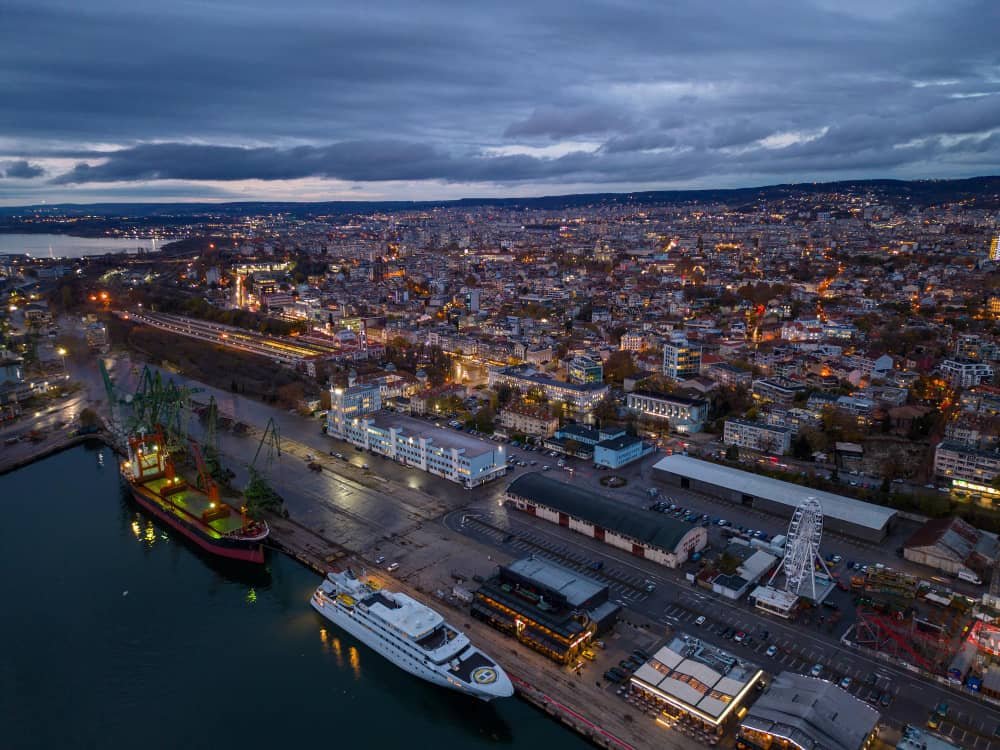
Varna brings together two sides of Bulgaria that don’t always appear in the same trip: a lively city and the Black Sea coast. It’s one of the country’s main seaside destinations, but there’s enough history, culture, and everyday city life here to make it much more than a place to go to the beach.
One of the best places to start is the Sea Garden, a long waterfront park that runs beside the coast. Its shaded paths, gardens, viewpoints, and easy access to the beach make it a favorite place for walking, especially during the warmer months.
Varna’s history goes back thousands of years. The Varna Archaeological Museum houses artifacts discovered at the Varna Necropolis, including prehistoric gold objects dating to the fifth millennium BC. The collection puts Varna on the map for more than its beaches, particularly for travelers interested in Europe’s prehistoric past.
Closer to the center, you can visit the Dormition of the Mother of God Cathedral and explore the remains of the Roman Baths, a reminder of the city’s importance when ancient Varna was known as Odessos.
Varna changes noticeably in summer. The beaches get busier, restaurants and bars stay open later, and the waterfront fills with locals and visitors well into the evening. The city is also a convenient starting point for exploring more of Bulgaria’s northern Black Sea coast.
If you have time, don’t limit your visit to the center. Spend a morning walking through the Sea Garden, explore the museum and historic sights during the day, then head back toward the waterfront for an evening by the sea.
Best for: Beaches, archaeology, seaside walks, summer trips, nightlife, and combining sightseeing with the Black Sea.
Don’t miss: Sea Garden, Varna Archaeological Museum, Roman Baths, Dormition of the Mother of God Cathedral, and the Black Sea waterfront.
How long to stay: Two to three days gives you enough time to explore the city and enjoy the coast without rushing.
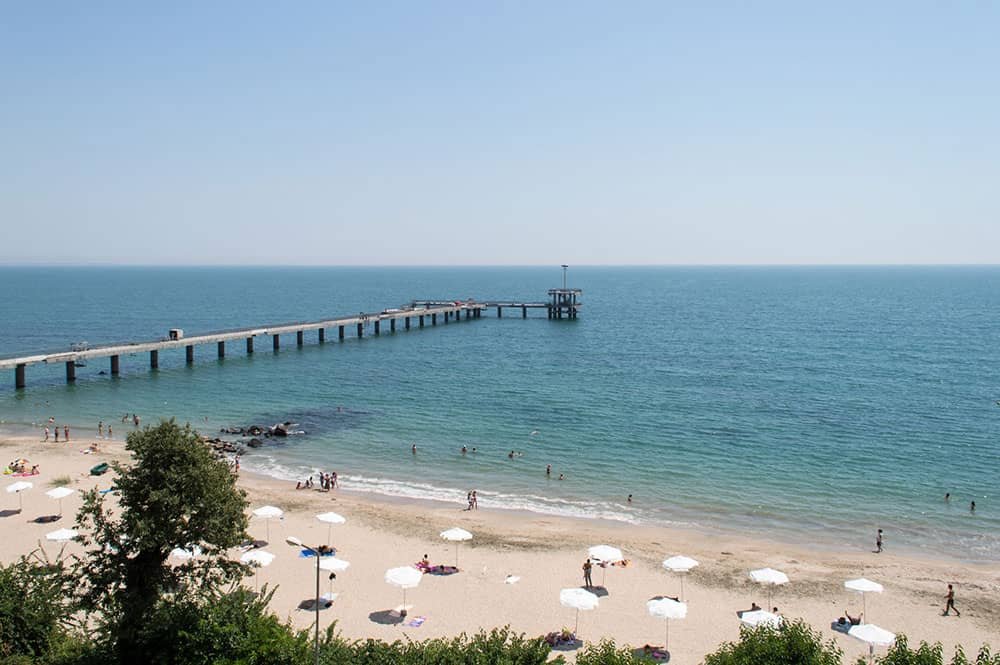
Photo by Anton Nikolov on Unsplash
4. Burgas
Burgas has a more relaxed feel than many of Bulgaria’s major cities. Set on the southern Black Sea coast, it’s known for its waterfront parks, long pedestrian streets, beaches, and surrounding lakes. It’s also a practical base for visiting some of the smaller towns along this part of the coast.
The Sea Garden is one of the best places to get a feel for Burgas. The park stretches along the coast, with shaded paths, gardens, sea views, cafés, and easy access to the beach. In summer, it gets especially lively, with concerts, festivals, and plenty of people still out walking after sunset.
The center of Burgas is compact and easy to explore on foot. Aleksandrovska Street and Bogoridi Street run through the main pedestrian area, past restaurants, cafés, shops, and historic buildings. Follow Bogoridi toward the sea and you’ll eventually reach the Sea Garden and waterfront.
Burgas is also surrounded by lakes and wetlands that are important stopping points for migratory birds. Lake Atanasovsko, immediately north of the city, is one of the most interesting areas to explore if you enjoy birdwatching or want a break from beaches and city streets.
The location also makes Burgas useful for exploring Bulgaria’s southern Black Sea coast. Nessebar and Pomorie are north of the city, while Sozopol is to the south, so it’s easy to combine Burgas with several of the coast’s best-known destinations.
If you’re choosing between Varna and Burgas, think about what you want around the city as well. Varna combines beaches with a larger collection of museums and urban sights, while Burgas puts wetlands, seaside parks, and several southern Black Sea towns within easy reach. Both work well as bases for a few days on the coast.
Best for: Seaside walks, beaches, nature, birdwatching, relaxed summer trips, and exploring Bulgaria’s southern Black Sea coast.
Don’t miss: Sea Garden, Burgas Beach, Bogoridi Street, Aleksandrovska Street, Lake Atanasovsko, and the waterfront.
How long to stay: One to two days is enough for the city itself, but Burgas is a convenient base if you’re spending longer on the southern Black Sea coast.
5. Veliko Tarnovo
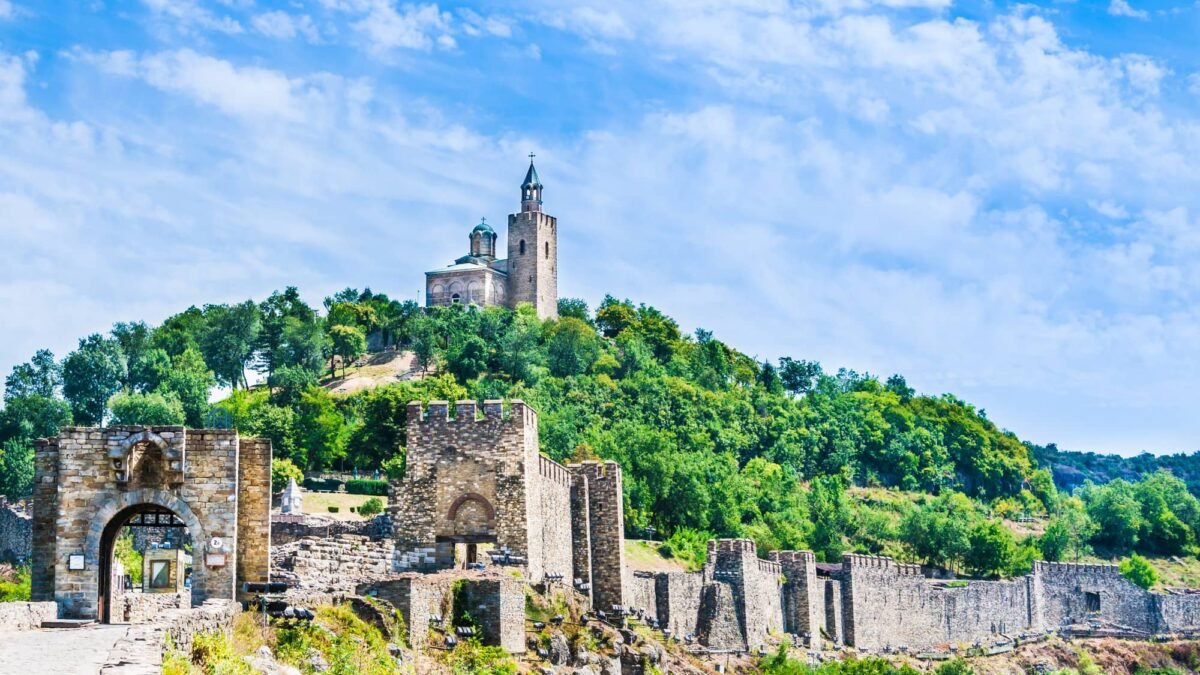
Veliko Tarnovo has one of the most distinctive settings of any city in Bulgaria. Built across steep hills above the winding Yantra River, the former medieval capital is known for fortress walls, traditional houses stacked along the slopes, and some of the most memorable city views in Bulgaria.
TThe main attraction is Tsarevets Fortress, the fortified hill that served as the political and religious center of the Second Bulgarian Empire. Today, you can walk through the fortress grounds, follow sections of the old defensive walls, and climb to the Patriarchal Church at the top of the hill.
After Tsarevets, head into the older streets of Veliko Tarnovo. Gurko Street winds along the hillside past traditional houses and viewpoints over the Yantra River, while Samovodska Charshia follows the route of an old market street and is still lined with workshops, small shops, cafés, and historic buildings.
You’ll do a fair amount of climbing here. Streets rise and fall across the hills, often opening onto views of wooded slopes, tightly packed houses, and the Yantra far below. Comfortable shoes are a good idea, especially if you plan to spend most of the day on foot.
A few kilometers away, the village of Arbanasi makes an easy addition to your visit. It’s known for its historic houses and churches and offers another glimpse into the architecture and history of this part of Bulgaria.
Veliko Tarnovo deserves more than a quick stop between destinations. Stay at least one night if you can; it gives you time for Tsarevets, the old streets, and an evening in the city after many day visitors have left.
Best for: Medieval history, architecture, photography, scenic views, and traditional Bulgarian atmosphere.
Don’t miss: Tsarevets Fortress, Gurko Street, Samovodska Charshia, views over the Yantra River, and nearby Arbanasi.
How long to stay: Plan on one to two days, with additional time if you want to include Arbanasi.
6. Ruse
Ruse sits on the Danube River directly across from Romania and is immediately recognizable for its elegant historic center. Ornate façades, broad squares, and late 19th- and early 20th-century architecture have earned the city the nickname “Little Vienna.”
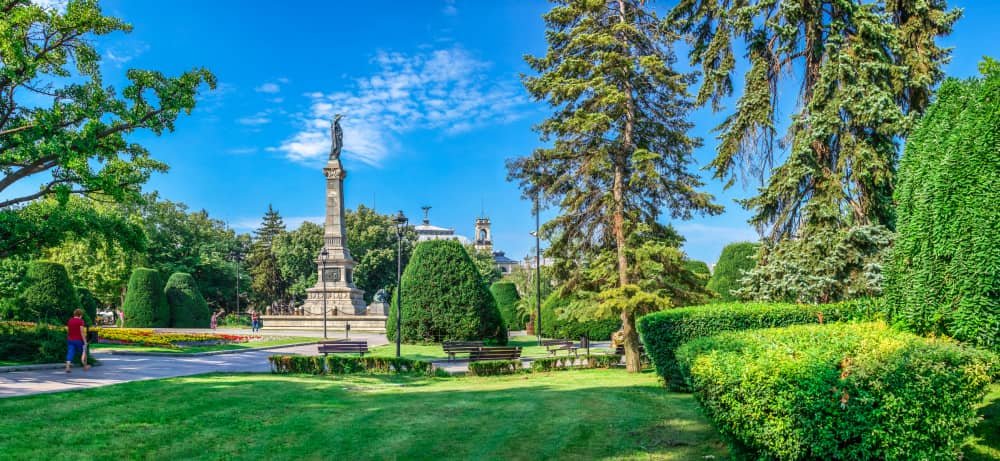
The heart of the city is Freedom Square, a large pedestrian area surrounded by some of Ruse’s most recognizable buildings. From here, you can explore much of the historic center on foot, passing decorative façades, cafés, shops, and quieter side streets.
The Monument of Liberty stands prominently in Freedom Square, while nearby buildings such as the Dohodno Zdanie, with its elaborate façade, date from an era when Ruse was developing rapidly as an important commercial center on the Danube.
The river has shaped the city for generations. Romania lies just across the water, and Ruse’s position on the Danube helped turn it into an important center for trade and transportation. A walk toward the riverfront also gives you a break from the busier streets around the center.
For a deeper look at the city’s past, visit the Regional Historical Museum and the remains of Sexaginta Prista, a Roman military site overlooking the Danube. Together, they help explain how far back Ruse’s history stretches beyond the elegant buildings you see around the modern center.
Ruse doesn’t need a packed sightseeing schedule. Much of the pleasure is simply walking around Freedom Square and the surrounding streets, looking at the architecture, stopping at a café, and eventually making your way toward the Danube.
Best for: Architecture, Danube views, history, photography, and a quieter Bulgarian city break.
Don’t miss: Freedom Square, Monument of Liberty, Dohodno Zdanie, the Danube waterfront, Regional Historical Museum, and Sexaginta Prista.
How long to stay: One full day covers the main sights; stay overnight if you’d like a slower evening around the center and riverfront.
7. Stara Zagora
Stara Zagora is easy to overlook when planning a first trip through Bulgaria, but its history stretches back thousands of years. Today, it’s a modern regional city with broad streets, large parks, museums, and archaeological remains tucked between newer buildings.
One of its most unusual attractions is the Neolithic Dwellings Museum, where the remains of prehistoric houses are preserved in their original location. They date back thousands of years, making this a fascinating stop if you want to understand Bulgaria’s history before the Thracian and Roman periods.
Roman remains are easier to spot around the center. At the Antique Forum Augusta Traiana, you can see part of the Roman city that once stood here, including traces of streets and public buildings. Archaeological finds from other periods add another layer to a city that has been destroyed and rebuilt several times.
When you’ve had enough history for the day, head to Ayazmoto Park. Spread across the hills north of the center, it’s a favorite local place for walking, with wooded paths, open spaces, and viewpoints over Stara Zagora.
The city itself is unusually easy to navigate. Much of Stara Zagora was rebuilt after its destruction during the Russo-Turkish War of 1877, and the reconstruction gave it the straight streets and grid layout you see today. It’s a noticeable contrast to the steep lanes of Veliko Tarnovo or the cobblestone streets of Plovdiv’s Old Town.
Stara Zagora fits easily into a day of exploring central Bulgaria. The combination of prehistoric remains, Roman archaeology, parks, and an active modern center gives you plenty to see without requiring several days.
Best for: Archaeology, Roman history, parks, museums, and travelers exploring central Bulgaria.
Don’t miss: Neolithic Dwellings Museum, Antique Forum Augusta Traiana, Ayazmoto Park, and the city center.
How long to stay: One day is enough to see the main sights and spend some time exploring the center.
8. Pleven
Pleven is best known for its connection to the Russo-Turkish War of 1877–1878, particularly the Siege of Pleven, one of the conflict’s most important battles. That history is still visible across the city in its museums, monuments, and parks, making Pleven especially interesting for travelers who want to understand more about the events surrounding Bulgaria’s liberation from Ottoman rule.
The main attraction is the Pleven Panorama, a large circular museum built to commemorate the Siege of Pleven. The scale is the first thing you notice inside: paintings and three-dimensional scenery wrap around the circular exhibition space to recreate key moments from the fighting.
The Panorama stands within Skobelev Park, where you’ll find monuments, walking paths, and sites connected with the battlefield. Give yourself some time to walk around the park rather than seeing the Panorama and heading straight back into town.
In central Pleven, pedestrian streets, museums, and monuments fill in more of the city’s history. South of the center, Kaylaka Park provides a quieter escape from the city center, with wooded paths, limestone cliffs, and recreational areas running through a narrow valley.
A day gives you enough time for Pleven’s main sights. The Panorama and surrounding memorial sites are the clear focus, while Kaylaka Park offers a change of scenery before you continue through northern Bulgaria.
Best for: Bulgarian history, military history, museums, parks, and road trips through northern Bulgaria.
Don’t miss: Pleven Panorama, Skobelev Park, Kaylaka Park, and the central pedestrian area.
How long to stay: One day is enough for the main sights, although history enthusiasts may want additional time for the museums and memorial sites.
9. Shumen
Shumen is rarely the first city international travelers think of when planning a trip to Bulgaria, but this part of northeastern Bulgaria played an important role in the country’s early history. Several major archaeological and medieval sites are scattered around the city, so having your own transportation is especially useful here.
High above Shumen stands the Monument to 1300 Years of Bulgaria, an enormous concrete monument built to commemorate the 1,300th anniversary of the Bulgarian state. Its sculptures depict rulers and important moments from early Bulgarian history, and its position on the Shumen Plateau makes it visible from much of the city below.
The Shumen Fortress takes you much further back. People lived on this hill for centuries, and the ruins include remains of defensive walls, towers, churches, and other structures from different periods. The elevated location also provides broad views across the surrounding countryside.
A short drive from Shumen takes you to Pliska and Veliki Preslav, two former capitals of the First Bulgarian Empire. Their archaeological remains are spread across large areas, and visiting them helps put many of the names and events represented at Shumen’s monument into historical context.
You can also visit the Madara Rider, a medieval rock relief carved high into a cliff near the village of Madara. Now a UNESCO World Heritage Site, it dates to the early medieval period and has become one of Bulgaria’s best-known national symbols.
Shumen makes the most sense when you treat the city and its surroundings as one destination. Spend time at the fortress and monument, then use the city as a base for Pliska, Veliki Preslav, and Madara. With two days, you can see the major sites without trying to pack several centuries of Bulgarian history into one afternoon.
Best for: Early Bulgarian history, archaeology, road trips, monuments, and exploring northeastern Bulgaria.
Don’t miss: Monument to 1300 Years of Bulgaria, Shumen Fortress, Madara Rider, Pliska, and Veliki Preslav.
How long to stay: Allow one day for Shumen itself and two if you’re adding Pliska, Veliki Preslav, and Madara.
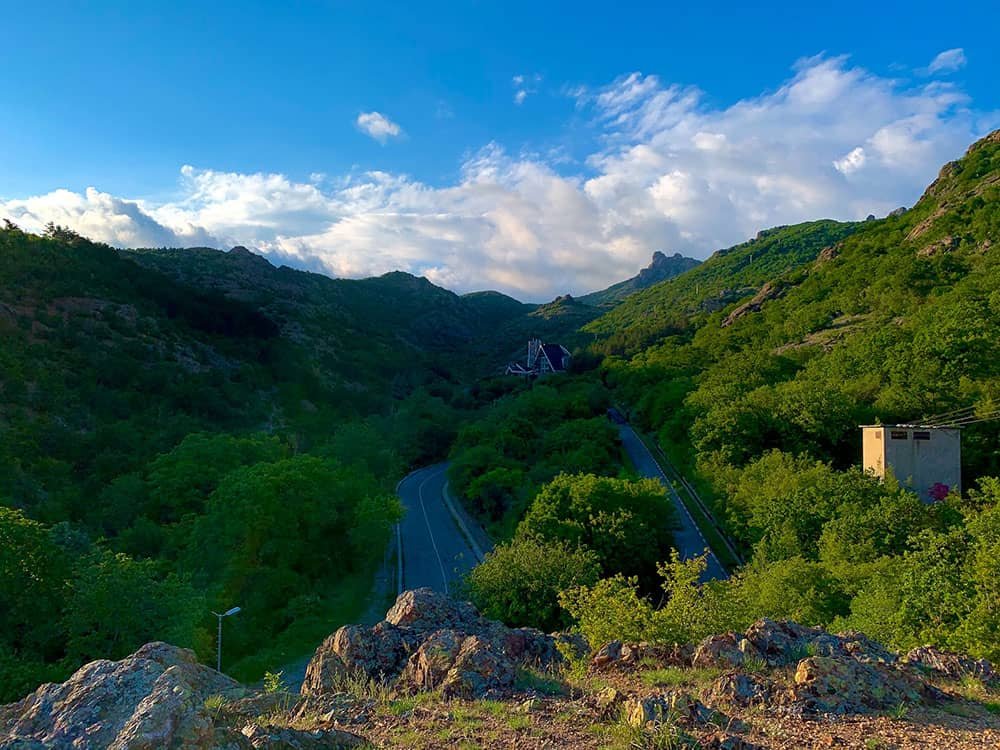
Photo by George Ivanov on Unsplash
10. Sliven
Sliven sits directly below the eastern Balkan Mountains, with rocky slopes rising dramatically behind the city. The best known are the Blue Stones, part of Sinite Kamani Nature Park, which forms a dramatic backdrop immediately above town.
For more ideas beyond the cities, see our guide to traveling in the Balkan Mountains, which explores more of the landscapes and outdoor experiences found across this part of the region.
If you enjoy hiking, it’s easy to spend much of your visit outside the city center. Trails cross forests and rocky terrain above Sliven, with options ranging from shorter walks to longer routes through the nature park. From higher viewpoints, you can look back across the city and the plains stretching south.
There’s plenty of history down below as well. During the Bulgarian National Revival, Sliven became known for its craftsmen and textile production and was closely connected with the revolutionary movement against Ottoman rule. Several museums and historic houses around the city explore this period.
One of Sliven’s most famous figures is Hadzhi Dimitar, the 19th-century Bulgarian revolutionary who was born here. His family home has been preserved as a museum, with exhibits covering his life and Bulgaria’s revolutionary movement.
In the center, you’ll find pedestrian streets, cafés, fountains, and The Old Elm, a centuries-old tree that has become a symbol of Sliven. Away from the main sights, the center feels distinctly local, with everyday shops and cafés mixed among its historic landmarks.
The mountains are what set Sliven apart. You can spend the morning visiting museums and walking around the center, then be among forests, rocks, and viewpoints above town later the same day.
Best for: Hiking, mountain scenery, Bulgarian history, nature, and quieter city stops.
Don’t miss: Sinite Kamani Nature Park, the Blue Stones, Hadzhi Dimitar House Museum, The Old Elm, and the city center.
How long to stay: One day works for the main city sights, but stay overnight if you want enough time for a longer hike in the Blue Stones.
Which Cities in Bulgaria Should You Visit?
For a first trip to Bulgaria, Sofia and Plovdiv make a natural combination. Sofia has the country’s biggest concentration of museums, landmarks, restaurants, and nightlife, with Vitosha Mountain right outside the city. Plovdiv is smaller and easier to cover on foot, with Roman ruins, the Old Town, and Kapana all close together.
Veliko Tarnovo is the city to add if medieval Bulgarian history is high on your list. Tsarevets Fortress dominates the hillside, and the old neighborhoods overlooking the Yantra River give the city a setting you won’t find anywhere else on this route.
A summer trip might take you east instead. Varna combines beaches with archaeology and a busy city center, while Burgas has a more relaxed waterfront and puts you within easy reach of places such as Sozopol, Pomorie, and Nessebar.
For more specialized interests, Ruse is a natural stop for architecture and the Danube, Pleven for the history surrounding the Russo-Turkish War of 1877–1878, and Stara Zagora for prehistoric and Roman archaeology.
In northeastern Bulgaria, Shumen can be combined with the Madara Rider and the former Bulgarian capitals of Pliska and Veliki Preslav. Sliven, meanwhile, is the better fit if you’d rather trade another day of museums and monuments for hiking in the Blue Stones.
There’s no real reason to squeeze all ten cities into one trip. Pick the places that match what you actually want to see, then look at how they connect geographically. Two or three cities explored properly will usually make for a better trip than racing across Bulgaria just to check destinations off a list.
How Many Days Do You Need to Explore Bulgaria’s Cities?
How much time you need depends less on the number of cities on your list and more on where they are. Distances on a map can be deceptive in Bulgaria, and changing cities every day can quickly turn a sightseeing trip into hours spent in transit.
If you only have three or four days, keep things simple. Sofia and Plovdiv are an easy pairing for a short first trip. On the Black Sea, you could spend the same amount of time around Varna or Burgas and add a nearby coastal town rather than trying to cover both ends of the country.
With five to seven days, a route through Sofia, Plovdiv, and Veliko Tarnovo gives you three very different cities without trying to see everything at once. A week also works well for a coastal trip, especially if you combine Varna or Burgas with smaller Black Sea destinations.
Once you have around 10 days, it’s easier to connect western, central, and eastern Bulgaria. You could start in Sofia, continue to Plovdiv and Veliko Tarnovo, and then head toward Varna and the Black Sea. You still won’t see every city in this guide, but you’ll have enough time to enjoy the places you do visit.
With two weeks, you can slow the pace and mix cities with some of Bulgaria’s other highlights. Monasteries, mountain towns, archaeological sites, villages, and the Black Sea can all fit naturally between longer city stays.
If you’re planning to spend part of the trip hiking, you can also compare some of the highest peaks in the Balkans before deciding which mountain areas to include.
A car gives you the most freedom, particularly when you want to visit places outside the major cities. Bulgaria also has bus and train connections between many larger destinations, but check current schedules and journey times before building your itinerary around them.
Before you leave, our must-have travel essentials for the Balkans can also help with packing for a longer multi-city trip.
Frequently Asked Questions About Cities in Bulgaria
What is the most popular city in Bulgaria for tourists?
Sofia is Bulgaria’s capital and largest city, and it’s a common starting point for international visitors. You’ll find many of the country’s best-known landmarks and museums here, along with a large choice of restaurants, nightlife, and transportation connections. Plovdiv, Varna, Burgas, and Veliko Tarnovo are also popular stops on Bulgaria itineraries.
What is the most beautiful city in Bulgaria?
There’s no single answer, since Bulgaria’s cities look remarkably different. Plovdiv has a colorful Old Town, Roman ruins, and streets climbing across several hills, while Veliko Tarnovo is known for its dramatic position above the Yantra River and Tsarevets Fortress. If you’d rather be near the sea, Varna and Burgas have beaches and long waterfront parks.
Is Sofia or Plovdiv better to visit?
If possible, visit both. Sofia is larger, with more museums and major landmarks, a busier nightlife scene, and Vitosha Mountain just outside the city. Plovdiv is more compact, and you can walk between the Old Town, Ancient Theatre, Roman Stadium, and Kapana without spending much time getting around.
If you only have a day or two, Plovdiv is particularly easy to explore on foot. Sofia usually deserves more time because its attractions are spread across a larger area.
Which city in Bulgaria is best for beaches?
Varna and Burgas are the main choices for combining city sightseeing with the Black Sea. Varna has beaches close to the center and the large Sea Garden, while Burgas has its own beach and waterfront park and is well positioned for trips to other destinations along the southern coast.
What cities should I visit on my first trip to Bulgaria?
Sofia and Plovdiv are the easiest places to build a first itinerary around. Add Veliko Tarnovo for medieval history or Varna or Burgas if your route continues to the Black Sea. Three or four well-chosen stops are plenty for most first trips.
More Bulgaria and Balkan Travel Ideas
Planning more of your trip? These guides can help you explore Bulgaria and discover more of the Balkans.
- 7 High Peaks of the Balkans – Discover some of the region’s highest mountains, including Bulgaria’s Musala and Botev Peak.
- 10 Reasons Why You Should Travel in the Balkan Mountains – Find ideas for exploring the mountains, historic towns, local culture, and landscapes beyond Bulgaria’s major cities.
- Must-Have Travel Essentials for the Balkans – Get ready for a longer trip through Bulgaria and neighboring Balkan countries.
- DiscoverBalkania Travel Guides – Browse more destination guides, beaches, outdoor adventures, and travel ideas from across the Balkans.
Planning Your Trip Around Bulgaria’s Cities
A trip through Bulgaria can move from Roman streets and medieval fortresses to Danube promenades and Black Sea beaches within a matter of days. Sofia, Plovdiv, Veliko Tarnovo, Varna, and Burgas may be the names most travelers recognize, but the smaller stops in this guide can change the shape of an itinerary just as much.
You don’t need to see all ten cities in a single trip. Sofia, Plovdiv, and Veliko Tarnovo fit naturally into a history-focused route, while Varna or Burgas can take the journey toward the Black Sea. Ruse, Shumen, Stara Zagora, Pleven, and Sliven make more sense when they connect with the route you’re already taking.
And some of Bulgaria’s most memorable stops aren’t cities at all. Mountains, monasteries, archaeological sites, villages, and smaller historic towns fill the spaces between them and give you plenty of reasons to leave the main road.
Start with the places you most want to see, give yourself enough time to enjoy them, and leave some space in the itinerary for whatever catches your attention along the way.
What's your reaction?