 By Bianka
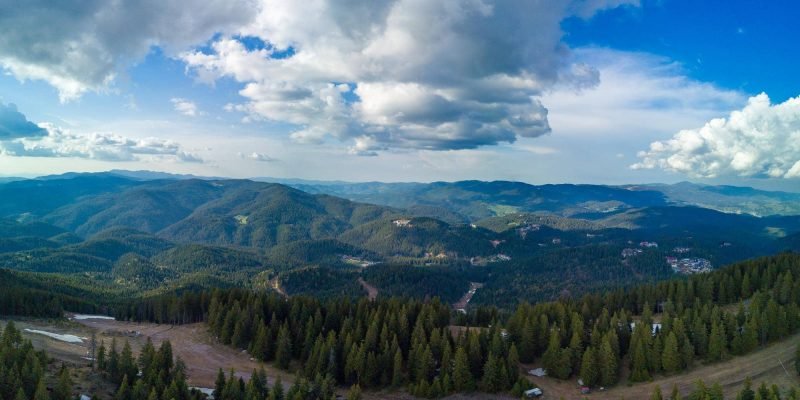
The Balkans are home to some of Europe’s most spectacular national parks, where turquoise lakes, dramatic mountain peaks, ancient forests, deep river canyons, waterfalls, and wildlife-filled wetlands create unforgettable landscapes.
The best national parks in the Balkans stretch from the Julian Alps of Slovenia to the rugged mountains of Bulgaria, Greece, Albania, Montenegro, Bosnia and Herzegovina, Serbia, North Macedonia, and Croatia.
And no two parks offer quite the same experience.
At Plitvice Lakes National Park, wooden trails wind between turquoise lakes and cascading waterfalls. Montenegro’s Durmitor National Park combines glacial lakes with towering limestone peaks and the enormous Tara River Canyon, while Bulgaria’s Pirin and Rila national parks offer some of the finest high-mountain hiking in southeastern Europe.
Travel farther south and you can hike through the dramatic landscapes of Vikos–Aoös National Park in Greece or explore the Albanian Alps around Theth. In Bosnia and Herzegovina, Sutjeska protects rugged mountains and one of Europe’s remarkable old-growth forests, while Una National Park is defined by clear rivers and spectacular waterfalls.
The Balkans aren’t only about mountains, either.
Divjakë-Karavasta National Park protects lagoons and wetlands along Albania’s Adriatic coast, while Serbia’s Đerdap National Park follows the Danube through the dramatic Iron Gates gorge.
Whether you’re interested in hiking, waterfalls, wildlife, photography, rafting, mountain lakes, scenic road trips, or simply escaping into nature, there’s a Balkan national park worth building a trip around.
Here are 15 of the best national parks in the Balkans to visit, including what makes each one special, the experiences you shouldn’t miss, and how to decide which parks belong on your itinerary.
15 Best National Parks in the Balkans
From the Dinaric Alps and Julian Alps to the Rila, Pirin, and Pindus mountain ranges, the Balkans contain an extraordinary concentration of protected landscapes.
Some parks are famous for waterfalls and turquoise lakes. Others protect alpine peaks, primeval forests, enormous river canyons, wetlands, glacial lakes, and habitats for some of Europe’s most impressive wildlife.
Choosing the best national parks in the Balkans depends largely on what kind of experience you’re looking for.
For spectacular waterfalls, Plitvice Lakes and Krka National Park in Croatia are difficult to beat. Hikers can head toward Durmitor, Pirin, Rila, Triglav, or the Albanian Alps, while travelers looking for wilder landscapes should consider Sutjeska and Una in Bosnia and Herzegovina.
There are also parks that offer experiences you might not immediately associate with the Balkans. Divjakë-Karavasta National Park in Albania protects an important coastal lagoon and wetland ecosystem, while Serbia’s Đerdap National Park follows one of the most dramatic sections of the Danube.
Several parks can also be incorporated into larger Balkan road trips, allowing you to combine outdoor adventures with historic cities, traditional villages, monasteries, beaches, archaeological sites, and UNESCO landmarks.
Whether you’re planning a dedicated hiking vacation or simply want to spend a day surrounded by nature during a longer Balkan trip, these 15 national parks deserve a place on your travel list.
1. Plitvice Lakes National Park, Croatia – Best Overall
Plitvice Lakes National Park is one of Croatia’s most famous natural attractions and an easy choice among the best national parks in the Balkans.
The UNESCO-listed park is famous for its 16 named lakes connected by waterfalls and cascades, surrounded by dense forests and limestone landscapes. Wooden boardwalks and hiking trails lead visitors alongside—and sometimes directly over—the remarkably clear water.
Explore the Lakes and Waterfalls
Plitvice is divided into the Upper and Lower Lakes, and both areas are worth exploring.
The Upper Lakes feature forested landscapes and numerous cascades, while the Lower Lakes sit within a dramatic limestone canyon.
One of the highlights is Veliki Slap, the Great Waterfall, which drops approximately 78 meters and is the tallest waterfall in the park.
You can also take an electric boat across Kozjak Lake, the largest lake at Plitvice, as part of selected sightseeing routes.
When to Visit Plitvice
Spring brings powerful waterfalls and lush vegetation, while summer offers long days but also the largest crowds. Early autumn is particularly beautiful when the surrounding forests begin changing color.
Swimming isn’t permitted in the lakes, so plan your visit around hiking, photography, viewpoints, and enjoying the scenery.
Why Plitvice Is Worth Visiting
Plitvice combines turquoise lakes, waterfalls, forests, wildlife habitat, and accessible walking trails in one spectacular landscape.
For first-time visitors looking for an unforgettable Balkan national park—and especially anyone planning a Croatia road trip—Plitvice Lakes National Park is difficult to beat.
Plitvice is also easy to combine with Croatia’s historic cities and some of the top historical places in Croatia.

2. Durmitor National Park, Montenegro – Best for Dramatic Mountain Scenery
With rugged limestone peaks, glacial lakes, deep forests, and enormous river canyons, Durmitor National Park contains some of the most dramatic mountain scenery in the Balkans.
Located in northern Montenegro near Žabljak, Durmitor is also a UNESCO World Heritage Site and one of the country’s premier destinations for hiking, rafting, and outdoor adventures.
Explore the Mountains and Black Lake
The Durmitor massif contains dozens of peaks rising above 2,000 meters, with Bobotov Kuk reaching 2,523 meters.
One of the easiest places to experience the park is Black Lake (Crno Jezero), a beautiful glacial lake surrounded by pine forest and mountain peaks. Walking trails around the lake make it accessible even if you’re not planning a difficult mountain hike.
More experienced hikers can choose from numerous routes leading deeper into the Durmitor massif.
See the Tara River Canyon
Durmitor is also closely associated with the spectacular Tara River Canyon, one of Europe’s deepest river gorges.
The turquoise Tara River is particularly famous for white-water rafting, while viewpoints and the Đurđevića Tara Bridge provide easier ways to appreciate the canyon scenery.
Why Durmitor Is Worth Visiting
Durmitor is an excellent choice for travelers who want more adventure than a typical sightseeing stop.
You can spend your time hiking, rafting, exploring glacial lakes, driving scenic mountain roads, or simply enjoying the views around Žabljak.
For spectacular mountain landscapes and outdoor activities, Durmitor easily ranks among the best national parks in the Balkans.
3. Pirin National Park, Bulgaria – Best for Alpine Hiking
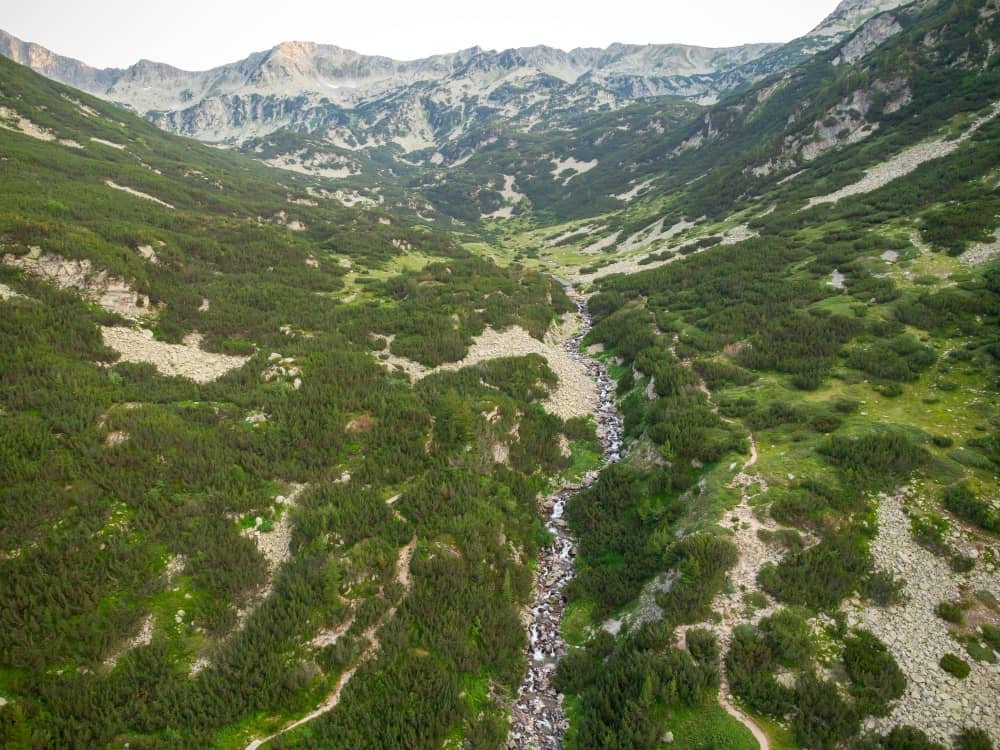
Pirin National Park protects one of Bulgaria’s most spectacular mountain landscapes, filled with rugged peaks, glacial lakes, alpine meadows, and forests.
Located in southwestern Bulgaria, the park is a UNESCO World Heritage Site and a favorite destination for hikers and nature lovers.
Hike Through the Pirin Mountains
The park contains numerous marked hiking trails leading through valleys, forests, mountain passes, and high-altitude terrain.
Its highest summit, Vihren, rises to 2,914 meters, making it Bulgaria’s second-highest peak. The climb is popular with experienced hikers, while easier routes provide access to beautiful glacial lakes and panoramic viewpoints.
The mountain town of Bansko is one of the most convenient bases for exploring northern Pirin.
The region can easily become part of a longer trip exploring the best places to visit in Bulgaria.
Discover Glacial Lakes and Ancient Forests
Pirin contains more than 100 glacial lakes, giving hikers plenty of spectacular destinations beyond the major summits.
The park also protects diverse mountain habitats, including forests containing Bosnian pine and Macedonian pine. One particularly famous tree, known as Baykushev’s Pine, is believed to be more than 1,300 years old.
Why Pirin Is Worth Visiting
Pirin is an excellent choice for travelers who want to experience Bulgaria beyond its historic cities and Black Sea beaches.
With high mountain peaks, glacial lakes, forests, wildlife, and extensive hiking opportunities, Pirin deserves its place among the best national parks in the Balkans.
For hikers visiting Bulgaria, it’s one of the country’s essential natural destinations.
4. Sutjeska National Park, Bosnia and Herzegovina – Best for Wilderness
Sutjeska National Park is one of the wildest and most dramatic protected areas in Bosnia and Herzegovina.
Located near the border with Montenegro, the park combines rugged mountains, deep river valleys, waterfalls, alpine meadows, and dense forests, making it an outstanding destination for hiking and wilderness adventures.
Explore Perućica and Maglić
One of Sutjeska’s greatest natural treasures is Perućica, one of the few remaining primeval forests in Europe. Access to protected parts of the forest is restricted, so visitors should follow current park regulations and use authorized guides where required.
The park is also home to Maglić, the highest mountain in Bosnia and Herzegovina at 2,386 meters. Experienced hikers can explore challenging mountain routes, while easier viewpoints reveal spectacular scenery without requiring a summit climb.
Another highlight is Skakavac Waterfall, which drops dramatically within the Perućica landscape.
Discover the Valley of Heroes
Sutjeska also has major historical significance. The Valley of Heroes at Tjentište commemorates the Battle of Sutjeska during World War II, and its monumental memorial has become one of the park’s most recognizable landmarks.
Why Sutjeska Is Worth Visiting
Sutjeska feels considerably wilder than many heavily visited European national parks.
Its combination of primeval forest, high mountains, waterfalls, hiking trails, wildlife, and important historical sites makes it one of the most fascinating national parks in the Balkans for adventurous travelers.
5. Vikos–Aoös National Park, Greece – Best for Gorges
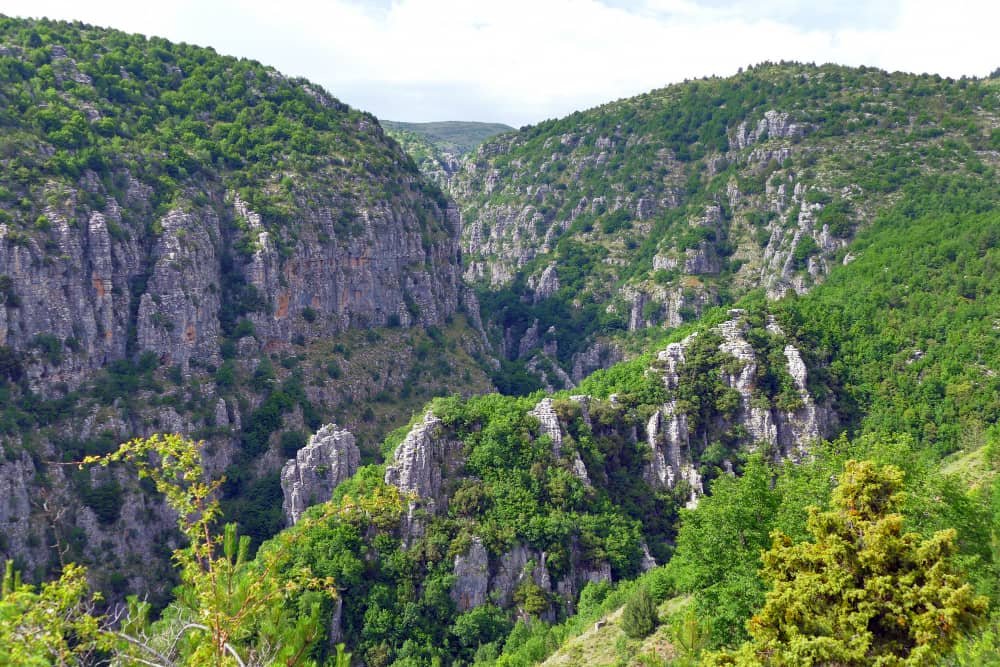
Located in the Pindus Mountains of northwestern Greece, Vikos–Aoös National Park is known for towering limestone cliffs, forested mountains, clear rivers, and some of the most dramatic gorge scenery in the Balkans.
The park lies within the Zagori region, an area also famous for traditional stone villages, arched bridges, and excellent hiking trails.
Explore Vikos Gorge
The park’s centerpiece is Vikos Gorge, a spectacular canyon carved through the limestone landscape.
Several viewpoints around Zagori provide panoramic views into the gorge, while experienced hikers can follow trails through the canyon itself.
Popular viewpoints include those near Monodendri and Vikos village, making it possible to experience the scenery even without completing a long hike.
Discover the Zagori Villages
One of the best things about visiting Vikos–Aoös is the combination of nature and traditional architecture.
Historic villages such as Monodendri, Papingo, and Vikos make excellent bases for exploring the region. Stone houses, cobbled paths, centuries-old bridges, and mountain scenery give Zagori a distinctive character.
Why Vikos–Aoös Is Worth Visiting
Vikos–Aoös is ideal for travelers interested in hiking, mountain villages, photography, rivers, wildlife, and dramatic canyon landscapes.
Combining Vikos Gorge with the traditional villages of Zagori creates one of the most memorable nature-and-culture experiences in northern Greece and earns the park a place among the best national parks in the Balkans.
6. Triglav National Park, Slovenia – Best for Alpine Landscapes
Triglav National Park protects the heart of Slovenia’s Julian Alps and some of the most spectacular alpine scenery in the region.
Named after Mount Triglav, Slovenia’s highest peak at 2,864 meters, the park features dramatic mountains, turquoise rivers, glacial valleys, waterfalls, forests, and beautiful alpine lakes.
Explore Lakes, Rivers, and Mountain Trails
Hiking is one of the best ways to experience Triglav, with routes ranging from easy valley walks to demanding high-altitude climbs.
Popular natural attractions include the Soča River, famous for its striking turquoise water, Lake Bohinj, and the impressive Savica Waterfall.
Experienced mountaineers can attempt Mount Triglav itself, although reaching the summit requires proper preparation and should not be treated as a casual hike.
Discover the Soča Valley
The Soča Valley is particularly popular for outdoor adventures, including hiking, rafting, kayaking, and cycling.
Its combination of clear water, steep mountain slopes, forests, and small alpine communities makes this one of Slovenia’s most scenic regions.
Why Triglav Is Worth Visiting
Triglav National Park offers an exceptional combination of alpine hiking, mountain lakes, waterfalls, turquoise rivers, and dramatic peaks.
Whether you’re planning serious mountain adventures or simply want scenic walks and spectacular viewpoints, Triglav deserves a place among the best national parks in the Balkans.

7. Rila National Park, Bulgaria – Best for Glacial Lakes
Home to Bulgaria’s highest mountains, Rila National Park is a spectacular landscape of alpine peaks, forests, waterfalls, and more than 100 glacial lakes.
The park’s highest summit, Musala, rises to 2,925 meters, making it the highest mountain in Bulgaria and the entire Balkan Peninsula.
Hike to the Seven Rila Lakes
The park’s most famous natural attraction is the Seven Rila Lakes, a group of glacial lakes positioned at different elevations high in the Rila Mountains.
A network of trails connects viewpoints overlooking the lakes, creating one of Bulgaria’s most recognizable mountain landscapes. The area is especially popular during the warmer hiking months, so starting early can provide a quieter experience.
Experienced hikers can also tackle Musala Peak and numerous other routes throughout the Rila Mountains.
Combine Nature With Rila Monastery
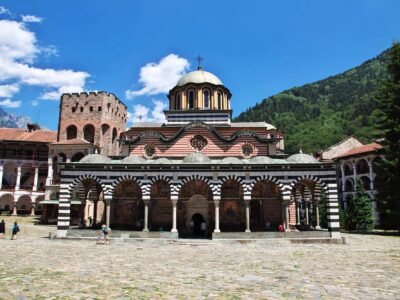
A trip to the wider Rila region can also include Rila Monastery, Bulgaria’s most famous Orthodox monastery and a UNESCO World Heritage Site.
The monastery isn’t part of Rila National Park itself, but combining the two provides an excellent mix of Bulgarian nature, history, architecture, and culture.
Why Rila Is Worth Visiting
With glacial lakes, high peaks, alpine meadows, forests, and extensive hiking trails, Rila is one of Bulgaria’s premier outdoor destinations.
For travelers who want spectacular mountain scenery and some of the best hiking among the national parks in the Balkans, Rila National Park belongs near the top of the list.
8. Theth National Park, Albania – Best for the Albanian Alps
Surrounded by the dramatic peaks of the Accursed Mountains, the Theth area is one of Albania’s most spectacular destinations for hiking and mountain scenery.
The landscape around Theth village features steep limestone peaks, waterfalls, forests, traditional stone houses, and trails connecting remote mountain communities.
Hike Around Theth
One of the area’s most famous adventures is the Theth-to-Valbona hike, a mountain route connecting two of northern Albania’s most beautiful valleys.
Closer to Theth, visitors can explore Grunas Waterfall, the canyon, traditional village landmarks, and trails leading through the surrounding mountains.
Another popular excursion is the hike toward the Blue Eye of Theth, a striking natural pool fed by clear mountain water.
Experience Traditional Mountain Life
Theth isn’t only about hiking.
Traditional houses, small guesthouses, local food, and the isolated mountain setting provide an opportunity to experience a very different side of Albania from the beaches and cities farther south.
Staying overnight is worthwhile if you want to enjoy the valley after many day visitors have left.
Why Theth Is Worth Visiting
Theth combines dramatic mountains, waterfalls, hiking trails, traditional villages, and some of Albania’s most impressive scenery.
For adventurous travelers exploring the national parks in the Balkans, northern Albania deserves a prominent place on the itinerary.
9. Mavrovo National Park, North Macedonia – Best for Mountain Adventures
Mavrovo National Park is the largest national park in North Macedonia and one of the country’s top destinations for mountains, hiking, traditional villages, and outdoor adventures.
Located in the western part of the country, the park encompasses dramatic peaks, forests, river valleys, and Lake Mavrovo, creating beautiful scenery throughout the year.
Explore the Mountains and Lake Mavrovo
The park includes Mount Korab, whose highest summit reaches 2,764 meters and forms the highest point in North Macedonia.
Hikers can explore numerous mountain routes, while travelers looking for a more relaxed experience can enjoy scenic drives, viewpoints, and walks around the Mavrovo region.
Lake Mavrovo is another major attraction. One of the area’s most recognizable sights is the partially submerged Church of St. Nicholas, which becomes especially striking when water levels rise around the historic structure.
Visit Traditional Mountain Villages
Mavrovo is also an excellent place to experience the cultural side of North Macedonia’s mountain regions.
Villages such as Galičnik are known for traditional architecture, local customs, and spectacular surroundings.
Why Mavrovo Is Worth Visiting
With high mountain peaks, forests, hiking trails, traditional villages, and beautiful lake scenery, Mavrovo offers much more than a single natural attraction.
It’s an excellent choice for travelers who want outdoor adventure combined with the distinctive culture and landscapes of western North Macedonia.
10. Đerdap National Park, Serbia – Best for the Danube Gorge
Stretching along the Danube River in eastern Serbia, Đerdap National Park combines dramatic river scenery, forested mountains, archaeological sites, and centuries of human history.
The park’s defining feature is the Iron Gates, where the Danube passes through a spectacular series of gorges along the Serbia–Romania border.
Explore the Iron Gates
One of the best ways to experience Đerdap is by following the scenic roads and viewpoints overlooking the Danube.
Hikers can also explore trails leading through forests and toward elevated viewpoints, where the river appears far below between steep mountain slopes.
The park is especially beautiful when autumn colors cover the surrounding forests.
Discover Golubac Fortress and Lepenski Vir
Nature isn’t the only reason to visit this part of Serbia.
At the western entrance to the wider Đerdap region stands Golubac Fortress, an impressive medieval stronghold overlooking the Danube.
Farther along the river, Lepenski Vir preserves evidence of a prehistoric settlement and is one of Serbia’s most important archaeological sites.
Why Đerdap Is Worth Visiting
Đerdap stands out because it combines river landscapes, hiking, forests, viewpoints, archaeology, and medieval history in one destination.
For travelers taking a road trip through Serbia, the journey along the Danube through the Iron Gates is one of the most scenic ways to experience the country’s natural and cultural heritage.
11. Krka National Park, Croatia – Best for Waterfalls
Krka National Park is one of Croatia’s most beautiful natural attractions, famous for a series of waterfalls, clear river landscapes, forests, and historic sites along the Krka River.
Located near Šibenik and Skradin, the park is relatively easy to include in a road trip along Croatia’s Adriatic coast. Šibenik is also worth exploring for its architecture and historic landmarks and appears in our guide to the top historical places in Croatia.
See Skradinski Buk
The park’s best-known attraction is Skradinski Buk, an impressive series of cascades where the Krka River flows across natural travertine barriers.
Walking paths and viewpoints provide different perspectives of the waterfalls and surrounding vegetation.
Farther north, Roški Slap offers another beautiful waterfall landscape and is worth considering if you have more time to explore beyond the busiest section of the park.
Discover Visovac Island
Krka combines natural scenery with cultural heritage.
One of its most distinctive landmarks is Visovac Island, a tiny island containing a Franciscan monastery surrounded by the waters of Visovac Lake.
Boat excursions available within the park can provide a memorable way to experience the river and some of its historic attractions.
Why Krka Is Worth Visiting
Krka is ideal for travelers who want waterfalls, easy walking trails, river scenery, photography, and cultural attractions without requiring a demanding mountain hike.
Combined with nearby Šibenik, it makes an excellent nature-and-history day trip and easily deserves a place among the best national parks in the Balkans.
12. Central Balkan National Park, Bulgaria – Best for Wild Mountain Landscapes
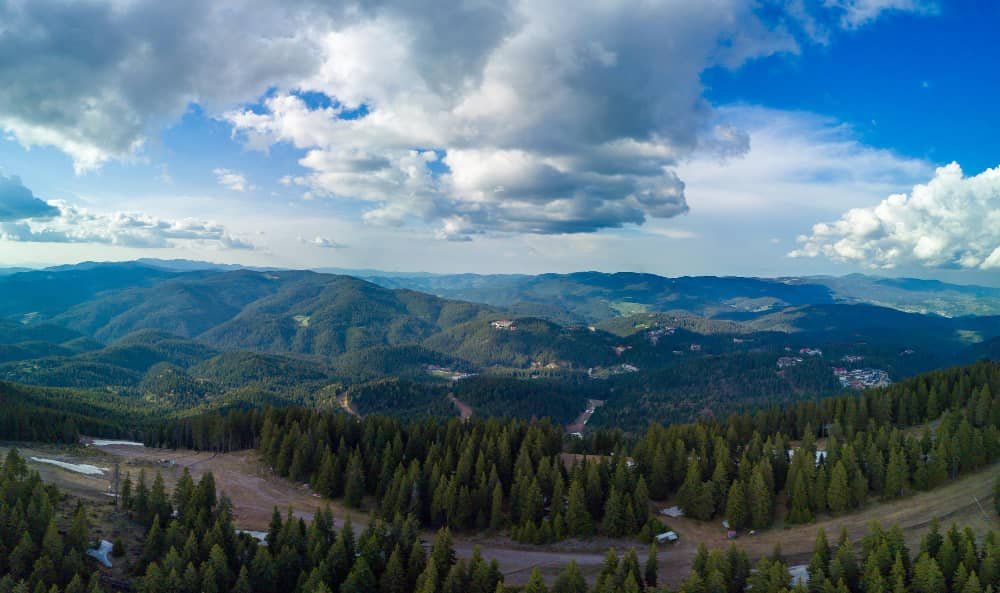
Stretching across the heart of the Balkan Mountains, Central Balkan National Park protects some of Bulgaria’s most impressive forests, mountain peaks, waterfalls, meadows, and wildlife habitats.
It’s an excellent destination for travelers who want to experience a wilder side of Bulgaria away from the country’s major cities and resorts.
Hike Through the Balkan Mountains
The park contains an extensive network of hiking trails crossing mountain ridges, forests, valleys, and protected reserves.
One of its best-known landmarks is Botev Peak, which rises to 2,376 meters and is the highest summit in the Balkan Mountains.
Another highlight is Raysko Praskalo, a spectacular waterfall dropping approximately 124.5 meters beneath Botev Peak and generally recognized as Bulgaria’s highest permanent waterfall.
Discover Forests and Wildlife
Large areas of Central Balkan National Park protect old forests and important habitats for wildlife.
The landscape is home to species including brown bears, wolves, chamois, deer, and numerous birds, although wildlife sightings are never guaranteed.
Why Central Balkan Is Worth Visiting
Central Balkan is particularly rewarding for travelers interested in long-distance hiking, waterfalls, mountain scenery, wildlife, and quieter natural areas.
Its combination of high peaks and extensive forests makes it one of Bulgaria’s great wilderness destinations and a strong addition to any list of the best national parks in the Balkans.
13. Una National Park, Bosnia and Herzegovina – Best for Rivers and Waterfalls
Located in northwestern Bosnia and Herzegovina, Una National Park protects a beautiful landscape shaped by the clear waters of the Una River and its tributaries.
The park is particularly famous for its waterfalls, river canyons, forests, and opportunities for rafting and kayaking.
See Štrbački Buk and Martin Brod
The spectacular Štrbački Buk is one of the park’s signature attractions. A series of powerful cascades tumbles through a lush river landscape, with walking areas and viewpoints providing excellent opportunities for photography.
Another worthwhile stop is Martin Brod, where waterfalls and cascades flow through a peaceful riverside setting.
The Una River is also popular for rafting and kayaking, providing a more adventurous way to experience the park.
Enjoy a Quieter Side of the Balkans
Compared with famous destinations such as Plitvice or Durmitor, Una can feel considerably less crowded.
That makes it particularly appealing to travelers looking for beautiful scenery without some of the heavier tourist traffic found elsewhere in the region.
Why Una Is Worth Visiting
Una National Park combines turquoise rivers, waterfalls, forests, rafting, and peaceful natural scenery in one destination.
For waterfall lovers and travelers exploring Bosnia and Herzegovina by road, Una is easily one of the most rewarding national parks in the Balkans.
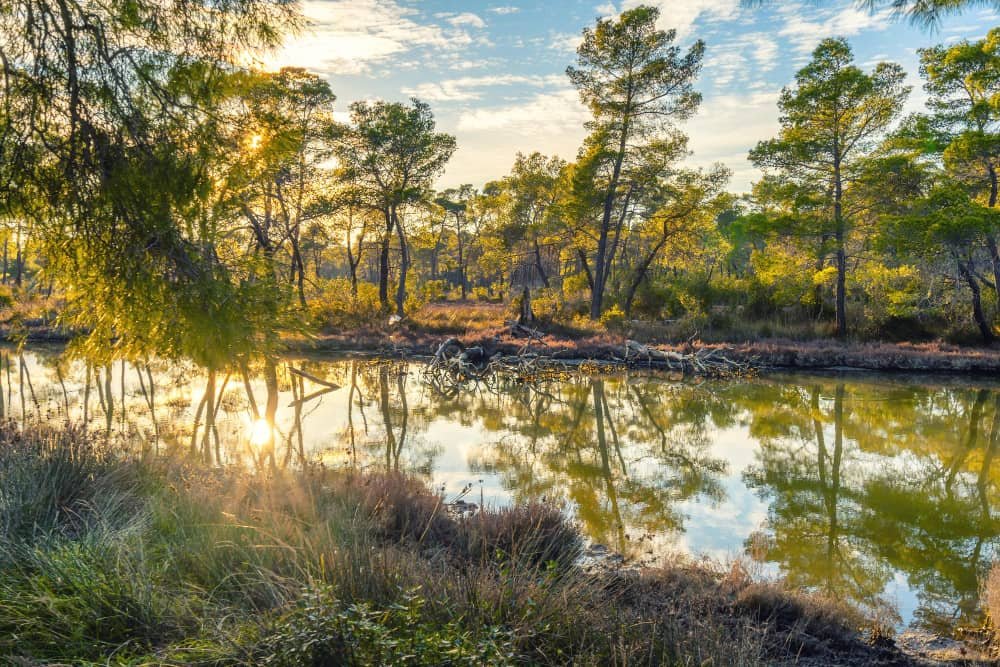
14. Divjakë-Karavasta National Park, Albania – Best for Wetlands and Birdwatching
Divjakë-Karavasta National Park offers a completely different experience from the mountain landscapes that dominate many of the best national parks in the Balkans.
Located along Albania’s Adriatic coast, the park protects lagoons, wetlands, pine forests, sand dunes, and coastal habitats that support an impressive variety of wildlife.
Explore Karavasta Lagoon
The centerpiece of the park is Karavasta Lagoon, one of the largest lagoons in Albania and an important habitat for migratory and resident birds.
The area is particularly well known for the Dalmatian pelican, one of Europe’s largest and most distinctive waterbirds. Birdwatchers can also look for numerous other species around the lagoon and surrounding wetlands.
Walking paths, observation points, and boat excursions provide different ways to experience the landscape.
Combine Nature With the Adriatic Coast
Unlike Rila, Durmitor, or Pirin, visiting Divjakë-Karavasta doesn’t require high-altitude hiking.
Travelers can combine birdwatching and nature walks with beaches and coastal scenery, making the park an easy addition to an Albania road trip.
Why Divjakë-Karavasta Is Worth Visiting
Divjakë-Karavasta adds important variety to this list.
Its combination of wetlands, lagoons, birdlife, pine forests, and Adriatic coastline shows that the Balkans’ protected landscapes extend far beyond mountains and waterfalls.
For wildlife lovers and birdwatchers, it’s one of the most distinctive national parks in Albania.
15. Kozara National Park, Bosnia and Herzegovina – Best for Forests and History
Located in northwestern Bosnia and Herzegovina, Kozara National Park offers a gentler landscape than the towering peaks of Durmitor, Pirin, or Rila.
The park is characterized by dense forests, rolling mountain terrain, meadows, hiking trails, and scenic viewpoints, making it an appealing destination for walking, cycling, and relaxed outdoor exploration.
Explore the Forest Trails
A network of trails provides opportunities for hiking and cycling through Kozara’s forests and mountain landscapes.
Because the terrain is generally less extreme than many alpine parks on this list, Kozara can be a good option for travelers looking for outdoor activities without demanding high-altitude hikes.
Visit the Kozara Memorial
Kozara also has significant historical importance.
At Mrakovica, visitors can see the monumental memorial dedicated to those who died during the Battle of Kozara in World War II.
The striking monument and surrounding memorial complex add an important historical dimension to a visit that might otherwise focus entirely on nature.
Why Kozara Is Worth Visiting
Kozara combines forests, accessible hiking, mountain scenery, outdoor recreation, and important 20th-century history.
It may not have the dramatic waterfalls of Plitvice or the towering peaks of Durmitor, but its quieter atmosphere makes it a rewarding stop for travelers exploring Bosnia and Herzegovina beyond the country’s most famous destinations.
Best National Parks in the Balkans at a Glance
With so many spectacular protected areas across southeastern Europe, choosing where to go depends on what you want to experience. Some parks are best for serious hiking, while others are better suited to waterfalls, wildlife, scenic drives, or relaxed nature walks.
| National Park | Country | Best For |
|---|---|---|
| Plitvice Lakes | Croatia | Waterfalls and turquoise lakes |
| Durmitor | Montenegro | Dramatic mountains and rafting |
| Pirin | Bulgaria | Alpine hiking and glacial lakes |
| Sutjeska | Bosnia and Herzegovina | Wilderness and primeval forest |
| Vikos–Aoös | Greece | Gorges and traditional villages |
| Triglav | Slovenia | Alpine landscapes and outdoor adventures |
| Rila | Bulgaria | Glacial lakes and mountain hiking |
| Theth | Albania | Albanian Alps and mountain villages |
| Mavrovo | North Macedonia | Mountains, lake scenery, and villages |
| Đerdap | Serbia | Danube scenery and history |
| Krka | Croatia | Waterfalls and easy nature walks |
| Central Balkan | Bulgaria | Wild mountains and waterfalls |
| Una | Bosnia and Herzegovina | Rivers, waterfalls, and rafting |
| Divjakë-Karavasta | Albania | Wetlands and birdwatching |
| Kozara | Bosnia and Herzegovina | Forests, hiking, and history |
Which Balkan National Park Should You Choose?
For a first visit, Plitvice Lakes is probably the easiest all-around choice thanks to its spectacular scenery and accessible walking routes.
For serious mountain hiking, consider Durmitor, Pirin, Rila, Triglav, or the mountains around Theth.
If waterfalls are your priority, Plitvice, Krka, Una, and Central Balkan are particularly rewarding.
Travelers interested in wild landscapes and fewer crowds should look toward Sutjeska, Una, Central Balkan, or Kozara, while birdwatchers will find an entirely different experience at Divjakë-Karavasta.
The variety is exactly what makes the national parks in the Balkans so rewarding—you can experience alpine peaks, turquoise rivers, waterfalls, ancient forests, wetlands, and enormous gorges within the same region.
Best National Parks in the Balkans by Country
If you’re planning your trip around one or two countries rather than traveling across the entire region, this quick guide makes it easier to decide which national parks in the Balkans fit your itinerary.
Croatia
Plitvice Lakes National Park should be the priority for first-time visitors, especially if you want turquoise lakes and waterfalls.
Krka National Park is another excellent choice and is particularly convenient for travelers exploring Šibenik, Split, and the central Dalmatian coast.
Bulgaria
Bulgaria is particularly strong for mountain parks.
Choose Rila National Park for the Seven Rila Lakes and Musala Peak, Pirin National Park for dramatic alpine hiking, or Central Balkan National Park for forests, waterfalls, wildlife, and more remote mountain landscapes.
Montenegro
Durmitor National Park is one of Montenegro’s essential natural destinations.
Base yourself around Žabljak to explore Black Lake, mountain trails, scenic drives, and the spectacular Tara River Canyon.
Bosnia and Herzegovina
For rugged wilderness, choose Sutjeska National Park. For turquoise rivers and waterfalls, head to Una National Park.
Kozara National Park is a quieter alternative combining forests, accessible hiking, and important World War II history.
Albania
Head north for the spectacular mountain landscapes around Theth and the Albanian Alps.
For something completely different, Divjakë-Karavasta National Park offers lagoons, wetlands, birdwatching, pine forests, and Adriatic coastal scenery.
Greece
Vikos–Aoös National Park is an excellent choice for travelers exploring northern Greece.
Combine Vikos Gorge with the traditional stone villages and bridges of Zagori for a trip that mixes nature, hiking, architecture, and local culture.
Slovenia
Triglav National Park is Slovenia’s only national park and protects an extraordinary section of the Julian Alps.
Lake Bohinj, the Soča Valley, waterfalls, mountain trails, and alpine scenery make it easy to spend several days exploring the region.
Serbia
For Serbia, Đerdap National Park stands out for the enormous Danube landscapes of the Iron Gates.
The combination of natural scenery with Golubac Fortress and Lepenski Vir makes it especially appealing to travelers interested in both nature and history.
North Macedonia
Mavrovo National Park is one of North Macedonia’s premier outdoor destinations, combining high mountains, forests, traditional villages, hiking opportunities, and Lake Mavrovo.
It’s particularly rewarding as part of a road trip through the mountainous western part of the country.
Rather than trying to visit as many parks as possible, choose one or two national parks that fit naturally into your route. Spending a full day—or several days—in one region usually creates a much better experience than rushing between distant parks simply to check them off a list.
Best National Parks in the Balkans for Hiking
The Balkans are one of Europe’s most underrated hiking regions, with trails crossing alpine peaks, glacial valleys, deep gorges, forests, mountain lakes, and traditional villages.
While nearly every park on this list offers walking opportunities, a few stand out for travelers planning a hiking-focused trip.
Durmitor National Park, Montenegro
Choose Durmitor for rugged mountain scenery and challenging hikes.
Experienced hikers can tackle routes toward Bobotov Kuk, while easier walks around Black Lake provide beautiful views without requiring a strenuous climb.
Pirin National Park, Bulgaria
Pirin is one of the strongest choices for serious alpine hiking in Bulgaria.
Trails lead toward glacial lakes, mountain huts, dramatic ridges, and high peaks such as Vihren. Many routes involve steep or exposed mountain terrain, so choose a trail appropriate for your experience.
Rila National Park, Bulgaria
For a classic Bulgarian mountain experience, hike around the Seven Rila Lakes.
More experienced hikers can attempt Musala Peak, while numerous other trails allow visitors to explore forests, lakes, valleys, and alpine landscapes throughout the park.
Triglav National Park, Slovenia
Triglav National Park offers everything from easy walks around Lake Bohinj to demanding high-mountain routes in the Julian Alps.
Climbing Mount Triglav itself is a serious undertaking, but you don’t need to reach the summit to enjoy some of Slovenia’s finest alpine scenery.
Theth and the Albanian Alps
Northern Albania provides some of the most memorable mountain hiking in the region.
The famous Theth-to-Valbona route crosses a high mountain pass between two spectacular valleys, while shorter trails around Theth lead to waterfalls, viewpoints, and natural attractions.
Vikos–Aoös National Park, Greece
For canyon landscapes, consider Vikos–Aoös.
Hiking through Vikos Gorge provides a completely different experience from the high alpine routes elsewhere on this list, while the surrounding Zagori villages make excellent bases for exploring the region.
Which Park Is Best for Hiking?
For high-altitude mountain hiking, choose Pirin, Rila, Durmitor, or Triglav.
For a combination of hiking and traditional villages, Theth and Vikos–Aoös are particularly rewarding.
Whichever destination you choose, check current trail conditions, weather forecasts, seasonal closures, and local safety information before heading into the mountains. Conditions can change quickly at higher elevations, even during the main hiking season.
Best National Parks in the Balkans for Waterfalls and Lakes
If waterfalls, turquoise rivers, and mountain lakes are high on your travel wish list, several of the best national parks in the Balkans stand out.
Plitvice Lakes National Park, Croatia
For the best overall combination of lakes and waterfalls, Plitvice is hard to beat.
Its 16 named lakes are connected by countless cascades and waterfalls, creating the landscape that has made the park one of Croatia’s most recognizable natural attractions.
Krka National Park, Croatia
Choose Krka National Park if waterfalls are your main priority but you also want to combine nature with Croatia’s Adriatic coast.
Skradinski Buk and Roški Slap are the major waterfall highlights, while Visovac Island adds a fascinating cultural stop.
Una National Park, Bosnia and Herzegovina
The Una River is famous for its clear water and beautiful cascades.
Štrbački Buk is the park’s signature waterfall, while Martin Brod offers another scenic area of waterfalls and river landscapes.
Rila National Park, Bulgaria
Rather than huge waterfalls, Rila’s greatest water attractions are its glacial lakes.
The famous Seven Rila Lakes form one of Bulgaria’s most beautiful mountain landscapes, with additional glacial lakes scattered throughout the Rila Mountains.
Pirin National Park, Bulgaria
Pirin contains more than 100 glacial lakes, many surrounded by rugged peaks and alpine terrain.
Reaching some requires serious hiking, making Pirin particularly rewarding for travelers who want to combine mountain lakes with an active outdoor adventure.
Central Balkan National Park, Bulgaria
For waterfall lovers, one of the highlights is Raysko Praskalo, Bulgaria’s highest permanent waterfall.
The park also contains mountain streams, river valleys, and numerous smaller waterfalls hidden throughout its vast forests.
Which Park Should You Choose?
For waterfalls and easy sightseeing, choose Plitvice or Krka.
For wild rivers and waterfalls, Una is an excellent alternative.
For high-altitude glacial lakes, Rila and Pirin are the strongest choices.
Travelers looking for waterfalls surrounded by wilder mountain scenery should consider Central Balkan National Park.
Together, these parks show just how diverse the water landscapes of the Balkans can be—from turquoise Croatian lakes and Bosnian rivers to remote glacial lakes high in Bulgaria’s mountains.
Best Time to Visit National Parks in the Balkans
The best time to explore the national parks in the Balkans depends on whether you’re planning mountain hikes, waterfall sightseeing, rafting, wildlife watching, or scenic road trips.
For most travelers, late spring through early autumn provides the greatest range of outdoor activities.
Spring: April to May
Spring is an excellent time for waterfalls, rivers, and lower-elevation hiking.
Melting snow and seasonal rainfall can make waterfalls particularly impressive at destinations such as Plitvice, Krka, Una, and Central Balkan National Park.
Higher mountain trails in Rila, Pirin, Durmitor, Triglav, and the Albanian Alps may still have snow, so always check local conditions before attempting alpine routes.
Summer: June to August
Summer provides the most reliable conditions for high-altitude hiking and mountain adventures.
It’s a particularly good season for exploring Durmitor, Pirin, Rila, Triglav, Theth, Mavrovo, and Vikos–Aoös.
However, famous parks such as Plitvice Lakes and Krka can become extremely busy during July and August. Arriving early and booking tickets in advance where available can make the experience much easier.
Autumn: September to October
September is one of the best overall months for exploring Balkan national parks.
Temperatures are often comfortable, summer crowds begin to decrease, and many mountain trails remain accessible.
Later in autumn, forests in places such as Đerdap, Sutjeska, Kozara, Central Balkan, and Plitvice can produce beautiful fall colors.
Winter: November to March
Winter transforms many Balkan mountain parks, but access can become considerably more challenging.
Snow, ice, road conditions, closed facilities, and avalanche risks can affect hiking routes and mountain travel.
Winter can still be spectacular for experienced visitors and winter-sports travelers, particularly in areas around Bansko, Borovets, Mavrovo, Durmitor, and the Julian Alps.
Best Overall Months
For a road trip combining several of the best national parks in the Balkans, June and September are particularly attractive.
These months generally provide a good balance of pleasant weather, accessible hiking trails, long daylight hours, and fewer crowds than the peak weeks of July and August.
7–10 Day Balkan National Parks Road Trip
Trying to visit all 15 parks in a single trip would mean spending far too much time driving. Instead, focus on one part of the Balkans and combine several parks that fit naturally along the same route.
One of the strongest options is a road trip through Slovenia, Croatia, Bosnia and Herzegovina, and Montenegro.
Day 1–2: Triglav National Park, Slovenia
Begin in Slovenia with two days around Triglav National Park.
Use Lake Bohinj or the surrounding Julian Alps as your base and spend your time hiking, visiting waterfalls, exploring alpine valleys, or heading toward the Soča Valley.
Day 3: Plitvice Lakes National Park, Croatia
Drive south into Croatia and dedicate most of the day to Plitvice Lakes National Park.
Explore both the Upper and Lower Lakes if time allows, including the boardwalks, waterfalls, viewpoints, and Kozjak Lake.
Stay nearby rather than immediately continuing south after a long day of walking.
Day 4–5: Una National Park, Bosnia and Herzegovina
Continue into northwestern Bosnia and Herzegovina for Una National Park.
Visit Štrbački Buk and Martin Brod, or spend an additional day rafting or exploring the river landscape.
Day 6–7: Sutjeska National Park
Continue southeast toward Sutjeska National Park for a dramatic change of scenery.
Explore the Tjentište area, mountain viewpoints, and the landscapes surrounding Perućica. Serious hikers may want an additional day here.
Day 8–10: Durmitor National Park, Montenegro
Finish the trip around Žabljak and Durmitor National Park.
Walk around Black Lake, explore the mountain roads, see the Tara River Canyon, and add rafting or a longer hike if conditions permit.
Shorter 7-Day Version
For seven days, use this route:
Triglav → Plitvice → Una → Durmitor
Skipping Sutjeska reduces driving and gives you more time inside each park.
Alternative Bulgaria Road Trip
Travelers concentrating on Bulgaria can create a much easier route around:
Sofia → Rila National Park → Pirin National Park → Central Balkan National Park
This itinerary combines three very different mountain regions and can also include Rila Monastery, Bansko, Koprivshtitsa, Troyan, and other historical attractions along the way.
The key to planning a Balkan national parks road trip is to visit fewer parks and experience them properly. Two nights in a spectacular mountain region will usually be far more rewarding than spending every afternoon driving toward the next destination.
Tips for Visiting National Parks in the Balkans
Exploring the national parks in the Balkans can be one of the highlights of a trip through southeastern Europe, but conditions vary considerably between parks. A little preparation can make your visit safer and much more enjoyable.
Check Current Conditions Before You Go
Mountain weather can change quickly, particularly in Durmitor, Rila, Pirin, Triglav, Theth, and Mavrovo.
Check the weather forecast, trail conditions, road access, and park notices before starting a hike. Snow can remain at higher elevations well into spring and sometimes early summer.
Start Early
An early start is especially worthwhile at popular destinations such as Plitvice Lakes, Krka, the Seven Rila Lakes, and Theth.
You’ll generally encounter fewer visitors, have more daylight for hiking, and avoid some of the hottest temperatures during summer.
Wear Proper Footwear
Even relatively easy trails can include uneven rocks, mud, roots, steep sections, or slippery surfaces.
Comfortable hiking shoes with good traction are preferable to sandals or casual footwear when exploring mountain parks.
Carry Water and Food
Don’t assume restaurants, shops, or drinking-water facilities will be available near every trail.
Remote areas of Sutjeska, Central Balkan, Pirin, Rila, and Durmitor can have limited services, so bring enough water and food for your planned route.
Bring Some Cash
Card payments are increasingly common across the Balkans, but smaller parking areas, mountain huts, local guesthouses, entrance points, or rural businesses may still prefer or require cash.
Carry a modest amount of local currency, particularly when traveling through remote regions.
Don’t Rely Completely on Your Phone
Mobile coverage can become unreliable in mountains, forests, and deep valleys.
Download offline maps before leaving your accommodation and consider carrying a power bank on longer hikes.
Respect Park Rules
Regulations vary between national parks.
Swimming, camping, fires, drones, fishing, cycling, and access to protected zones may be restricted. For example, swimming isn’t permitted in the lakes at Plitvice Lakes National Park.
Always follow signs and current park regulations rather than assuming the rules are the same everywhere.
Leave Wildlife Alone
Several Balkan national parks provide habitat for brown bears, wolves, wild boar, chamois, deer, and other wildlife.
Observe animals from a safe distance, never feed them, and store food responsibly. In areas with large mammals, follow locally recommended wildlife-safety guidance.
Allow More Time Than You Think
Mountain roads can be slow, and driving times on a map don’t always reflect actual conditions.
Instead of squeezing several attractions into one day, give yourself enough time to enjoy the trails, viewpoints, waterfalls, villages, and landscapes without constantly watching the clock.
The best national parks in the Balkans reward slower travel. Spending an extra night near a park can often turn a rushed sightseeing stop into one of the most memorable experiences of your trip.
Frequently Asked Questions
What is the most beautiful national park in the Balkans?
There isn’t one definitive winner, but Plitvice Lakes National Park in Croatia is an excellent choice for first-time visitors because of its turquoise lakes, waterfalls, forests, and accessible walking routes. For dramatic mountain scenery, Durmitor, Triglav, Rila, and Pirin are among the strongest alternatives.
What are the best national parks in the Balkans for hiking?
Some of the best choices for hiking include Durmitor National Park in Montenegro, Pirin and Rila in Bulgaria, Triglav in Slovenia, Vikos–Aoös in Greece, and the mountain landscapes around Theth in Albania. These destinations offer everything from relatively easy day hikes to demanding high-altitude routes.
Which Balkan national parks are UNESCO World Heritage Sites?
Several parks on this list have UNESCO World Heritage status, including Plitvice Lakes National Park, Durmitor National Park, and Pirin National Park. Their protected landscapes are internationally recognized for exceptional natural value.
What is the best national park in the Balkans for waterfalls?
Plitvice Lakes National Park is arguably the best all-around choice for waterfalls, with numerous cascades connecting its famous lake system. Krka National Park in Croatia and Una National Park in Bosnia and Herzegovina are also excellent choices for waterfall lovers.
What is the best national park in Bulgaria?
It depends on what you want to experience. Rila National Park is famous for the Seven Rila Lakes and Musala Peak, while Pirin National Park offers exceptional alpine hiking and glacial lakes. Central Balkan National Park is particularly appealing for forests, waterfalls, wildlife, and less-developed mountain landscapes.
Can you swim in the lakes at Plitvice National Park?
No. Swimming is not permitted in the lakes at Plitvice Lakes National Park. Visitors should remain on designated routes and follow current park regulations to help protect the fragile ecosystem.
Are Balkan national parks expensive to visit?
Costs vary considerably. Some parks charge entrance or parking fees, while others have areas that can be explored without a general admission ticket. Additional activities such as rafting, guided hiking, boat trips, transportation, or organized excursions can increase the cost.
Always check official park information for current prices before your trip.
Do I need a car to visit national parks in the Balkans?
Not always, but renting a car makes exploring many Balkan national parks considerably easier.
Public transportation can reach some popular destinations, but remote trailheads, mountain villages, viewpoints, and smaller parks may be difficult to access without your own transportation.
How many days do you need for a Balkan national parks trip?
For a dedicated trip, 7–10 days is enough to explore three or four parks within the same part of the Balkans without rushing.
If you have two weeks or longer, you can combine national parks with historic cities, UNESCO sites, beaches, monasteries, and traditional villages.
When is the best time to visit national parks in the Balkans?
For most travelers, June and September provide an excellent balance of comfortable temperatures, accessible hiking trails, long daylight hours, and fewer crowds than July and August.
Spring is particularly good for waterfalls, while autumn can bring beautiful foliage to the region’s forested parks.
More Balkan Nature and Travel Guides
The national parks are only the beginning. The Balkans are filled with mountain ranges, waterfalls, beaches, historic cities, UNESCO World Heritage Sites, monasteries, and scenic road-trip destinations that can easily be combined with the parks in this guide.
If you’re planning a longer trip through the region, explore some of our other Balkan travel guides:
- Most Beautiful Beaches in the Balkans – Discover turquoise coves, sandy beaches, dramatic cliffs, and some of the best swimming spots across the region.
- Best Mountains in the Balkans – Explore the major mountain ranges, scenic peaks, hiking areas, and spectacular landscapes of southeastern Europe.
- Best Waterfalls in Croatia – Find more beautiful waterfalls beyond Plitvice and Krka.
- UNESCO World Heritage Sites in Croatia – Combine Croatia’s national parks with ancient cities, Roman landmarks, medieval architecture, and protected cultural sites.
- Best Historical Places in Croatia – Add Dubrovnik, Split, Trogir, Šibenik, and other historic destinations to your Croatia itinerary.
- Best Monasteries in Bulgaria – Combine Rila, Pirin, or Central Balkan with some of Bulgaria’s most important Orthodox monasteries.
- Best Beaches in Albania – After hiking through the Albanian Alps, head south to explore Albania’s beautiful Adriatic and Ionian coastline.
- Balkan Travel Guide – Start here if you’re planning a multi-country trip and want ideas for destinations, routes, attractions, and experiences.
Combining nature with history, local food, traditional villages, and cultural landmarks is one of the best ways to experience the Balkans. Even a relatively short road trip can take you from high mountain peaks and glacial lakes to medieval towns and the Adriatic coast.
Final Thoughts
The best national parks in the Balkans reveal just how diverse this part of Europe really is. Within a relatively compact region, you can explore turquoise lakes, powerful waterfalls, deep river canyons, ancient forests, wetlands, traditional mountain villages, and some of southeastern Europe’s highest peaks.
For a first trip, Plitvice Lakes, Durmitor, Rila, Pirin, and Triglav are excellent places to start. Travelers looking for less-crowded landscapes can venture to Sutjeska, Una, Central Balkan, Mavrovo, or Kozara, while Divjakë-Karavasta offers an entirely different experience along Albania’s Adriatic coast.
You don’t need to visit them all at once. In fact, choosing just a few parks and spending more time hiking, exploring nearby villages, and enjoying the scenery is often the best way to experience the region.
Whether you’re planning a dedicated outdoor adventure or adding a few days in nature to a longer Balkan road trip, these parks showcase some of the most unforgettable landscapes the region has to offer.
Pack your hiking shoes, leave some flexibility in your itinerary, and give yourself enough time to explore—the national parks in the Balkans are places worth slowing down for.
What's your reaction?